Kraus
Bathroom Sinks Guide: Vanity vs Freestanding Styles
Kraus
When renovating a bathroom, one key element is the type of sink you might install. Freestanding and vanity-mounted sinks are two prominent choices, each offering distinct advantages and styles suited to different bathroom layouts and design preferences.
Freestanding sinks, known for their elegant, standalone presence, bring a classic or modern touch to the bathroom, offering simplicity and a focal point in larger spaces. Vanity-mounted sinks are integrated into a countertop, providing a seamless look and valuable storage underneath, making them ideal for bathrooms where maximizing space is a priority. Let's explore the features, benefits, and considerations of both, helping you make an informed decision that aligns with your bathroom renovation goals.
Freestanding Sinks
Signature Hardware
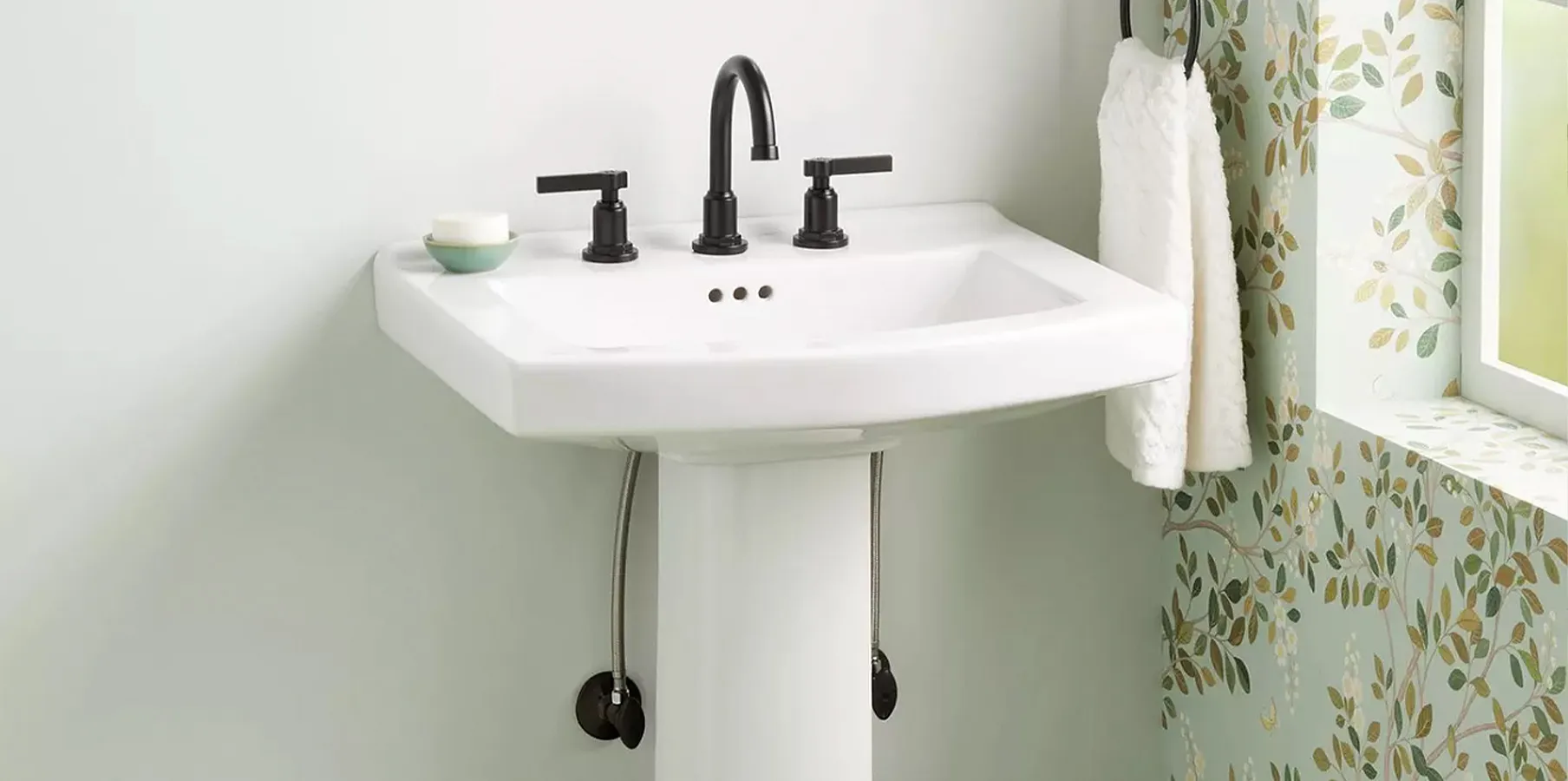
Freestanding sinks stand independently without needing a countertop or vanity for support. They are a good fit for small bathrooms or spaces with a desired minimalist look. The design creates an airy, open atmosphere, contributing to a sense of spaciousness. One limitation of freestanding sinks is the absence of under-sink storage, which might be a deal-breaker for those needing extra room for bathroom essentials. Additionally, plumbing considerations can be more complex with freestanding sinks. The pipes may need special concealment or routing to maintain a clean look, which can complicate the installation process.
Console Sinks
Signature Hardware
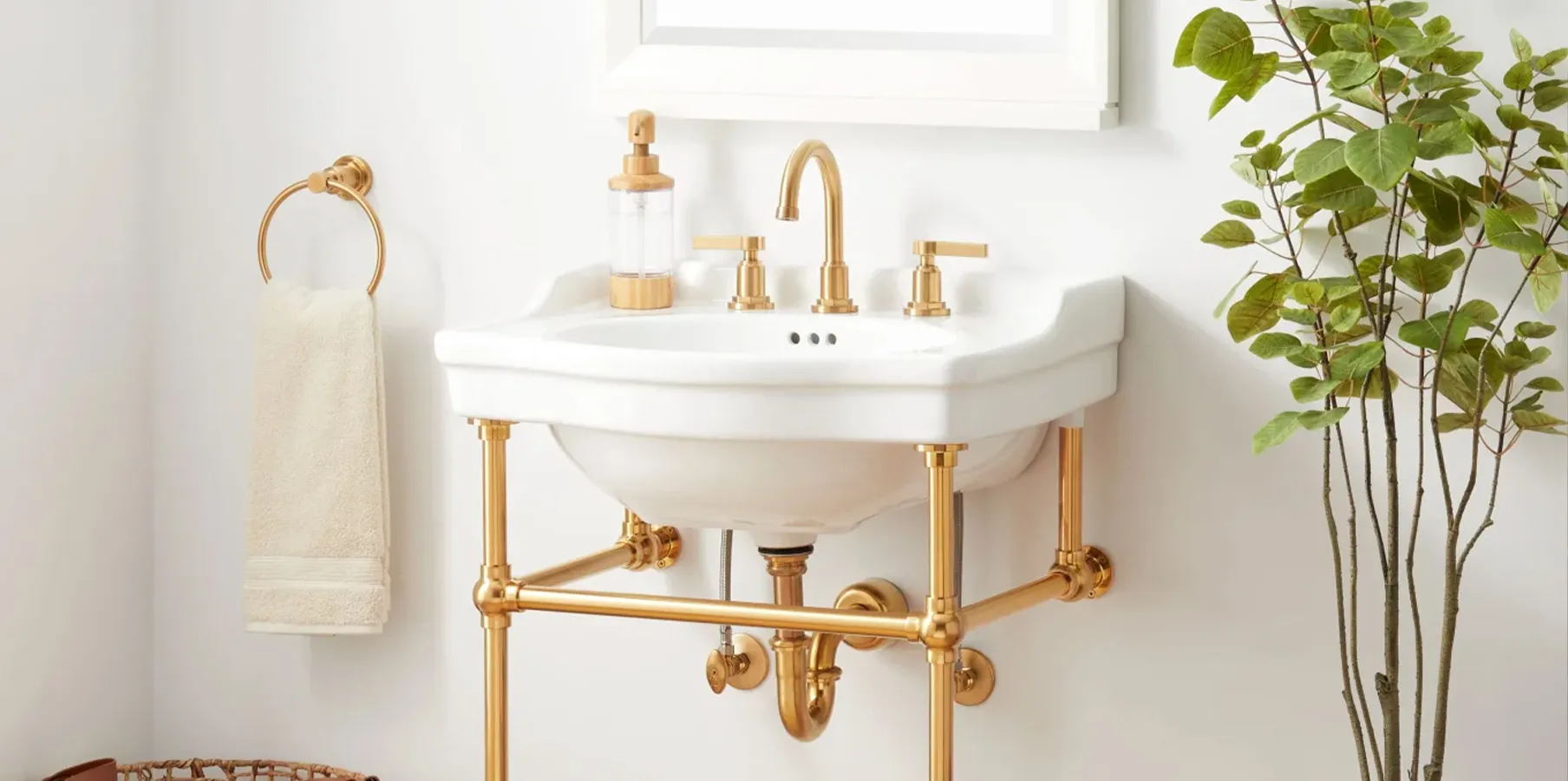
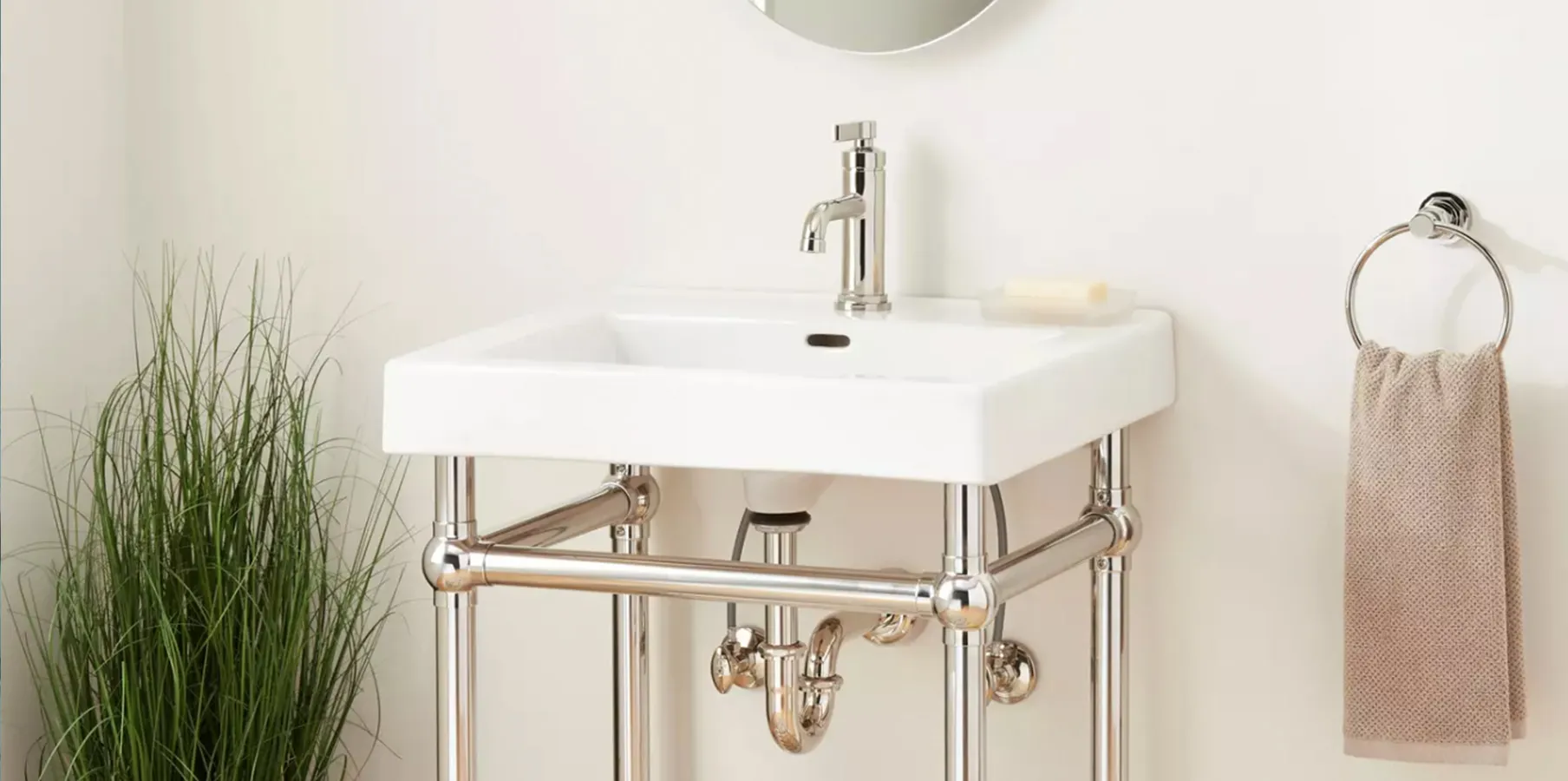
Console sinks stand on two or four legs and have an open design that gives an airy feeling to smaller bathrooms. Their style often leans toward the vintage or classical, making them an excellent choice for bathrooms with traditional decor. While they do not offer under-sink cabinetry for storage, some models have added features like built-in towel racks or a lower shelf for toiletries or decorative items. The open design also allows for easier floor cleaning underneath the sink. However, the lack of storage space means you may need to find alternative solutions for keeping bathroom essentials.
Pedestal Sinks
Signature Hardware
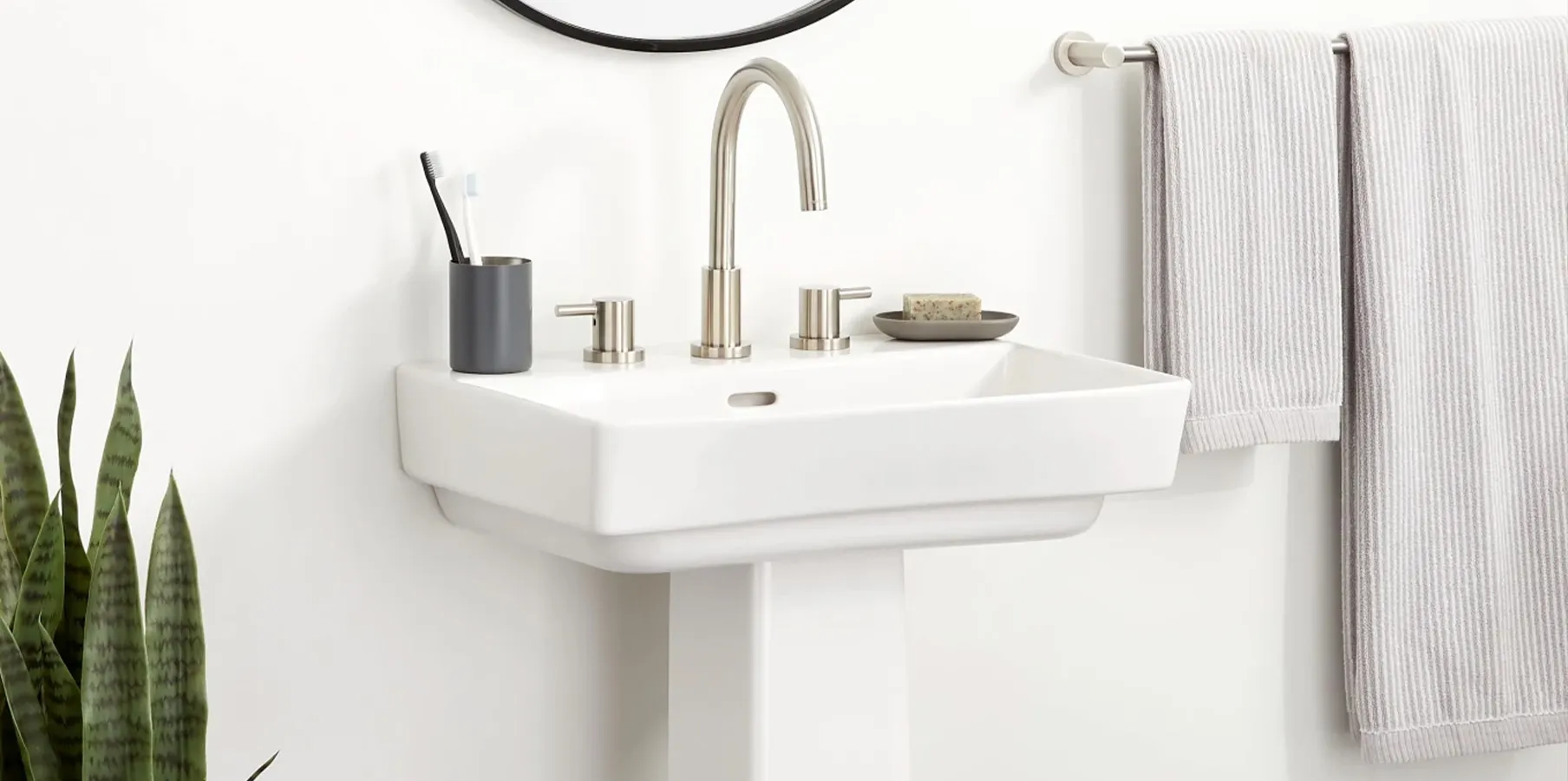
Pedestal sinks consist of a basin mounted on a single column-like leg, achieving a clean and uncluttered appearance. These are ideal for smaller bathrooms where saving space is a priority. Their streamlined design makes them easy to clean and maintain. However, like console sinks, pedestal sinks do not offer storage space below the basin. This can be an issue if you have a lot of toiletries or need a place to store extra towels. Despite this limitation, their elegance and space-saving design make them popular for compact bathrooms.
Wall-Mounted Sinks
Signature Hardware
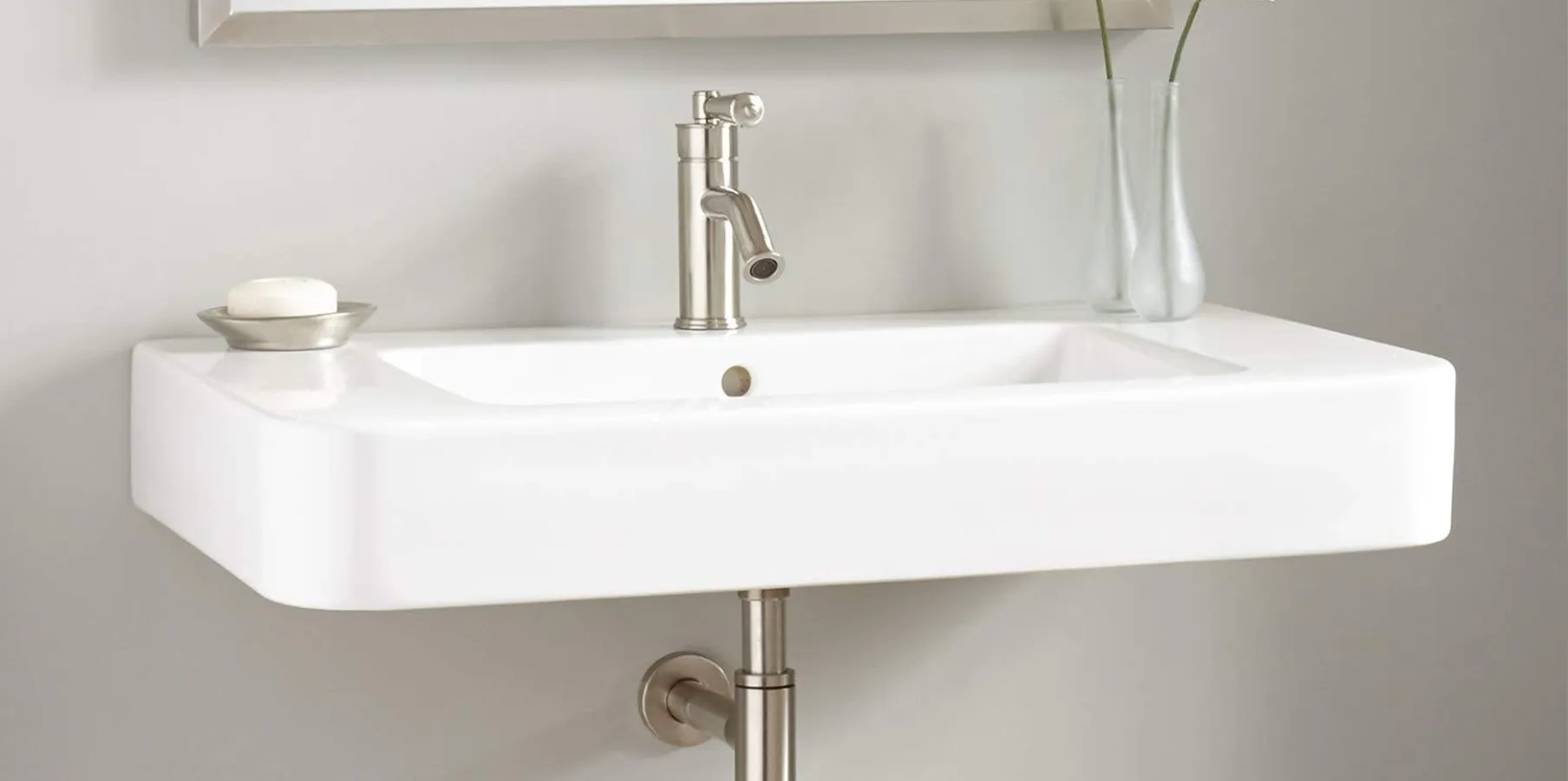
Wall-mount sinks, also known as wall-hung sinks, are fixed directly to the wall, eliminating the need for any supporting legs or pedestals. This opens up floor space, making cleaning easier and providing a more spacious look, which is especially advantageous in smaller bathrooms. These sinks come in various shapes and sizes to fit different design preferences and needs. However, the absence of a vanity or legs means no built-in storage options are available. For added functionality, some people install a separate shelf or a mirrored medicine cabinet above the sink to compensate for the lack of storage space.
Vanity Sinks
Signature Hardware
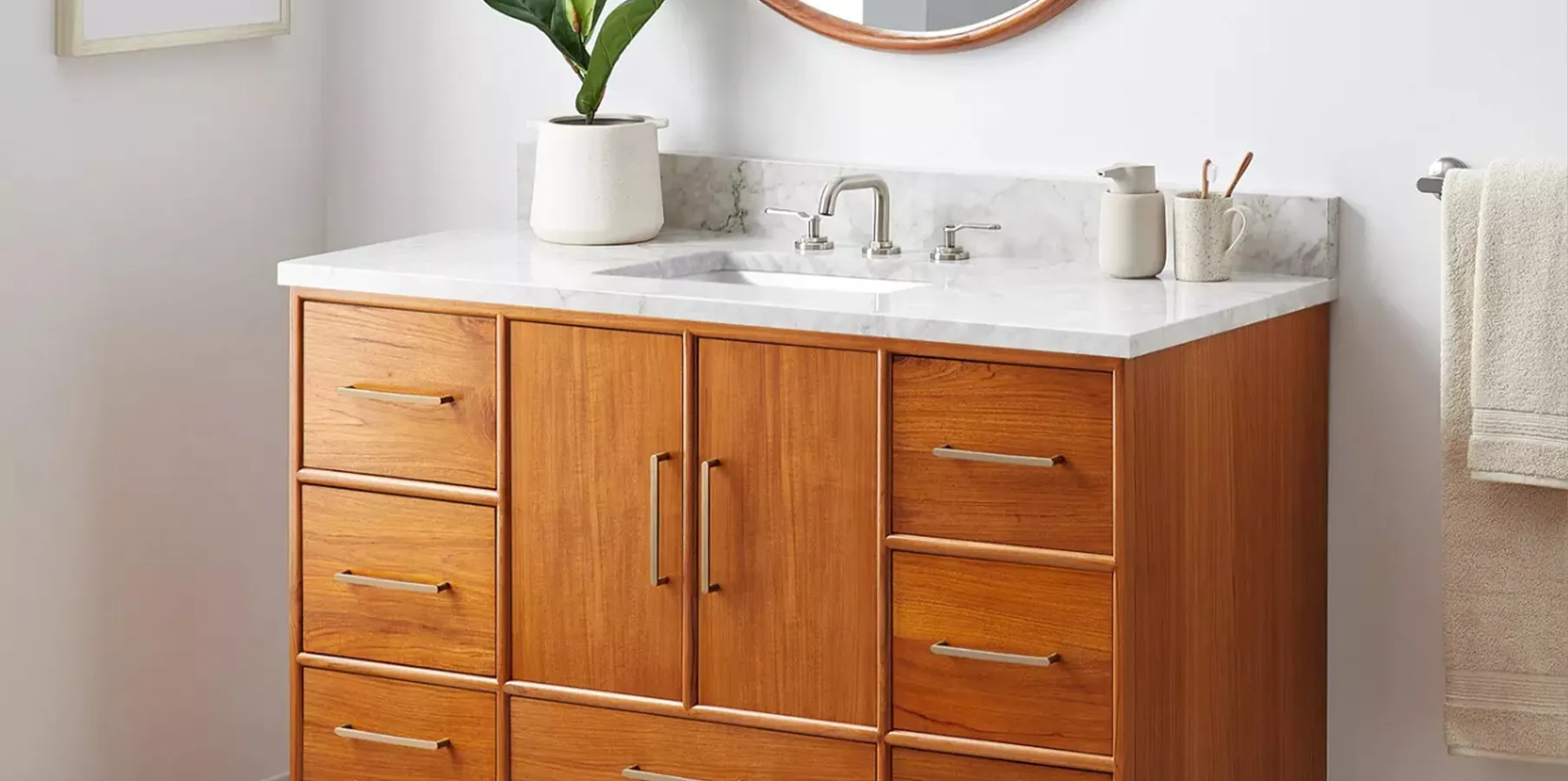
Vanity sinks, by contrast, are integrated into a larger cabinet unit that provides a countertop and storage options. The built-in nature of these sinks makes plumbing generally easier to install and conceal, often hidden behind cabinet doors. This type of sink offers the practical advantage of additional storage space, a useful feature for organizing toiletries, towels, and other bathroom items. However, vanity sinks do take up more room, making them less suited for compact bathrooms where space is a premium. The size and structure of the vanity also make it a more permanent and less flexible choice, as it's harder to change or move compared to freestanding options. Vanity sinks come in various mounting styles, offering unique design elements and functional benefits. Understanding the characteristics of each type can help you make an informed decision that suits both your aesthetic preferences and practical needs.
Integrated Sinks
Ottone and Nera
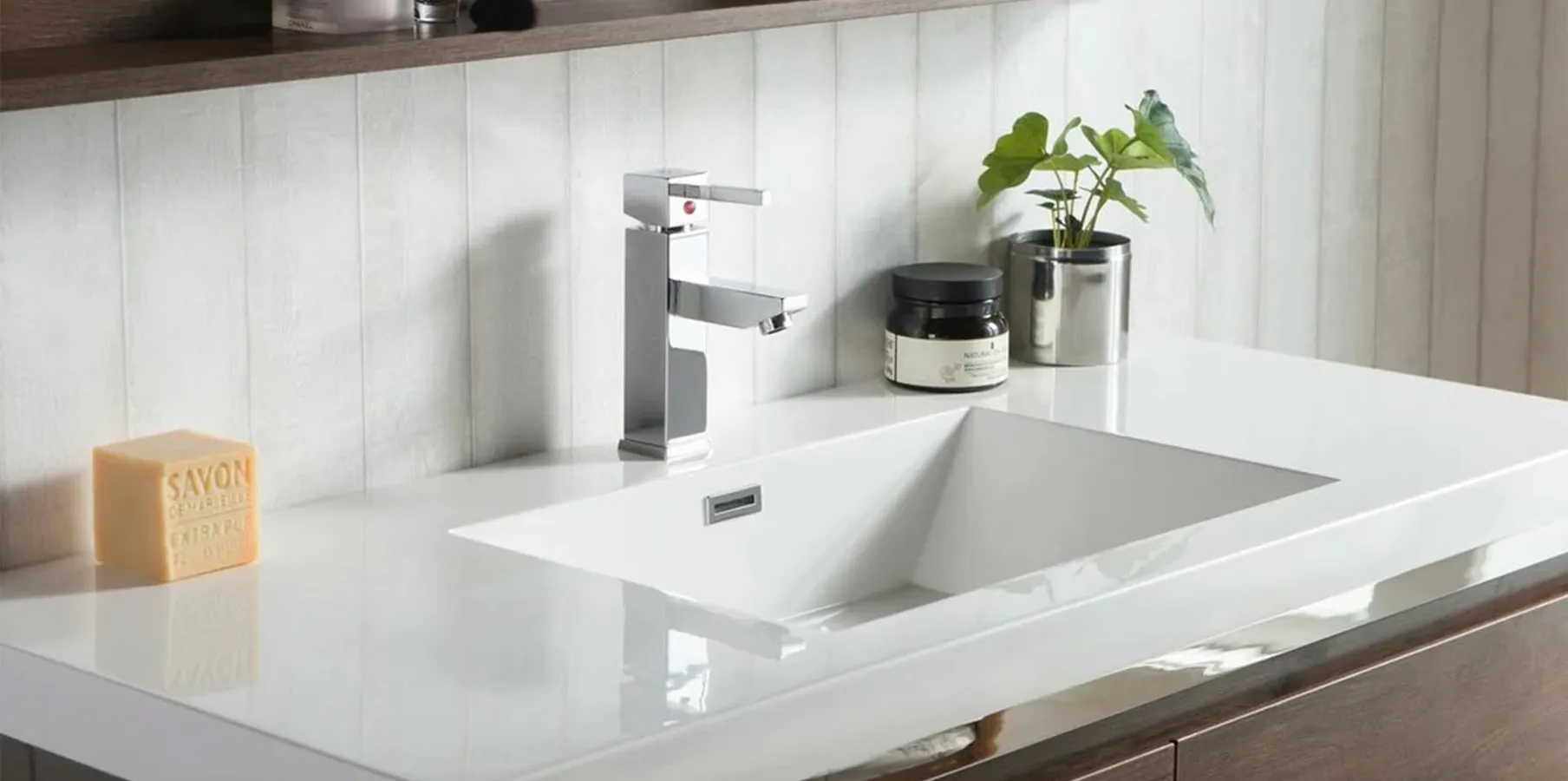
Integrated sinks offer a streamlined look by fully integrating into the countertop or vanity unit. One of their primary advantages is the ease of cleaning; with no joints or seams between the sink and the countertop, there's less opportunity for dirt and bacteria to gather. This makes built-in sinks a good choice for those prioritizing hygiene. However, when replacing a built-in sink, be prepared for more work and higher costs. Since the sink is integral to the countertop, replacing just the sink isn't an option—you'll have to replace the entire unit.
Drop-In Sinks
Kohler
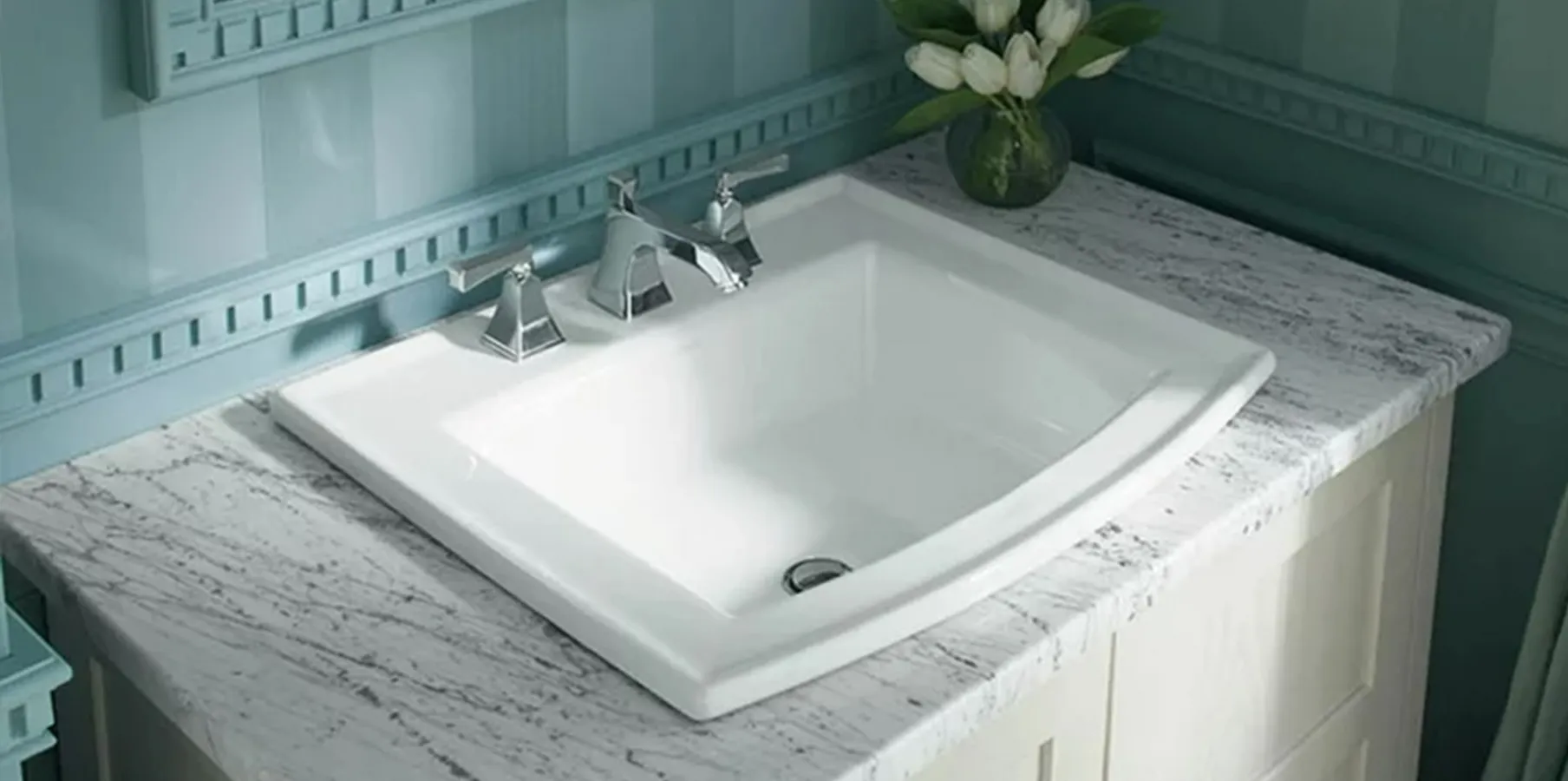
Also referred to as self-rimming or top-mount sinks, drop-in sinks are the most user-friendly in terms of installation. They come with a rim on top of the countertop, making them easier to install and providing added stability. The design versatility is another advantage; they can be installed in almost any countertop material, including wood, laminate, or natural stone. However, the exposed rim can be a magnet for dirt and grime, requiring regular cleaning to maintain its appearance. Plus, the rim interrupts the smooth line of the countertop, which may not be to everyone's taste.
Undermount Sinks
Kohler
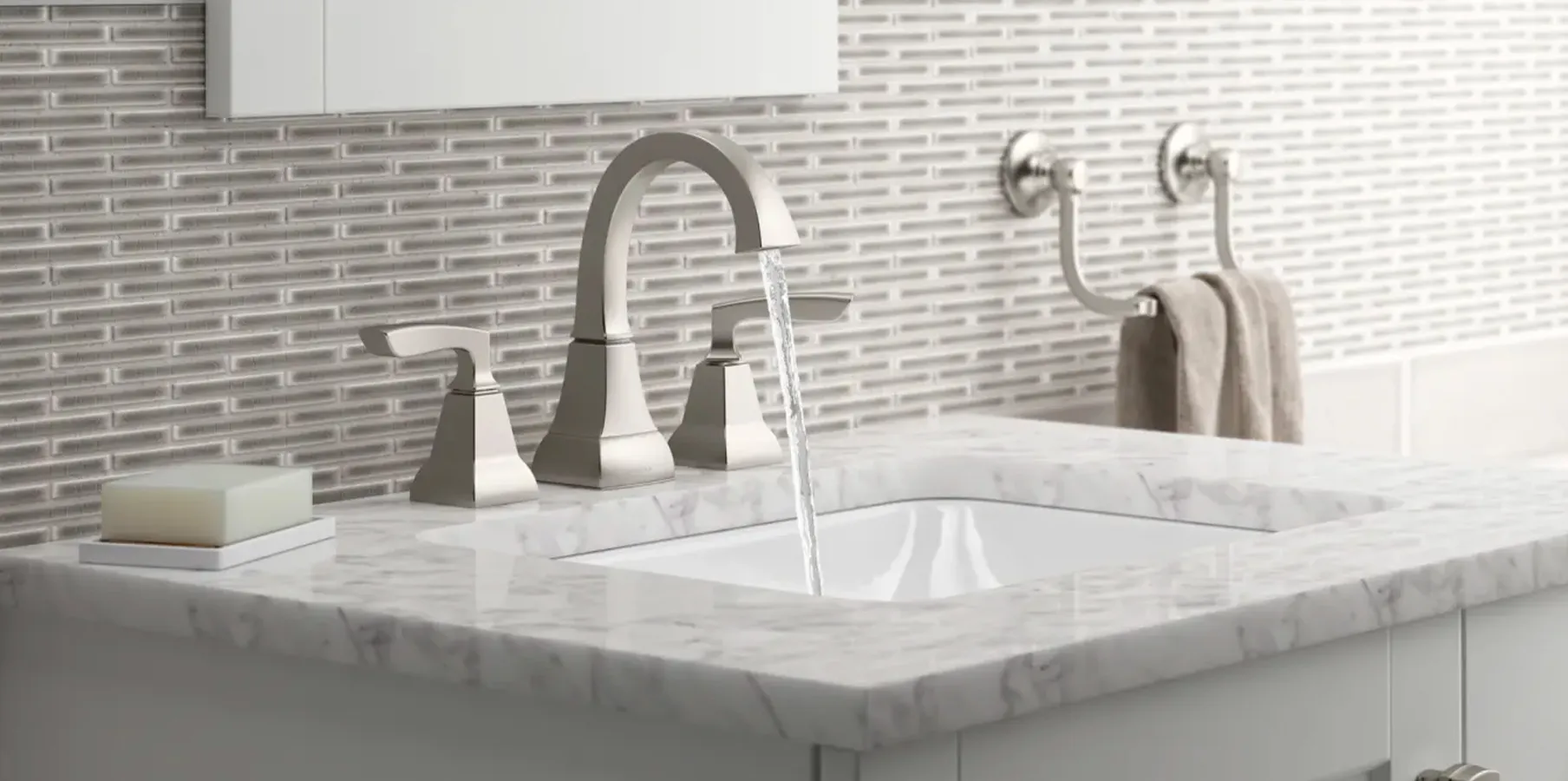
For those seeking a sleek, contemporary aesthetic, undermount sinks are a popular choice. These sinks are attached beneath the countertop, creating a smooth surface that's visually appealing and easy to clean. There's no rim to catch dirt or debris, making it simpler to wipe down the area. However, undermount sinks are generally more expensive upfront and can incur additional costs for installation. They are best suited for solid-surface or natural stone countertops, as these materials provide the necessary support and stability. Installing them professionally is also advisable to ensure they are securely attached, preventing potential water damage.
Vessel Sinks
Kohler
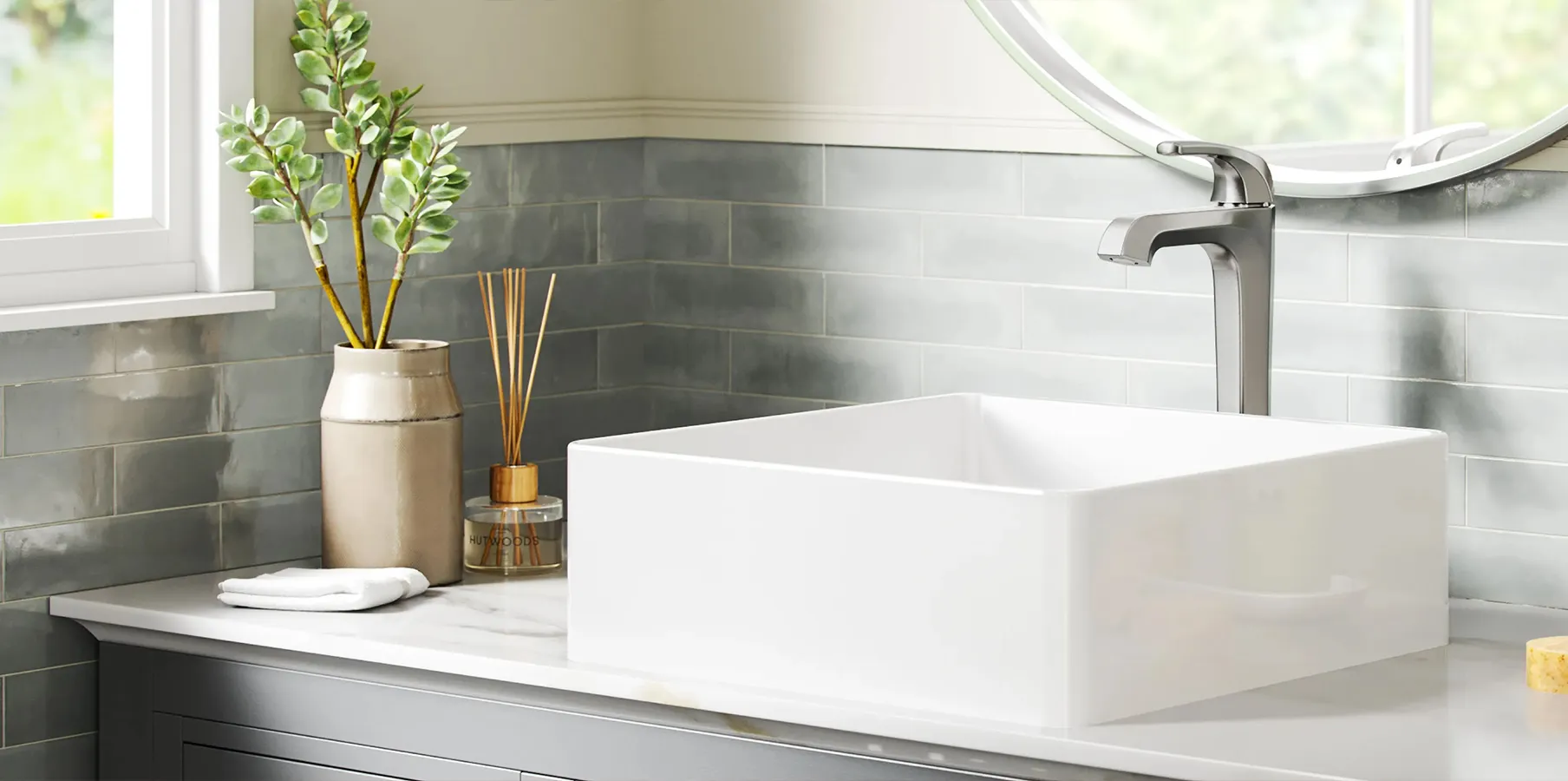
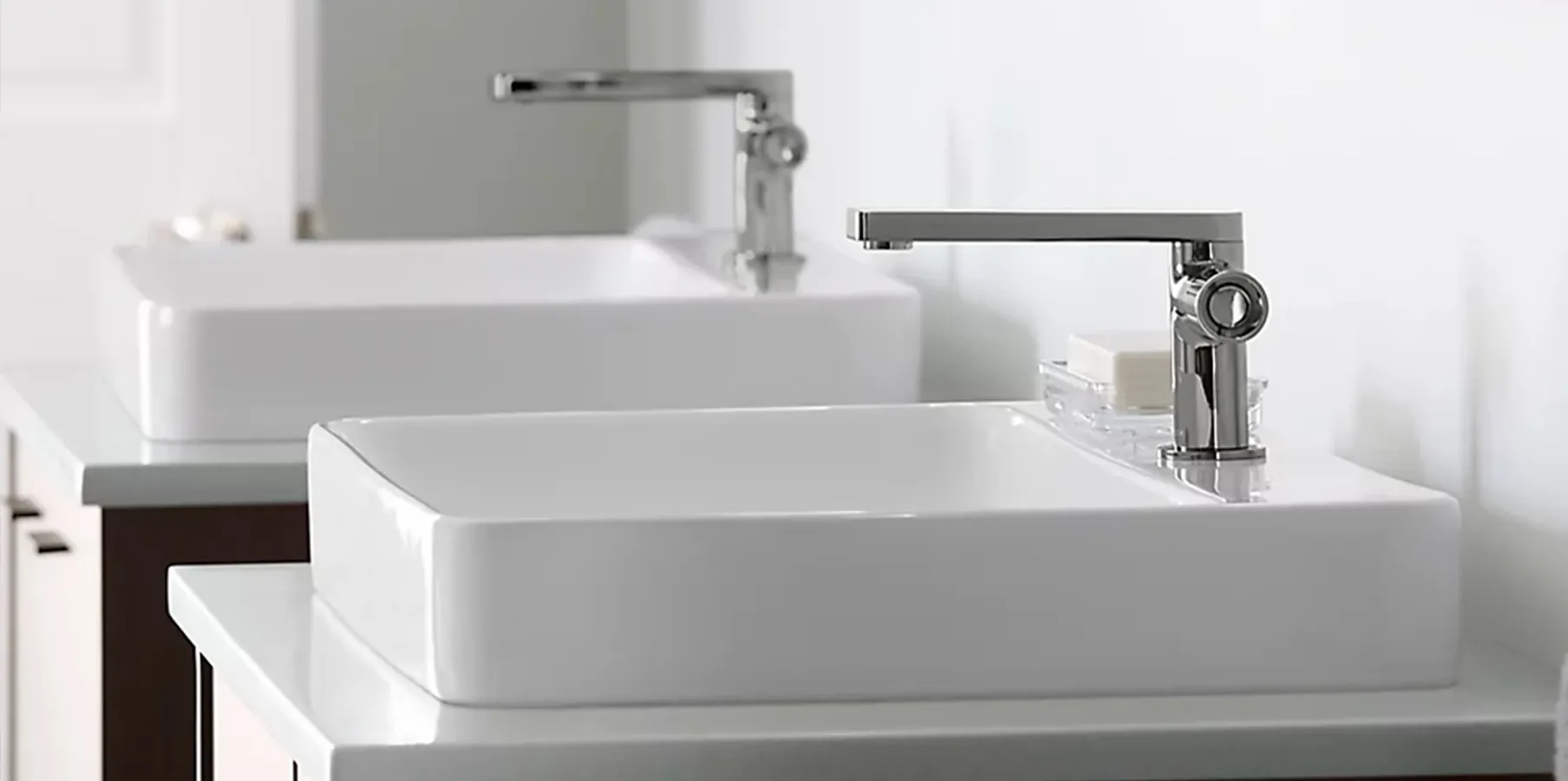
Vessel sinks sit on the vanity countertop, resembling a bowl or another vessel, hence the name. They are a standout feature and can act as a focal point in the bathroom due to their unique design. These sinks are available in various materials, shapes, and sizes, ranging from glass and stone to ceramic and metal.
One of the primary advantages of vessel sinks is the ease of installation. Since they sit on top of the counter, there's no need for complex mounting procedures. This makes it easier to swap them out if you decide to update your bathroom's look. However, because they are raised above the countertop, they can be less ergonomic for some users, especially children or shorter individuals, as you have to reach over the side to access the water.
Conclusion
Signature Hardware
Choosing between vanity and freestanding sinks ultimately boils down to your needs, aesthetic preferences, and available space. Vanity sinks, often accompanied by cabinets, offer more storage and can be integral parts of larger countertop spaces, giving you room for toiletries and other essentials. On the other hand, freestanding sinks are more flexible in placement and can make a small bathroom feel more open. However, they typically offer less storage space. Both options come in various styles and materials, so you're likely to find something that fits your taste regardless of the type you choose. By weighing the benefits and limitations of each, you can make a well-informed decision for your bathroom setup.
Keep reading
More on Bathroom Specific