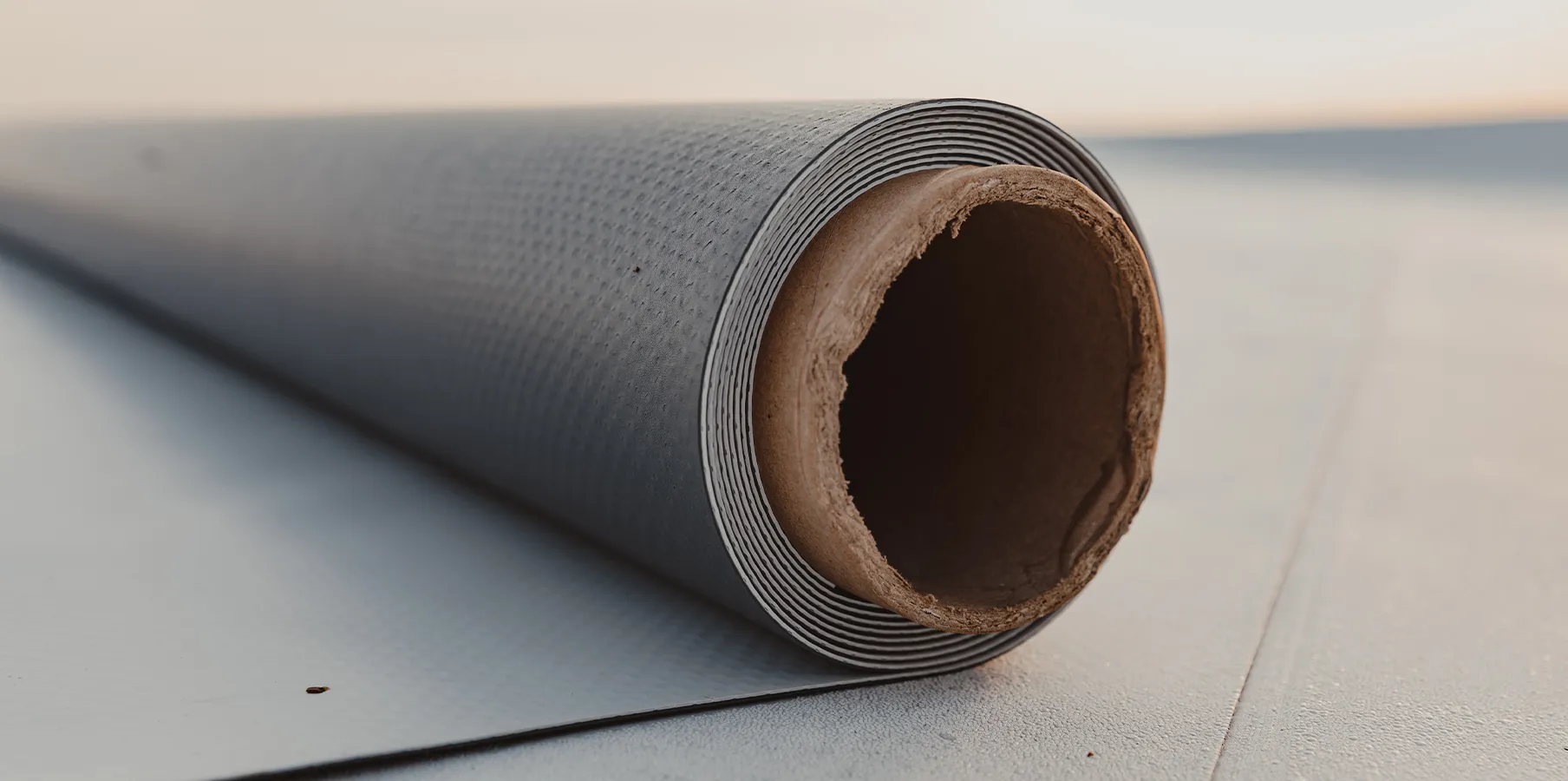
Rubber Roofing Guide: Types, Costs, and Durability Tips
Known for its durability, cost-effectiveness, and ease of maintenance, rubber roofing offers a practical solution for those seeking a long-lasting roofing material. This comprehensive guide will delve into the types of rubber roofing, its advantages, potential drawbacks, environmental considerations, and cost factors, providing a well-rounded view for homeowners and builders considering rubber for their roofing needs.
Types of Rubber Roofing
EPDM (Ethylene Propylene Diene Monomer)
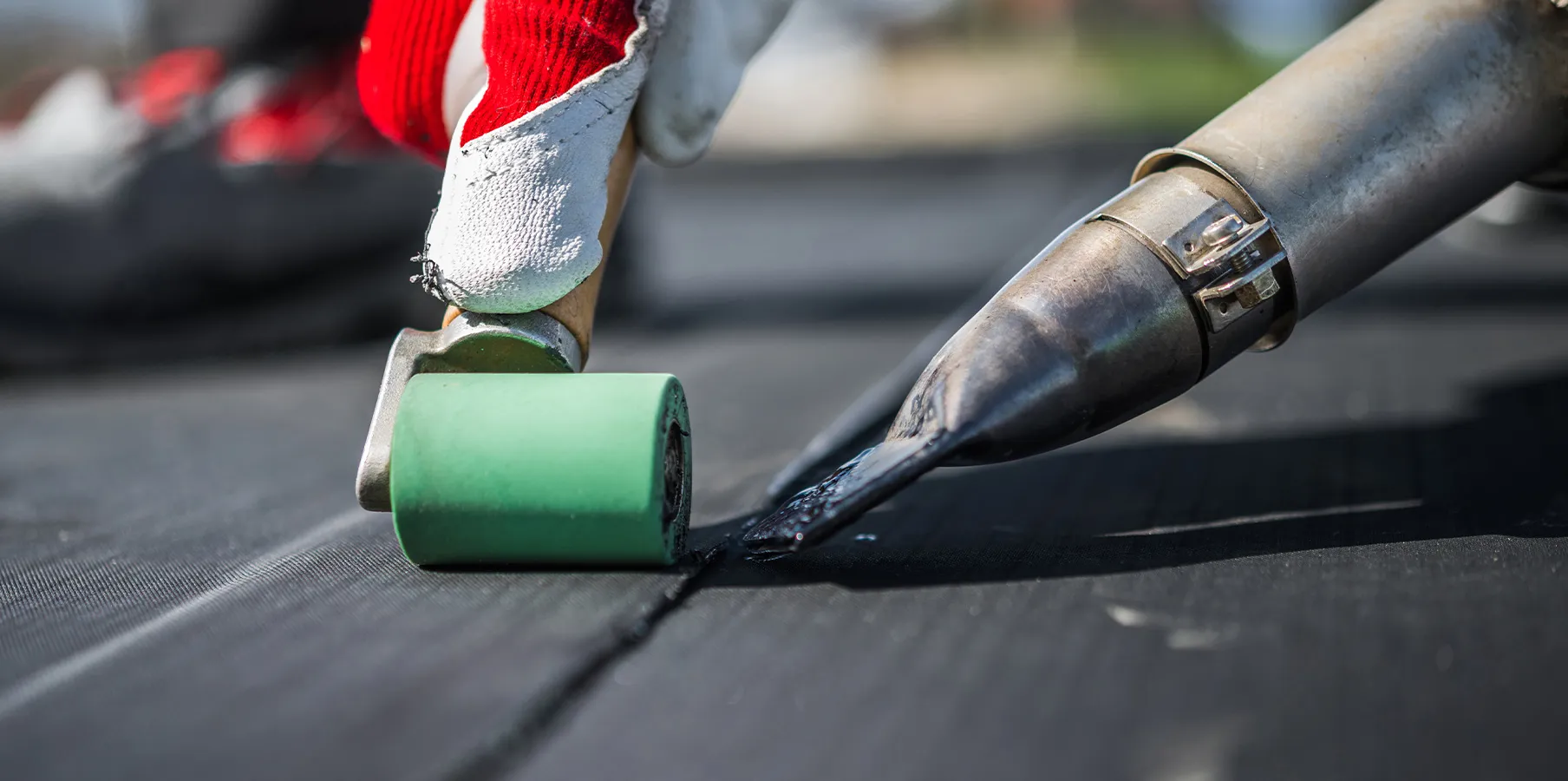
EPDM roofing is a standout choice for its longevity and resilience. Made from a synthetic rubber compound, it is especially suited for flat or low-slope roofs common in residential and commercial buildings. EPDM's composition affords it exceptional durability against all weather conditions, from scorching summers to freezing winters, maintaining its integrity without cracking or drying out. Its ability to remain flexible in low temperatures ensures it can withstand and absorb the impact of foot traffic, falling debris, and environmental stresses without sustaining damage.
One of EPDM's advantages is its installation in large, continuous sheets, significantly reducing the number of seams on the roof surface. Fewer seams mean fewer potential points of failure, thereby minimizing the risk of water leaks. This seamless design, combined with the material's inherent water resistance, makes EPDM an excellent waterproofing solution for roofs that demand robust protection against moisture penetration.
TPO (Thermoplastic Polyolefin) and PVC (Polyvinyl Chloride)
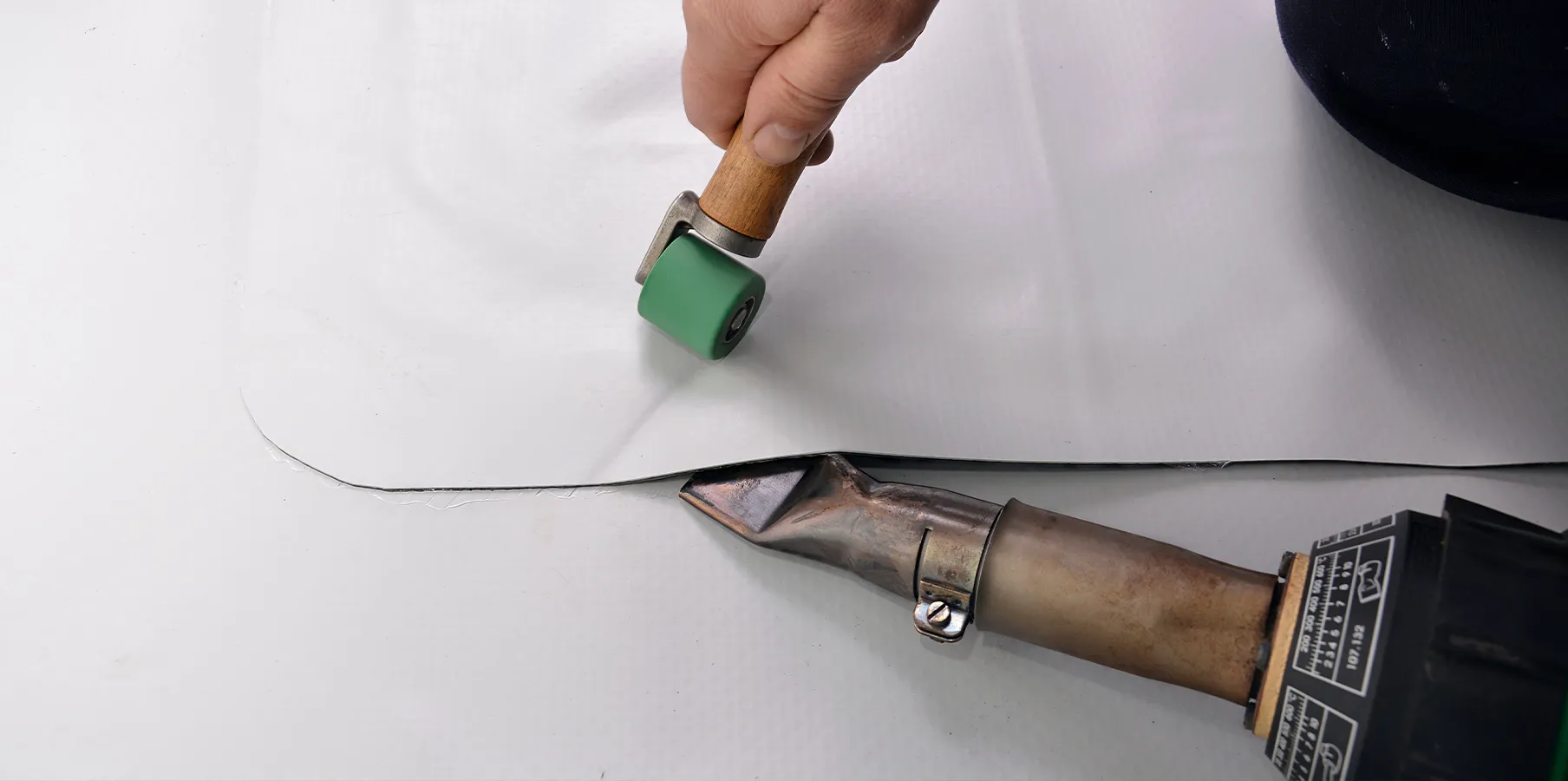
TPO and PVC roofing membranes represent the latest advancements in thermoplastic technologies for flat and low-slope roofs. Both materials are prized for their heat and UV resistance, contributing to the roof's longevity and enhancing energy efficiency. The reflective properties of these lighter-colored membranes can significantly reduce the amount of solar heat absorbed by the building, leading to lower interior temperatures and reduced demand for cooling systems during hot weather. This can result in considerable energy savings over time. TPO and PVC membranes are installed using a heat-welding process that fuses the seams between individual sheets, creating a continuous, watertight seal across the roof surface. This welded seam technology is a key feature of both materials, ensuring superior leak resistance and structural integrity compared to traditional roofing systems. The welding process requires skilled installers but produces a durable, high-performance roof capable of withstanding environmental stresses and preventing water infiltration.
Advantages of Rubber Roofing
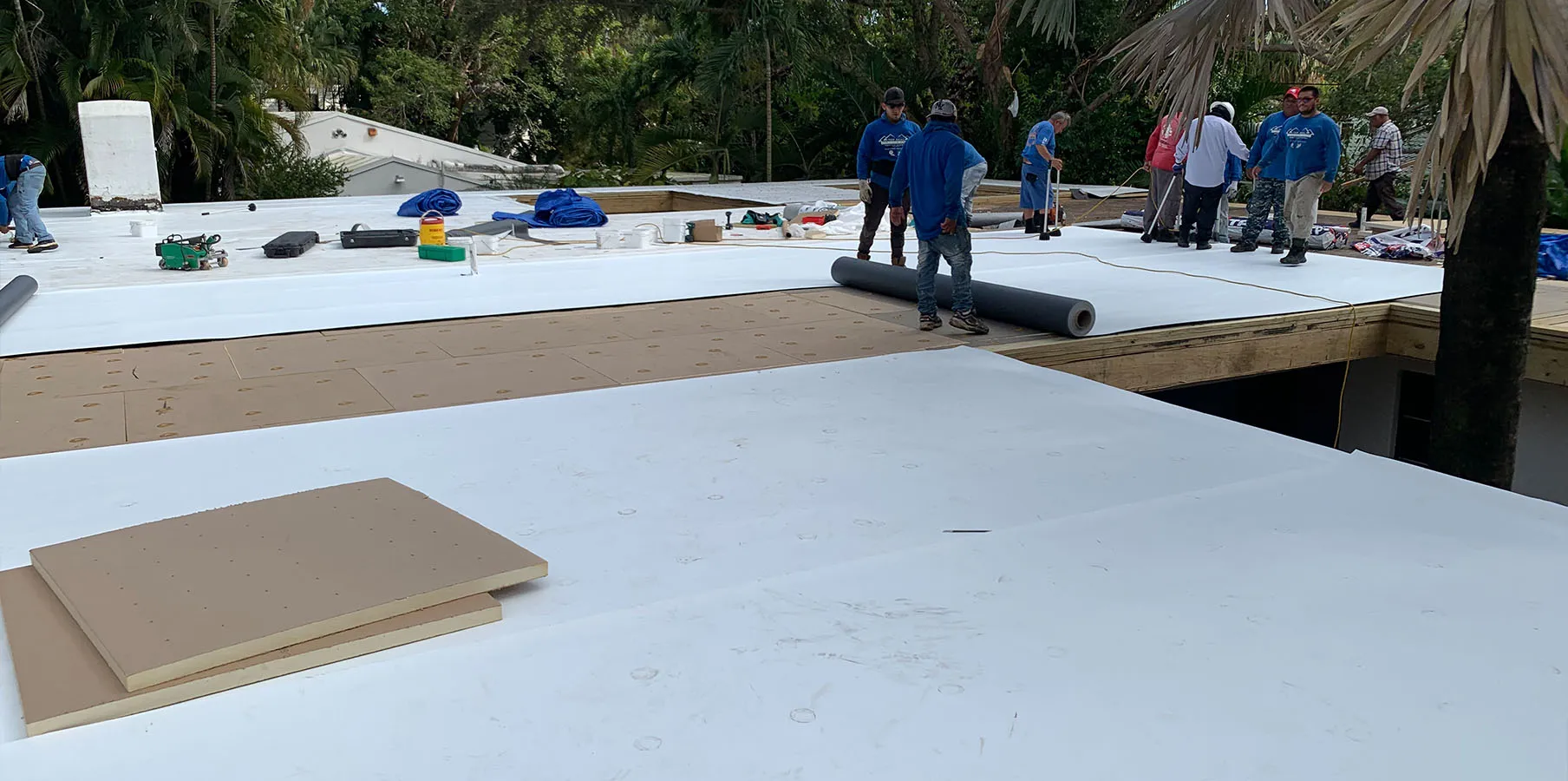
Rubber roofing systems are increasingly recognized for their benefits, making them preferred for residential and commercial properties with flat or low-slope roofs.
Durability is an advantage of rubber roofing. EPDM, TPO, and PVC are engineered to withstand various environmental conditions, including intense UV radiation, ozone, extreme temperatures, and more. This resilience contributes to rubber roofing's impressive lifespan, which can easily surpass 20 years with appropriate maintenance. The material's ability to remain intact and functional under various weather conditions ensures that it remains a reliable protective layer for buildings over many years.
The waterproof and leak-resistant nature of rubber roofing further underscores its appeal. EPDM roofs are known for their seamless installation, while TPO and PVC systems utilize welded seams to create a continuous, impenetrable barrier against moisture. This construction minimizes the potential for leaks, safeguarding the building's interior from water damage and the associated repair costs.
Energy efficiency is another significant benefit. The reflective properties of the lighter-colored TPO and PVC membranes are particularly effective in reducing solar heat absorption. By reflecting sunlight away from the building, these roofing systems can significantly decrease the need for air conditioning during hot weather, leading to noticeable energy savings and a more comfortable indoor environment.
Rubber roofing's low maintenance requirements make it an attractive option for building owners. Unlike traditional roofing materials that require frequent repairs or replacements, rubber roofs generally require routine inspections and occasional cleaning to remove debris. This ease of upkeep saves time and reduces long-term maintenance costs.
Drawbacks of Rubber Roofing
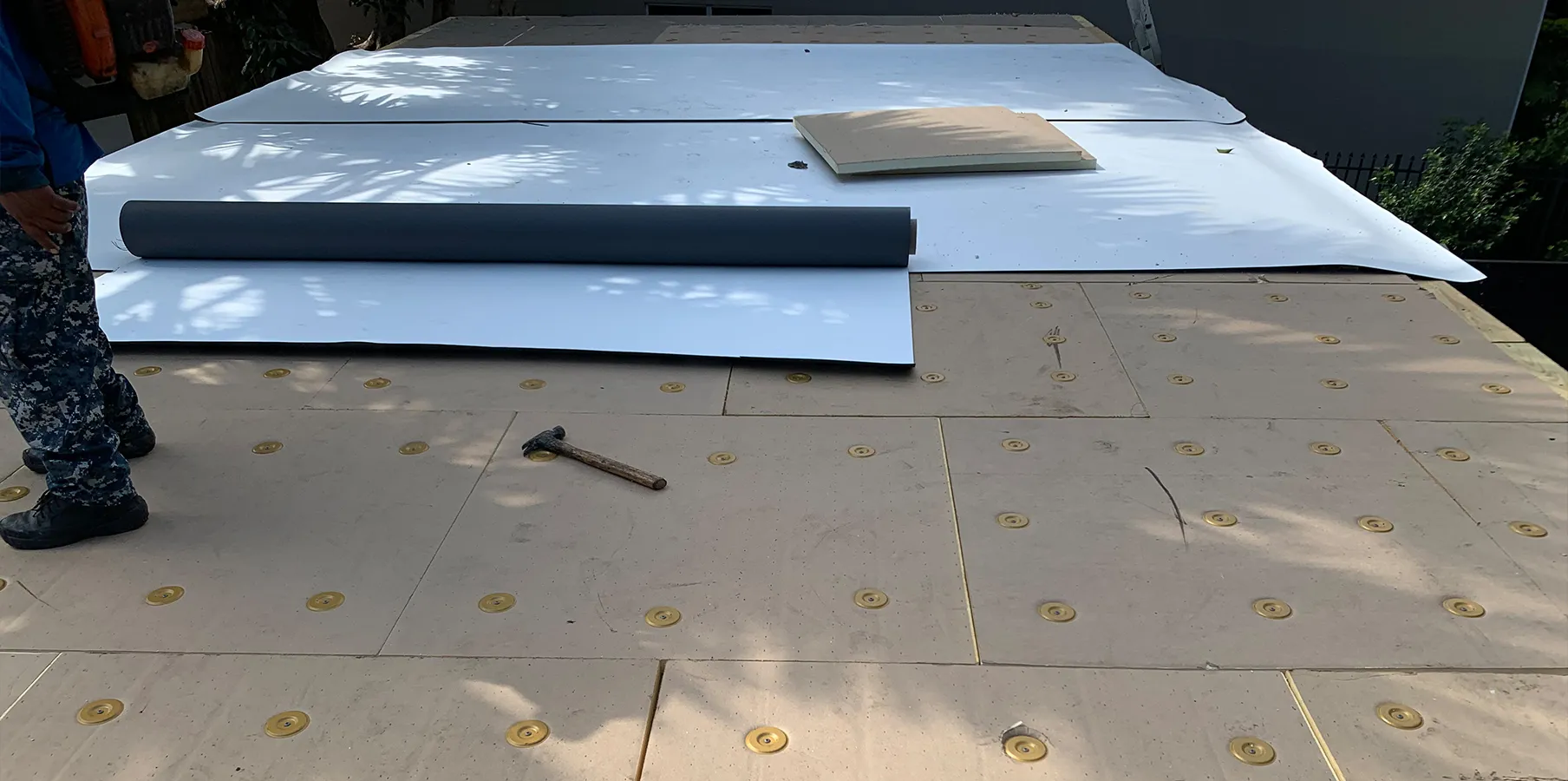
Despite its numerous advantages, rubber roofing does present some challenges and considerations. One of the primary aesthetic limitations of rubber roofing, particularly with EPDM, is the restricted color palette, which typically includes shades of black or white. While these colors can be suitable for a wide range of applications, they may not meet the aesthetic preferences of all homeowners or match every architectural style. This limitation can be a deciding factor for those who place a high value on the visual appearance of their roofing material.
Installation expertise is crucial to the successful application of rubber roofing. The specialized nature of EPDM, TPO, and PVC materials requires that they be installed by professionals who are well-versed in the specific techniques and considerations relevant to each type. Finding skilled contractors with experience in rubber roofing is essential to ensure that the roof is installed correctly, achieves a watertight seal, and maximizes the material's durability and performance benefits. Improper installation can lead to premature failures and leaks, undermining the inherent advantages of rubber roofing systems.
Environmental and Cost Considerations
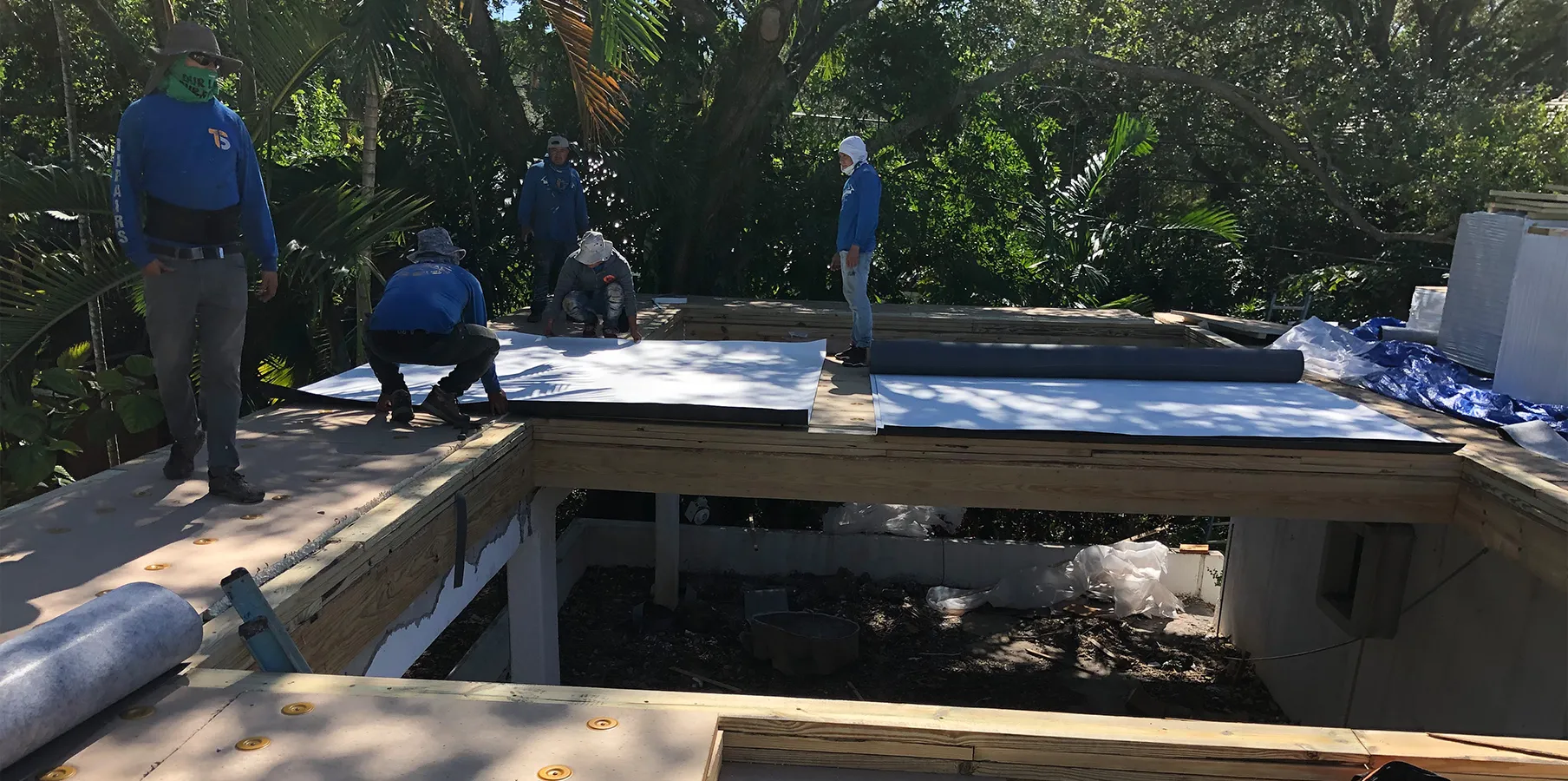
Rubber roofing, particularly EPDM, is often praised for its environmental benefits. EPDM is frequently made from recycled materials and is recyclable at the end of its life, reducing landfill waste. Additionally, the energy efficiency of TPO and PVC roofs contributes to reducing energy consumption and greenhouse gas emissions.
The initial cost of rubber roofing can vary depending on the material (EPDM, TPO, or PVC) and the complexity of the installation. While it may be higher than some traditional roofing materials, long-term maintenance, repair costs, and energy efficiency savings can make rubber roofing a cost-effective option over its lifespan.
Conclusion
Rubber roofing offers a robust, efficient, and sustainable solution, especially for flat or low-slope roofs. With its long lifespan, ease of maintenance, and potential for energy savings, rubber roofing is an excellent investment for those seeking a durable and environmentally friendly roofing option. By carefully considering the types of rubber roofing available and weighing the advantages against any potential drawbacks, homeowners and builders can decide which best meets their specific roofing needs and preferences.
Keep reading
More on Roof Covering


