Bathroom Toilet Types Explained: Wall, Floor, and Smart
When it comes to modern toilets, there are primarily two types based on their mounting style: wall-mounted and floor-mounted. Each has advantages and disadvantages, and the choice often comes down to personal preference, bathroom layout, and specific needs.
Wall-Mounted Toilets

Wall-mounted toilets are fixed to the wall and do not touch the bathroom floor, creating a floating appearance. This design opens up floor space, making it easier to clean underneath the toilet. Wall-mounted units are often chosen for their sleek and modern aesthetic, which can add a touch of elegance to any bathroom. They are also versatile, allowing for height customization during installation, a feature that can benefit users with mobility issues. However, these toilets typically require a sturdy wall to anchor to and in-wall tank systems that can make initial installation more complex and expensive.
It's worth noting that wall-mounted toilets usually have a maximum weight limit, which varies based on the design and the strength of the attached wall. This is an important consideration to keep in mind during both the selection and installation phases. Additionally, fitting a wall-mounted toilet often requires a more detailed planning stage, especially if you're retrofitting one into an existing bathroom layout. Accommodating in-wall plumbing may necessitate professional consultation to ensure everything is installed correctly. Furthermore, any future maintenance may require opening the wall, adding another layer of complexity to repairs.
Floor-Mounted Toilets

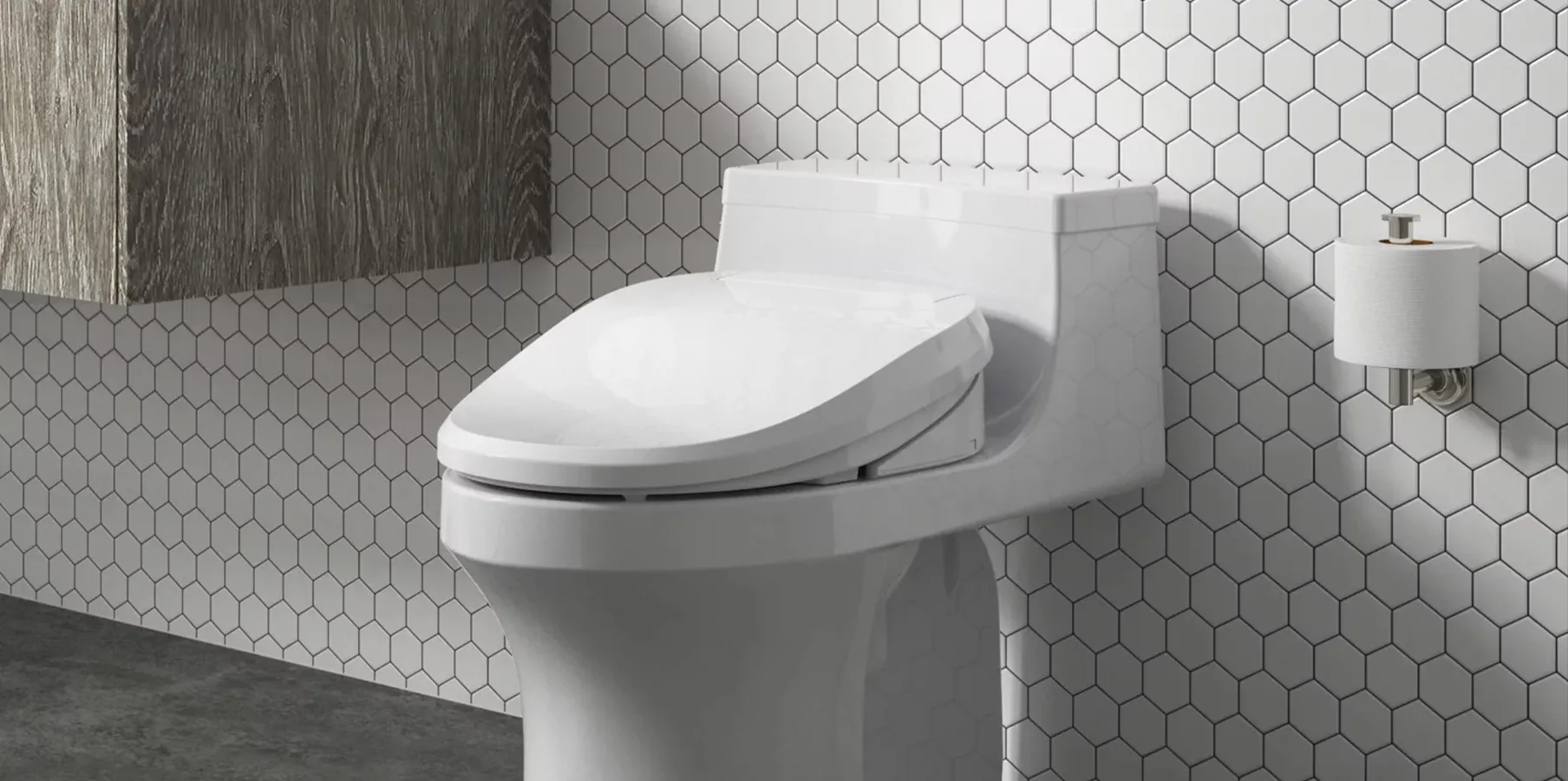
These are the more traditional and commonly seen type, where the toilet sits directly on the bathroom floor and is bolted into place. Floor-mounted toilets come in two main variants: two-piece and one-piece. Two-piece models have a separate tank and bowl bolted together during installation. They are generally more common and cheaper, but they have a seam between the tank and bowl that can collect dirt and grime, making them slightly more challenging to clean. On the other hand, one-piece toilets have the tank and bowl fused into a single unit, offering a sleeker design that's easier to clean.
Floor-mounted toilets are generally more manageable and less expensive to install, especially retrofitting into existing plumbing systems, making them a good option for bathroom renovations. They are also easier to repair since all the plumbing is more accessible. On the downside, these toilets can consume more floor space, making them less ideal for small or cramped bathrooms. They also typically lack the height customization options that wall-mounted units offer, which might be a consideration for those with mobility issues. Floor-mounted toilets offer a variety of designs and styles, but they are often seen as less modern than their wall-mounted counterparts.
Smart Features

Available in wall-mounted and floor-mounted configurations, Smart toilets represent the cutting-edge convergence of technology and bathroom convenience, offering a wide array of features to enhance the user experience. These advanced commodes go beyond basic flushing and waste removal, providing a range of functionalities designed for hygiene, comfort, and even health monitoring.
One of the standout features of smart toilets is their advanced hygiene capabilities. Many models come with integrated bidet sprays, offering adjustable water temperature and pressure for a thorough cleaning experience. Some even feature air dryers, reducing the need for toilet paper and lowering your environmental footprint. Self-cleaning technologies such as UV sterilization and electrolyzed water are also available in some models to keep the bowl and seat germ-free.
In terms of comfort and convenience, smart toilets often include heated seats that can be adjusted to your preferred temperature level. Some even offer ambient lighting, usually a soft LED glow, which can be particularly useful for nighttime bathroom trips.
While smart toilets offer various benefits, they come with their own set of considerations. Installation can be more complex due to the electrical requirements of many features. The cost is also significantly higher than traditional toilets, making them a considerable investment.
Conclusion

The choice of the toilet—be it a sleek wall-mounted unit, a traditional floor-mounted model, or an advanced smart toilet—plays a role in any bathroom's functionality, aesthetics, and environmental impact. While wall-mounted and floor-mounted toilets cater to varying aesthetic preferences and space considerations, smart toilets offer cutting-edge features that enhance hygiene and comfort. Each type offers unique benefits and challenges, from installation complexities and cost implications to maintenance and repair considerations. Ultimately, the choice depends on individual needs, budget, and bathroom layout.
Keep reading
More on Bathroom Specific