Spartan Epoxies
Epoxy Based Paint: Costs, Finishes, Pros and Cons Explained
Spartan Epoxies
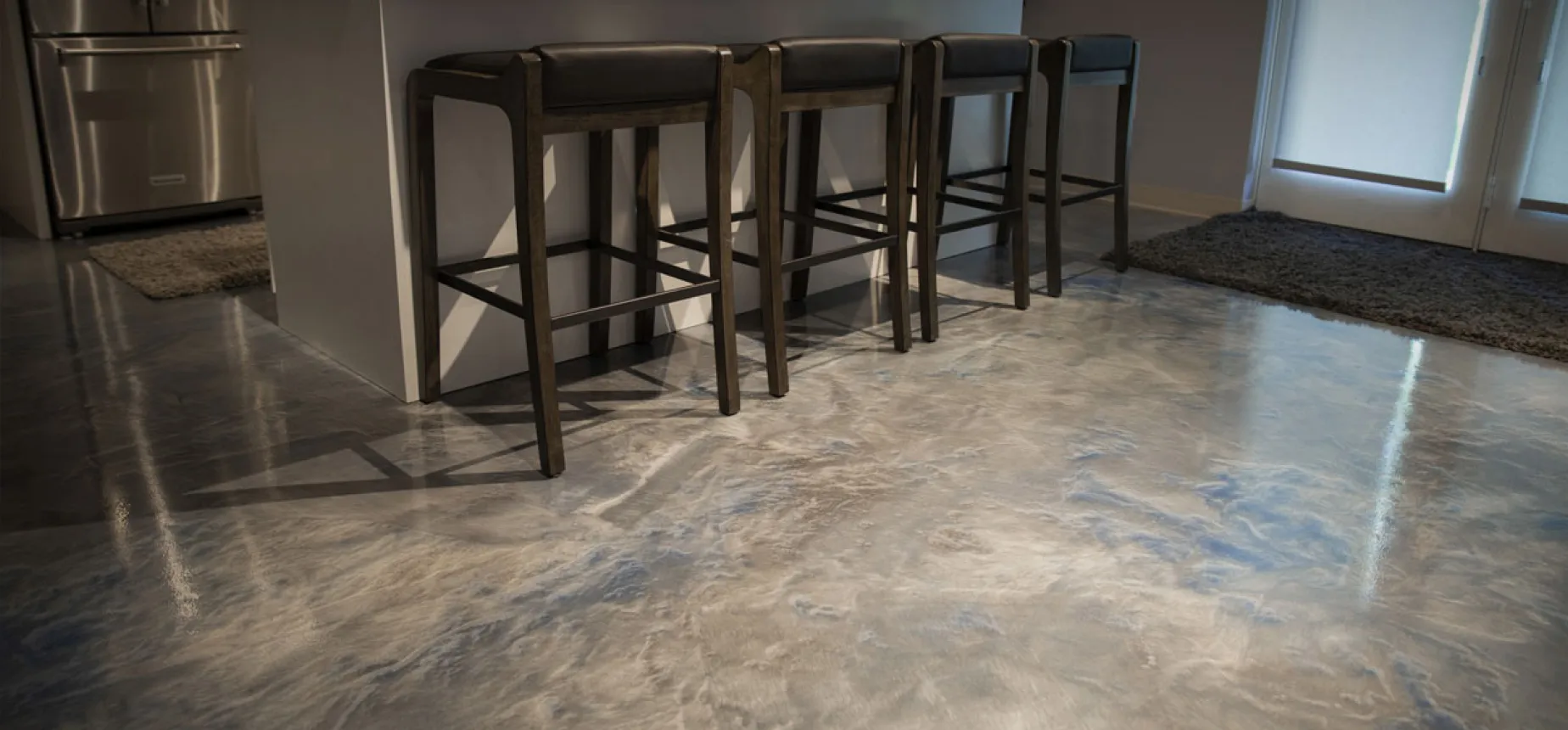
Epoxy paints are formulated using an epoxy resin and a hardener. They're known for creating a tough, durable, and chemically resistant coating, so they are often chosen for floors in garages, basements, and industrial environments.
Advantages of Epoxy Paint
Leggari
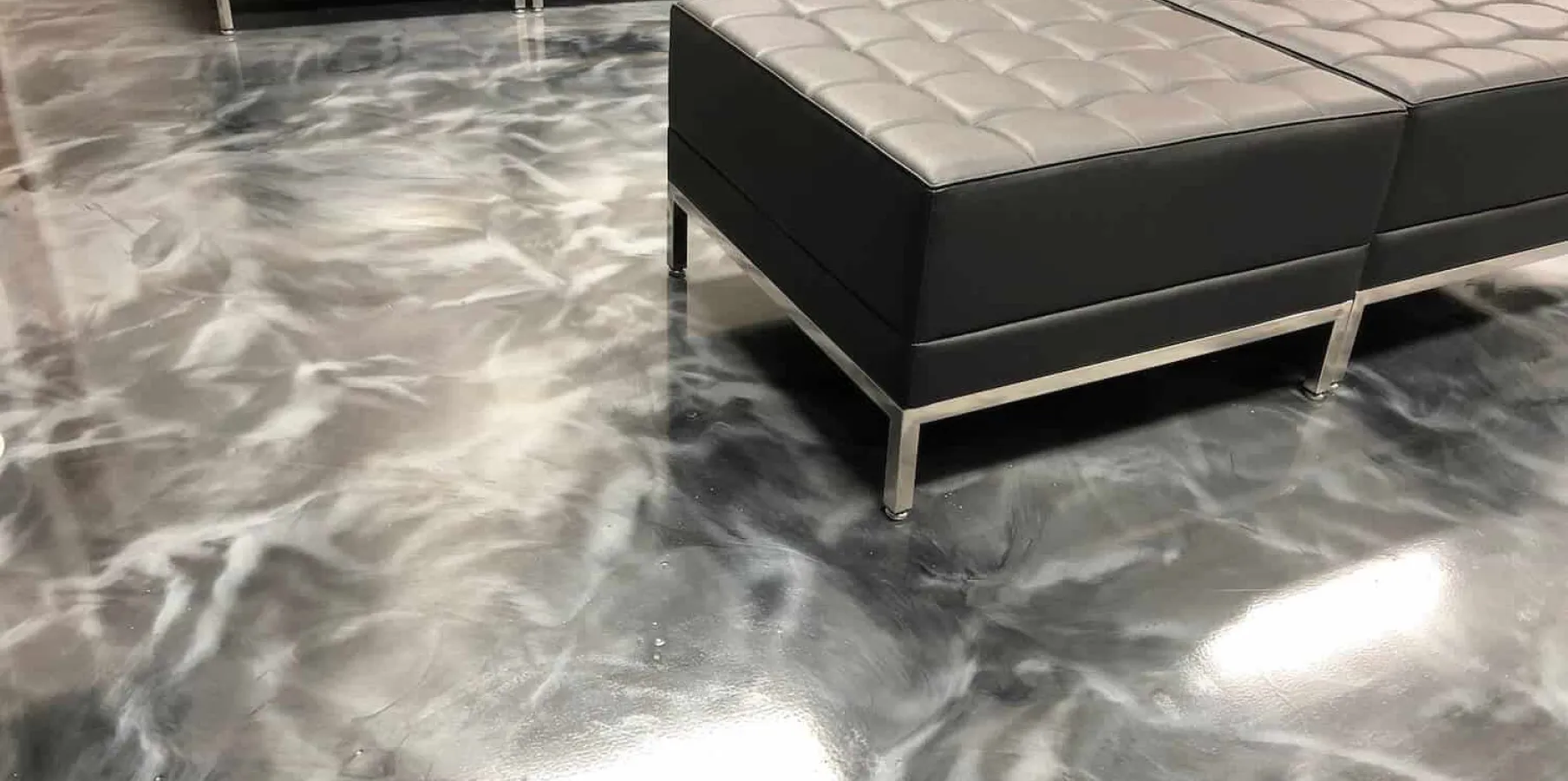
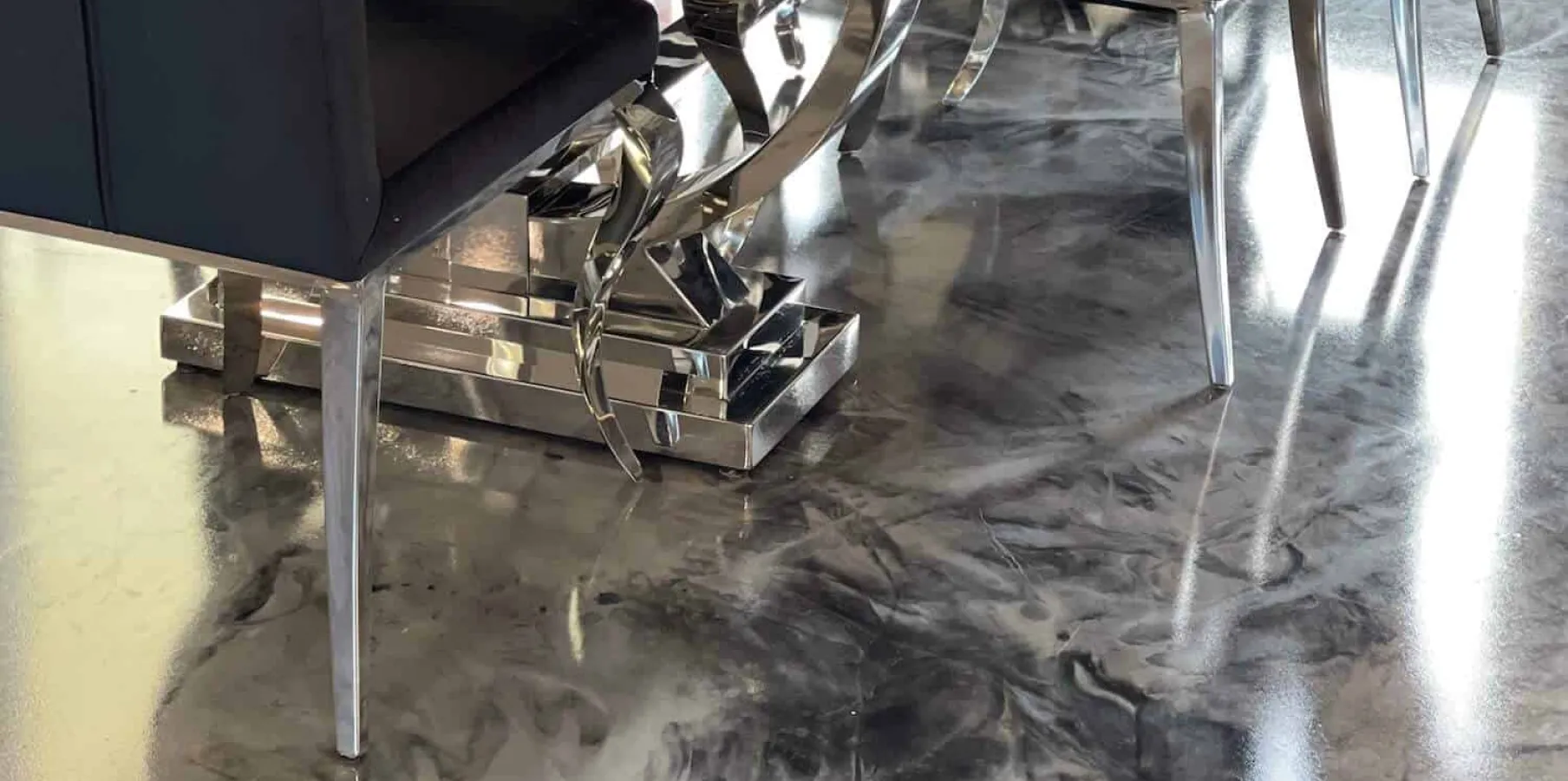
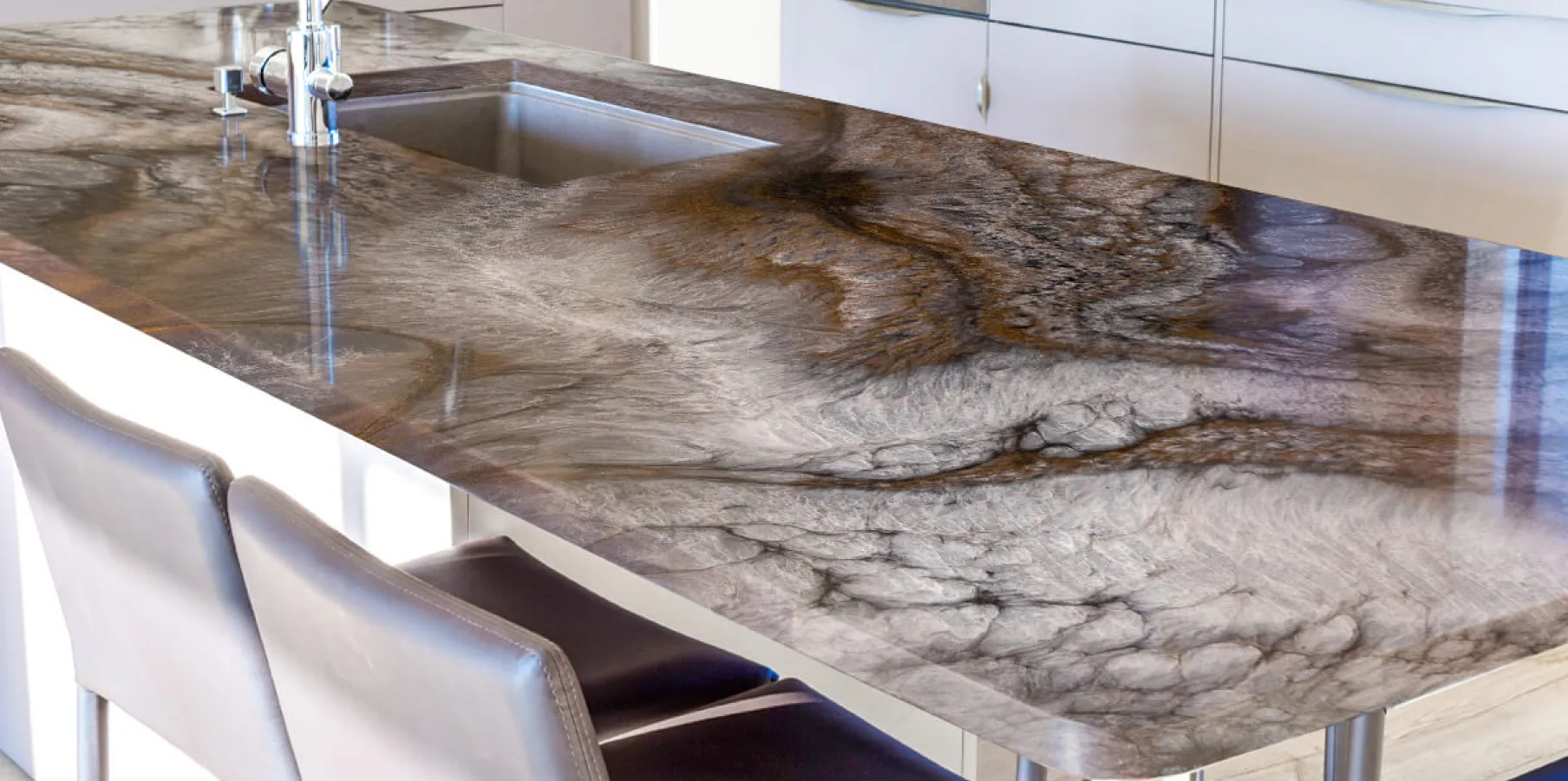
Epoxy paints stand out for a host of reasons. Their remarkable durability means they can endure heavy traffic, making them ideal for areas with continual use. Their excellent adhesion to various surfaces reduces the risk of peeling or chipping, ensuring the paint job's longevity. Additionally, they resist a broad spectrum of chemicals – from acids to solvents – which is invaluable in spaces prone to chemical exposure. Aesthetically, epoxy paints are not limited; they are available in multiple colors and can mimic the appearance of materials like marble with the proper techniques. This versatility doesn't compromise their functional benefits; they are water-resistant, ensuring that damp environments, such as kitchens or restrooms, don't degrade the coating. Lastly, their seamless and impermeable finish makes maintenance hassle-free as dust, dirt, and liquids remain on the surface, simplifying cleaning tasks.
Drawbacks of Epoxy Paint
Spartan Epoxies
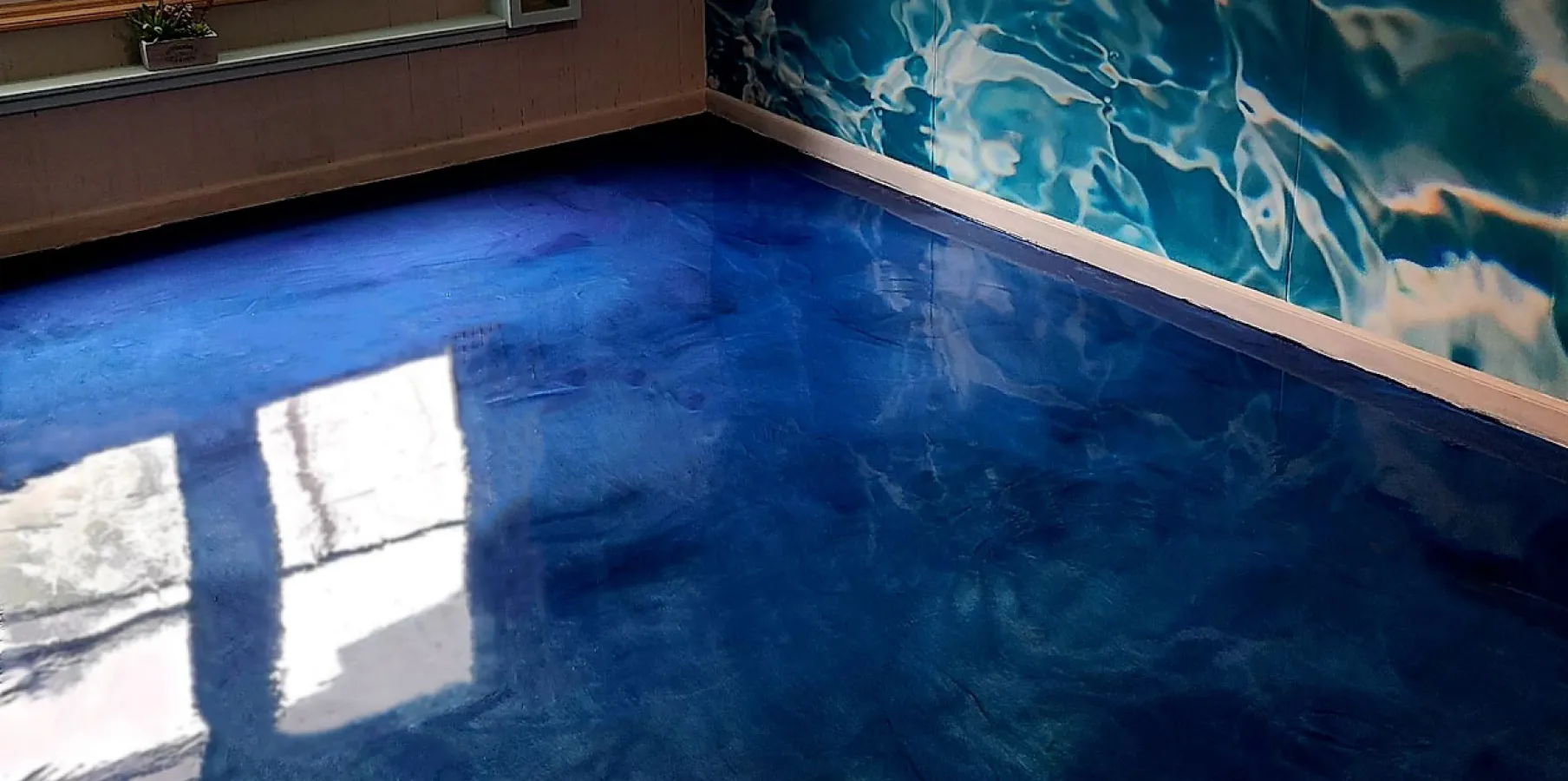
However, the application of epoxy paints comes with its own set of challenges. Achieving the perfect finish demands a meticulously prepared surface; any remnants of dust, dirt, or previous coatings can compromise the paint's bonding ability. During the application, epoxy paints are known to emit potent fumes, which not only necessitate protective gear but also demand well-ventilated spaces. Patience is also a virtue with these paints; their curing process can span several days, during which the floor remains out of commission. While they are generally resilient, prolonged exposure to direct sunlight might result in some epoxy paint discoloring or developing a yellow hue.
Finishes
Leggari
Epoxy paints can be modified to offer a variety of finishes to meet both aesthetic and functional needs:
High-Gloss
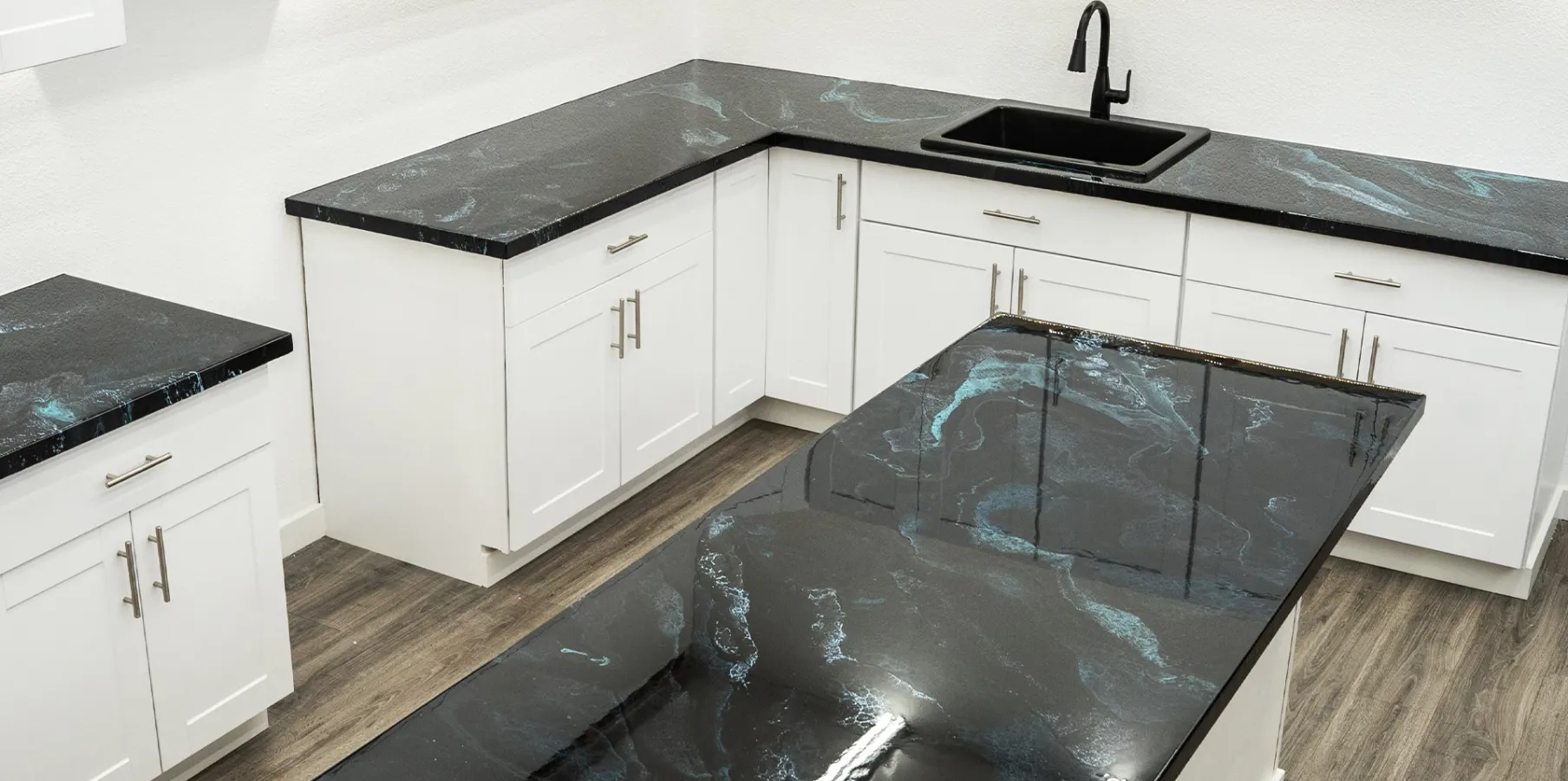
High-gloss epoxy paints are one of the most sought-after finishes due to their luminous and polished appearance. The shiny, reflective surface adds a touch of sophistication and optimizes the light distribution in a space. This can be especially beneficial in areas with limited natural light or in spaces where a vibrant, clean look is desired. The reflective nature can, however, amplify any surface imperfections, so thorough preparation before application is essential.
Semi-Gloss
Striking a balance between shine and subtlety, semi-gloss epoxy finishes are versatile and fit well in various environments. While they offer some level of reflection, it's subdued compared to the high-gloss variant. This makes it suitable for areas where a gloss touch is desired without a high-gloss finish's intense reflection. It's a popular choice for spaces that serve both functional and aesthetic purposes, such as commercial showrooms or lobbies.
Matte
The matte finish in epoxy paints provides a modern, understated look. It delivers a flat, non-reflective finish perfect for spaces aiming for a minimalistic or contemporary vibe. The lack of sheen helps mask minor imperfections on the surface, making it a forgiving option for older floors or those with minor blemishes. However, while matte finishes are stylish, they might not showcase the depth and richness of the epoxy and glossier options.
Textured
Safety and functionality are paramount in certain areas, and this is where textured epoxy paints come into play. A textured finish is achieved by incorporating granules or other aggregates into the epoxy mix. This added texture can significantly enhance grip, making floors more slip-resistant. It's an excellent choice for environments that might get wet or oily, such as garages, workshops, or industrial kitchens. Beyond the functional aspect, textured finishes can also add a unique visual appeal, providing a tactile depth to the floor's appearance.
Environmental Considerations
Leggari
One of the primary concerns surrounding epoxy paints is their VOC (Volatile Organic Compounds) content. Specific formulations of epoxy paints have a high VOC concentration, which means they release harmful compounds into the air during curing. This poses potential health risks for those in proximity and contributes to air pollution and indoor air quality degradation, making adequate ventilation crucial during application.
Looking at the brighter side, epoxy paints are renowned for their longevity. The intrinsic durability of these paints means that surfaces coated with them often do not need repainting for extended periods. This extended lifespan reduces the consumption of paint materials over time, leading to fewer manufacturing processes, lower transportation needs, and, by extension, a smaller carbon footprint. From this perspective, the durability of epoxy paints is an environmental advantage, as it potentially leads to decreased environmental impact over a surface's life cycle.
Cost Considerations
Epodex
Initially, epoxy paints can be more expensive per gallon than traditional paints. However, it's crucial to juxtapose this upfront cost against the long-term benefits they provide. The superior durability and resistance to wear and tear inherent to epoxy paints often translate to fewer maintenance expenses over the paint's lifespan. While there might be a higher initial outlay, the potential savings from reduced maintenance and repainting can offset this cost in the long run.
However, applying epoxy paints can be more intricate than using standard paints. Due to this complexity, a professional application might be advisable, which can increase the project's overall cost. Yet, despite these cost considerations, epoxy paints remain invaluable in scenarios where durability, chemical resistance, and low maintenance are critical. Their unique attributes ensure that they continue to hold a significant position in both commercial and residential spheres, justifying their price for many users.
While epoxy paints might not be suitable for all scenarios, their unmatched resilience, varied aesthetic options, and ease of maintenance make them invaluable for specific applications, especially in high-wear and chemically exposed environments.
Keep reading
More from the library


