High-Voltage Electrical Outlets: Types, Uses and Safety Tips
In the age of technological advancements and increasing demands for powerful appliances, the role of high-voltage outlets in our homes and garages has become increasingly crucial. These are not the standard outlets we are accustomed to; they are designed to handle substantial energy needs for appliances that our traditional outlets simply cannot.
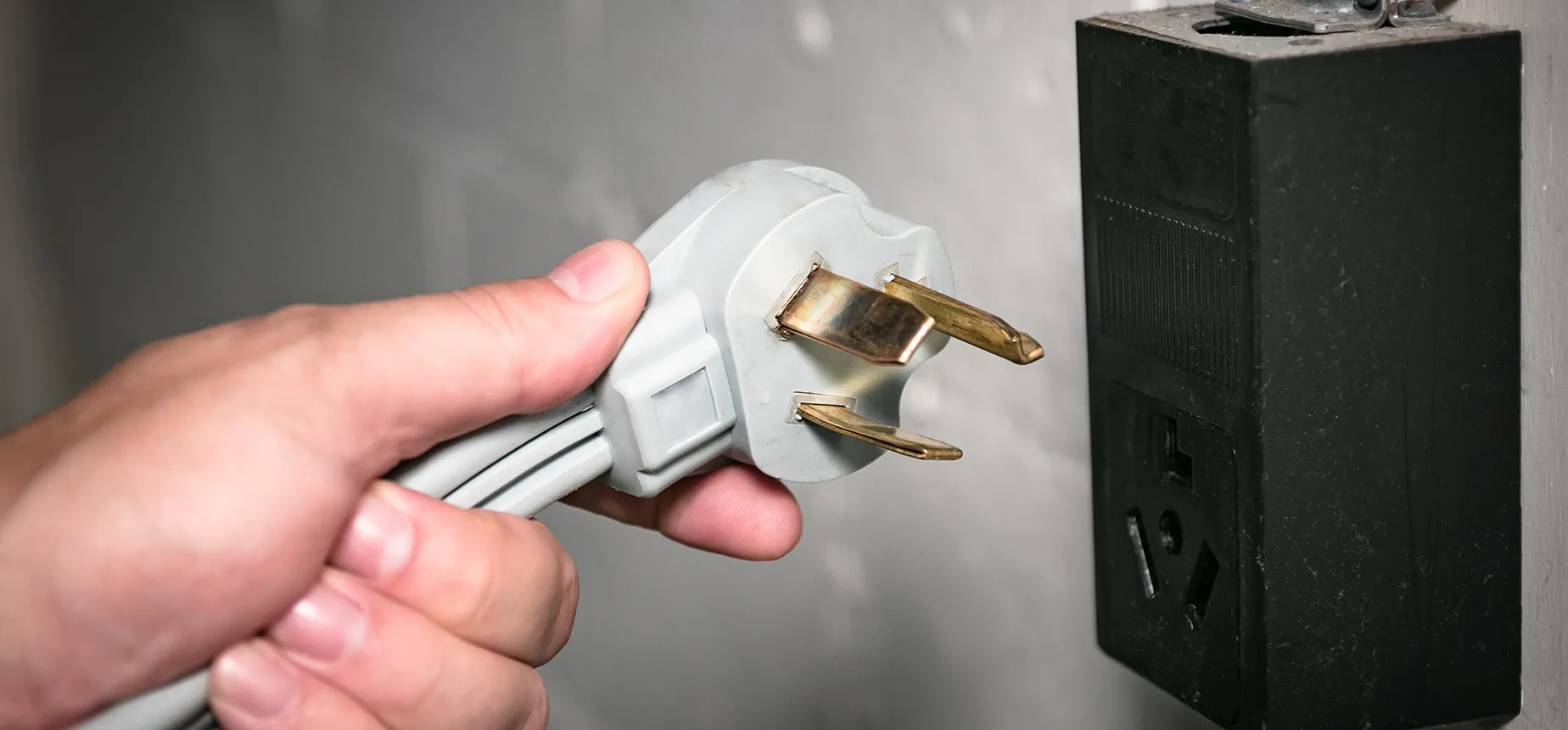
Safety has always been paramount when it comes to electrical connections. High-voltage receptacles are engineered with unique slot configurations to prevent the accidental insertion of standard 120-volt plugs, thereby protecting the equipment and user. Appliances like refrigerators and washers, which demand a robust 20-amp current and beyond, are often powered by 125-volt outlets. These can be identified by their distinct three-prong configuration, which includes a horizontal or T-shaped pin on the left side.
Different Types of High-Voltage Outlets
Petra
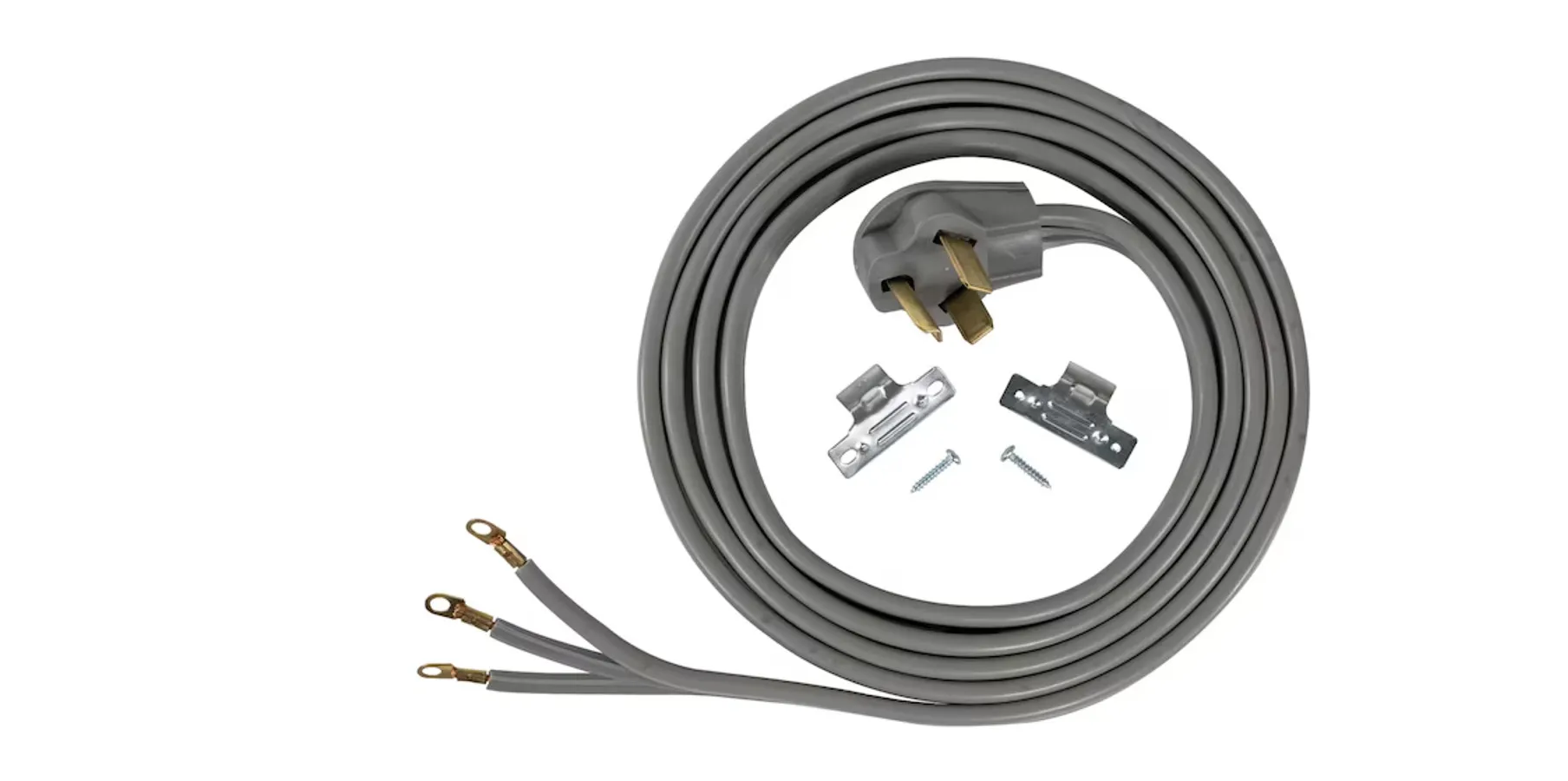
High-voltage outlets are designed to meet the demands of appliances and equipment requiring more power than standard outlets can supply. These outlets come in various types, primarily distinguished by voltage and amperage ratings, such as 220-volt, 240-volt, and even 250-volt configurations. In many homes, 220-volt outlets power large appliances such as dryers, ovens, and air conditioning units and charge electric vehicles. "220-volt" is often used interchangeably with "240-volt" in residential settings. However, the supply voltage can vary slightly due to electrical grid differences and is typically within the range of 220 to 240 volts in North America.
Appliances and Equipment with Heightened Energy Needs
Sub-Zero - Wolf
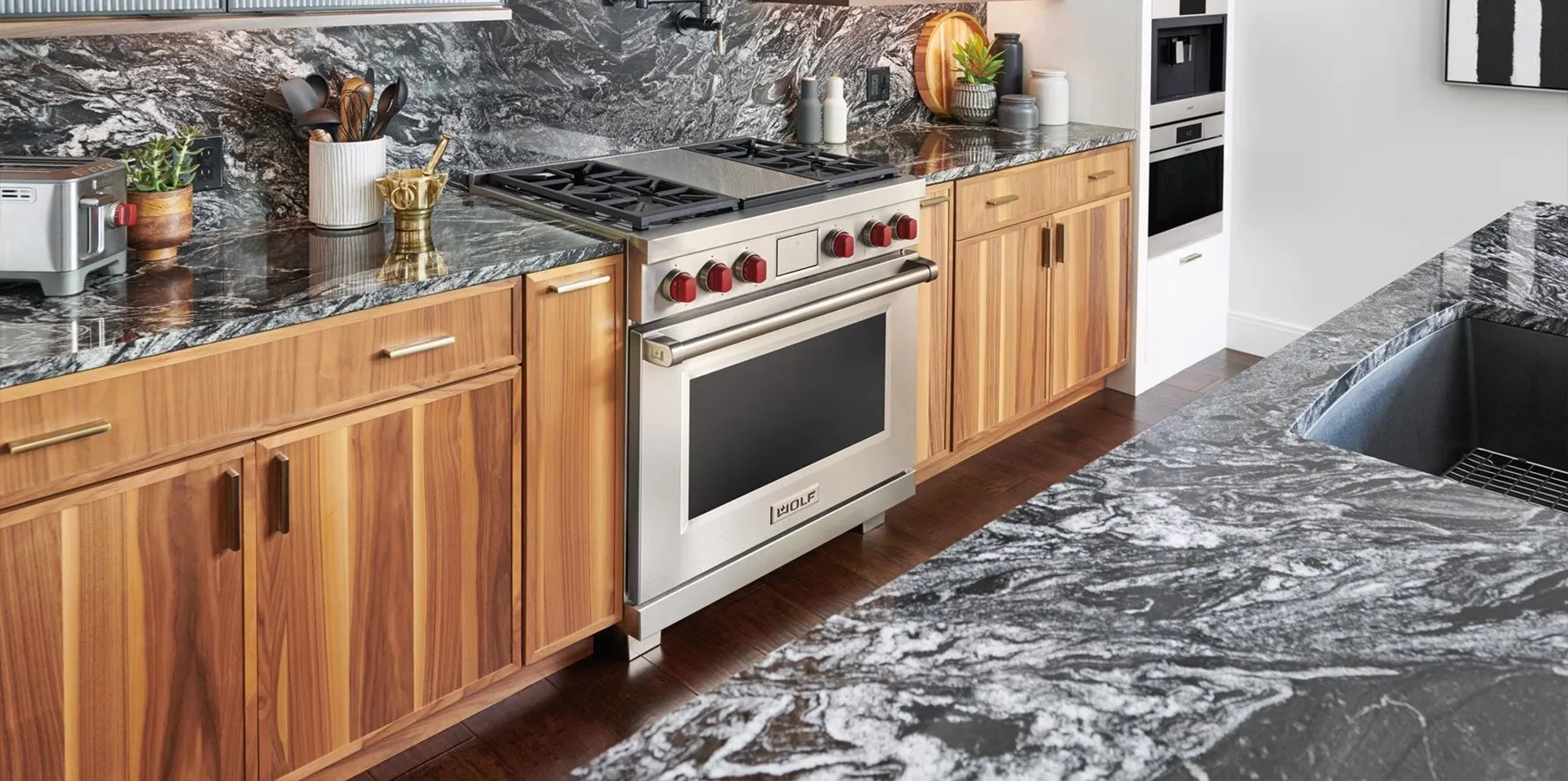
- Ranges and Ovens: Multi-burner cooking ranges and expansive ovens tend to draw significant power and may require a high-voltage outlet.
- Air Conditioners: High-capacity units designed to cool entire homes often exceed the capabilities of standard outlets.
- Washing Machines and Dryers: Modern, high-efficiency laundry machines may require high-voltage connections to function correctly.
- For the Contemporary Garage: The rise in electric vehicle ownership means garages are increasingly equipped with outlets to support EV chargers. Electric vehicles typically require a 240-volt outlet for Level 2 charging, which significantly speeds up the charging process compared to the standard 120-volt outlet.
Professional Installation and Safety Inspections
Leviton
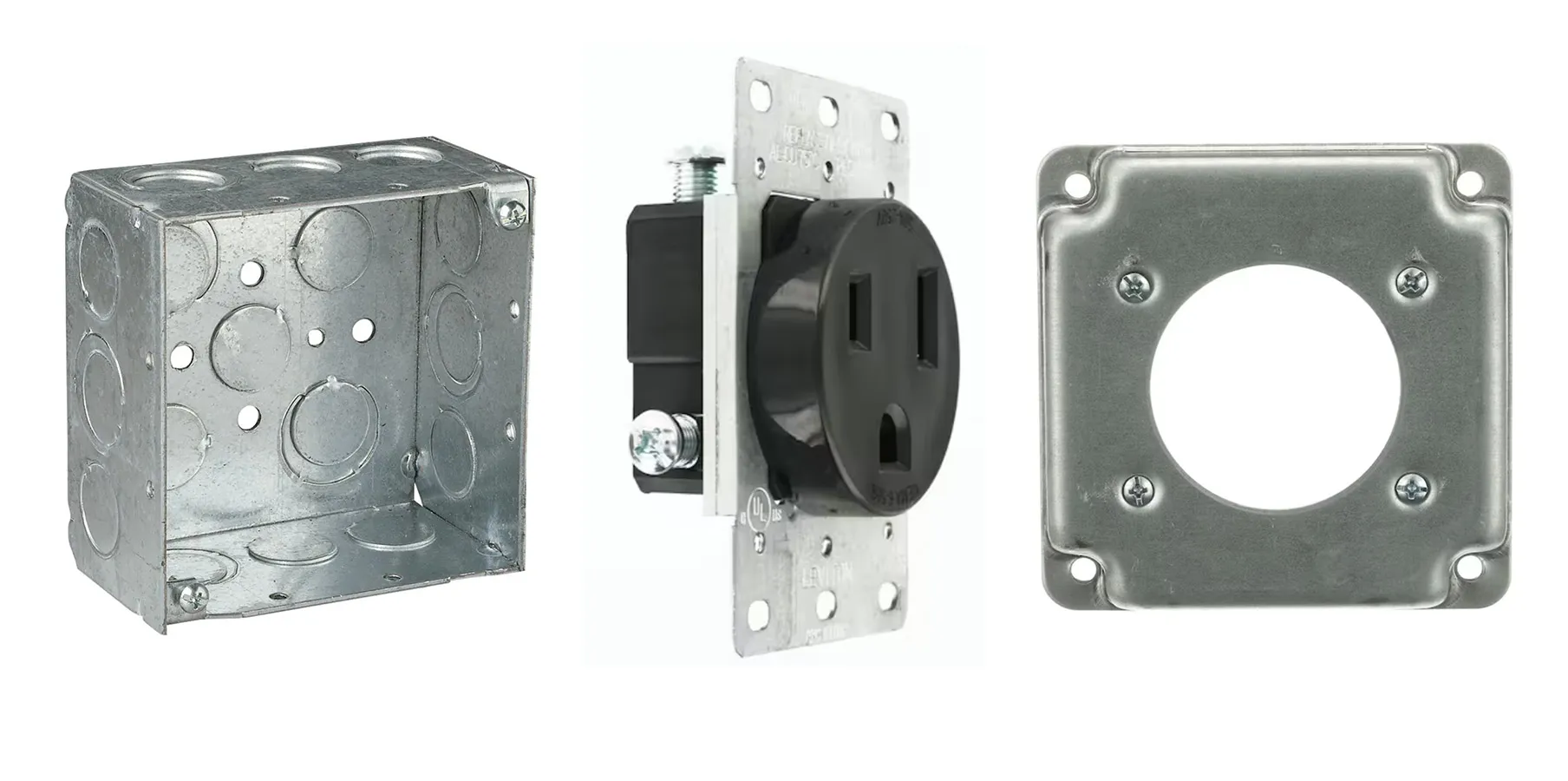
If homeowners are considering upgrading existing standard outlets to high-voltage ones, they must recognize potential retrofitting challenges. This might involve using thicker gauge wires or adjusting the electrical panel. These outlets also demand specific circuit breakers, so ensure your home's electrical panel can support these to prevent overloads and subsequent power disruptions. Given their size, it's essential to check for adequate wall space and depth to accommodate these outlets. While these outlets and installation might be more expensive, their safety and efficiency often justify the cost.
Given high-voltage outlets' complexities and potential risks, a professional electrician should always handle installation and maintenance. A qualified electrician can ensure the installation complies with all local building codes and electrical standards and properly integrates with your home’s existing electrical system. Regular safety inspections conducted by professionals can help identify and rectify any wear and tear or damage that might compromise the safety or efficiency of high-voltage outlets, maintaining their safe operation over time.
Conclusion
Understanding the specifics of high-voltage outlets, including the different types available and the importance of professional installation, is crucial for homeowners upgrading their electrical systems. These outlets play a vital role in powering high-demand appliances and equipment safely and efficiently. By ensuring that high-voltage outlets are correctly installed and regularly maintained, homeowners can enjoy the benefits of their powerful appliances and tools with peace of mind, knowing their electrical system is safe, compliant, and capable of meeting their energy needs.
Keep reading
More on Outlet


