
Hiring a General Contractor: What to Know Before You Sign
General contractors play a crucial role in the success of home improvement projects, acting as the linchpin between the homeowners' visions and the tangible completion of their projects. They bring a wealth of practical experience, overseeing the construction or renovation from start to finish and ensuring that the project adheres to the agreed timeline, budget, and quality standards. A general contractor's responsibilities include sourcing materials, hiring and managing subcontractors, obtaining permits, and ensuring all work complies with building codes and regulations. Their involvement is instrumental in translating complex architectural designs into functional living spaces, making their selection a key decision for homeowners.
Selecting a General Contractor
Define Your Project Goals

Before searching for a general contractor, you must clearly define your project's scope, desired outcome, and specific requirements. This understanding is crucial for effectively communicating your needs and finding a contractor whose skills and experience match your project. Whether you're planning to remodel your kitchen, add an extension, or undertake a complete home renovation, knowing precisely what you aim to achieve will help keep you and your contractor focused on the objectives of your project.
Research and Recommendations
Start by researching general contractors who specialize in the project you're planning. Online reviews, portfolio websites, and social media can provide insights into their work quality and customer satisfaction. Additionally, personal recommendations from friends, family, or professionals within the industry can be invaluable. These firsthand accounts can offer a glimpse into the contractor's reliability, communication style, and ability to stay on budget and schedule.
When gathering recommendations, consider asking specific questions that shed light on the contractor's performance, such as their ability to handle unexpected challenges, adherence to the initial quote, quality of workmanship, and the overall client experience. This information can help you create a shortlist of potential contractors to consider for your project. Here are some key questions you might consider asking:
- How was your communication with the general contractor? This question helps assess the contractor's responsiveness, clarity in conveying information, and effectiveness in informing you about the project's progress.
- Did the general contractor complete your project on time? Understanding contractors' ability to adhere to schedules provides insight into their project management and organizational skills.
- How did the general contractor handle unexpected issues or changes during the project? This can inform you about their problem-solving capabilities, flexibility, and how they manage the inevitable challenges that arise during construction.
- Were you satisfied with the work's quality and the project's outcome? This question evaluates the overall satisfaction with the contractor's workmanship and whether the project met or exceeded expectations.
- Did the project stay within the agreed budget? Inquiring about budget adherence helps you understand the contractor's financial management skills and their ability to provide accurate estimates and control costs.
- How did the general contractor contribute to the planning and design process? This helps you gauge their ability to provide practical input, suggest improvements, and work collaboratively with architects or designers.
- Would you hire this general contractor again for a future project? A client's willingness to rehire a contractor strongly indicates their trust and satisfaction with the contractor's service.
- How did the general contractor manage their subcontractors and ensure quality work? Since general contractors often hire and oversee subcontractors, knowing how they select, manage, and hold them accountable for quality is crucial.
- Can you provide examples of how the general contractor went above and beyond for your project? Specific instances where the contractor exceeded expectations can highlight their dedication, creativity, and value addition to a project.
- Did the general contractor assist you in making material and finish selections? This question reveals the contractor's level of involvement and expertise in guiding choices that impact the project's aesthetics and functionality.
- These questions aim to provide a comprehensive understanding of the general contractor's approach to project management, communication, and quality of work, helping you make an informed decision for your construction project.
Review Their Portfolio

Evaluating a contractor's portfolio is crucial in determining their ability to manage your project effectively. Look for projects in their portfolio that resemble your desired improvement project's size, style, and complexity. Finding such examples can strengthen your trust in their ability to realize your vision and inspire your project. Contractors with extensive experience typically boast a varied portfolio, showcasing their flexibility and skill in tackling different design concepts and overcoming construction obstacles.
The importance of hiring a general contractor with specific experience related to your project cannot be overstated. Contractors with a track record of success in projects similar to yours bring a deeper understanding of the unique challenges and requirements involved. This experience can lead to more accurate cost and time estimates and a smoother construction process, as they will likely anticipate potential issues before they arise.
Check Credentials and References
Verifying a general contractor's credentials is a critical step in the selection process. Ensure they are licensed, insured, and in good standing with relevant professional associations. This assures their professionalism and commitment to adhering to industry standards.
Contacting references provided by the contractor offers an opportunity to ask about their experience regarding the contractor's communication, problem-solving abilities, quality of work, and whether the project was completed on time and within budget. Positive feedback from past clients can be a strong indicator of the contractor's reliability and quality of service.
Conduct Interviews
Meeting with potential contractors lets you discuss your project in detail, understand their approach, and assess whether their communication style and work ethic match your expectations. This is also an opportunity to discuss your budget and timeline, addressing any concerns or special requirements you may have. A successful contractor-client relationship is built on clear communication and mutual understanding, so you must feel comfortable and confident in your contractor's ability to deliver.
Assess Compatibility
The dynamic between you and your contractor is critical to the success of your project. Look for a skilled, experienced contractor, attentive to your needs and open to your ideas. They should be willing to collaborate closely with you, offering professional advice and alternatives when necessary, but always with respect for your vision and preferences.
Understand Their Fee Structure

Understanding the fee structure of your general contractor is a critical aspect of your project's financial planning. Contractors might utilize a range of pricing models, such as fixed bids, cost-plus contracts, or a hybrid of these methods. Fixed bids provide a clear and predictable cost upfront, which simplifies budgeting and places the risk of cost overruns on the contractor. This predictability is particularly appealing for projects with a well-defined scope. However, this model may lead to higher initial quotes, as contractors often incorporate a buffer to account for unexpected expenses. Additionally, there's a potential for quality to be compromised if the contractor seeks to cut costs.
On the other hand, cost-plus contracts offer flexibility and transparency, allowing project adjustments without renegotiating the entire agreement. This model is advantageous when project details are likely to evolve, as it accommodates changes in scope or materials more smoothly. However, the downside includes less predictability in overall costs, with the risk of overruns falling to you, the client. This structure demands more involvement in the project to monitor expenses, which can be both a burden and an opportunity for those who prefer to be closely involved in their project's development.
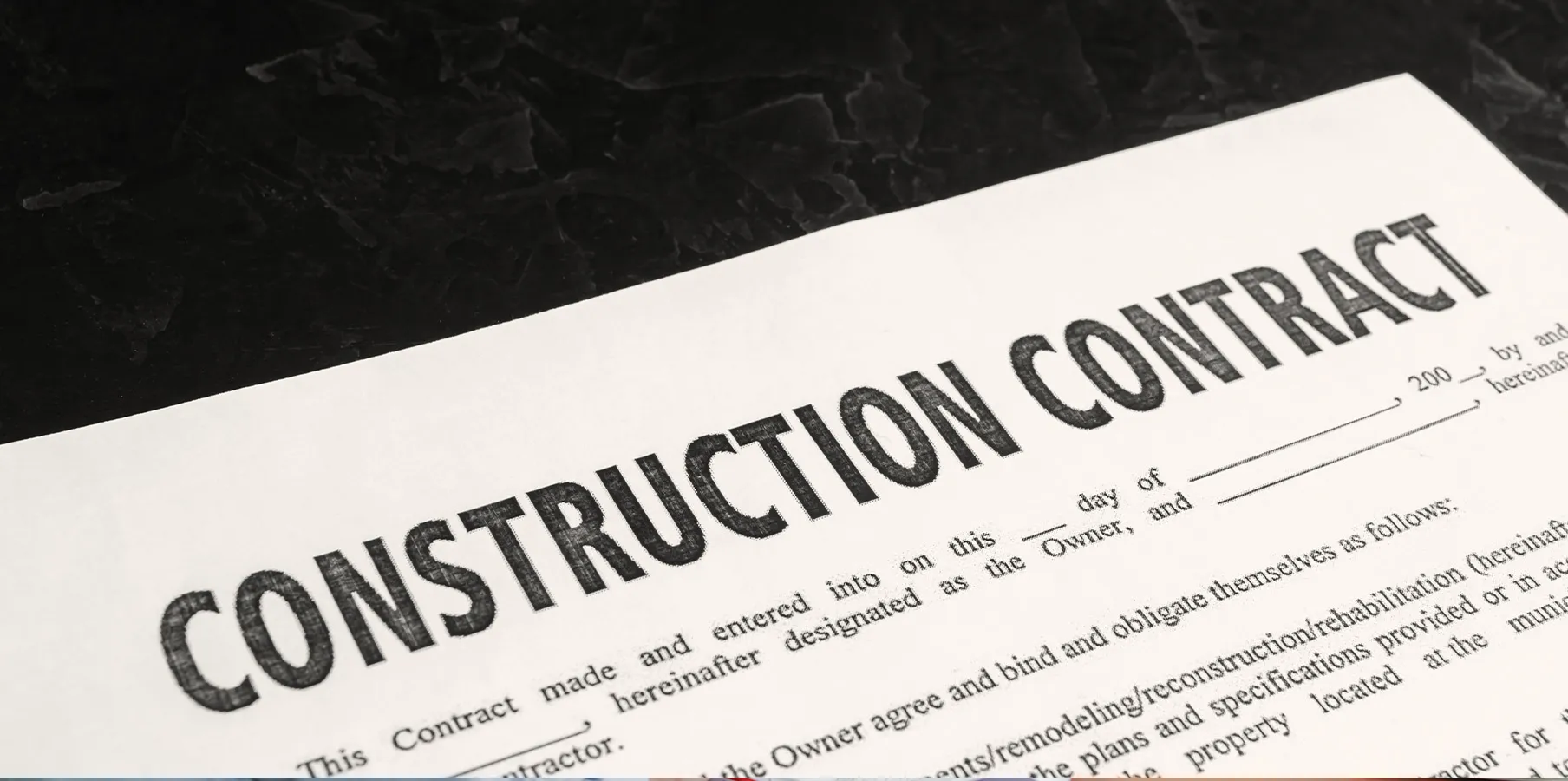
Knowing precisely how your contractor plans to bill for their services is crucial for effectively managing your budget. It's important to have a detailed and transparent contract in place. This contract should clearly outline the project's scope, payment schedules, and specific procedures for addressing any changes to the initial plan. Such clarity ensures both parties understand their financial obligations and the project's expectations.
Additionally, the contract should specify how unforeseen expenses or overruns will be managed. Understanding these elements can help avoid disputes and ensure a smooth financial process throughout the construction. It also allows for better communication between you and your contractor, as clear guidelines are established for handling any modifications to the project scope or costs, ensuring transparency and trust during the project's duration.
Initial Meeting

The initial meeting with a general contractor sets the foundation for communication, understanding, and collaboration between you and the contractor. The contractor should arrive prepared, reviewing any information you provided beforehand, such as project plans or ideas. Here's what the meeting should ideally encompass:
Project Overview: Discuss your project in detail, including your vision, goals, and any specific requirements or challenges you foresee. This is the time to present any plans, drawings, or inspiration images to help the contractor fully grasp what you're aiming for.
Contractor's Credentials: The contractor should provide an overview of their qualifications, experience, and some examples of past projects similar to yours. This helps establish their capability to handle your project.
Scope of Work: Discuss the scope of work in detail, including all the tasks that need to be completed. This should cover everything from demolition, if applicable, to final touches. Understanding the scope helps estimate time and cost more accurately.
Budget and Timeline: Talk about your budget expectations and timeline. While it might be too early for precise figures, discussing these gives the contractor a clear idea of your constraints and priorities. They can also inform you about the feasibility of your project within those constraints.
Fee Structure and Payment Terms: Understanding how the contractor charges for their services is essential. Whether they operate on a fixed bid, cost-plus, or another fee structure, ensure you know what to expect. Discuss payment schedules and terms clearly to avoid confusion later on.
Communication and Project Management: Establish how communication will be handled throughout the project. Ask about the frequency of updates, the preferred mode of communication (email, phone, in-person meetings), and who your direct point of contact will be.
Next Steps: End the meeting with a clear understanding of the next steps. This might include a more detailed site assessment, developing a more precise estimate, or preparing a formal proposal.
Questions and Concerns: Allocate time for any questions or concerns. This could relate to how changes in the project scope are handled, how unforeseen issues are dealt with, or any other aspect of the project you're curious or uncertain about.
This meeting is about getting to know the contractor's capabilities and establishing a rapport and communication style that will work for both parties throughout the project. It's a good opportunity to assess whether the contractor is a good fit for your project in terms of their skills and experience, communication style, and project management approach.
Initial Meeting Red Flags

When meeting with a general contractor for the first time, observing and evaluating their professional behavior and responses is crucial. This initial encounter is a foundational assessment, enabling you to discern their suitability for your project. Critical indicators of potential concerns—red flags—can emerge during this meeting, offering insights into the contractor's reliability, expertise, and communication style. Recognizing these red flags early on can steer you away from problematic engagements and towards a more fruitful and stress-free collaboration. Here's what to watch for in your first meeting: these warning signs can significantly impact your project's success and smooth operation.
Lack of Punctuality: Arriving late to the initial meeting without a good reason can indicate poor time management.
Vague Answers: Be wary of non-specific answers to your questions about timelines, costs, or process details.
Pressure to Commit: High-pressure tactics to sign a contract or make a deposit on the spot are concerning.
Lack of References or Portfolio: Hesitation to provide references or show previous work can indicate inexperience or past issues.
Unwillingness to Listen: If a contractor talks over you or dismisses your ideas and concerns, it may indicate communication issues later.
No Proof of Insurance or Licensing: Contractors should readily provide proof of insurance and any required licensing.
Overpromising: Be cautious of promises that seem too good to be true, such as extremely low bids or unrealistic timelines.
Poor Communication Skills: Effective communication is key to a successful project; difficulties during the initial meeting may predict future problems.
The initial meeting is your opportunity to assess whether a contractor is a good fit for your project. Paying attention to these aspects and red flags can help you make an informed decision and establish a solid foundation for your project.
The General Contractor's Role During Construction
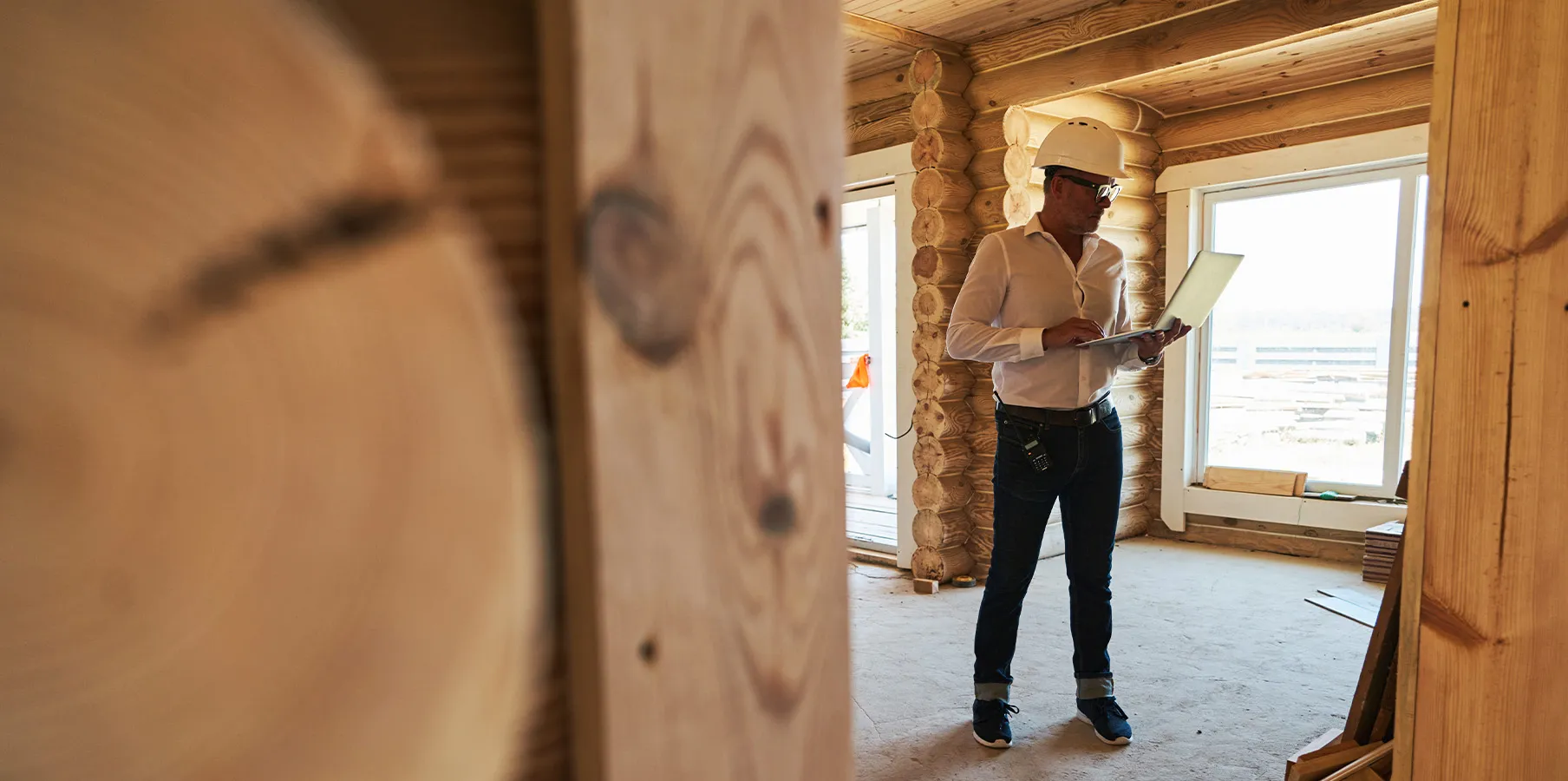
The general contractor assumes a pivotal role during construction, orchestrating the project's progression from inception to completion. This individual is tasked with the comprehensive management of day-to-day operations on-site, ensuring the project unfolds according to the established timeline, remains within budget, and adheres to predefined quality standards.
Initially, the contractor collaborates with the client and architect to refine the project's plans and schedules, laying the groundwork for a seamless execution phase. A crucial aspect of their role involves selecting and overseeing subcontractors responsible for executing specific construction components, such as plumbing, electrical work, and carpentry, ensuring these specialists deliver quality workmanship and adhere to the project's timelines.
Additionally, the general contractor procures all necessary materials and equipment, which demands a keen eye for quality, cost-efficiency, and timely delivery to avoid project delays. Quality control is another critical responsibility; the contractor regularly inspects on-site work to ensure compliance with building codes, regulations, and the project's specifications. This role extends to managing the project's finances—monitoring expenses, approving invoices, and ensuring the project does not exceed its financial boundaries.
Safety management is also a top priority, with the contractor implementing comprehensive safety protocols to safeguard workers and the public, thereby maintaining a secure construction environment. Communication is critical; the contractor acts as the central communication hub, keeping the homeowner or client informed of progress, addressing queries, and swiftly resolving any issues that arise. Moreover, the contractor is adept at problem-solving and is ready to tackle unforeseen challenges, such as delays or labor shortages, ensuring these hurdles are overcome with minimal impact on the project's timeline or budget. In essence, the general contractor's role is integral to the construction process, requiring a blend of leadership, expertise, and diligent management to steer the project to a successful and timely completion.
Conclusion

Choosing the right general contractor significantly influences the outcome of your home improvement project. A contractor's expertise, experience, and ability to communicate and collaborate effectively can make the difference between a stressful renovation and a smooth, successful transformation of your living space. By taking the time to research, interview, and select a contractor who aligns with your project goals and values, you set the foundation for a positive construction experience and a final result that meets, or even exceeds, your expectations.
Keep reading
More on Home Improvement Professionals


