Sub-Zero - Wolf
How to Choose a Kitchen Vent: Style, Noise, and CFM Tips
Sub-Zero - Wolf
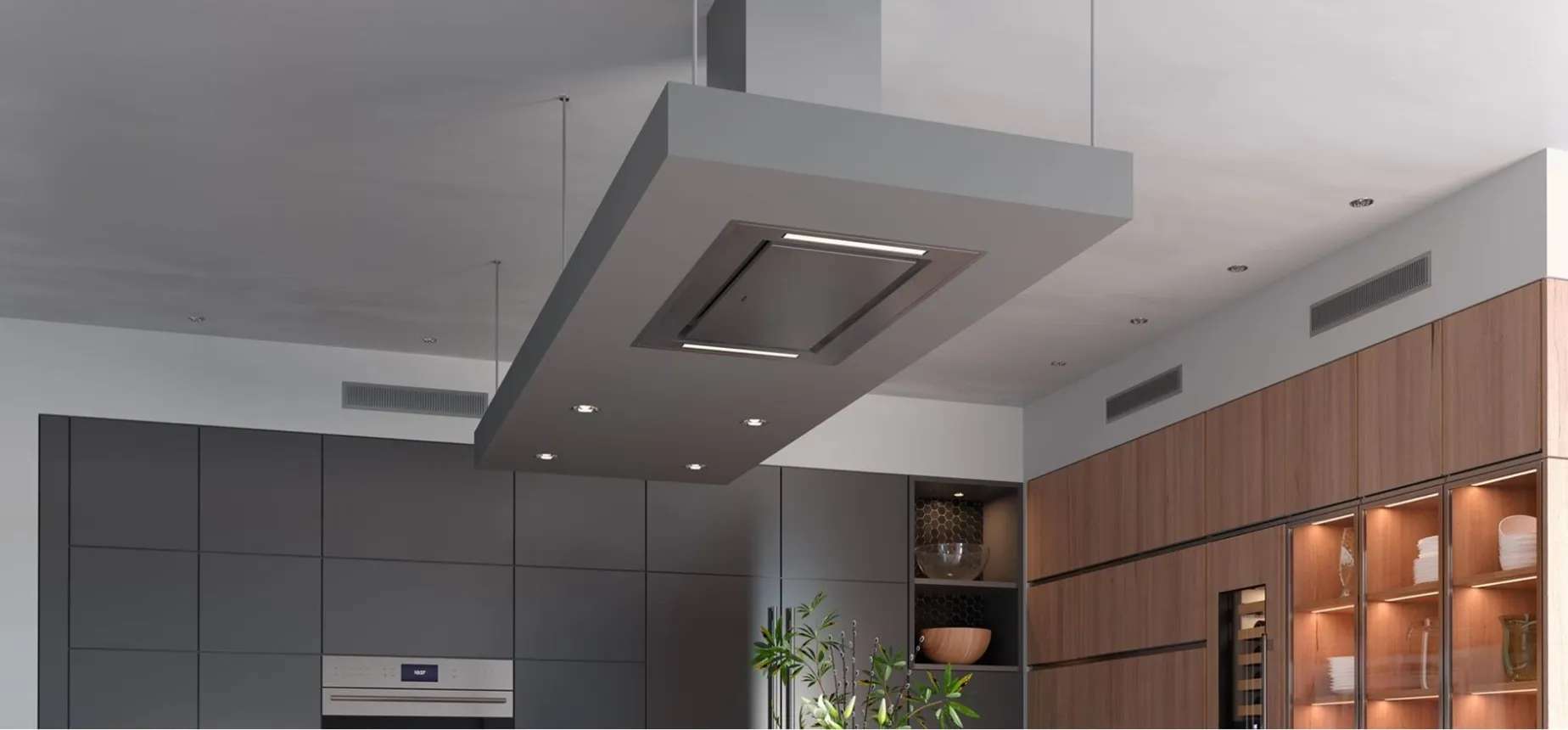
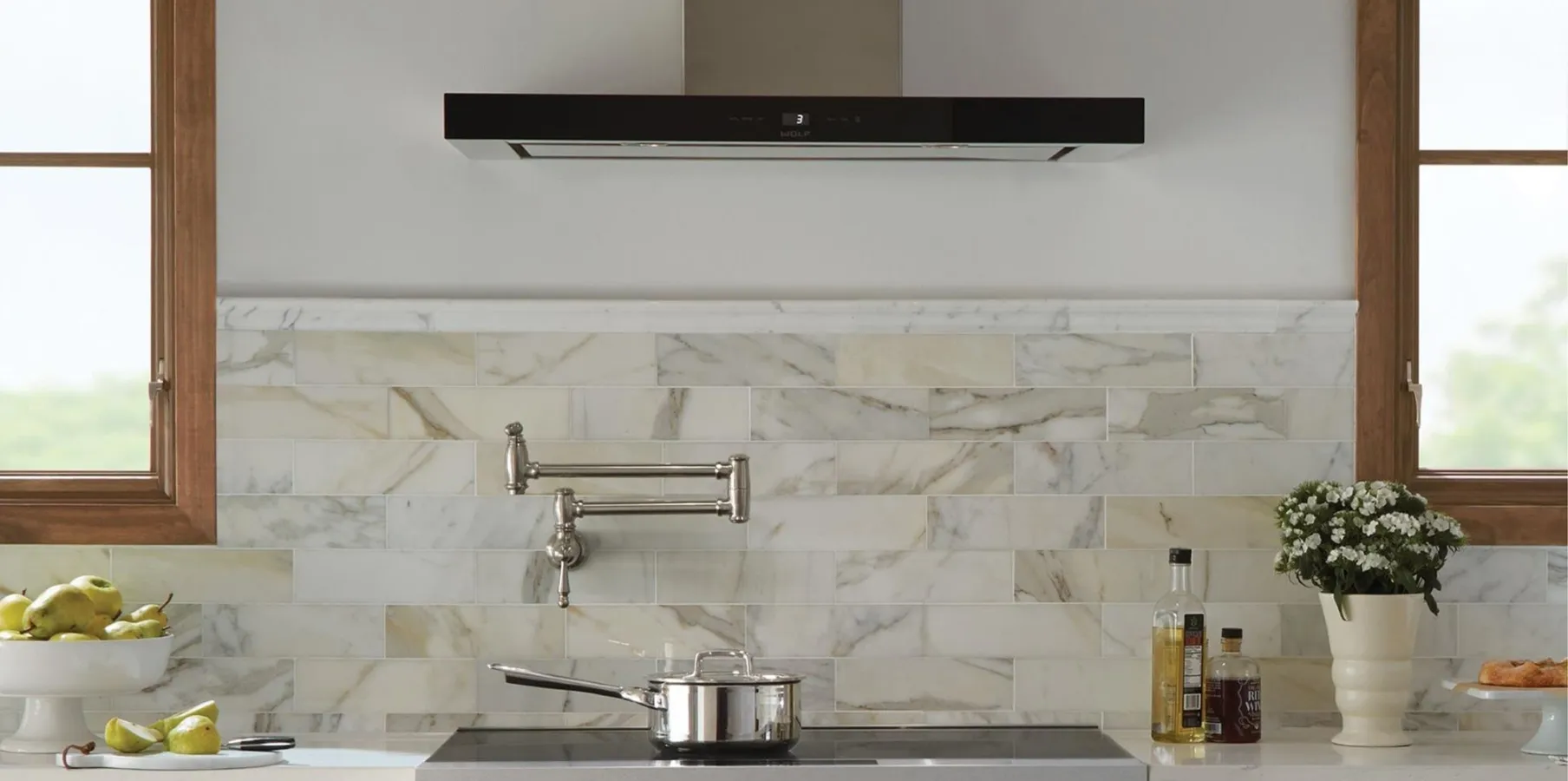
Homeowners have varying tastes when it comes to range hood aesthetics. Some appreciate the shiny allure of a metal or decorative hood and consider it a statement piece in the kitchen paired with the range. Others prefer a more subtle look that seamlessly merges the hood with the cabinetry, making it barely noticeable. Regardless of your choice, experts advise using your range hood regularly to ensure better air quality in your kitchen. This habit plays a crucial role in maintaining a healthier environment.
The Noise Factor
Range hoods are associated with a certain noise level, measured in units of loudness known as sones. The extent of airflow, the hood's design, the fan's performance, and the ductwork's efficiency for directing air outside are key contributors to the sound level. If the noise has deterred you from utilizing a vent, consider investing in a range hood with a low sone rating. Additionally, ensure that the ductwork is installed correctly to optimize the noise reduction efforts.
Sub-Zero - Wolf
Key Factors to Consider
When researching range hood options, it's essential to determine which style will complement your kitchen. Range hoods can be mounted on walls, ceilings, or underneath cabinets, while discreet inserts are tailored for custom cabinetry integration.
Beyond style, other factors include:
Budget: Determine the range that suits your financial scope.
Cooktop Compatibility: Select a hood type that complements your cooktop setup.
Positioning: Evaluate where and how the hood will be placed relative to the stovetop.
Airflow (CFM): Understand the airflow capacity needed for your cooking demands.
Fan Speeds: Assess the range of fan speed options, typically from two to six.
Filters: Consider the type of filters, such as charcoal, stainless steel baffle, or aluminum mesh.
Materials: Harmonize with the materials of your kitchen appliances, aiming for a cohesive design.
As you explore these factors, you can make an informed decision that complements your functional requirements and design preferences.
Keep reading
More on Kitchen Appliance


