VT Industries, Inc.
Laminate Countertop or Backsplash: Costs, Pros and Cons
VT Industries, Inc.
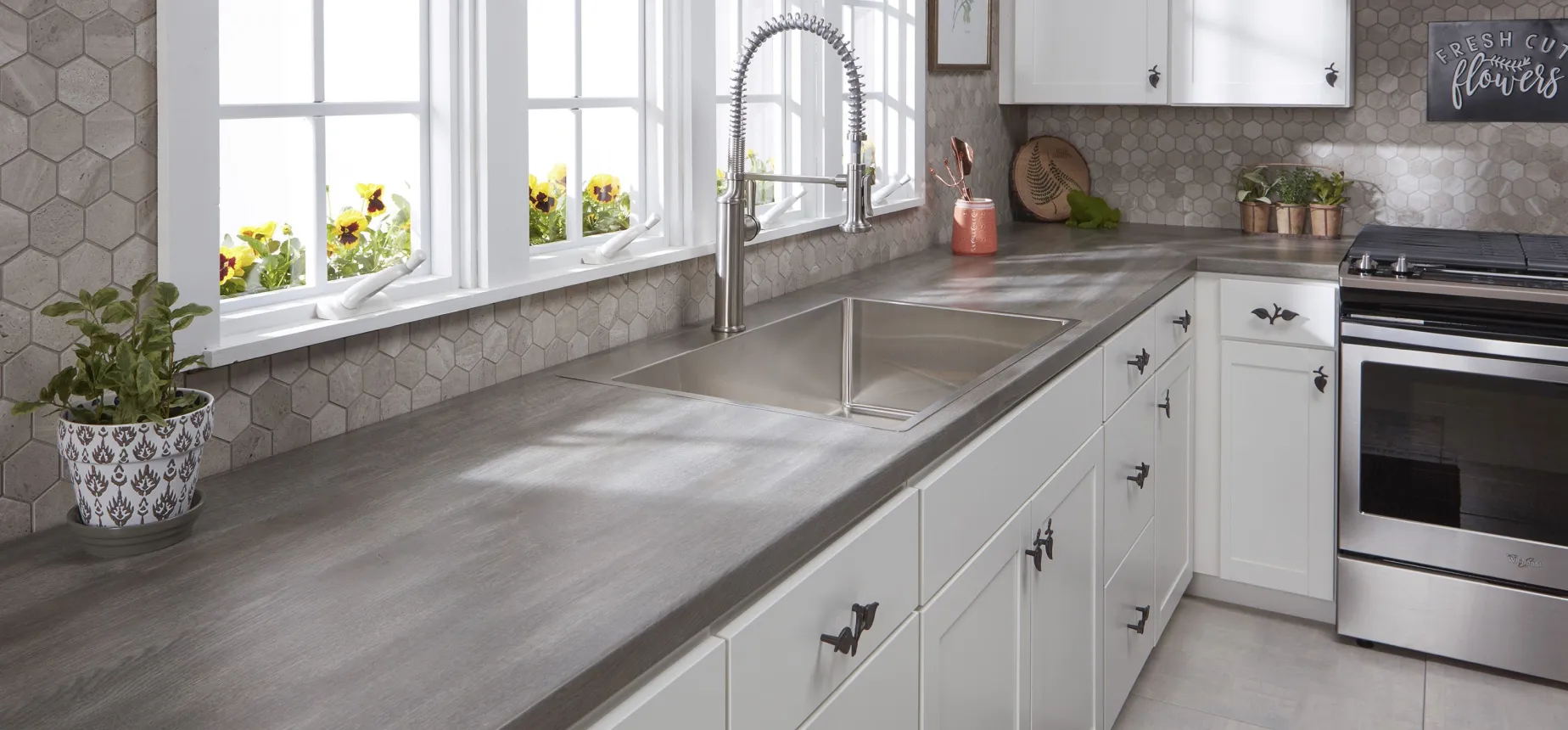
Laminate countertops, known as Formica, have been a staple in kitchens since the mid-20th century. Comprising layers of paper or fabric impregnated with resin, they're subsequently bonded to substrate materials like particleboard, chipboard, or plywood using high heat and pressure. This technique yields a sturdy surface that adeptly imitates pricier materials such as granite, marble, or various wood types but at a more affordable rate. Manufacturing advances have enhanced the quality and design diversity of laminate countertops, granting homeowners an expansive array of aesthetic and functional selections.
VT Industries, Inc.
Laminate Variety and Design
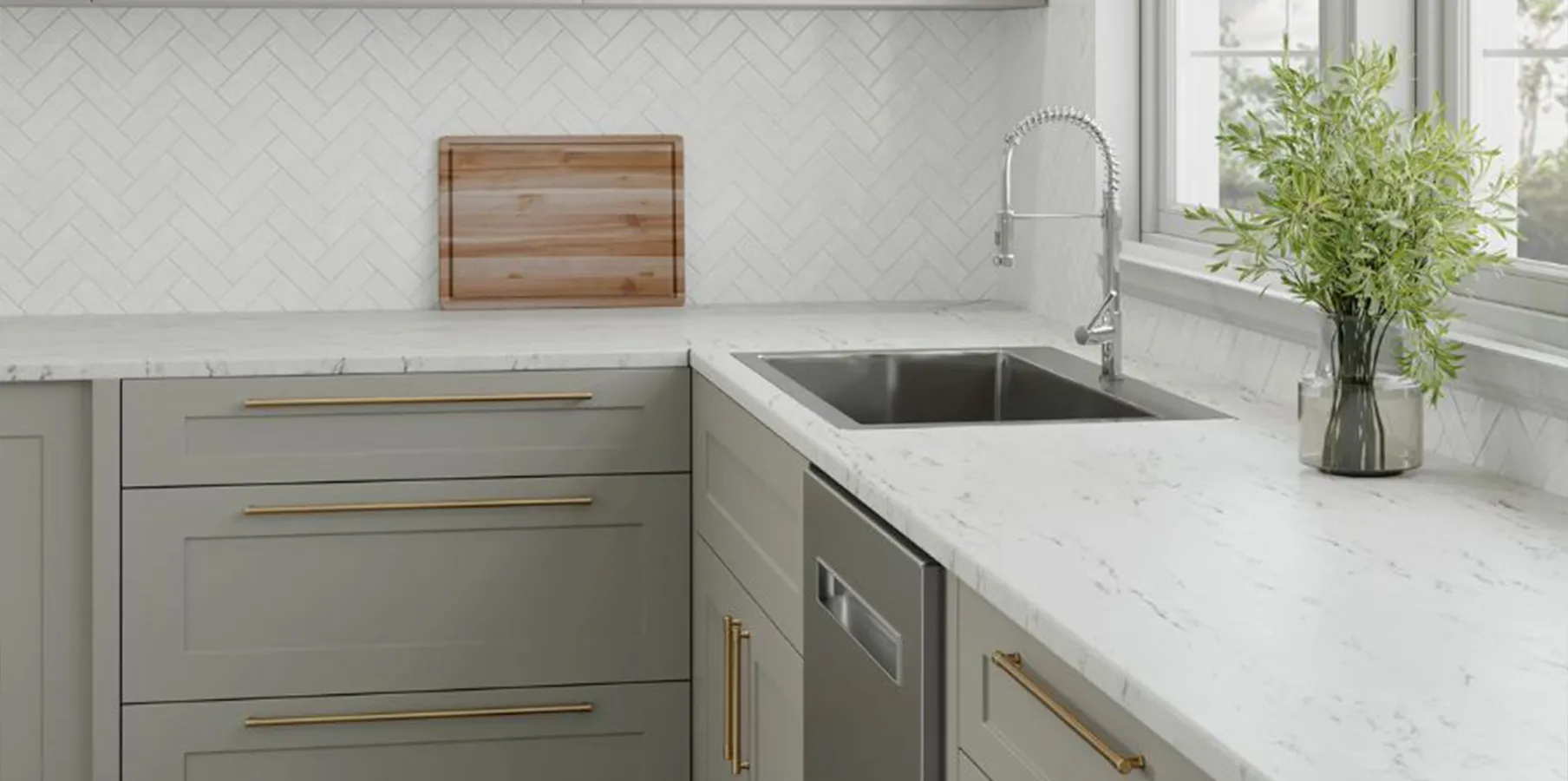
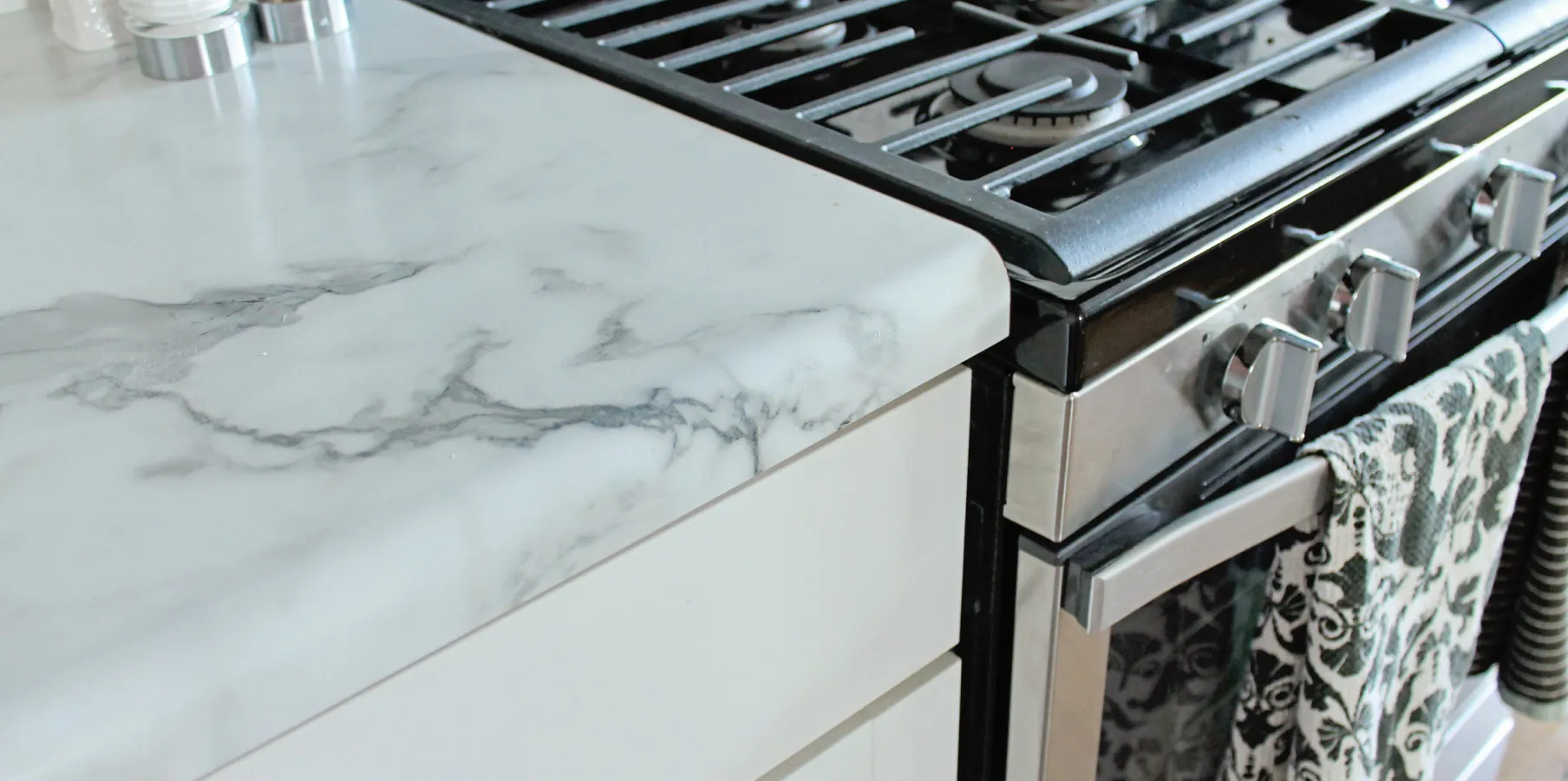
The top layer of laminate countertops and backsplashes showcases the selected design. These designs can range from simple, uniform colors to detailed patterns imitating the appearance of wood, stone, or marble. With the progression of printing technology, the realism and accuracy of these imitative patterns have seen notable enhancements. Historically, laminate countertops predominantly featured standard square edges. However, various edge profiles emerged as manufacturing techniques advanced and consumer preferences evolved. Nowadays, consumers can choose from edges that are beveled, post-formed, or rounded, allowing for greater customization in both form and function.
VT Industries, Inc.
Laminate Advantages
Laminate is often favored due to its cost-effectiveness, presenting an attractive option for those working within a tight budget. This material boasts a non-porous surface, facilitating easy cleaning and offering a commendable resistance to stains. Their lightweight nature also means less demand for heavy-duty support from underlying cabinets.
Another advantage of laminate is its relatively simple installation process. This ease of setup makes laminate an appealing choice for DIY enthusiasts, allowing many homeowners to handle installations without needing professional intervention.
The Drawbacks of Laminate
While offering affordability and various design options, laminate countertops and backsplashes have drawbacks. They are notably less heat-resistant than other materials; placing hot pots directly on them can result in discoloration or warping, a concern for both countertops and areas near stoves or ovens. Additionally, laminate surfaces are not as resistant to scratches or cuts, making cutting boards essential to avoid damage.
Over time, laminate can show signs of wear and tear, such as chipping or peeling, particularly in high-use kitchen areas. Unlike natural stone or solid surfaces, laminate imperfections are difficult to fix as they can't be easily sanded or buffed out. This limitation is important for countertops and backsplashes, where damage might be more visible.
During installation, efforts are made to minimize the appearance of seams. However, despite these efforts, seams may still be noticeable, especially in larger countertop spans or at the junctions where backsplash sections meet. This can impact the overall aesthetic, making seamless integration more challenging than other materials. Thus, while laminate offers practical and economical advantages, these limitations should be considered in planning and usage.
Environmental Impact
Despite their benefits, laminate materials used in countertops and backsplashes have faced environmental concerns. Historically, laminate production has been energy-intensive, contributing to a larger environmental footprint. Additionally, older versions of laminate products were known to contain formaldehyde in their particleboard bases, raising concerns about indoor air quality and health implications.
In response to these issues, the laminate industry has evolved significantly. Modern laminate options for countertops and backsplashes have become more environmentally conscious. Contemporary manufacturers are increasingly incorporating recycled materials into the core of their products, reducing waste and lessening the environmental impact. This shift towards sustainability represents a positive change in the industry, addressing previous environmental concerns while still offering the versatility and affordability that laminate is known for.
VT Industries, Inc.
Cost Considerations
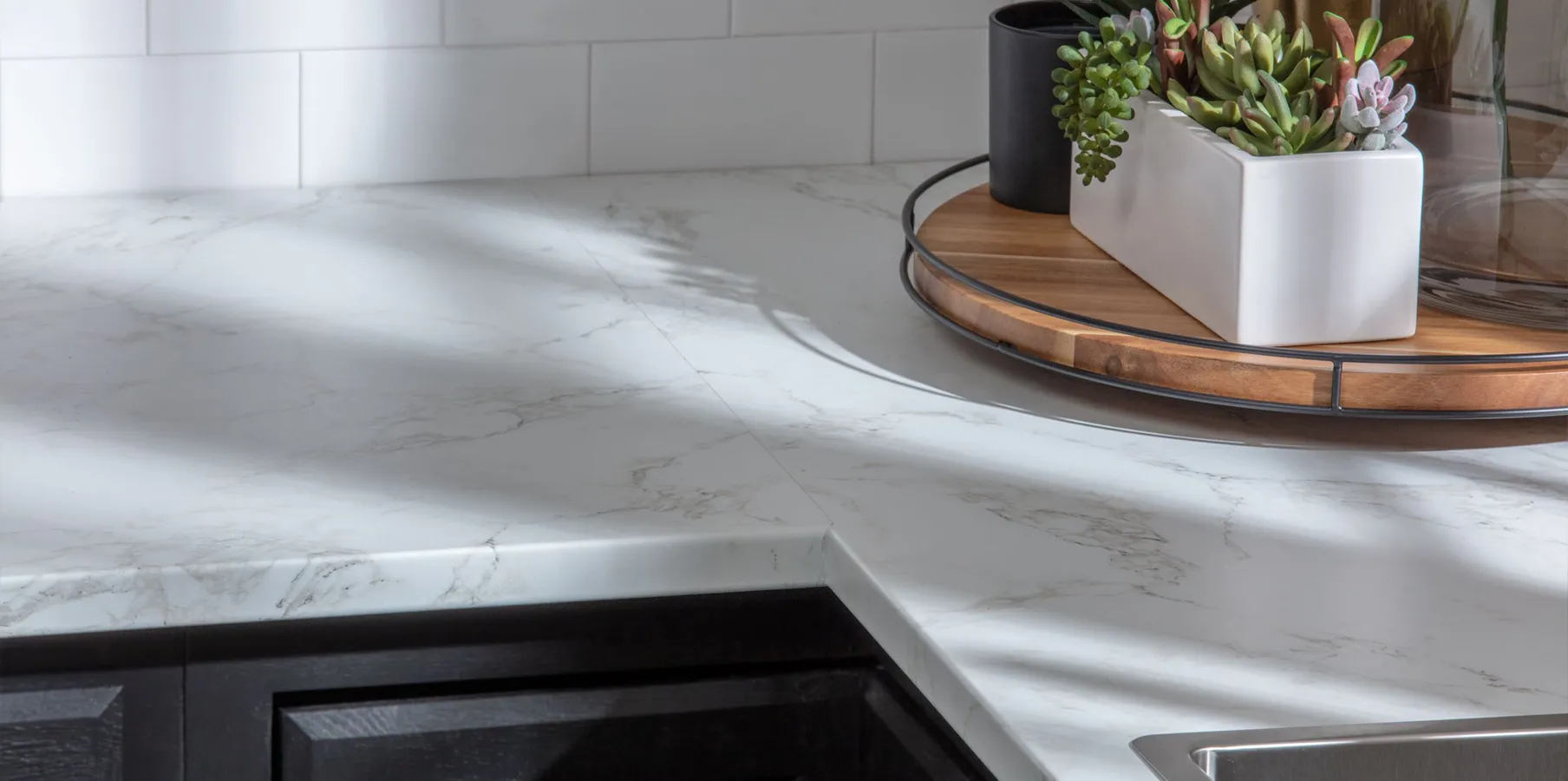
One of the significant advantages of laminates is their cost-effectiveness. Even the higher-end, luxury designs are often considerably cheaper than natural stone or solid surface options. This price efficiency extends to installation, as the process is less labor-intensive than other materials.
While sometimes overshadowed by the allure of natural stone or newer materials, laminate countertops and backsplashes have held their own due to their affordability, range of designs, and ease of maintenance. They offer a practical solution for those seeking a functional, stylish surface without a hefty price tag.
Keep reading
More from the library


