How to Make a Lighting Fixture Plan Before a Renovation
When deciding on lighting replacement during a renovation, the first step is to evaluate your existing fixtures. Check the age and condition of each piece to see if it meets current safety standards and energy-efficiency guidelines. Older lighting fixtures are not just stylistically outdated; they could be less energy-efficient and pose electrical risks. It's important to assess whether your existing fixtures are in good working condition and can safely be retained.
The next step is to make a plan. This is particularly important for multifunctional rooms where the lighting needs may vary depending on the activity. By honing in on specific criteria such as brightness levels, light direction, and fixture style, you can ensure that your selections will be functional and aesthetically pleasing. A well-thought-out plan can make choosing new lighting less overwhelming and more effective.
Purpose and Functionality
Types of Lighting

CHLOE Lighting
Light fixtures can broadly fall into categories based on the kind of light they offer. Some fixtures provide focused, directional light, ideal for tasks requiring attention to detail. This type of lighting is often seen in reading lamps, under-cabinet lights in kitchens, or spotlighting for artwork.
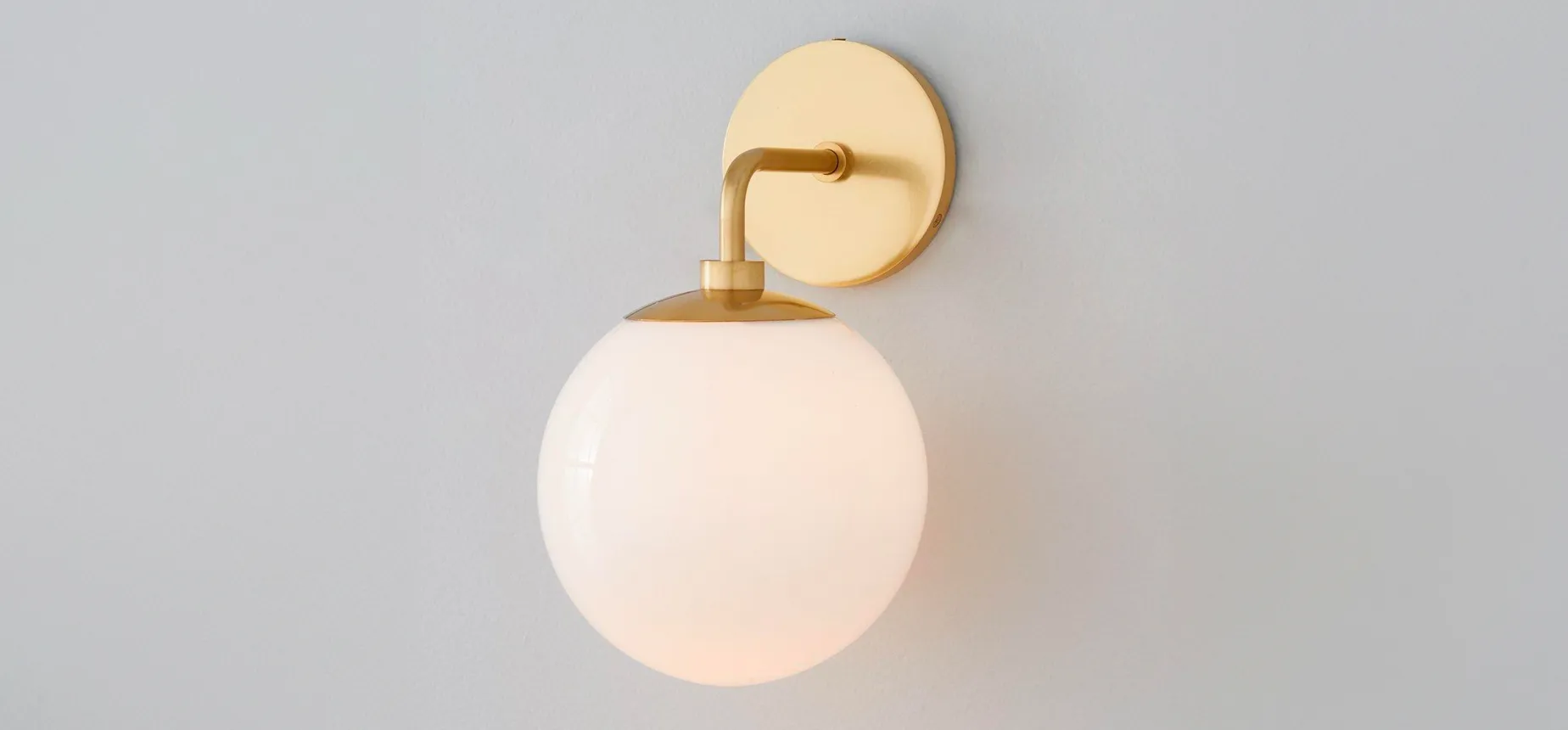
On the other end of the spectrum are fixtures that produce more generalized, diffused ambient lighting. These are designed to illuminate a room evenly and are typically used for general activities like socializing or moving around the home. Ceiling-mounted fixtures, wall sconces, and floor lamps often fall into this category.
Some fixtures offer a blend of directional and ambient light. These versatile options can serve multiple purposes within a room. For instance, a chandelier with a dimmer switch can provide ambient light for a dining room but can be brightened for tasks like reading or board games.
Knowing what kind of light a fixture offers allows you to align it with the specific needs of a room, making it easier to select the most appropriate options. This becomes especially important in multifunctional rooms, where task and ambient lighting may be necessary to suit various activities.
Primary Purpose

The effectiveness and durability of a light fixture greatly depend on its intended use and placement. For areas exposed to moisture, like bathrooms, selecting fixtures designed for wet conditions and made from materials that resist rust and moisture deterioration is crucial. Choosing the wrong fixtures for these environments can pose safety risks and lead to premature wear.
Similarly, consider the size and location of fixtures in busy areas like corridors or hallways. Compact fixtures that don't stick out too far can help avoid accidents and obstructions in these high-traffic zones, enhancing safety and convenience.
By carefully thinking about each light fixture's purpose and the conditions it will face, you can make choices that are aesthetically pleasing but also functional and safe for the long haul. This thoughtful selection process ensures your lighting fixtures are well-suited to their environment, enhancing your space's safety and overall functionality.
Light Bulb Compatibility

Crate & Barrel
Compatibility with different types of bulbs is another aspect that should be considered when selecting light fixtures. Not all fixtures are designed to accommodate every kind of bulb, and using the wrong type can lead to poor performance and potential safety issues. For example, some older fixtures might not be compatible with newer, energy-efficient LED or CFL bulbs and may only work with traditional incandescent or halogen bulbs. It's essential to check the manufacturer's specifications to ensure that the fixture you're considering is compatible with the type of bulb you intend to use.
Even among fixtures that can accommodate the same type of bulb, there can be limitations concerning the shape or size of the bulb. Some fixtures may require compact bulbs, while others might be designed for larger, globe-shaped bulbs. This can affect both the aesthetics and the light distribution in a room. Specific shapes may offer more focused lighting suitable for tasks, while others can provide a softer, more diffused light.
In some instances, the bulb type can also affect energy efficiency and running costs. LED bulbs are generally more energy-efficient and have a longer lifespan than traditional incandescent or halogen bulbs, making them a cost-effective choice in the long run. By ensuring that your chosen fixtures are compatible with the bulbs you plan to use, both in terms of type and shape, you're setting the stage for a lighting setup that meets your functionality, aesthetics, and efficiency needs.
Size and Proportions
Replacement Guidelines
If you aim to replace an existing light fixture, maintaining a similar size for the new fixture can offer a more harmonious look and feel in the space. This becomes particularly important if you plan to replace only some fixtures in a room or an area. A fixture significantly larger or smaller than the existing one could create an imbalance, making the space feel disjointed. Try to find the dimensions of your existing fixture and use those measurements as a guideline when selecting a new one. This will help you maintain a sense of continuity and proportion within the room.
Perceived Size

Arhaus
It's important to remember that what looks good online or in a store may impact your actual space differently. Photos or display settings can sometimes distort the dimensions of a fixture, leading to surprises when it finally arrives. Therefore, measuring the area where you plan to install the new fixture is highly recommended. Try to visualize how it will fit into the space and impact the overall aesthetic. Will it be a focal point, or is it meant to blend in with the existing decor? Does the size of the fixture align with the room's scale, or could it overwhelm or underwhelm the space?
Taking the time to measure and visualize allows you to gauge the fixture's suitability for your needs better, ensuring that it complements rather than disrupts the existing layout and decor. Attention to these details makes you more likely to choose a fixture that fits seamlessly into your renovated space.
Design and Aesthetic Consistency

The style of the light fixture is a vital element to consider, as it should ideally align with your tastes and the architectural design of your home. Selecting a fixture merely because it's trendy might lead to dissatisfaction later if it doesn't resonate with your preferences. Instead, consider how the fixture's design elements, like shape, material, and finish, can enhance or complement your home's architectural features. For example, a modern, minimalist home might benefit from sleek, geometric fixtures, while a house with traditional architecture might look best with more ornate, classic lighting options.
One strategy to maintain a cohesive design is to opt for fixtures that belong to the same design family or have similar finishes. Many manufacturers make this simple by offering light fixtures as part of defined collections, often with names that make it easy to identify related pieces. These collections are designed to provide a unified look, making creating a harmonious lighting scheme throughout your home more accessible. This can be particularly useful in open-concept spaces or in rooms that are visible from one another, where inconsistent styles could be jarring.
Even if you prefer a more eclectic look, consistency in finishes or design elements can bring a sense of unity to your space. For example, choosing fixtures with the same metallic finish or similar glass accents can tie different rooms together without making them look overly uniform.
By giving thought to the style of your light fixtures in the context of your home's architecture and your personal preferences, you're more likely to create a space that feels cohesive and true to your vision.
Budget and Operating Costs
Initial and Long-term Costs
The cost aspect of choosing a light fixture goes beyond just the initial purchase price. While LEDs are increasingly popular for their energy efficiency and long lifespan, the upfront cost of the fixture can still vary widely depending on its design, brand, and features like dimming capability or smart controls. However, it's essential to consider the long-term operating costs, particularly for lights that will be used frequently. Though more expensive upfront, LEDs often pay off long-term due to lower electricity bills and less frequent bulb replacement.
Ease of Installation
Ease of installation is another consideration that can have financial implications. Some fixtures are designed for simple, DIY installation, which can save you the cost of professional installation. However, more complex fixtures, or those requiring electrical modifications like adding a new circuit or switch, will likely require hiring a professional. These additional costs can add up and should be factored into your budget when selecting a fixture. Sometimes, a fixture may seem affordable at face value but can become significantly more expensive when installation costs are included.
Maintenance Considerations

Maintenance is also an often overlooked aspect when choosing light fixtures. Some designs, especially more intricate ones, may be prone to dust accumulation or may have hard-to-reach components that make changing a bulb cumbersome. This not only adds to the time and effort required for upkeep but can also be a source of frustration in the long term. Simpler designs or fixtures with easily accessible components can make your life easier regarding maintenance. In spaces where you expect to change bulbs frequently or perform regular cleaning, opting for a fixture that is easy to maintain can save you both time and hassle.
Considering these often-overlooked aspects—initial and long-term costs, ease of installation, and maintenance—you're more likely to choose fixtures that meet your aesthetic preferences and align with your budget and lifestyle needs.
Conclusion
Selecting the right lighting fixtures for your space balances form, function, and foresight. As you navigate the many options, consider not just the immediate appeal but also the practical aspects, such as the type of lighting provided, its primary purpose, and bulb compatibility. Dive into the specifics of size, design consistency, and how each fixture aligns with your home's architectural style and functional demands.
Moreover, visiting showrooms can offer valuable insights. They allow you to see and experience different fixtures firsthand and help you gauge their actual size, style, and lighting effect in a way that online images cannot replicate. By grounding your decisions in a thorough understanding of each room's needs, coupled with the tangible experiences gathered from showroom visits, you'll be well-equipped to make choices that ensure your home's lighting is beautiful and brilliantly suited to your lifestyle.
Keep reading
More on Lighting Fixture