Renovation Husbands
Marble Countertop or Backsplash: Costs, Care and Best Types
Renovation Husbands
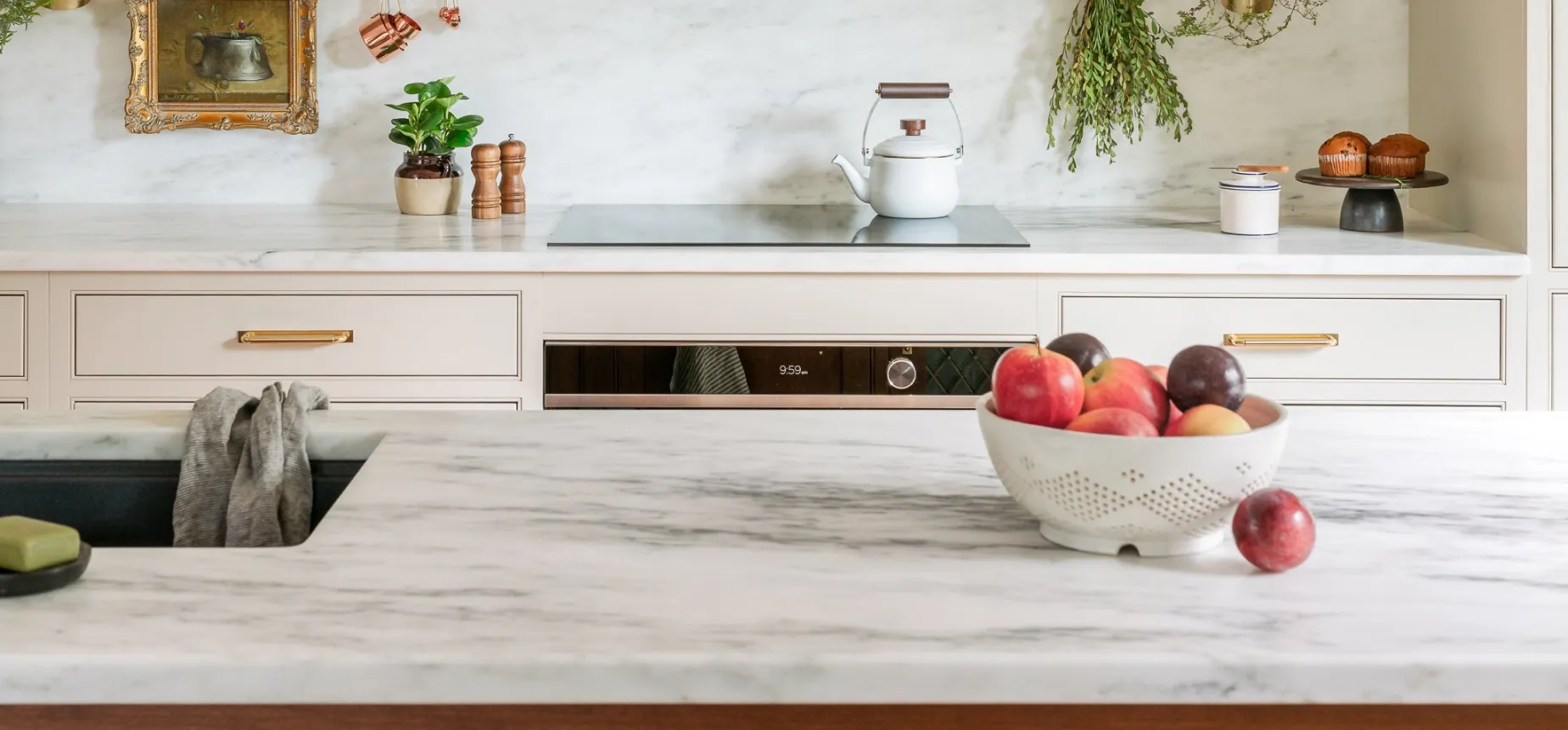
Marble, a metamorphic rock formed through limestone's transformation under heat and pressure, has played a significant role in history as a material for iconic works like Michelangelo's David. Its elegant appearance has adorned the facades of structures and monuments across time. In contemporary interiors, marble countertops and backsplashes are a testament to luxury and timeless beauty.
Variety of Marble
Marble's wide range of hues and patterns makes each slab unique. A deeper dive into popular varieties reveals:
Carrara Marble
MS International
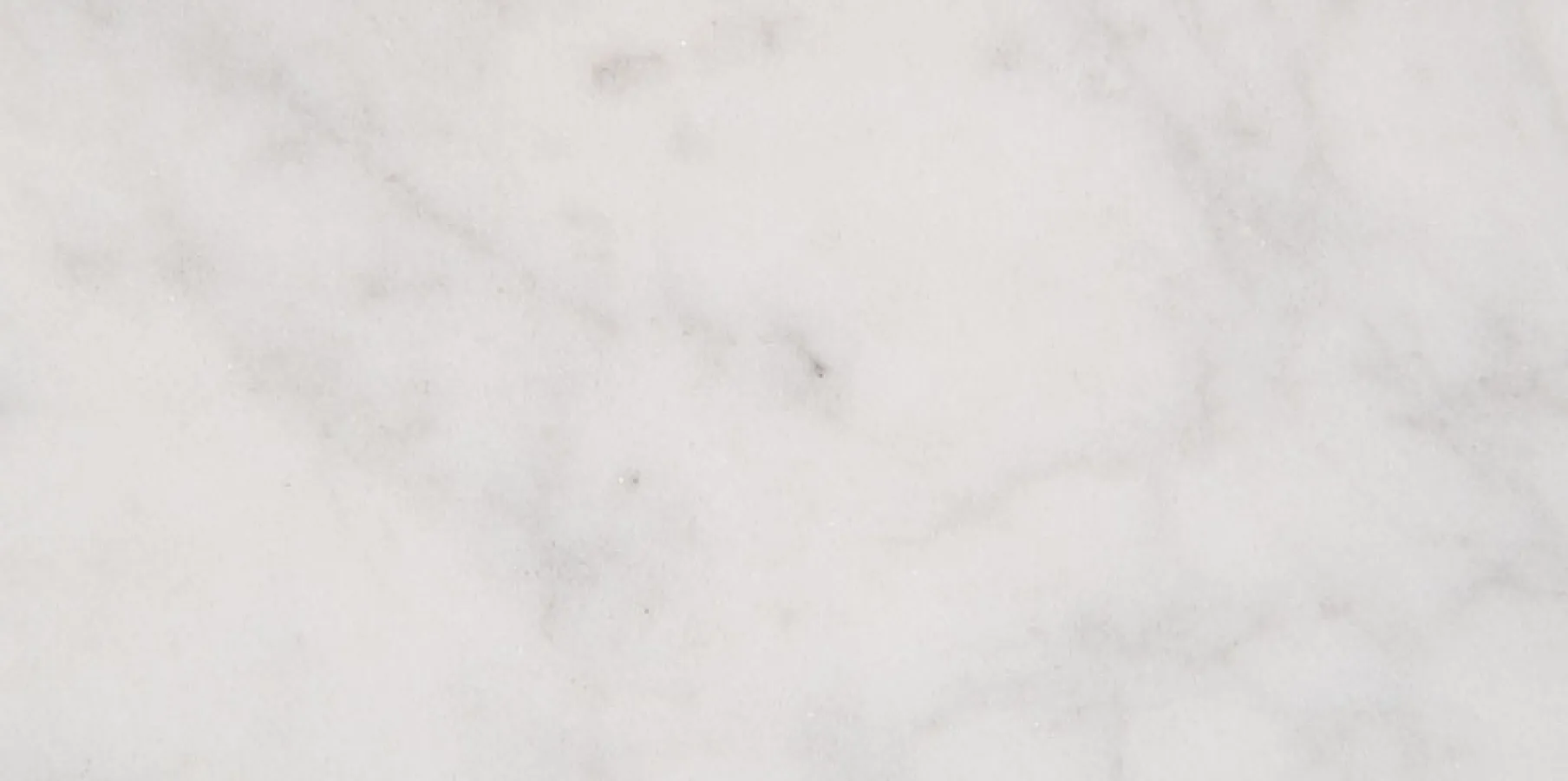
Carrara Marble, named after the city of Carrara in the Tuscany region of Italy, is revered for its timeless elegance. This marble is characterized by its gentle, feathery veining, which typically presents soft grey lines against a white or blue-grey background. The subtlety of the veining in Carrara Marble gives it a delicate appearance, making it a favorite for classic and contemporary designs. It's a popular choice for sculptures due to its workability and fine grain and in building decor, where its understated beauty can complement various styles. Its widespread use in historical and modern architecture is a testament to its enduring appeal.
Calacatta Marble
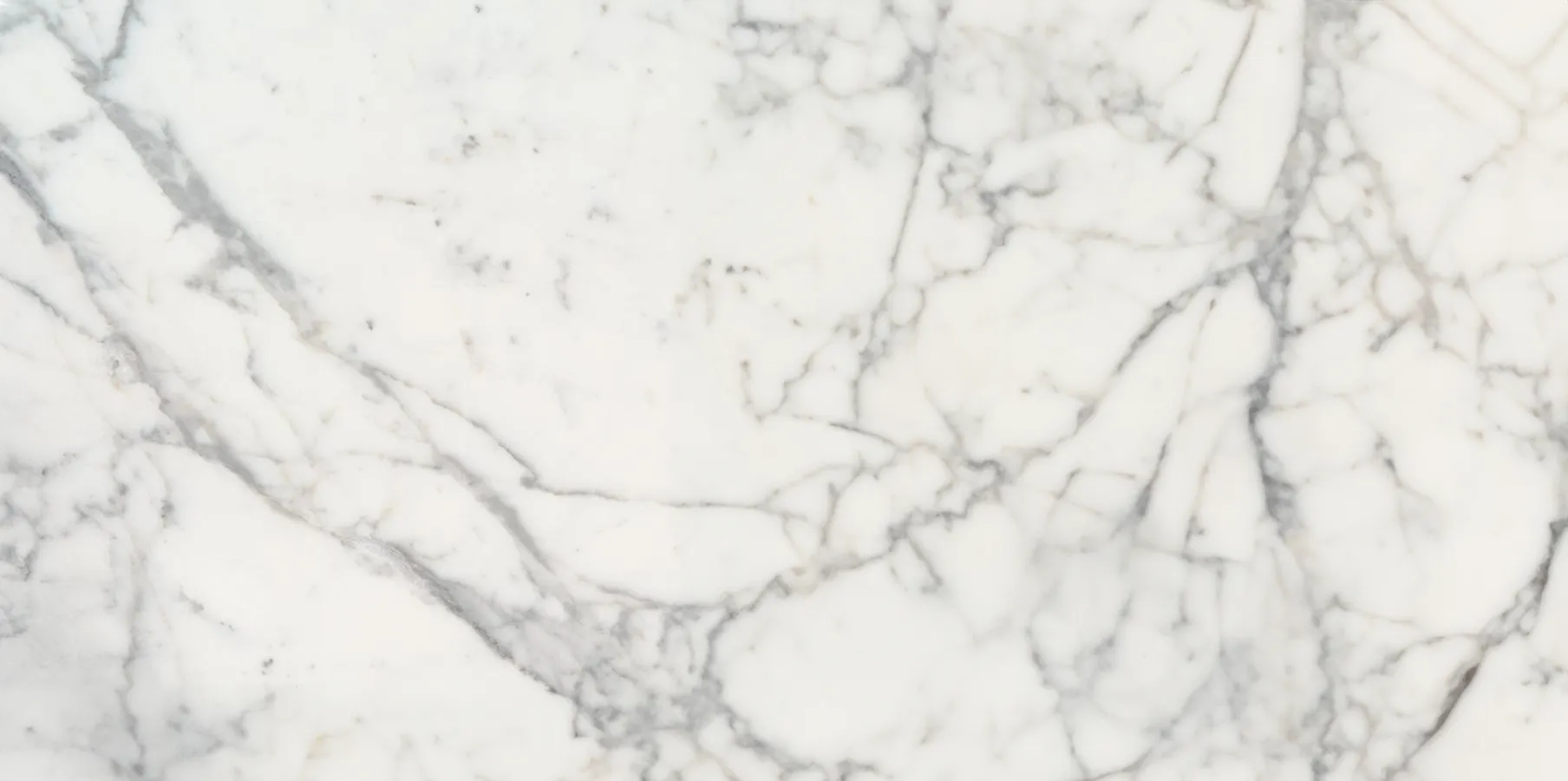
Calacatta Marble originates from the same Carrara region, but it stands apart with its striking and bold veining. The veins in Calacatta Marble are more pronounced and dramatic than those in Carrara, often displaying a vivid contrast against a bright white background. This marble type is known for its luxurious appearance and is often seen as a symbol of opulence and sophistication. Calacatta Marble is typically more exclusive and, as a result, pricier than Carrara. Its dramatic look makes it popular for statement pieces like kitchen islands, countertops, and high-end flooring.
Emperador Marble
MS International
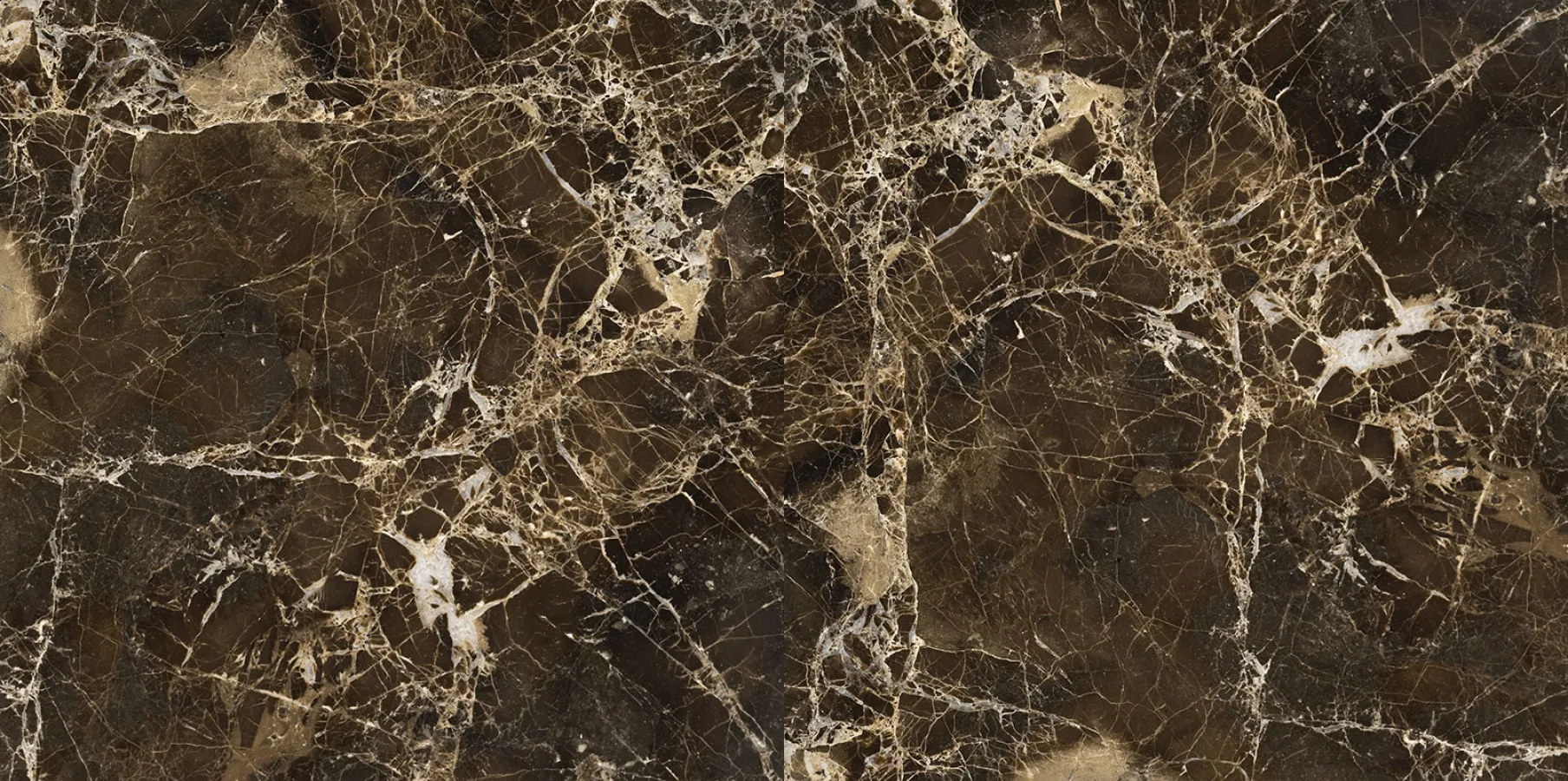
Hailing from Spain, Emperador Marble is known for its rich and warm tones, ranging from light to dark brown. This marble is distinguished by its irregular veining, which typically involves a mix of white and fine grey streaks. The unique coloring and patterning of Emperador Marble make it a versatile choice for various interior design styles, from traditional to modern. It's particularly favored for areas where a touch of warmth and elegance is desired, such as in bathrooms, flooring, and decorative accents.
Crema Marfil Marble
Natural Stone Collection
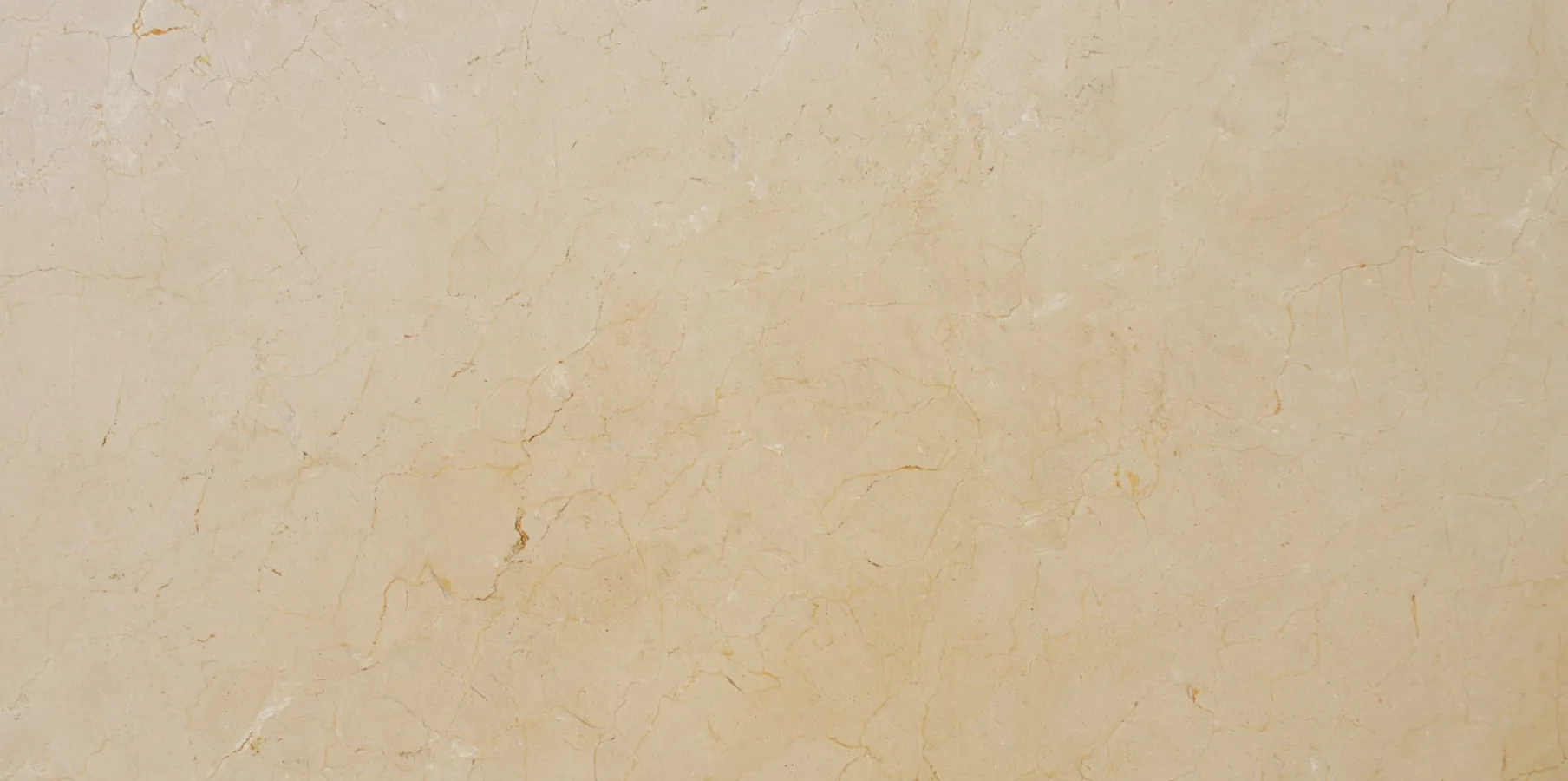
Crema Marfil Marble, another Spanish variety, is celebrated for its unique color spectrum that ranges from soft beige to rich yellow tones. This marble is known for its unpredictable patterns and intricate veining, which can vary significantly from piece to piece. The warm, neutral colors of Crema Marfil make it an excellent choice for large areas, as it can create a sense of space and light. This marble is commonly used in flooring, wall cladding, and bathroom vanities, where its subtle yet intricate patterns add depth and interest to the design.
Beyond their initial presentation, marble countertops often develop a patina over time, a characteristic that some homeowners cherish while others may not prefer. Each marble slab boasts a unique color and style, allowing homeowners to pick a piece that suits their design preferences.
Advantages of Marble for Countertops and Backsplashes
MS International
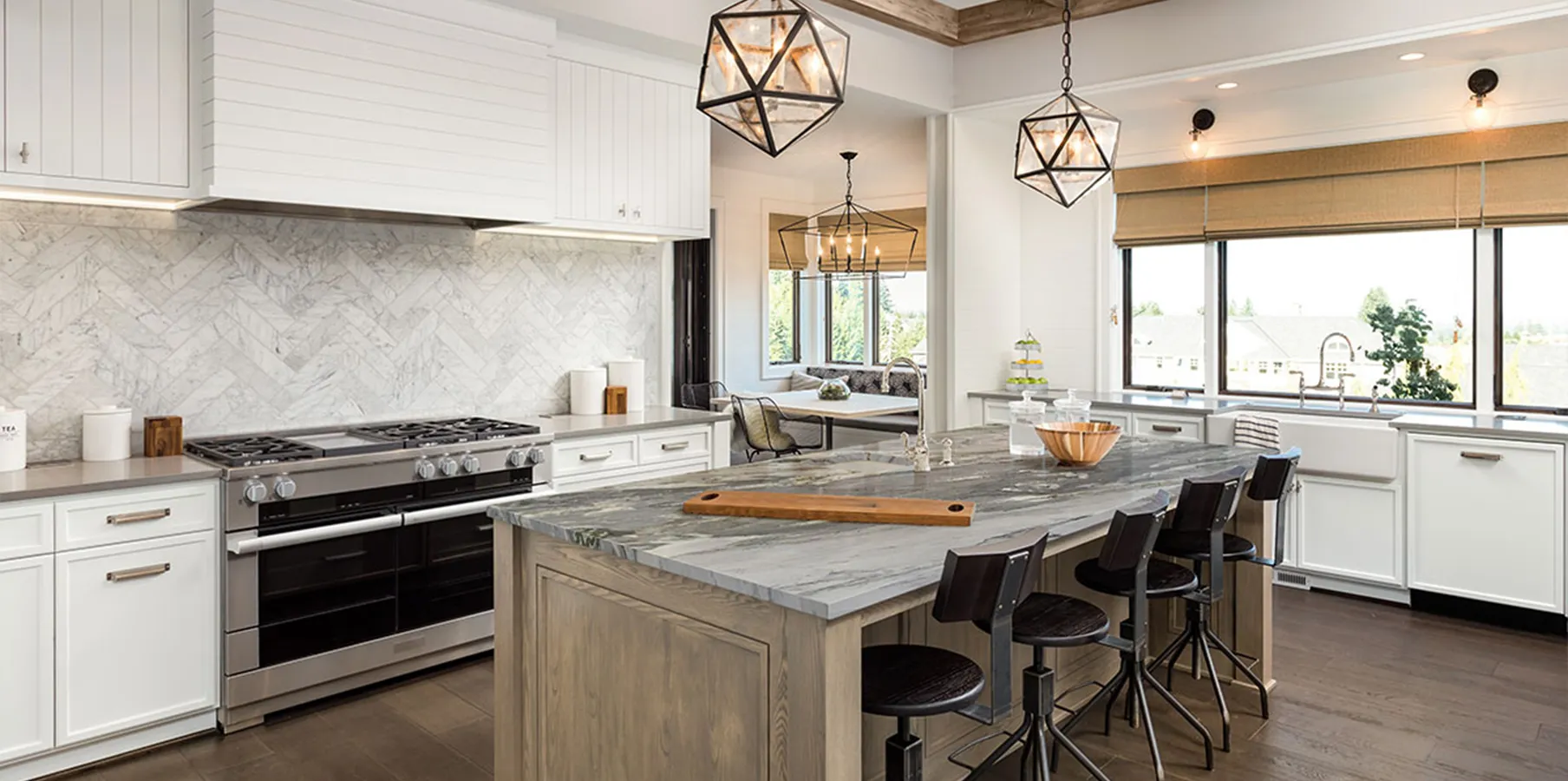
The advantages of using marble for countertops and backsplashes are numerous and distinct. Each marble slab is naturally unique, showcasing patterns and colors that cannot be replicated, lending an artistic touch to any kitchen it graces. This individuality makes marble a sought-after material for those looking to add a touch of elegance and uniqueness to their space.
Marble is naturally heat resistant, making it a good option for kitchens. You can place hot pots and pans on a marble countertop without worrying about immediate damage. However, trivets are always advisable to minimize the risk of any heat-related issues.
Additionally, the inherent cool temperature of marble is highly valued, especially in baking. On countertops, this cool surface is ideal for rolling dough smoothly without sticking, enhancing the baking process.
Marble countertops can add value to a home due to their high-end appearance and timeless appeal. They are often sought after in real estate markets for their luxury connotations.
The Drawbacks of Marble for Countertops and Backsplashes
Despite its elegance, marble as a material for countertops and backsplashes has its challenges. Its relative softness compared to harder stones makes it susceptible to scratches and dents, which can be more noticeable in high-use areas such as kitchen counters.
Marble is also porous, meaning it can absorb liquids—especially colored or acidic—leading to potential staining. This characteristic requires diligent maintenance for countertops and backsplashes, as spills and splashes are common in kitchens. Consistent cleaning is essential to prevent the buildup of residues and maintain its appearance.
To preserve the beauty of marble countertops, it's important to use cutting boards to prevent scratches and be mindful of exposure to acidic substances that can mar the surface. Regular sealing can also help protect the stone from damage and maintain its pristine appearance.
Installation Process
MS International
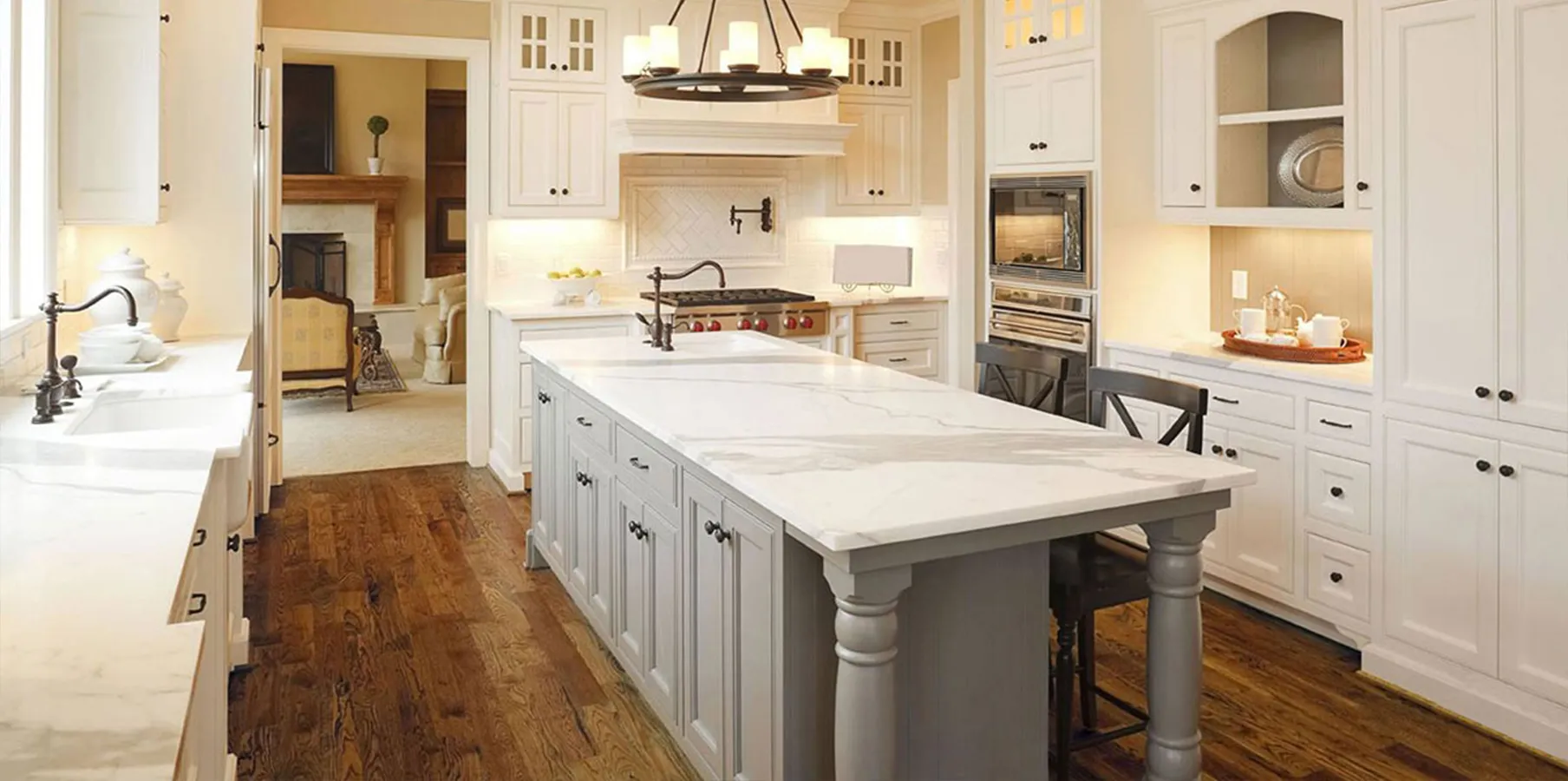
Given marble's weight and delicacy, installation is an art form. The surface where the slab will be placed needs to be perfectly level. Professionals often use special tools and techniques to transport and secure the slab without chipping or cracking it. Post-installation, an initial sealing is usually applied.
Environmental Impact
Extracting marble requires energy-intensive quarrying processes, which can disrupt natural habitats. Transport, especially of imported varieties, adds to its environmental footprint. However, if maintained well, marble's durability can offset its environmental cost over its long lifespan.
Cost Considerations
MS International, Inc
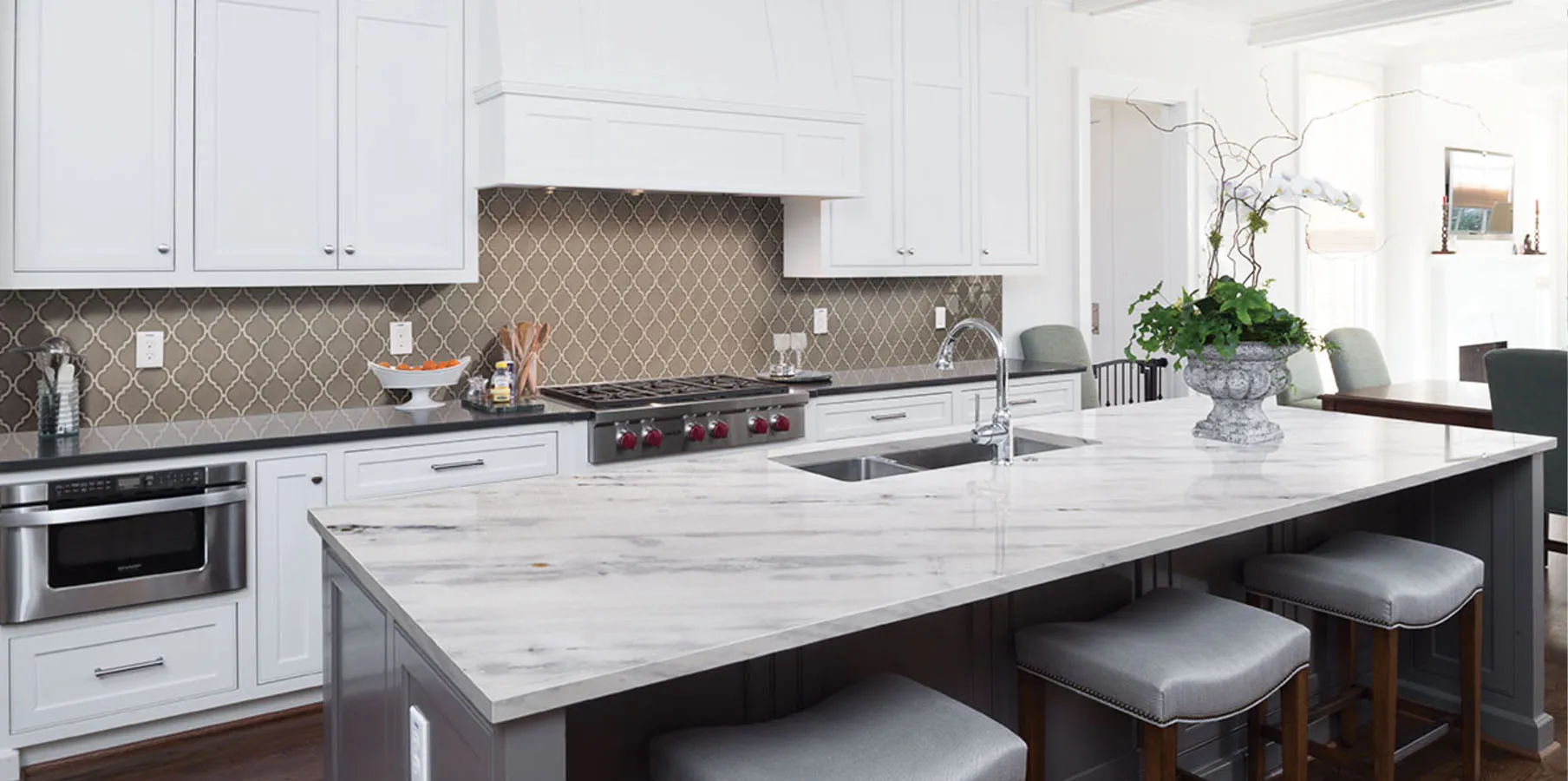
The expense associated with marble can vary considerably depending on its variety, grade, source, and the complexity of its placement. Certain exclusive and premium marbles can be pricey, with coveted varieties like Calacatta or Statuario generally commanding higher prices. The quarry's geographical origin can also impact cost; for instance, Italian marbles often carry a premium owing to their renowned beauty and quality. The finish chosen, be it polished, honed, or leathered, can affect the price, as can the presence of rare veining or unique patterns within the slab. The marble's thickness, installation intricacies, regional labor charges, and additional customizations like edging or backsplashes will further shape the total expenditure.
When accounting for upkeep and possible restorations, evaluating the enduring financial commitment of a marble countertop or backsplash is crucial. While tiles might present a more budget-friendly initial cost than a full slab, the installation process can be more intricate due to the need for alignment and grout application, and tiles might require extra maintenance to ensure cleanliness and longevity. Prospective buyers should collect multiple quotes and conduct thorough research to make an informed purchase.
Conclusion
Marble combines aesthetic charm with practical considerations. Despite their vulnerability to certain types of damage, their array of colors and styles makes them a sought-after choice for distinctive interior applications. By adhering to maintenance recommendations and thoughtfully integrating marble into living spaces, homeowners can enjoy its enduring elegance while protecting its timeless allure.
Keep reading
More from the library


