Natural Wood Countertop or Backsplash: Costs, Pros and Cons
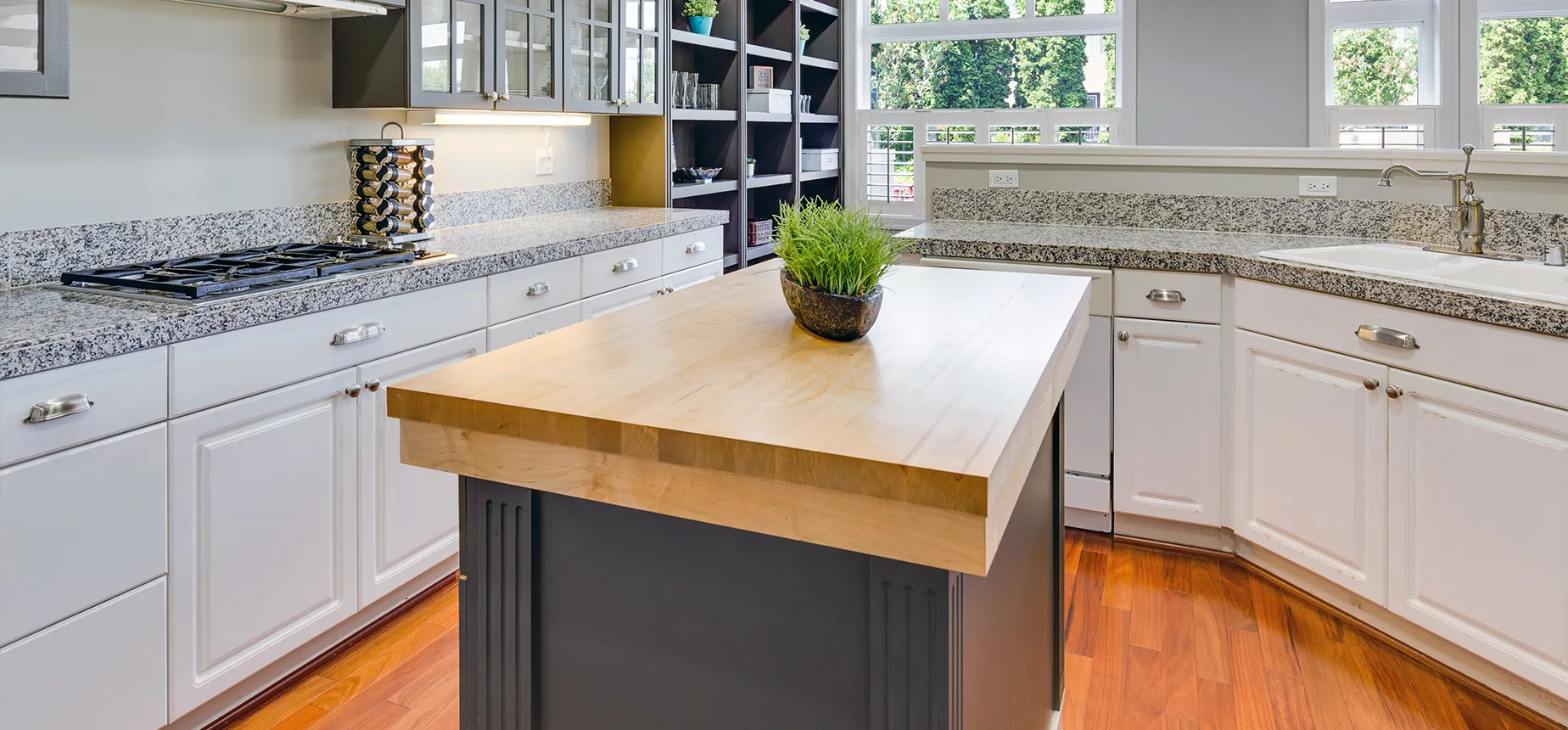
Wood countertops bring warmth, natural beauty, and traditional charm to kitchens. The organic appeal of wood offers a stark contrast to the often sterile ambiance of metal or stone, making it a popular choice among homeowners looking for a touch of nature in their interior spaces.
Floor & Decor
Variety of Wood
Certain wood types are better suited than others when using this material for a countertop or backsplash. Hardwoods stand out for their natural ability to withstand daily wear and tear, making them a much better choice. Opting for hardwoods with lower porosity is recommended. These choices are less susceptible to staining and moisture, ensuring a longer lifespan. Exotic tropical hardwoods are also great options.
Cherry
Cherry wood is highly appreciated for its deep, rich red tones that darken gracefully with age. Its smooth, fine grain gives it a sophisticated appearance, making it a popular choice for high-end kitchen cabinetry and countertops. Cherry is moderately hard, offering good durability, and it polishes to a high sheen, enhancing its natural warmth and elegance.
Walnut
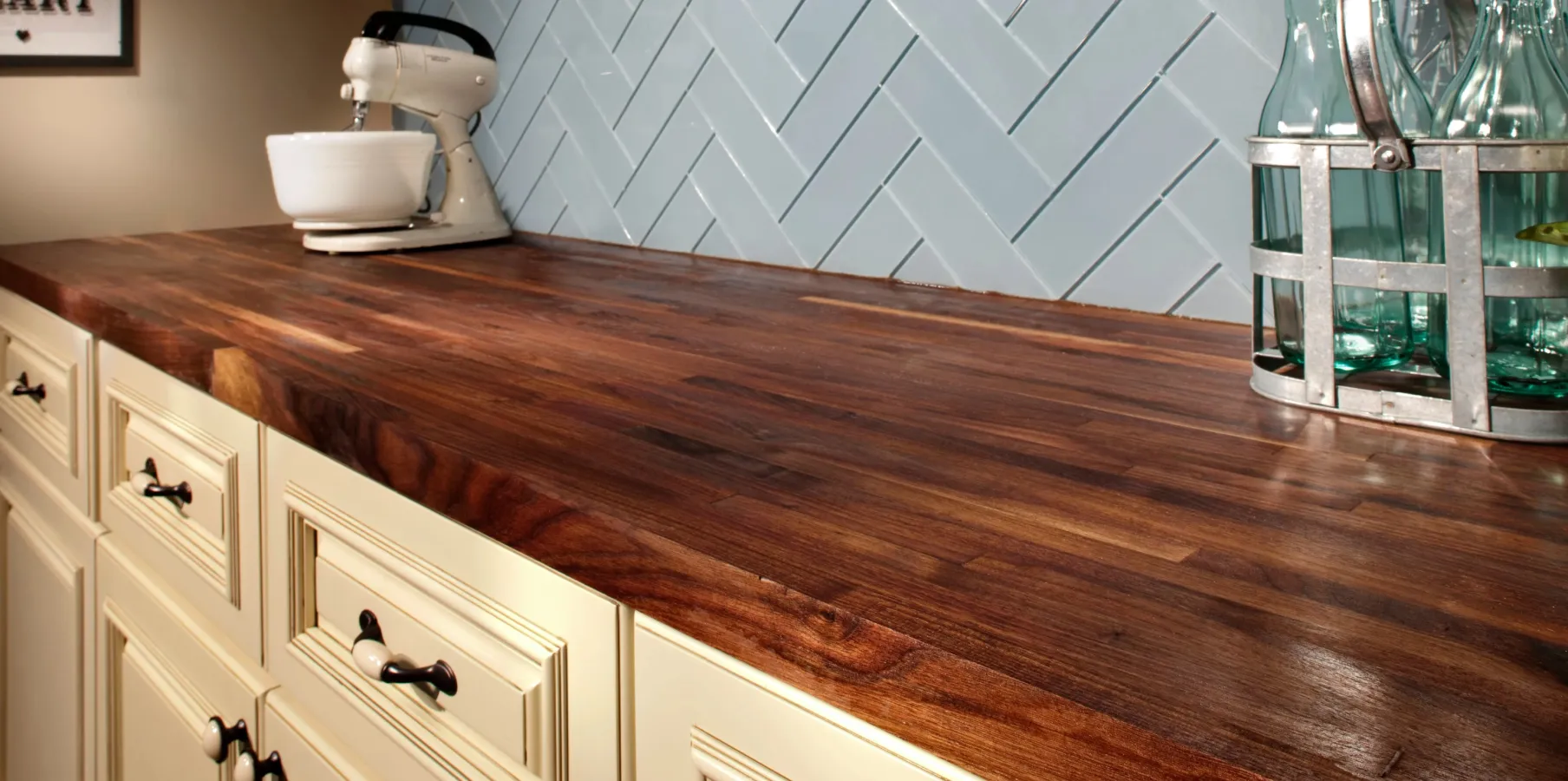
Walnut is renowned for its deep, rich brown color, often with purplish hues and darker streaks. The grain patterns in walnut can vary significantly, adding character and visual interest. It's a relatively hard wood, which makes it a sturdy choice for kitchen cabinets and countertops. The luxurious appearance of walnut makes it suitable for statement pieces or accent cabinetry in the kitchen.
White Oak
White oak is a strong, durable wood with a lighter color palette ranging from pale yellow to light brown. It has a more subtle grain than red oak, lending a clean and contemporary feel. This wood is also moisture-resistant, making it a practical choice for kitchen cabinetry, especially in rustic and modern styles. It's often used in craftsman or shaker-style kitchens due to its simple yet appealing aesthetic.
Red Oak
Red oak is similar to white oak in terms of durability but has a warmer tone with a more prominent grain pattern. The visible grain adds texture and interest, making it ideal for traditional kitchen designs. Red oak is also widely available and relatively affordable, which makes it a popular choice for kitchen cabinetry and flooring.
Maple
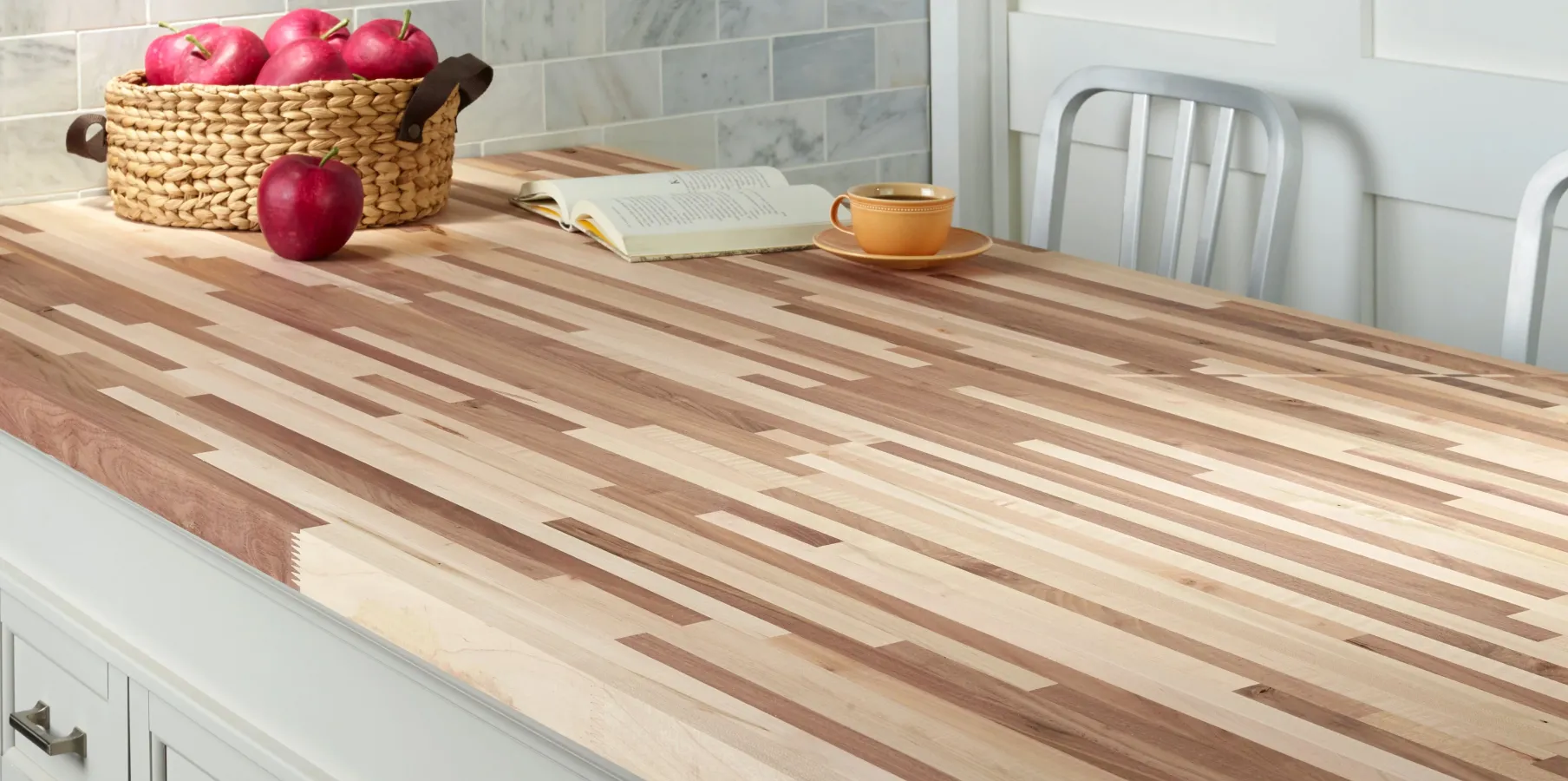
Maple is a light-colored hardwood with a fine, consistent grain, creating a smooth and clean look. Its wear resistance and durability make it suitable for heavy-use areas like kitchen counters and cabinets. Maple's light color is perfect for creating a bright, open kitchen space, and it takes paint and stains well, offering versatility in design.
Hickory
Hickory wood is exceptionally strong and durable, with a striking grain pattern and considerable color variation from light to dark brown. This makes each piece of hickory furniture unique. Its rugged appearance is perfect for rustic or country-style kitchens but can also add a bold statement in more modern designs.
Douglas Fir
Douglas Fir is a softwood with a straight, pronounced grain and a light to medium color. It's less durable than hardwoods but is still popular for its distinctive look. It gives kitchens a warm, natural feel and is often used in casual or rustic designs. Its softer nature makes it less ideal for heavy-duty surfaces like countertops.
Birch
Birch is a light-colored wood with a fine grain, offering a clean and modern look. It's quite hard and durable, making it suitable for kitchen cabinets and counters. Birch is often chosen for contemporary or Scandinavian-style kitchens due to its minimalist appeal and ability to hold stains and finishes well.
Pine
Pine is a softer wood, typically light in color with a prominent grain and knots, contributing to its rustic charm. It's less durable than hardwoods but is more affordable, making it a popular choice for those wanting a cozy, country kitchen look. Pine is also easily painted or stained, allowing for customization of kitchen decor themes.
Grain Orientation
The orientation of wood grain plays a significant role in determining a countertop's appearance and durability. There are three primary orientations: face grain, edge grain, and end grain. Face grain, or plank grain, involves joining wood boards with wide surfaces facing upward and showcasing a broad and natural grain pattern. However, this orientation is softer and more susceptible to dents. Edge grain offers increased strength and durability. Manufacturers often produce butcher block countertops using this method.
Advantages of Wood
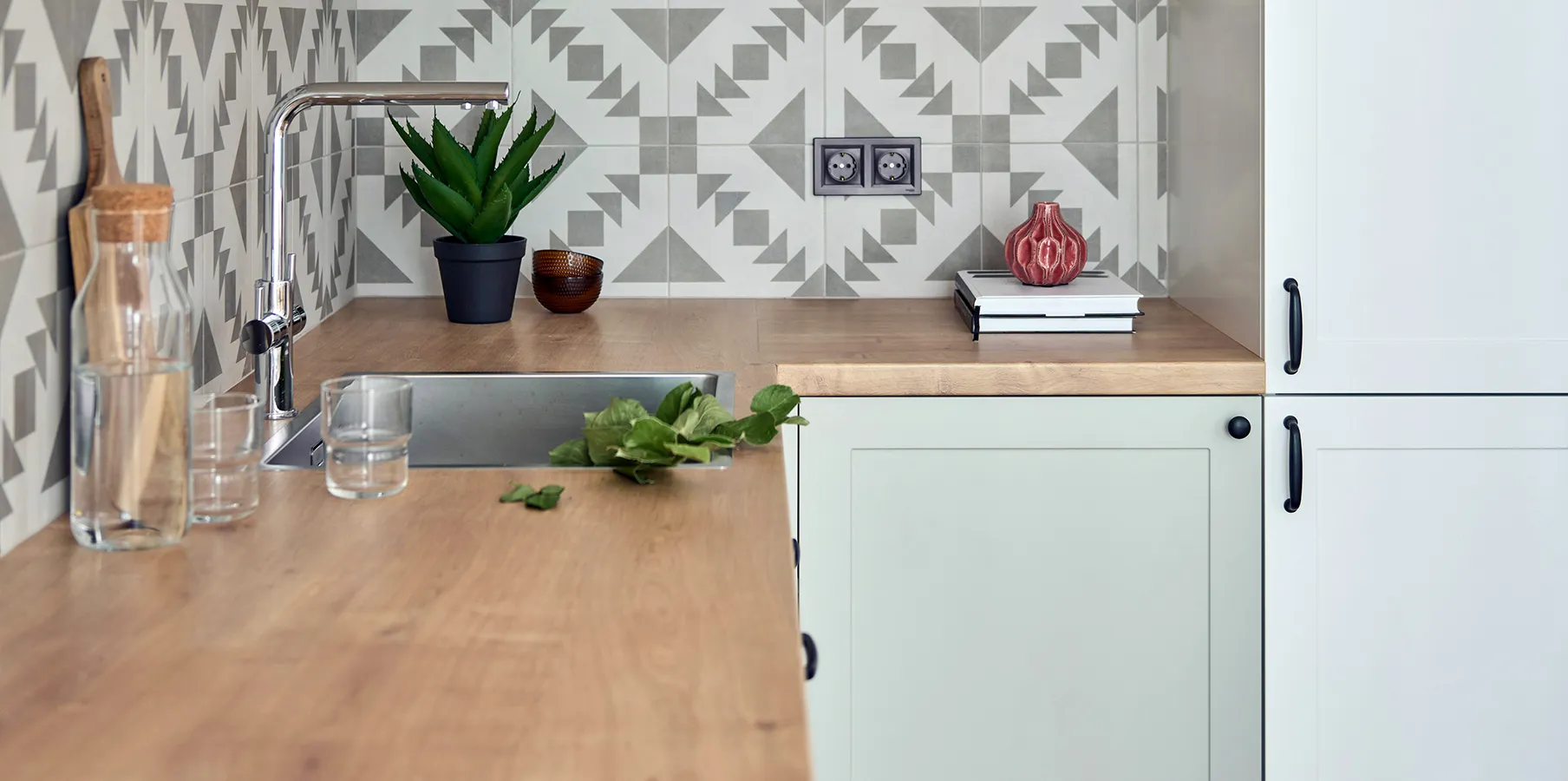
Wood countertops or backsplashes are highly revered for their aesthetic charm, instantly infusing warmth and a timeless appeal into any space. Their natural origins lend an organic touch and make them eco-friendly, especially when sustainably sourced. One of the standout features of wood is its durability. When given the proper care, wood can withstand the test of time, with the added advantage of being rejuvenated through sanding and refinishing, effectively removing any surface blemishes or scratches. Its versatility is evident in its compatibility with various design aesthetics, whether rustic or modern. The ability to stain or seal wood means homeowners can tailor its look to their specific preferences.
For countertop use, many appreciate wood surfaces' suitability in chopping and food preparation, akin to a traditional cutting board. Wood countertops are relatively easy to clean and maintain, and specific options are budget-friendly, accommodating a range of preferences.
Drawbacks of Wood
While wood countertops and backsplashes offer aesthetic warmth and a natural feel, they are accompanied by specific challenges. Maintenance is a significant concern for both countertops and backsplashes made of wood. Wood is more susceptible to scratches, dents, and other forms of wear and tear when compared to harder materials like stone or quartz. This is a consideration for countertops and backsplashes, especially in high-traffic kitchen areas.
Wood's sensitivity to heat and moisture poses a challenge, as prolonged exposure can cause discoloration, warping, or even cracking. It requires regular sealing to prevent moisture absorption, which can lead to warping, bacterial growth, or other damage. This is critical for backsplashes near stoves or sinks, where heat and moisture are prevalent. While wood adds a unique and organic touch to kitchen surfaces, it demands careful consideration and diligent maintenance to preserve its beauty and functionality.
Environmental Impact
For those seeking a more environmentally conscious approach, there are greener alternatives available. Reclaimed wood sourced from aged structures like homes, barns, and warehouses has gained significant traction due to its historical charm and reduced environmental impact.
Domestic lumber harvested from responsibly managed forests is another commendable choice, aligning with sustainable practices. Bamboo, classified as grass, is a suitable candidate due to its inherent strength and sturdiness, making it a reliable material for countertop applications.
Several wood options are certified by the Forest Stewardship Council (FSC) or similar bodies, ensuring that the wood is sourced sustainably. Additionally, unlike some synthetic materials, wood is biodegradable.
Floor & Decor
Cost Considerations
The cost associated with wood countertops or backsplashes can significantly fluctuate based on many factors. Foremost among these is the choice of wood species; traditional options like oak or maple might be more budget-friendly, while exotic varieties generally have a steeper price tag.
The grain orientation, whether you opt for edge grain, end grain, or face grain, can also influence the cost. Specific orientations demand more craftsmanship and, consequently, a higher expense. The thickness of the countertop is another determinant; thicker slabs, being more substantial, will be priced higher.
The choice of finish, whether oil or polyurethane, not only affects the appearance and maintenance of the countertop but can also play a role in the final cost. Any custom design elements or intricate details can add to the overall expense. However, wood can often present a more cost-effective solution without compromising aesthetic appeal or functionality than premium materials such as marble or quartz.
Keep reading
More from the library


