Noon
A Few Options for Connecting Lighting Fixtures and Controls
Noon
So you've picked out all your lighting fixtures and controls for your room—great job! But what comes next? How should you connect these fixtures to the controls? Should one control connect to just one light or multiple lights? Can multiple controls connect to a single light? This guide aims to answer these questions to help you make informed decisions.
Single Control to Single Fixture
Legrand
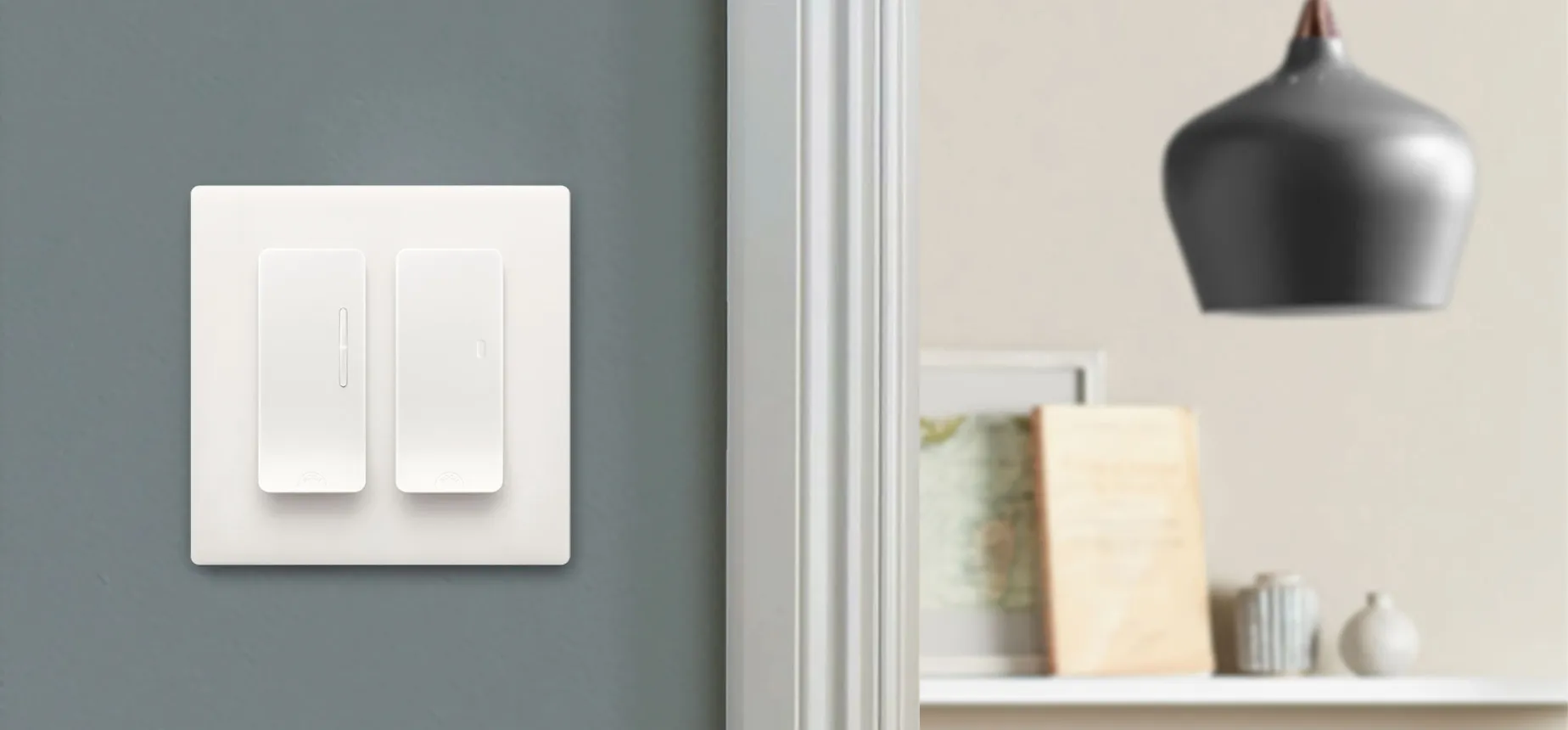
A single control connected to a light fixture offers a straightforward, easy-to-understand setup. This arrangement provides isolated control, meaning each fixture operates independently of the others, which can be beneficial when each light serves a distinct purpose.
In settings with a centerpiece like a hanging light, chandelier, or other unique fixture, the single control to a single fixture setup can be especially appropriate. The isolated control means you can highlight your centerpiece without affecting other lighting elements in the room. This allows you to draw attention to a specific area or feature, making it a focal point while keeping the rest of the space independently lit according to its own needs.
This one-to-one connection between a single control and a single light fixture is best suited for simple setups where you don't require advanced lighting scenes or particular atmospheres. If you're looking to light a space where you won't be entertaining guests or engaging in various activities that require different lighting moods—like reading, watching movies, or dining—then a straightforward, one-control-per-fixture setup could be a practical choice.
Single Control to Multiple Fixtures
Wink
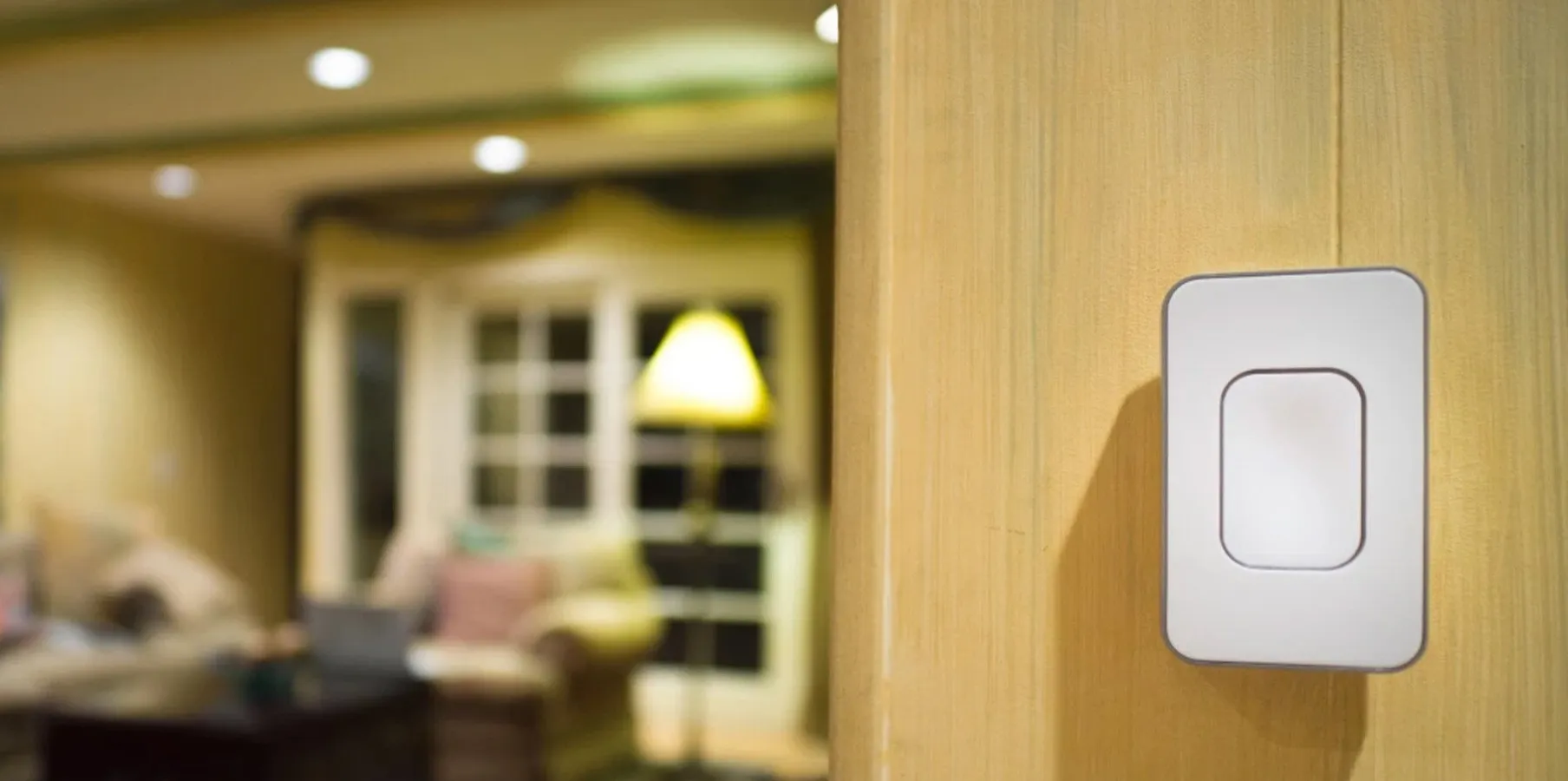
Connecting a single control to multiple light fixtures offers simplified collective control. With just one switch, you can turn various lights on or off and even dim them simultaneously. This feature is handy when connecting a single control to multiple recessed light fixtures, simplifying the process of managing the ambiance in a room.
This arrangement is also beneficial in areas where you generally want the same lighting level for all fixtures, such as in an open floor plan or in a living room where you can easily switch from bright light for reading to softer light for watching TV.
However, it's worth noting that this setup limits your ability to control each light individually. All lights linked to that control will also be adjusted when you adjust one. This may not be suitable for rooms where you'd want different lighting conditions in other areas.
Multiple Controls to Single Fixture
Legrand
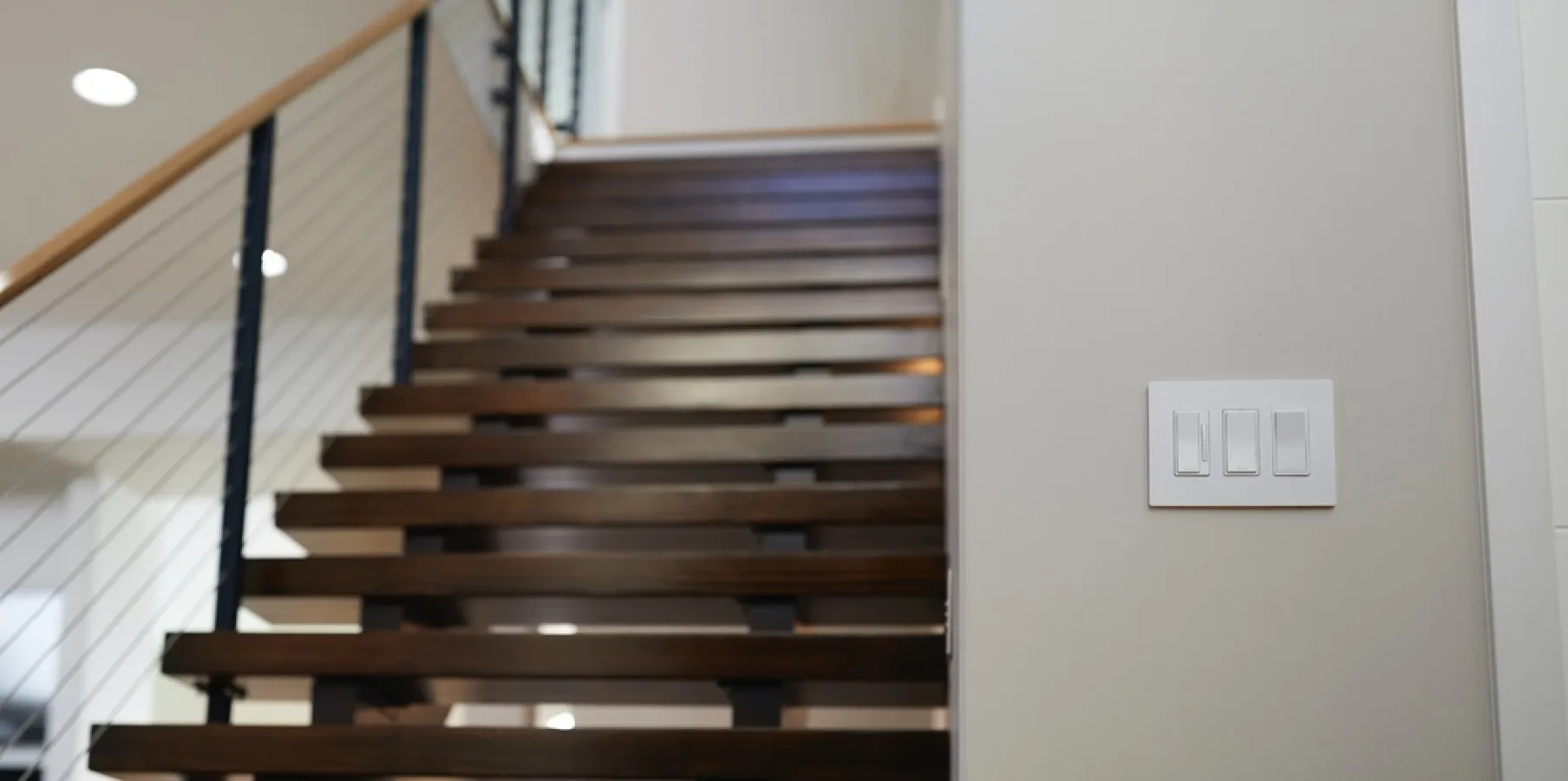
Having multiple controls connected to a single light fixture provides greater versatility. You can control the same light from different locations within a room or even from other floors in a multi-level home. This is particularly convenient for large spaces where walking across the room to operate a light switch might be impractical or for areas frequented by multiple entry points. For instance, having controls at both ends of a long hallway or a staircase can save you the hassle of walking in the dark to find a switch.
Another prime application for this setup is outdoor lighting. In this context, you should have the flexibility to control lights inside and outside your home. For instance, if you have a backyard with multiple seating areas, you can control the outdoor lighting from an internal control point and an external one nearer to the seating areas. This allows for convenient adjustments without needing to go inside the house but also lets you make quick changes from indoors before stepping outside.
One notable drawback is the cost; more controls mean a higher investment in hardware. Another potential issue is that when there are multiple controls for a single fixture, it might take some time for everyone in the home to remember which switch controls what, leading to confusion or accidental adjustments.
Overall, if you're dealing with expansive or multifunctional spaces or require a level of convenience that single controls don't provide, this multiple-control-to-single-fixture setup could be the optimal choice.
How to Decide?
Legrand
Several key considerations can help guide your decision about whether to use single or multiple controls for your lighting fixtures.
First and foremost, think about the function of each room where the lighting is being installed. Is the lighting primarily for ambiance, is it task-oriented, or is it meant to serve as accent lighting? Knowing the primary purpose of each light will help you determine if it needs its dedicated control or if it can be grouped with other fixtures.
Consider who will be using the room and what kind of control scheme would be most straightforward for them to understand and use. For instance, simplicity might be the most essential factor in a child's room or for elderly users. In contrast, a tech-savvy user might prefer customization options with smart controls.
Budget is always a significant factor in any home improvement project. More controls and more complex systems generally come with a higher price tag, both for the hardware itself and potentially for installation. Balance your desire for flexibility and functionality with what you're willing to spend.
Finally, think about the long-term applicability of your setup. Technology evolves rapidly, and the last thing you want is to install a system that becomes obsolete within a few years. If you're considering a more high-tech control system, like smart controls, ensure it can adapt to future changes or upgrades.
Conclusion
There's no one-size-fits-all approach to connecting lighting fixtures and controls. Your best bet is to consider your needs, consult with professionals if needed, and plan accordingly. With some forethought, you'll have a great lighting setup that works seamlessly with your lifestyle.
Keep reading
More from the library


