
Punch Lists: Completing Your Home Improvement Project
A renovation project is a complex endeavor that requires careful planning, execution, and oversight. Punch lists are critical to confirm all work has been completed to the specified standards. They can vary in nature, depending on the project phase, and play a crucial role in ongoing assessments and the final stages of a project.
Types of Punch Lists
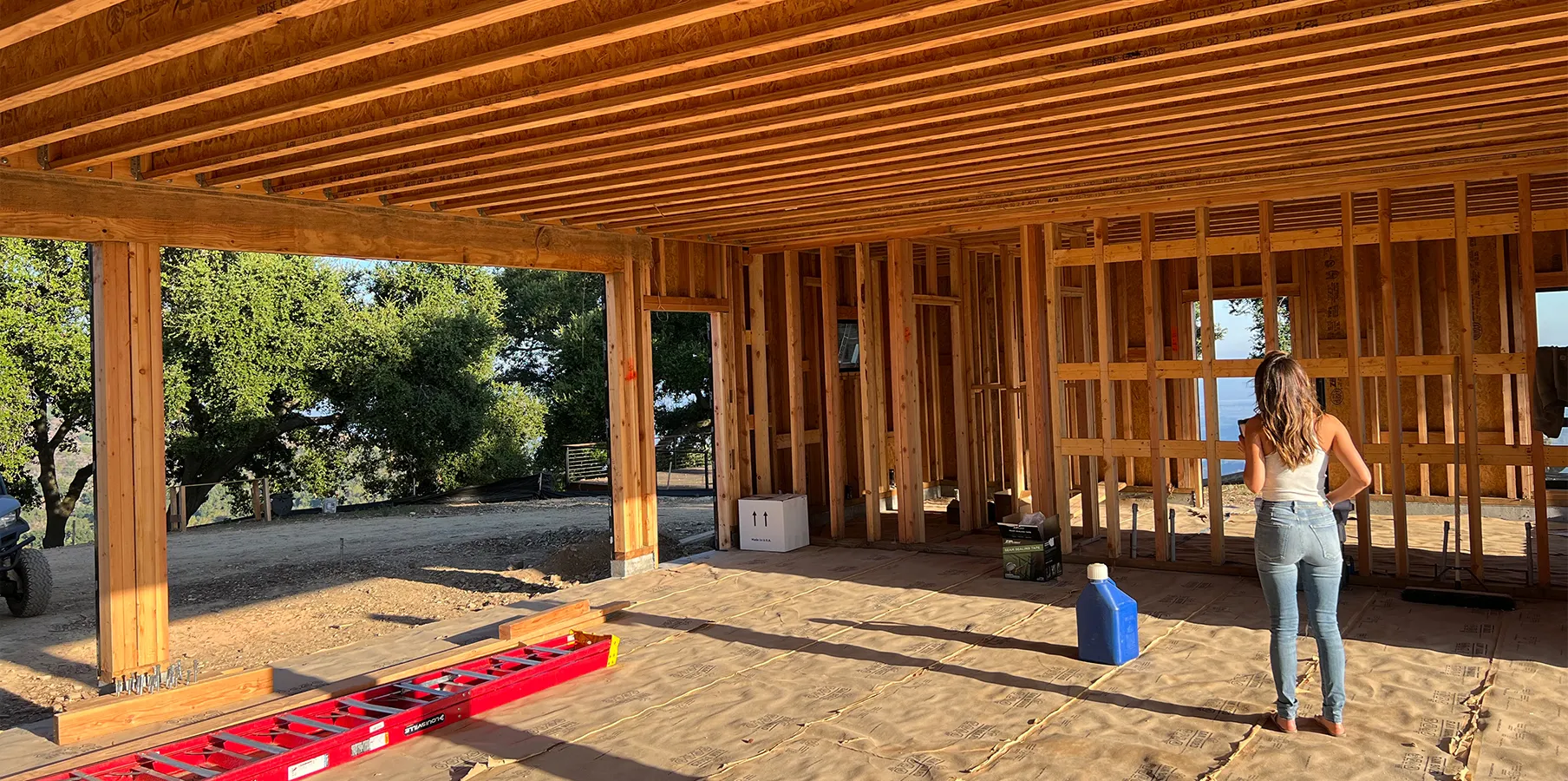
Phase-Specific Punch Lists
During construction, punch lists are generated after each project phase nears completion. These lists identify and document any work that does not meet the agreed-upon specifications or quality standards before moving on to the next stage. This proactive approach allows real-time corrections, addressing issues like incomplete tasks or those identified during failed inspections. The goal is to maintain quality and adherence to plans throughout the project, ensuring each phase is completed correctly before proceeding.
Throughout the construction phases, your GC manages and addresses the items on phase-specific punch lists. This involves coordinating closely with each subcontract or trade to rectify any deficiencies, often due to ongoing inspections or as tasks are completed. This continuous oversight helps prevent minor issues from becoming major problems, ensuring the project stays on track and within the quality parameters.
Final Punch List
As the project nears completion, a comprehensive final punch list is created. This list is more detailed and encompasses all remaining tasks that must be addressed, ensuring that the project aligns with the homeowner's expectations and contract specifications. The final punch list is typically more exhaustive, covering everything from cosmetic issues to significant structural corrections.
The homeowner's involvement becomes crucial during the final punch list phase. This is the time for the homeowner to thoroughly review the work critically, ensuring that all aspects of the project meet their standards and expectations. The final walkthrough with the contractor provides an opportunity to identify any corrections or needed adjustments, making sure that every detail, no matter how small, is accounted for and rectified. This pivotal stage directly impacts the homeowner's satisfaction with the completed project.
Creating a Punch List

Creating a punch list is a collaborative effort. This critical step typically unfolds through a detailed walkthrough of the project site, involving key stakeholders: the homeowner, the general contractor, and sometimes the architect or designer responsible for the project’s vision.
During the walkthrough, the group meticulously examines each aspect of the project, paying close attention to the quality of the workmanship and the adherence to the project's specifications. As these discrepancies, defects, or unfinished elements are identified, they are carefully documented. This documentation includes a detailed description of the issue, its location, and the corrective action expected to resolve it. For instance, if a light fixture is non-operational, the punch list would specify the exact fixture, the nature of the problem (e.g., does not turn on), and the anticipated solution (e.g., wiring inspection and repair). This creates a clear task list for the contractor to address.
Contractor’s Action Plan

Upon completing the walkthrough and creating the punch list, the contractor develops a strategic plan to tackle each item. This plan outlines how and when the corrections will be made and prioritizes the tasks based on urgency and impact. The contractor may schedule tradespeople to revisit the site, order replacement materials if necessary, and allocate time for the rework, ensuring that each item on the punch list is systematically addressed.
Effective management of the punch list process is key to its successful resolution. Once the list is created, the contractor must prioritize these tasks, allocating resources and scheduling repairs or finishing work as needed. Clear communication between the homeowner and contractor about the timeline for completing punch list items is essential. Homeowners should expect regular updates on the progress and any challenges encountered, ensuring transparency and mutual understanding throughout the process.
Final Review

After the contractor asserts that all items on the punch list have been addressed, a final review is often conducted. This review allows the homeowner and other parties to verify that each correction has been completed satisfactorily and to the agreed-upon standards. Homeowners must thoroughly review completed punch list items, confirming that work has been completed satisfactorily before signing off on each task. Completing all punch list items marks the final step before the project is officially considered complete. It’s a significant milestone that often precedes the final payment to the contractor. Therefore, ensuring the punch list is comprehensively addressed, with all parties in agreement on the resolution of listed items, is necessary for a satisfactory project conclusion.
Conclusion

The punch list process is a primary component of closing a renovation project. It ensures every detail is addressed and meets the project's standards and expectations. Homeowners should play a proactive role in the punch list process, engaging in the initial walkthrough, expressing clear expectations, and being responsive to updates from the contractor. By understanding the importance of this step, homeowners can help ensure their renovation project is completed to their satisfaction. Effective communication, collaboration, and patience during this phase are essential for a smooth transition to enjoying your newly renovated space.
Keep reading
More from the library


