How to Choose Bathroom Fixtures That Fit Your Space
Selecting the appropriate fixtures for your bathroom combines practicality with your unique style, transforming the space into one that perfectly meets your needs. Whether diving into a complete makeover or just sprucing up your bathroom, the fixtures you select play a big role in defining the space's appearance, atmosphere, and practicality. This guide will help you make informed decisions on everything from sinks and faucets to toilets and showers, ensuring your bathroom becomes what you envision.
Assess Your Space and Needs
Space Evaluation

Analyzing Dimensions and Layout: Initiate the selection process by meticulously measuring your bathroom's dimensions and evaluating its layout. This initial step is fundamental as it directly influences the feasibility of installing various fixture types and sizes. Accurate measurements and a clear understanding of available space are crucial for effective planning and design.
Optimizing Space in Compact Bathrooms: Strategically choosing fixtures in smaller bathrooms is essential to enhance functionality and avoid a cluttered appearance. Wall-mounted sinks and toilets are excellent choices for such environments. These fixtures occupy less space, making the bathroom appear more open. Their installation can also provide additional storage or floor space, which is particularly valuable in smaller settings.
Fixture Selection for Expansive Bathrooms: The generous dimensions of larger bathrooms provide greater flexibility in selecting fixtures, making it possible to include freestanding elements like bathtubs, expansive vanity units, or dual sinks. These bathrooms can support ample storage and extensive counter space, boosting both functionality and visual appeal. It's important to ensure that each piece is proportionate to avoid overwhelming the space or making it feel empty. Thoughtfully balancing the size of bathtubs, showers, and vanity units can create a harmonious and functional bathroom layout.
Determine Your Needs

Understanding User Requirements: The bathroom's intended users lead the selection of fixtures. It's important to consider who will use the bathroom — adults, children, guests, or all of the family. Each group may have different needs and priorities. For instance, a family bathroom should be durable and easy to clean, with considerations for safety and accessibility for children.
Functionality and Design Preferences: The bathroom's primary function influences fixture choices. In a family-oriented bathroom, you might prioritize durable and low-maintenance materials and fixtures that accommodate all family members' needs, such as bathtubs with non-slip surfaces. For a master ensuite, luxury and comfort may guide your selections, focusing on high-end materials, stylish designs, and additional features like spa-like showers or oversized tubs.
Balancing Function with Style: While practicality is essential, the visual appeal of fixtures is equally important. The chosen fixtures should fulfill the functional requirements of the users while also complementing their style and the broader design theme of the home. Achieving this balance ensures that the bathroom is a functional and visually attractive space, enhancing the user experience and the home's overall value.
Choosing the Sink and Faucet
Sink Styles

Kohler
Pedestal Sinks: These sinks are ideal for smaller bathrooms or powder rooms where conserving floor space is a priority. Mounted on a slender pedestal, they help create a sense of openness and cleanliness. Pedestal sinks do not offer storage space, making them suitable for areas where storage can be compromised in exchange for style and space. Their classic design can complement a range of bathroom styles, from traditional to more modern aesthetics.
Undermount Sinks: Undermount sinks offer a sleek and seamless look, making them a popular choice for contemporary bathrooms. This style facilitates easy cleaning as debris can be wiped directly from the countertop into the sink without any obstruction, like a rim.
Vessel Sinks: Atop the countertop, vessel sinks are a statement piece and can serve as a focal point in the bathroom. They are available in various materials, shapes, and colors, allowing for significant space personalization. Vessel sinks are particularly fitting for bathrooms designed with a modern or luxurious aesthetic in mind. They typically require taller faucets and can be more challenging to clean around the base and back where the sink meets the countertop.
Drop-in Sinks: Drop-in sinks, also known as self-rimming or top-mount sinks, are distinguished by their design, installed directly into a pre-cut hole on the countertop, with their rim sitting above the surface. This prominent rim supports and secures the sink's weight, facilitating a relatively simple installation process. The design of drop-in sinks makes them compatible with many types of countertop materials, including less durable options like laminate, which might not be suitable for under-mount sinks. The rim serves a protective function, shielding the countertop edges from water spills and damage, which is a significant advantage in preserving the longevity of the countertop.
Vanity-Top Sinks: Vanity-top sinks are integrated into the countertop and can be made from various materials. They provide a cohesive and streamlined look, maximize counter space, and offer an easy-to-clean surface. This style is versatile, fitting well into traditional and contemporary bathroom designs, and is available in numerous configurations to accommodate single or multiple users.
Faucet Compatibility

Mounting Options and Hole Configurations: When selecting a faucet, it is essential to match the mounting style and hole configuration with your sink to ensure a proper fit. Faucets are designed to work with specific sink designs—for example, a vessel sink often requires a taller faucet with a longer reach. In contrast, an undermount sink will be paired with a faucet that mounts directly to the countertop. It's crucial to check the compatibility between the sink and faucet's design to avoid installation issues.
Finishing Touches: The faucet's finish plays a role in the bathroom's overall aesthetic and should complement other fixtures and hardware in the space. Finishes range from polished chrome, brushed nickel, and oil-rubbed bronze, each contributing differently to the bathroom's ambiance. A cohesive finish across all fixtures can unify the space while contrasting finishes add depth and interest. Consider the durability and maintenance required for each finish, as some may show more water spots and fingerprints than others, affecting the long-term appearance and upkeep of the bathroom.
Selecting a Toilet
Efficiency and Comfort

Water Efficiency: Modern toilets are designed with water efficiency in mind to conserve water and reduce household water bills. Low-flow toilets are a prime example, using significantly less water per flush than older models. These toilets typically use about 1.28 gallons per flush (gpf) or less, aligning with the U.S. Environmental Protection Agency's WaterSense standards, as opposed to the traditional 3.5 gallons or more. Thanks to advancements in flushing technology, this reduction in water usage contributes to environmental conservation efforts without compromising the toilet's flushing power.
Comfort Enhancements: Comfort in toilet design has evolved beyond the basic functionalities. Elongated bowls offer more surface area, making them more comfortable for adult users by providing additional seating space. Adjustable height settings, or the availability of 'comfort height' toilets, which are a few inches taller than standard toilets, cater to users of different heights and mobility levels. These features make sitting down and standing up easier for many people, particularly older people or those with physical disabilities.
Design Considerations

Signature Hardware
Wall-Mounted Toilets: For a cutting-edge, space-saving design, wall-mounted toilets present an innovative solution. The tank is hidden within the wall, and only the bowl protrudes into the room, offering a minimalist and modern appearance. This design saves floor space, making the bathroom appear larger, and simplifies floor cleaning by removing the need to navigate around the toilet's base. Wall-mounted toilets can be installed at custom heights, providing flexibility and comfort. However, they are more complex to install and maintain due to the in-wall tank system.
Traditional Two-Piece Toilets: The most common toilet design is a two-piece toilet, which consists of a separate tank and bowl bolted together. This traditional design is known for its durability and ease of repair, as each piece can be handled independently. Two-piece toilets often come at a lower price point and offer more options in terms of replacement parts. However, the seam between the tank and bowl can collect grime, requiring more meticulous cleaning.
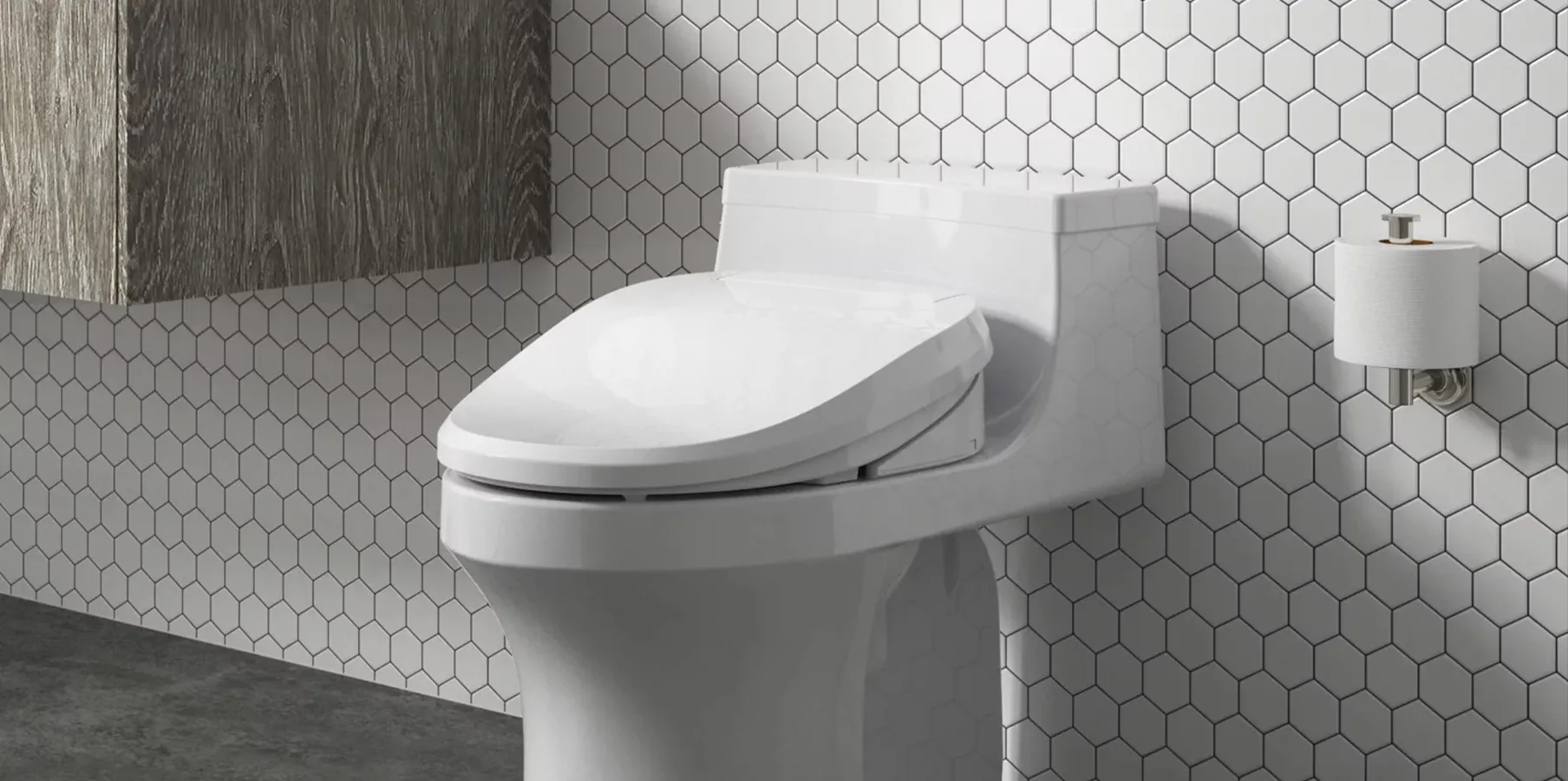
Sleek One-Piece Toilets: One-piece toilets, where the tank and bowl are fused into a single unit, offer a modern alternative to the traditional two-piece design. Their sleek, seamless design contributes to a contemporary bathroom aesthetic and simplifies cleaning by eliminating the crevice between the tank and bowl. Although generally more expensive upfront, one-piece toilets can save space and offer easier installation, making them a popular choice for smaller bathrooms or those seeking a minimalist look.
Picking the Shower and Tub
Shower Options

Type of Enclosure: Framed enclosures feature a metal frame around the glass, offering stability and a traditional look, often at a more affordable price point. Frameless enclosures, however, eliminate the metal frame for a sleek, modern appearance that can make the bathroom feel more spacious and luxurious. Frameless designs require thicker glass for structural integrity, which can increase the cost.
Showerhead Style: The choice of showerhead affects the showering experience. Handheld models offer versatility and ease of use, making cleaning the shower area and bathing children or pets more convenient. Rainshower systems are mounted overhead to provide a gentle, rain-like stream for a soothing experience. Some models offer adjustable settings to customize water pressure and patterns according to personal preference.
Advanced Features: For those looking to transform their shower into a spa-like sanctuary, advanced features like built-in steam systems or body jets offer an enhanced experience. Steam systems can turn the shower into a steam room, offering therapeutic benefits and relaxation. Multiple jets provide a massage-like effect, targeting different body areas with adjustable water pressure. While adding to the cost, these features elevate the showering experience to a luxury level.
Tub Types

Standard Alcove Tub: Designed to fit snugly into a three-walled alcove, these tubs are a practical and space-efficient option for many bathrooms. They often come with a shower option, making them versatile. The alcove tub is a common choice for its functionality and ease of installation, and it's available in various materials to match different budgets and design preferences.
Freestanding Tub: Freestanding tubs serve as a statement piece in the bathroom, offering elegance and a focal point. These tubs are not attached to walls or fitted into alcoves, providing flexibility in placement. Available in various styles, from traditional clawfoot to sleek modern designs, freestanding tubs require more space but offer a luxurious bathing experience.
Whirlpool Model: Whirlpool tubs have jets that circulate water, providing a massage-like experience that can help relax muscles and ease tension. These tubs are ideal for those looking for therapeutic benefits or a touch of luxury in their bathing routine. Whirlpool models require more maintenance than standard tubs but offer a spa-like experience at home.
Shower/Tub Combo: This efficient and space-efficient choice merges the functionality of both a shower and a bathtub into one unit, making it perfect for smaller bathrooms or for anyone who desires the convenience of both without needing extra space. Shower/tub combos can be equipped with different types of showerheads and often feature built-in shelves for storage. This versatile option provides a flexible solution for bathing and showering within a single compact setup.
Finalizing Details with Lighting and Accessories
Lighting Fixtures

Adequate Lighting: Proper lighting in a bathroom is crucial. It fulfills a functional role, ensuring the space is safe and efficient for use, and also enhances the atmosphere and visual appeal of the area. Sufficient lighting makes the bathroom adaptable, catering to the energetic demands of morning preparations and the calming rituals of evening relaxation.
Overhead Lighting: Overhead lighting provides the foundational layer of illumination in the bathroom. This general lighting should evenly light the space, reducing shadows and dark corners, which enhances safety and usability. Options range from ceiling-mounted fixtures to recessed lighting, depending on the bathroom's style and the desired illumination level. Overhead lighting can also serve as a design element, with fixtures in styles that complement the bathroom's overall decor.
Task Lighting: Task lighting is critical around the mirror area, where grooming activities such as shaving, applying makeup, and styling hair occur. Sconces mounted on either side of the mirror or a lighted vanity mirror are effective solutions for creating even, flattering light. Installing a dimmer for adjustable brightness allows the lighting to be customized for various activities and times of day.
Accessories and Hardware

Functional Additions: Accessories and hardware are integral to the bathroom's functionality. Towel bars, hooks, and rings make sure that towels are conveniently located and dry properly between uses. Toilet paper holders, shower caddies, and robe hooks add practical storage and accessibility, making the bathroom more user-friendly and organized. These small details can significantly impact the daily use of the space, contributing to a streamlined and efficient environment.
Design Cohesion: Selecting finishes and styles that match or complement the other fixtures and decor in the space can create a cohesive and harmonious look. Whether opting for polished chrome, brushed nickel, matte black, or another finish, consistency in these details can elevate the bathroom's aesthetic. For a unified appearance, consider purchasing accessories as part of a collection or ensuring that individual pieces share similar design features.
Customization and Personal Touch: The choice of accessories and hardware offers an opportunity to personalize the bathroom and reflect the occupants' style. From minimalist and modern to ornate and traditional, the wide range of options available allows for customization that can make the bathroom feel uniquely tailored to the individuals using it. This layer of personalization enhances the sense of comfort and belonging in the space, making the bathroom functional and a reflection of personal taste.
Considerations for Longevity and Style
Quality and Durability

Investment in Quality: Choosing high-quality bathroom fixtures is a strategic investment in the longevity and functionality of your bathroom. Premium materials and construction ensure fixtures withstand daily use and maintain their appearance over time. This consideration is important in high-moisture environments like bathrooms, where inferior materials can degrade quickly.
Durability Benefits: Durable fixtures resist the common pitfalls of frequent use, such as rusting, leaking, and wear, thereby reducing the need for premature replacements or repairs. For example, faucets with solid brass bodies and ceramic disc valves offer superior performance and longevity compared to plastic counterparts. Similarly, toilets and sinks crafted from high-grade porcelain can retain their finish and structural integrity for decades. Quality fixtures will enhance the overall value of your home, appealing to potential buyers who appreciate the investment in long-lasting materials and craftsmanship.
Timeless vs. Trendy

Timeless Design Choices: Choosing a timeless design for your bathroom ensures it stays stylish, no matter the trends. Timeless styles typically include classic shapes, neutral colors, and simple patterns, forming a solid foundation for any bathroom look. Fixtures and finishes with timeless appeal, like chrome faucets or white porcelain sinks, easily match different decor styles, simplifying future renovations in effort and cost.
Incorporating Trendy Elements: Trendy elements can give your bathroom a modern touch, showcasing the latest design and personal taste. These might feature bold colors, new materials, or advanced technology. While such choices add a custom feel and contemporary flair, consider their long-term appeal and impact on the bathroom's overall attractiveness.
Balancing Timeless and Trendy: For a bathroom that stays both stylish and functional over time, combine timeless elements with trendy accents. Choose durable, classic fixtures for essential items like the bathtub and toilet that will stay in style. Then, introduce current trends through easily alterable features such as wall color, accessories, and towels. This approach allows for straightforward updates, keeping your bathroom modern and fresh without a significant renovation.
Conclusion
Choosing the right fixtures for your bathroom involves combining practical considerations and personal taste. By carefully assessing your space, understanding your needs, and exploring available options, you can select fixtures that meet your functional requirements and reflect your desired aesthetic. Remember, the best bathroom serves its purpose while offering comfort and style.
Keep reading
More on Bathroom Specific