Plaster Painting & Design
Lath and Plaster Walls: Pros, Cons, and Costs Explained
Plaster Painting & Design
In construction and interior design, the choice of materials plays a crucial role in determining a space's character, functionality, and longevity. Lath and plaster, a traditional wall construction method, is a testament to historical craftsmanship and architectural heritage. While it may seem overshadowed by modern alternatives like drywall, lath and plaster offers a range of advantages that make it worthwhile for certain projects.
Advantages of Lath & Plaster

Plaster Painting & Design
One of the most defining traits of lath and plaster walls is their sheer durability. When constructed properly, these walls have an inherent sturdiness, offering a robust barrier against external pressures and accidental knocks. Their resilience ensures they can stand firm for decades, if not centuries, with minimal maintenance.
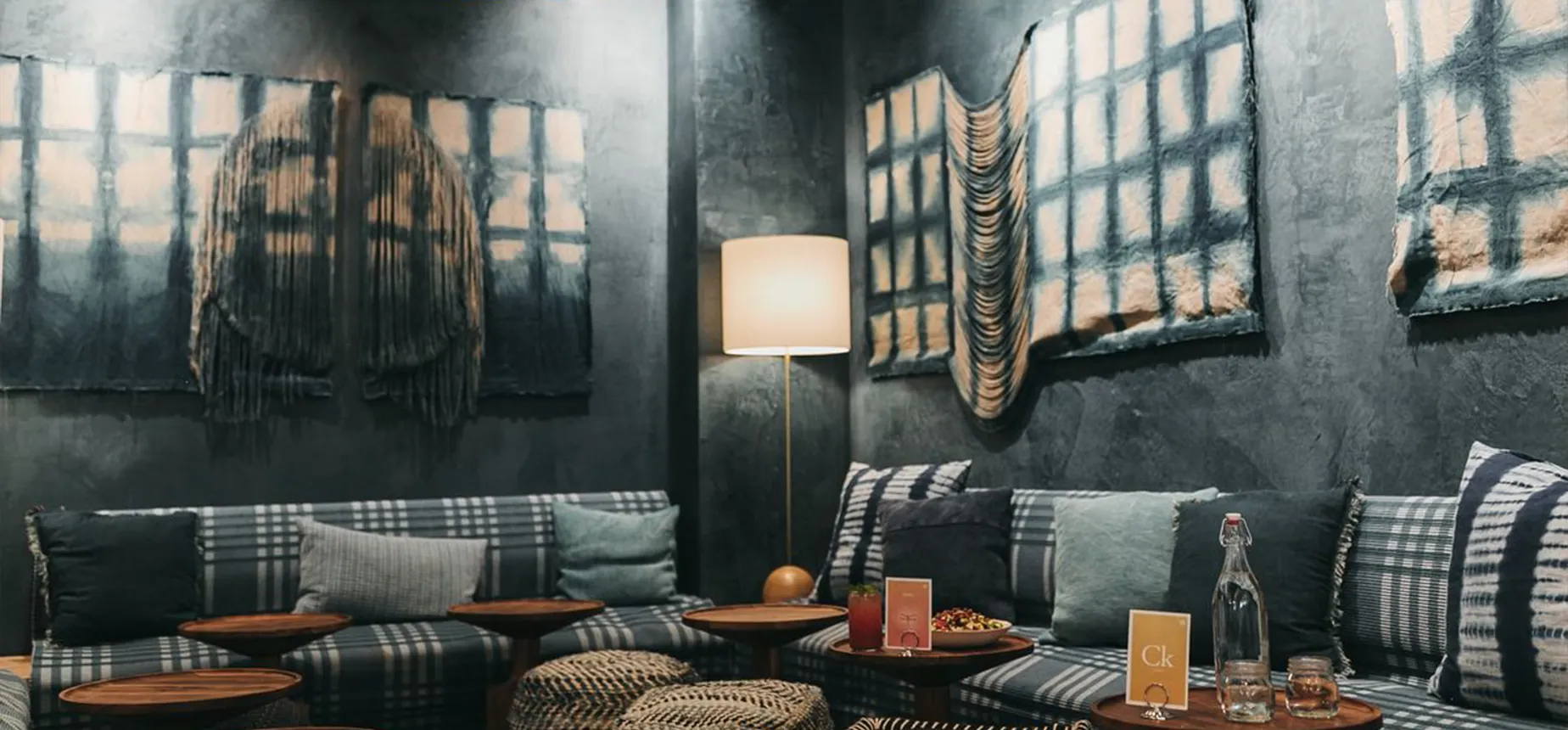
The tactile richness of lath and plaster walls exudes an authentic, timeless beauty. It gives buildings a unique character, adding depth and texture that contemporary materials often struggle to emulate. This method is hard to surpass for those seeking a classic or historic ambiance.
One of the lesser-known but highly valuable qualities of lath and plaster is its dampening sound. The density and thickness of plaster walls act as a natural sound barrier, minimizing the transmission of noise from room to room or the external environment. This makes spaces quieter and more peaceful, ideal for residences in noisy urban areas or buildings that require soundproofing, like theaters or studios.
The solid composition also offers thermal advantages. Their capacity to retain heat makes rooms warmer during colder months, and conversely, they keep spaces cooler during warmer seasons by resisting the penetration of external heat. This can save energy and create a more comfortable living or working environment.
Lath and Plaster walls can be finished in numerous ways, from a smooth, polished look to a more textured or rustic appearance. This flexibility allows homeowners and designers to tailor the final appearance to their specific tastes or the architectural style of the building.
Drawbacks of Lath & Plaster

Plasterite
While the charm and durability of lath and plaster construction are undisputed, it's essential to acknowledge the various challenges associated with this traditional method. One of the primary setbacks is the sheer effort and time it demands. Unlike the quicker installation of contemporary drywall, putting up lath and applying several coats of plaster requires patience and precision. Each layer of plaster often needs to dry thoroughly before the next can be applied, extending the construction timeline.
Lath and plaster construction is a craft necessitating skilled artisans familiar with the techniques and nuances of the process. As this method has become less common, finding experienced craftsmen can be challenging, often driving up costs due to the premium placed on specialized skills.
Over the years, as buildings settle and minor structural shifts occur, plaster walls can develop cracks. Minor cracks might be purely cosmetic, but larger fissures can compromise the wall's integrity, necessitating repairs. Unlike the relative simplicity of patching drywall, repairing plaster requires a more nuanced approach. The repair process might involve re-lathing, applying multiple plaster coats, and ensuring that the new plaster blends seamlessly with the old in texture and color.
Integrating modern-day amenities like electrical, HVAC, or plumbing systems into existing lath and plaster walls presents a unique set of challenges. Creating channels for wiring or pipes without damaging the structure or appearance of the wall requires careful planning and execution.
While lath and plaster provide a unique aesthetic and tactile experience that many homeowners and designers value, weighing these advantages against the potential challenges is essential. A well-informed decision ensures one can appreciate the charm of lath and plaster without being caught off guard by its intricacies.
Environmental Impact
Historically, lath and plaster materials were sourced locally, reducing transport-related emissions. These walls are durable, lasting for years, and reducing the need for frequent replacements. However, this same durability can pose challenges during demolition, as the disposal of such robust materials isn't straightforward and often lacks recycling options.
Traditional plaster usually requires less energy-intensive processes than many contemporary materials when considering the production phase, marking another environmental win. Additionally, plaster's natural thermal insulation properties could result in substantial energy savings, decreasing the demand for heating and cooling systems and thus reducing greenhouse gas emissions. Moreover, traditional plaster typically doesn't contain volatile organic compounds (VOCs), ensuring better indoor air quality.
While lath and plaster may seem archaic next to today's construction standards, their environmental attributes remain noteworthy.
Cost Considerations

Plaster Artistry
The financial implications of opting for lath and plaster construction predominantly revolve around labor expenditures. The meticulousness inherent in this construction method necessitates a high degree of skill and knowledge, often driving up labor costs compared to more contemporary wall finishes.
The process is labor-intensive and time-consuming, leading to extended project durations, which can further elevate costs. Yet, for individuals or institutions that prioritize preserving historical integrity in their renovation projects or those who deeply appreciate the distinct look and feel that lath and plaster bring to a space, such costs might be considered worthwhile. Beyond the tangible benefits, the intrinsic value derived from the authenticity and character of lath and plaster can make the higher expenditure seem like a fair trade-off.
Conclusion
Lath and plaster hold a revered place in the annals of construction history. These techniques encapsulate an era where buildings were as much about art as shelter, representing a blend of craftsmanship, artistry, and utility. While modern materials and methods may dominate contemporary construction, the legacy of lath and plaster remains, bearing witness to the skills of bygone artisans.
Keep reading
More on Plaster