Daltile
Tile Walls: Pros, Cons, and Costs Before You Renovate
Daltile
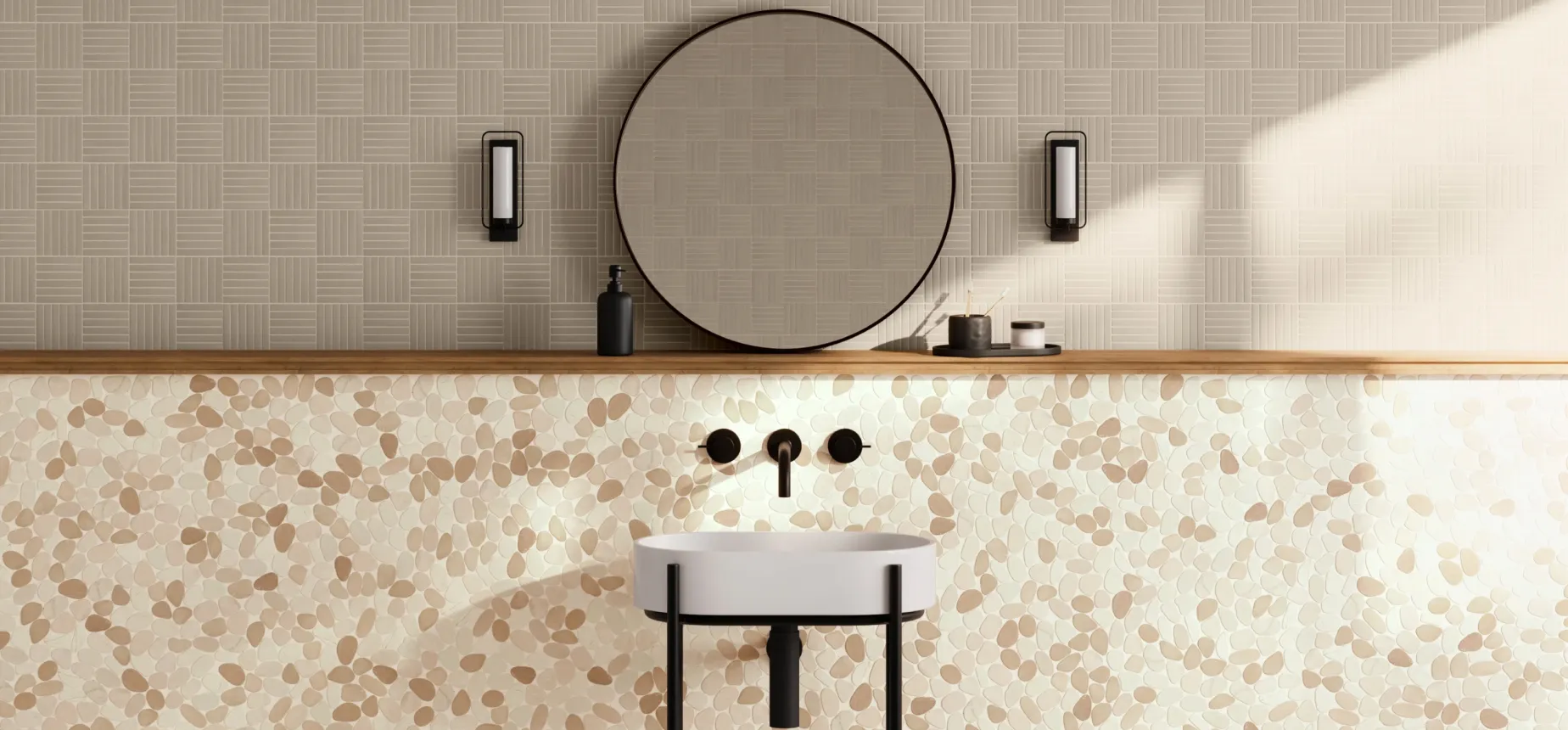
Tile walls have long been popular in home and building design. Known for their durability, variety, and aesthetic appeal, they are particularly favored in moisture-prone areas like bathrooms and kitchens due to their resilience against humidity. Choosing tile walls involves more than just selecting a style; it requires consideration of factors like installation complexity, maintenance needs, and cost. This introduction aims to clearly understand the advantages and challenges of tile walls, helping you make a well-informed decision for your space.
The Advantages of Tile Walls

Daltile
One of the primary advantages of tile walls is their longevity and resilience. Tiles, especially those crafted from ceramic and porcelain, are resilient against humidity, making them ideal for areas such as bathrooms and kitchens, where moisture is prevalent. The broad spectrum of materials, encompassing ceramic, porcelain, glass, and natural stone, offers designers and homeowners a vast canvas for expression. Whether one desires the ethereal beauty of a mosaic or the understated elegance of subway tiles, there's a tile to cater to every design inclination.
Maintaining tile walls is straightforward, primarily because of their inherent properties that resist wear and tear. Many tiles, especially those with a glazed finish, have a protective layer that wards off water, ensuring moisture doesn't penetrate their surface. This water-repellent feature is particularly beneficial in areas prone to dampness, such as bathrooms and kitchens, preventing the proliferation of mold and mildew. Their stain-resistant quality means that accidental spills from cooking splatters or cosmetic products can be wiped away without leaving any marks. Over time, even with minimal upkeep, these tiles retain their original luster, ensuring walls look as pristine as the day they were installed.
Beyond the aesthetic and functional benefits, tile walls positively affect the indoor environment. Unlike other materials that might trap and accumulate allergens like dust, pollen, or pet dander, the smooth surface of tiles offers no refuge for these particles. This is a boon for those with allergies or respiratory concerns, as it ensures a lower allergen presence indoors, promoting a healthier living space. Regular light cleaning, such as dusting or wiping with a damp cloth, is usually sufficient to maintain this allergen-free environment and keep the tiles gleaming.
The Drawbacks of Tile Walls

Daltile
However, no material is without its challenges. While tiles might be resistant to moisture, the grout lines between them can be a vulnerable point. If not adequately sealed, these grout lines might succumb to mold or mildew, requiring regular cleaning or replacement. Another consideration is the installation process; aligning tiles perfectly, especially intricate patterns, demands skill and patience. Mistakes can be costly both in terms of time and materials.
The choice between different tile types can influence the wall's final look and durability. While porcelain tiles might be more resilient and less porous, they could be on the pricier end of the spectrum. Ceramic tiles might be more affordable but do not offer the same strength or moisture resistance as porcelain. Natural stone tiles, with their unique patterns and textures, bring a slice of nature indoors but might necessitate frequent sealing to prevent staining and maintain their sheen.
Environmental Concerns

The Tile Shop
Tiles' environmental footprint is mixed. Their production, especially for materials like porcelain, can be energy-intensive due to the high-temperature kilns. On the flip side, the durability of tiles, which means less frequent replacements, can offset some of this initial environmental cost. As sustainability becomes a priority, many tile producers lean towards eco-friendly production methods and materials. For instance, many manufacturers now incorporate recycled content into their tiles, reducing the need for raw materials. Additionally, advancements in production technology have led to energy-efficient kilns, lowering the carbon footprint. By opting for these sustainable tiles, consumers can achieve their design vision while making an environmentally conscious choice.
Cost Considerations

Tile Club
The cost considerations involved in opting for tile walls are extensive, surpassing the simple price calculation per tile. Initially, the choice of tile material plays a pivotal role in determining overall costs, with options like porcelain and natural stone typically carrying a higher price than their ceramic counterparts.
Installation costs also significantly contribute to the total expenditure, with professional installation being advisable, particularly for intricate patterns or specialized materials, to maintain aesthetic appeal and durability. This professional approach can invariably increase the total outlay. Additionally, certain tiles might necessitate specific adhesives or support materials, further influencing the material costs.
For instance, tiles made of heavy stone or uniquely textured materials might require stronger adhesives to remain securely affixed to the wall. Tiles designed for specific environments, such as wet areas like bathrooms or exteriors exposed to extreme weather, may need specialized backings or underlayments to prevent moisture intrusion and improve adherence.
Maintenance and the prospect of future repairs also affect the overall cost. Although tiles are renowned for their durability, complications such as cracked or chipped tiles and eroding grout can incur additional repair costs. Some tiles, notably natural stone varieties, may necessitate regular sealing to preserve their allure and stain-resistant properties.
When allocating a budget for tile walls, it’s essential to consider all these elements, ensuring the selected tiles harmonize with design aspirations and financial constraints.
Keep reading
More on Tile