Types of Wood Used for Interior Walls: 11 Options Compared
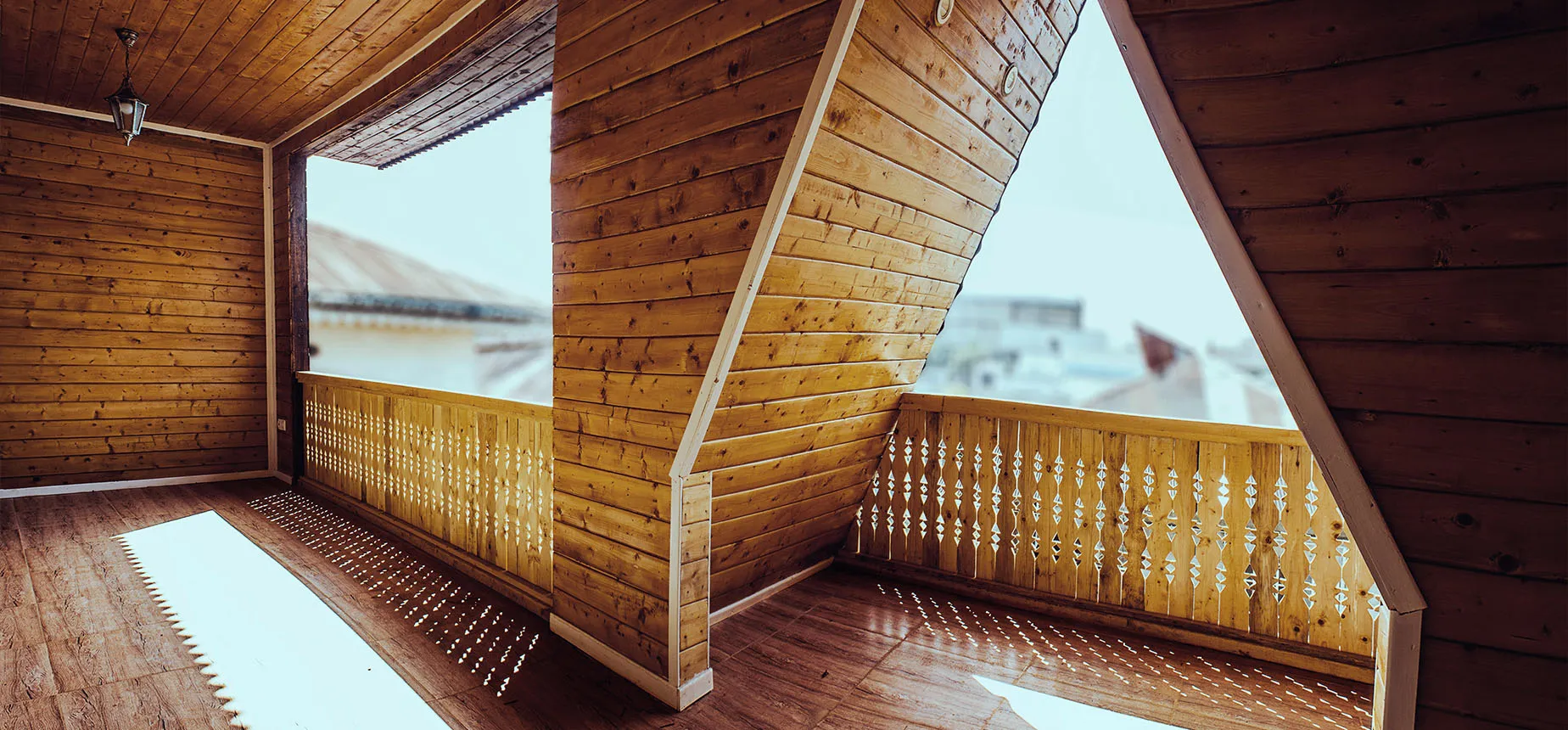
Choosing the appropriate wood type for your walls is as much a design decision as it is about understanding the material's inherent properties. Various wood species offer unique textures, colors, durability, and grain patterns. The options are plentiful, from the rustic charm of reclaimed barn wood to the refined grace of polished oak. When selecting wood for your walls, it's essential to consider aesthetics, maintenance, and your budget.
If you plan to install wood on your walls with the intention of painting over it, the natural aesthetic attributes of the wood, such as the grain and hue, become secondary considerations as paint would mask this, making specific wood type selection less cost-effective. Instead, a more affordable wood that meets structural and durability criteria is a wiser choice. When done with care and attention to detail, painted wood walls can be equally captivating and beautiful, offering a smooth and uniform appearance that can complement various interior styles.
For those seeking the natural beauty of wood as the material of choice for their walls, here are a few options:
Oak Walls
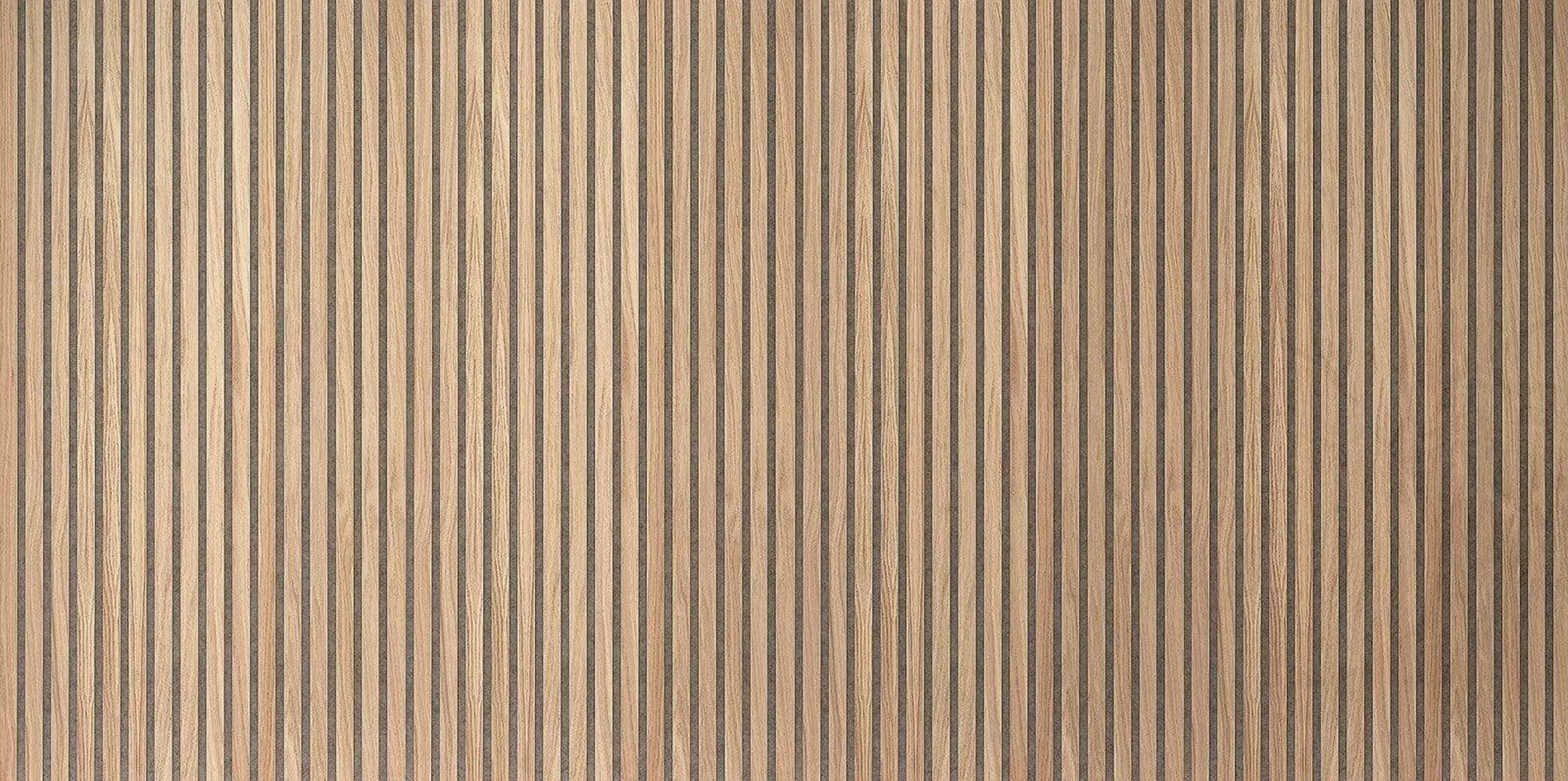
Oak is renowned for its durability and flexibility, making it a preferred choice for walls. With a spectrum ranging from pale tan to deep brown and a prominent grain, oak suits diverse interior styles. While oak brings many benefits, its superior quality can sometimes mean a higher price.
The Wood Veneer Hub
Maple Walls
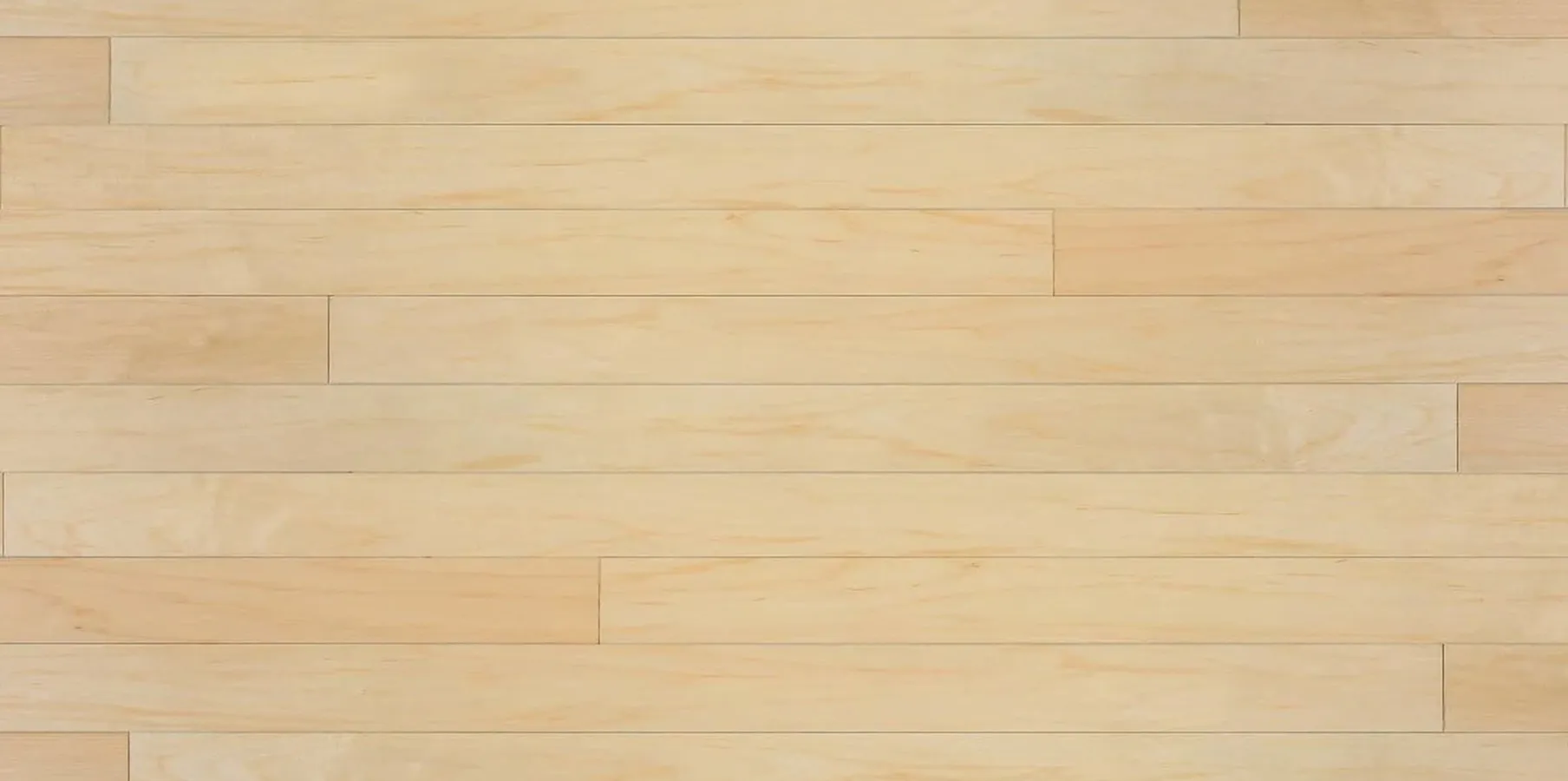
Maple walls exude elegance with a light palette ranging from creamy white to a subtle reddish hue. While it boasts a subtle grain pattern, maple walls can sometimes exhibit more wear than denser wood types, revealing a more complex grain with age.
Wallplanks
Cherry Walls
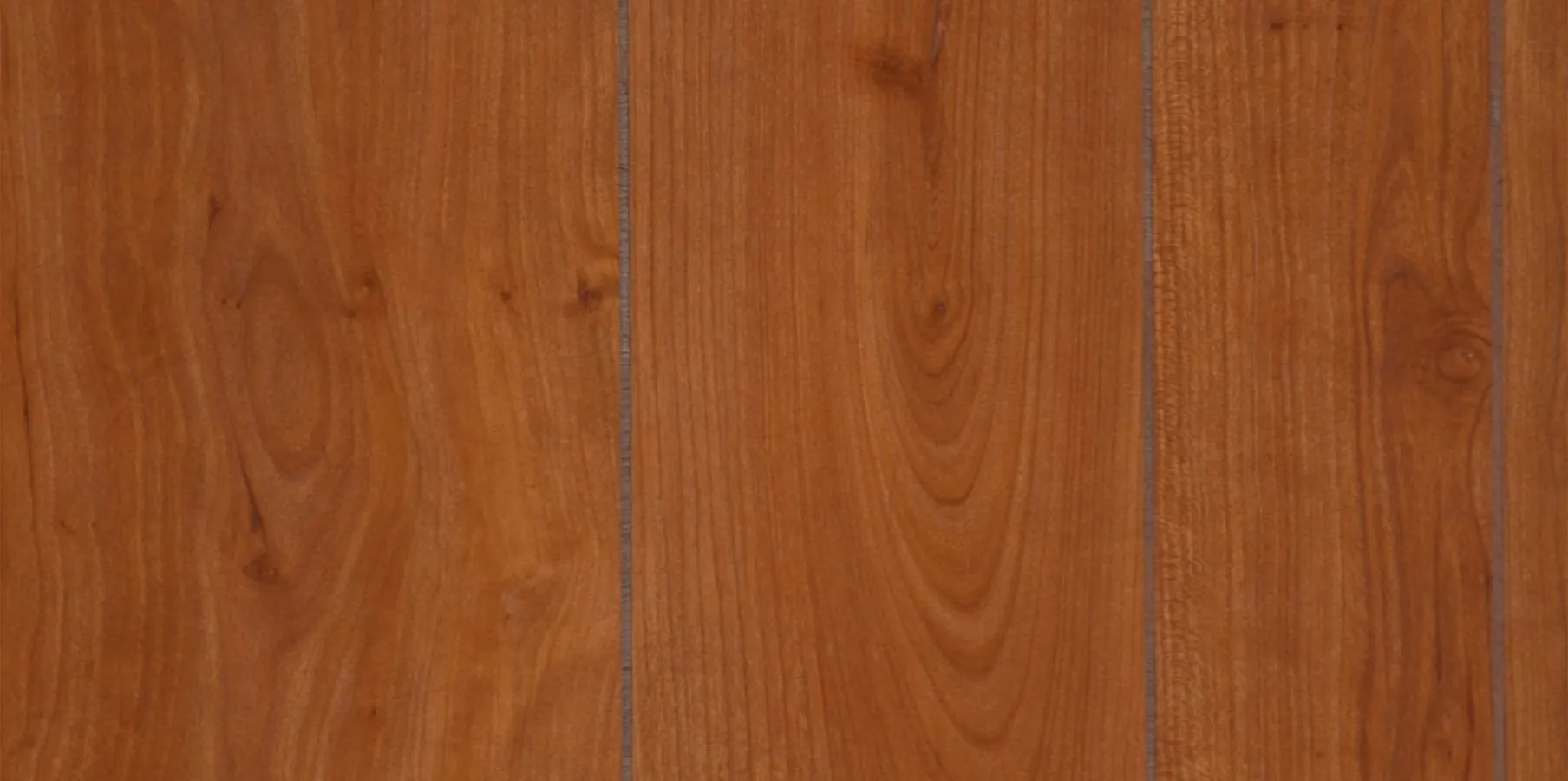
Cherry wood walls come alive with deepening reddish tones over time. Ideal for spaces seeking sophistication, cherry's softness does make it prone to nicks and scratches, especially in high-traffic areas.
Mantlecraft
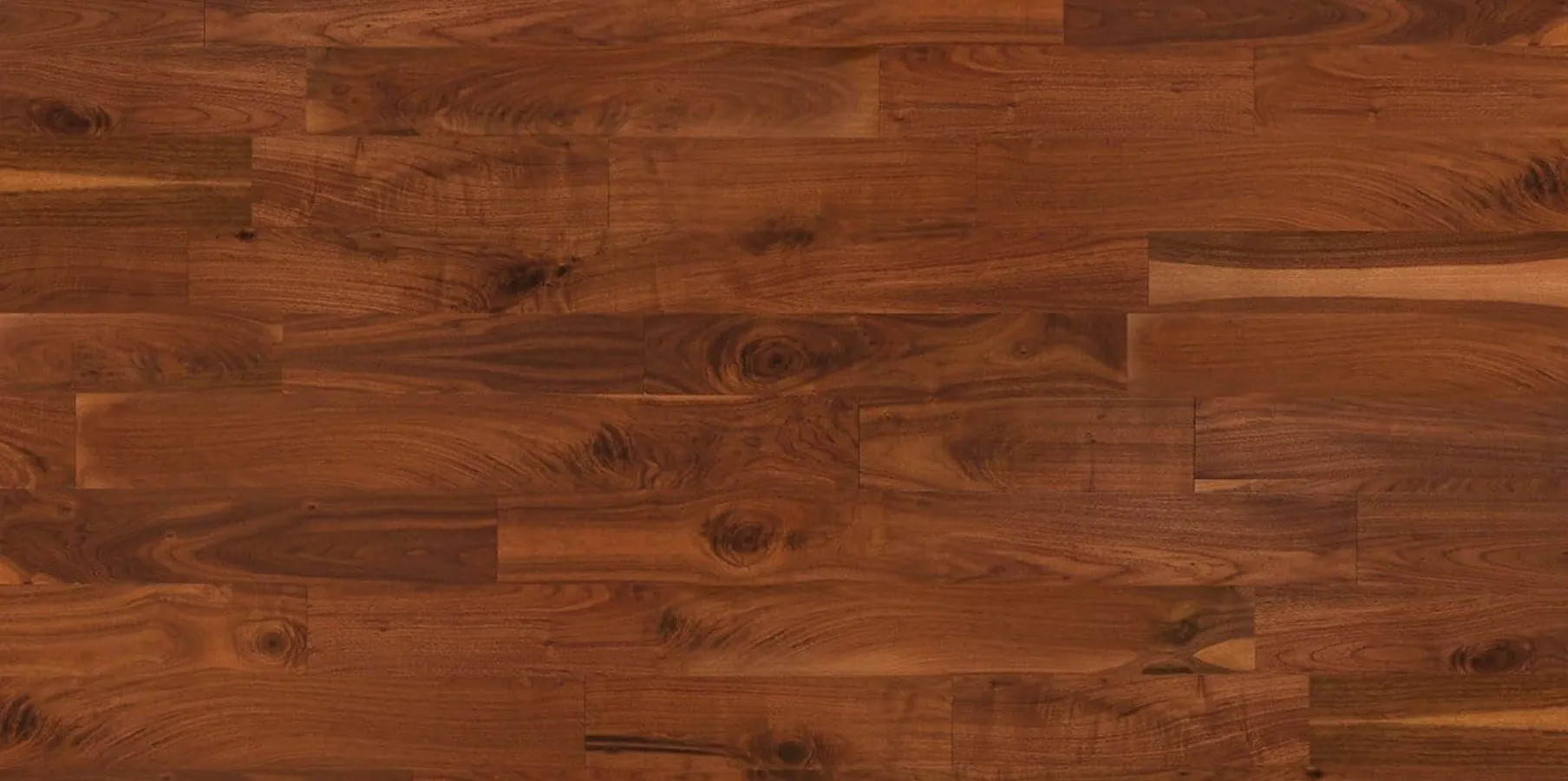
Walnut Walls
Black walnut offers a luxurious feel with its deep, chocolatey tones. Beyond its captivating appearance, walnut is durable, resisting day-to-day wear. However, the premium quality of Walnut wood often carries a premium price.
Wallplanks
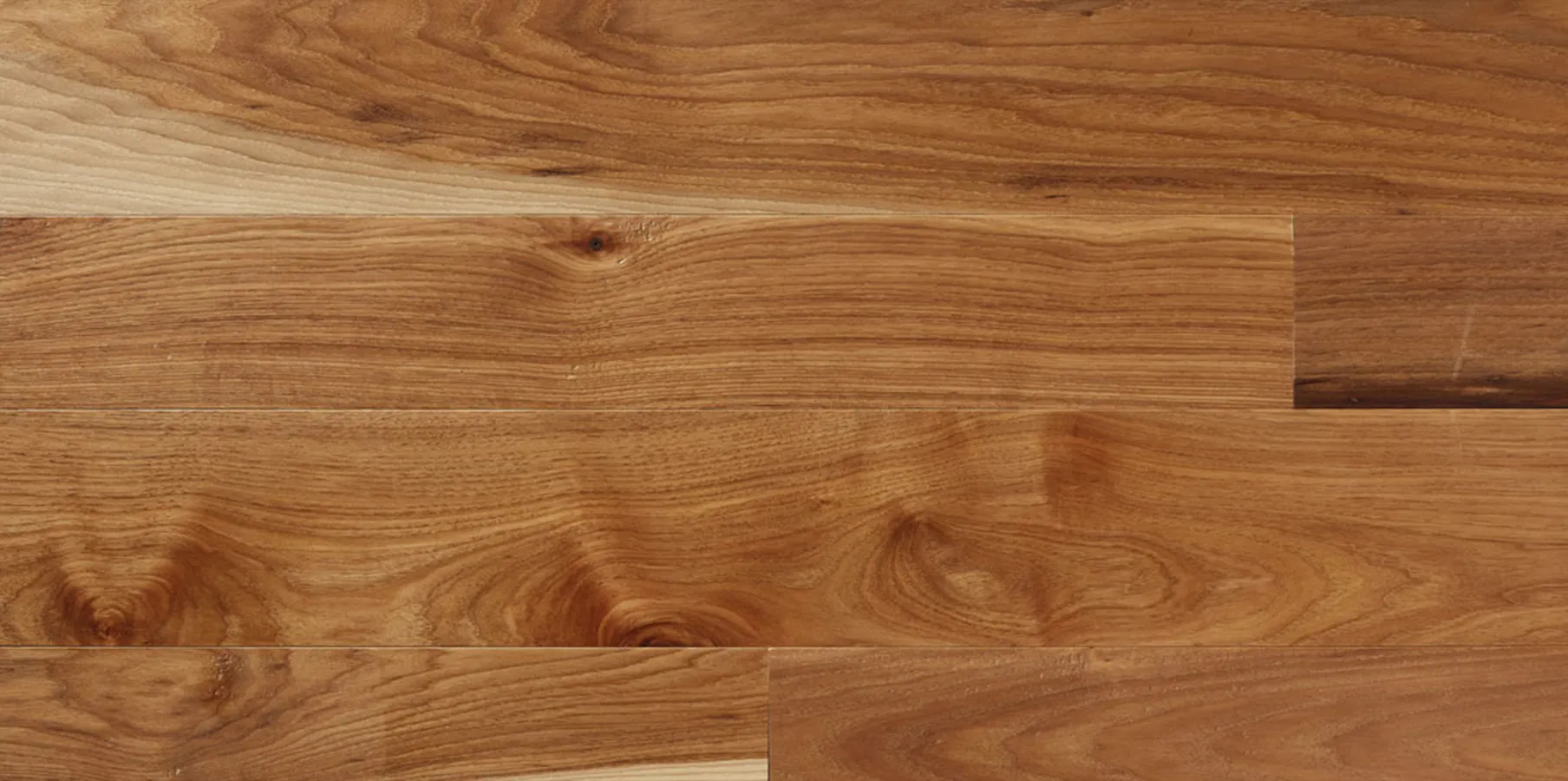
Hickory Walls
If rustic charm is the desired effect, hickory delivers in spades with its bold grain patterns ranging from creamy white to medium brown. Though durable, its distinct grain might not be to everyone's taste.
Elmwood Reclaimed Timber
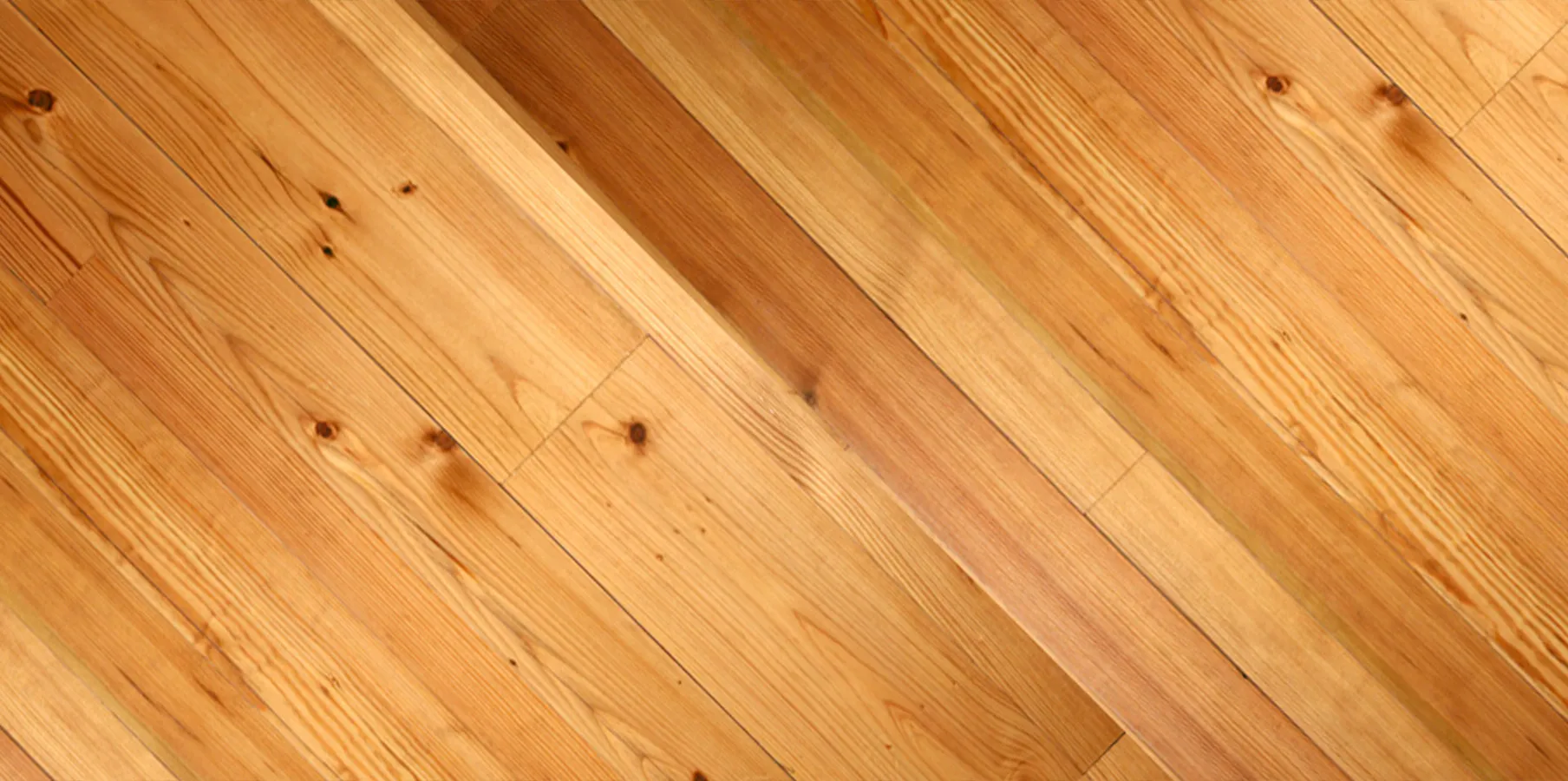
Pine Walls
Pine, though softer, is favored for its character, with colors stretching from yellow to brown and a grain that evokes a rustic feel. Its susceptibility to damage means extra care is essential.
Elmwood Reclaimed Timber
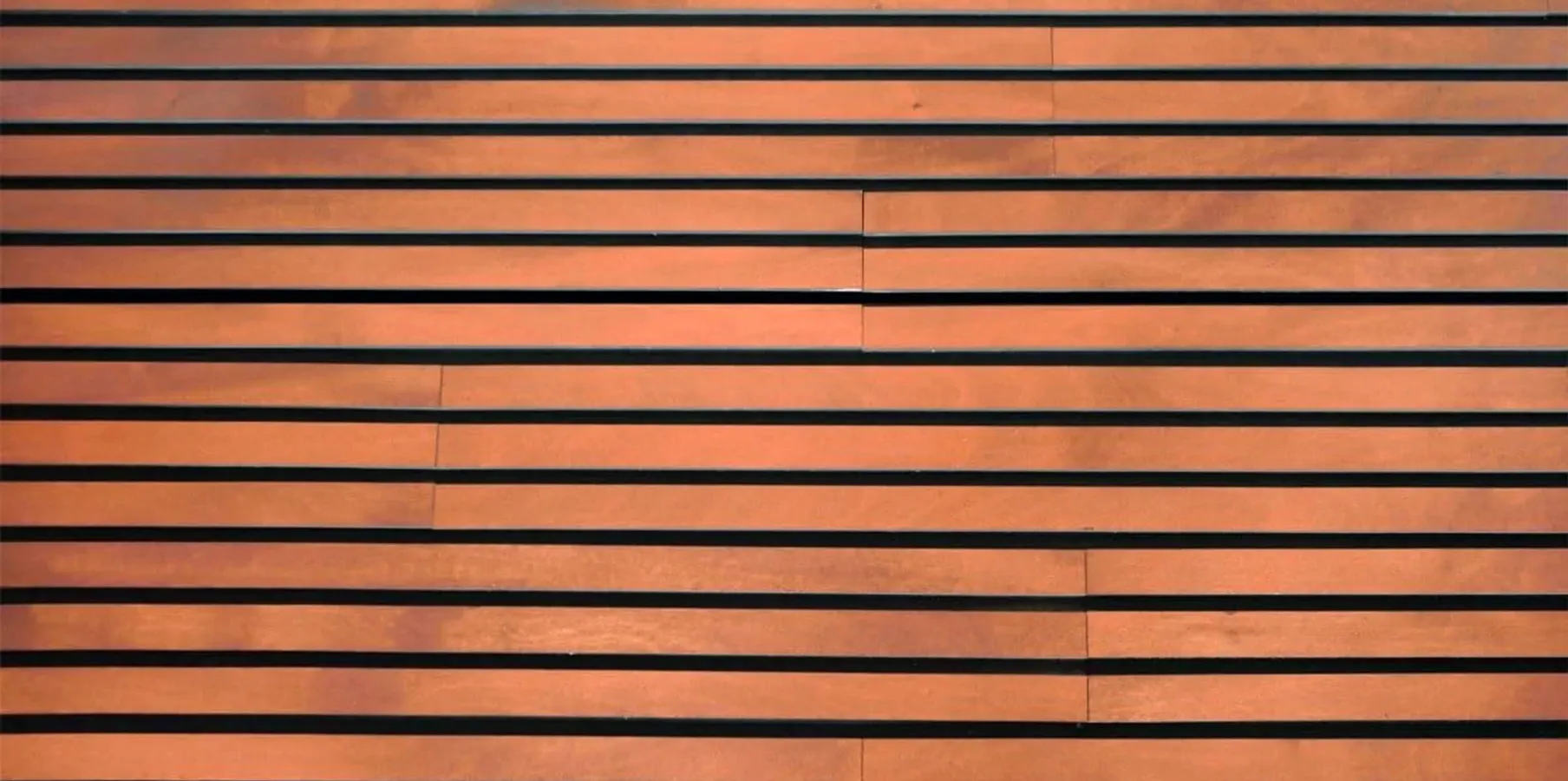
Mahogany Walls
Valued for its beauty and deepening reddish-brown hue over time, mahogany is both elegant and resilient against water damage. Its high quality comes with a matching price tag.
Wallplanks
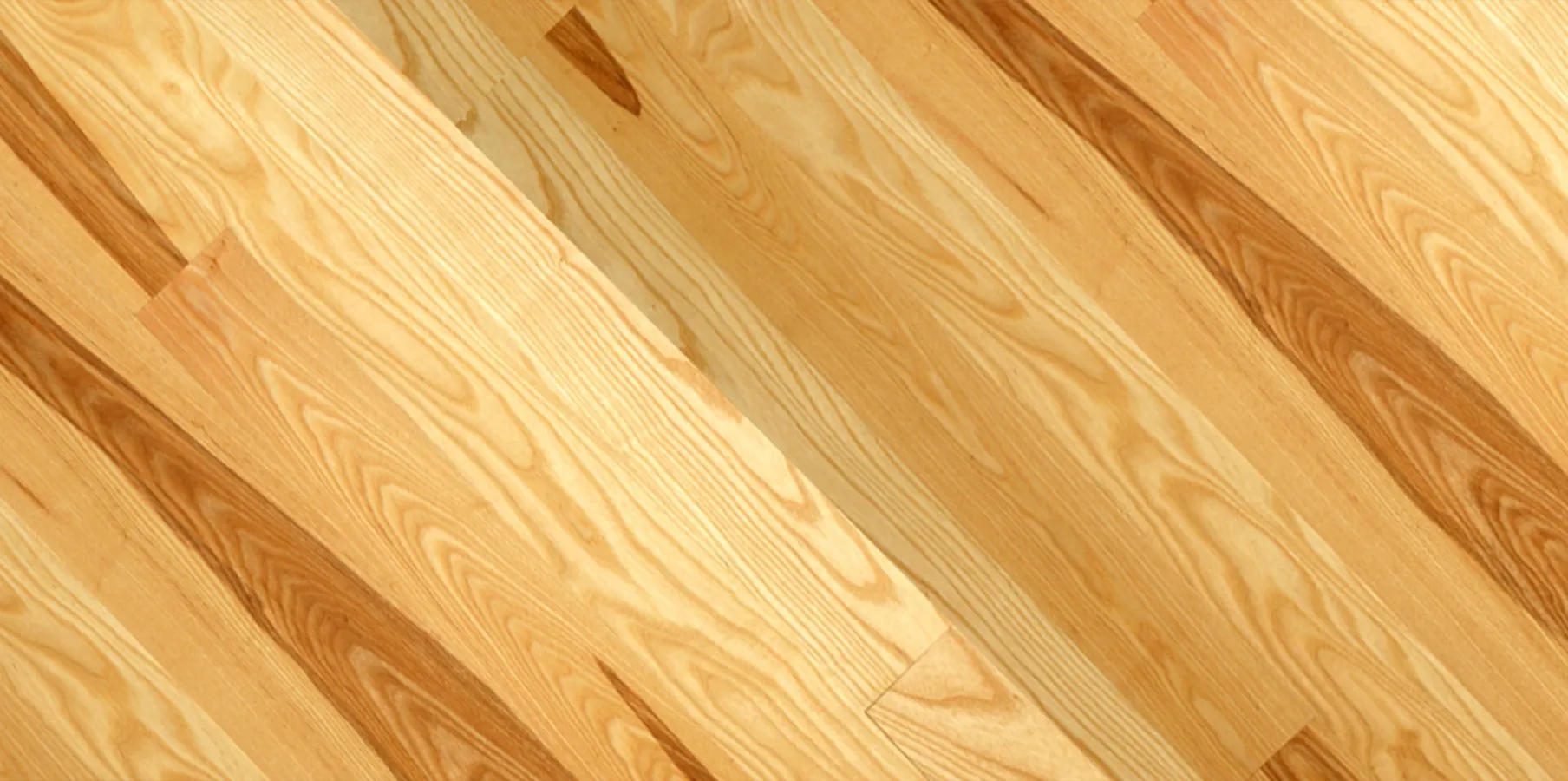
Ash Walls
Ash offers a pale yellow palette with a bold grain. While somewhat resembling oak, ash has its unique charm. However, its rarity can sometimes make it a pricier option.
Elmwood Reclaimed Timber
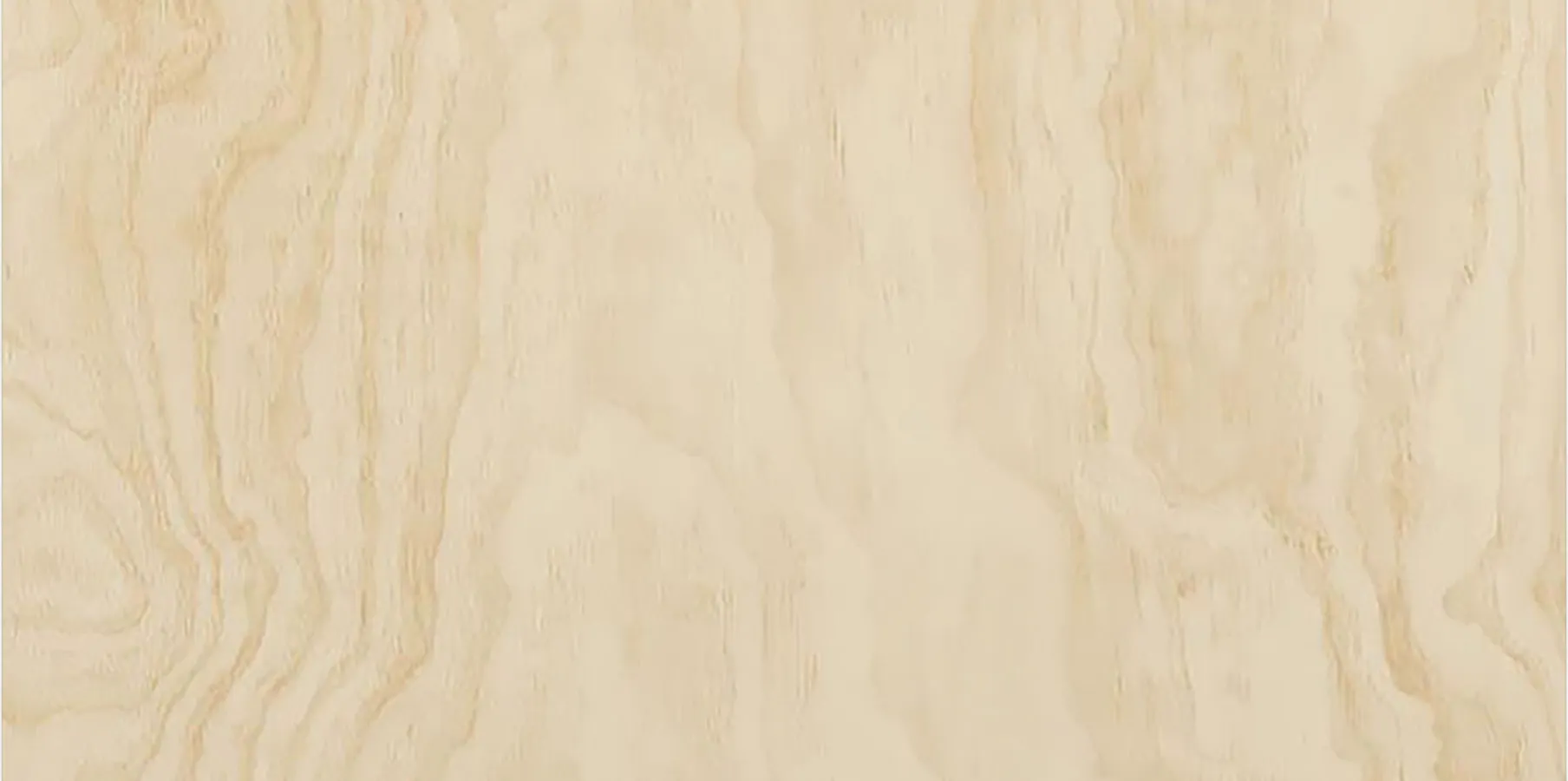
Birch Walls
Though less common, birch provides an appealing grain and a color palette stretching from light yellow to medium brown. Its softer nature means it might be prone to damage.
ArchitecturalDepot.com
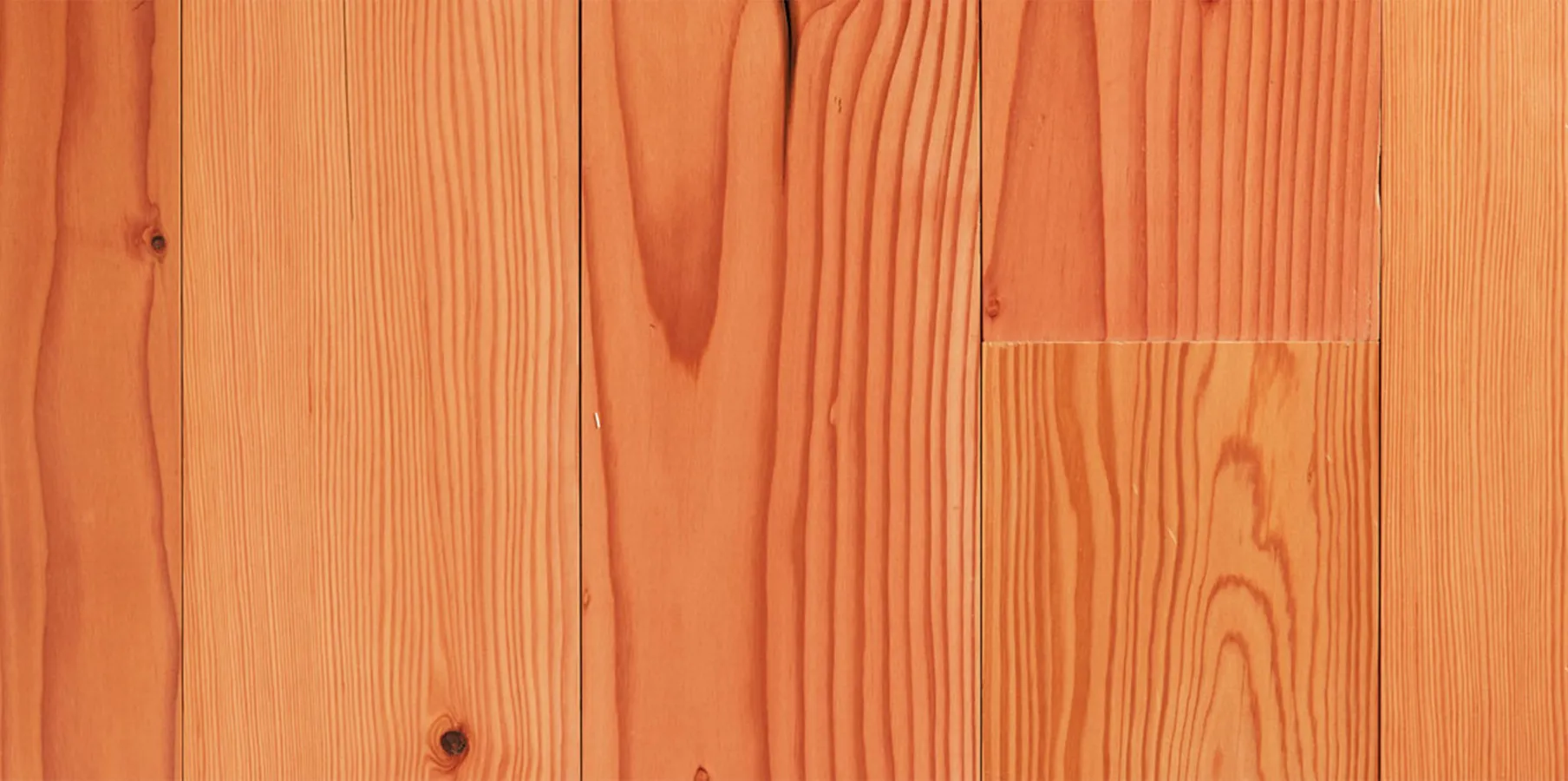
Douglas Fir Walls
Popular in the Pacific Northwest, Douglas fir stands out with its reddish-brown tone and distinctive grain. Its smooth finish suits both modern and traditional interiors.
Elmwood Reclaimed Timber
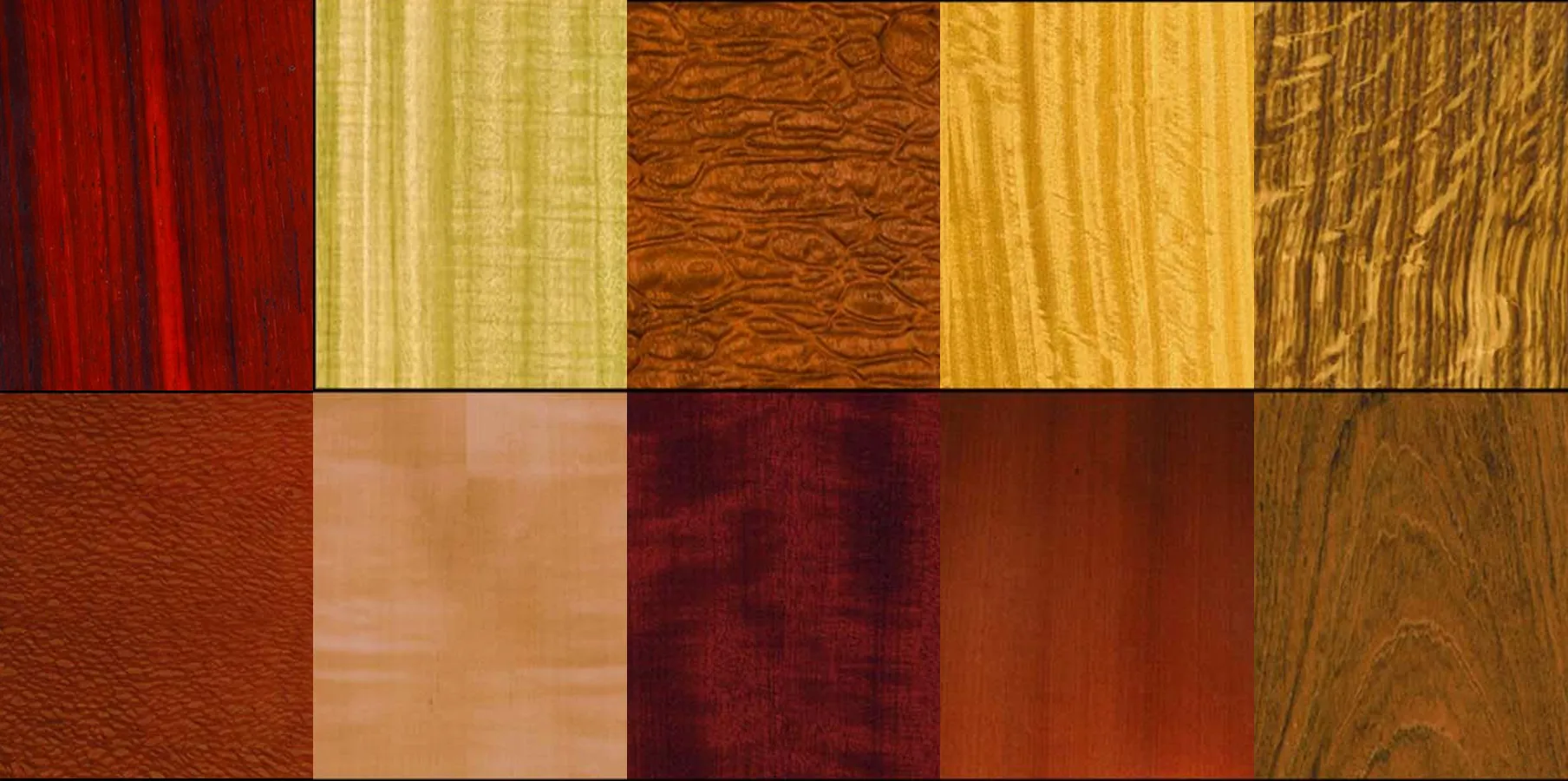
Exotic Woods for Walls
For those seeking a break from the ordinary, exotic woods from regions outside North America and Europe bring unique textures and colors. Examples include Brazilian Cherry, Teak, and Tigerwood. While these woods can elevate any interior, they often come at a higher price and may have specific maintenance needs. It's also crucial to ensure sustainable sourcing to minimize environmental impact.
Fifth Wall Designs
Keep reading
More on Wood


