Lumber Plus
WPC Wall Panels: Durable, Waterproof Interior Options
Lumber Plus
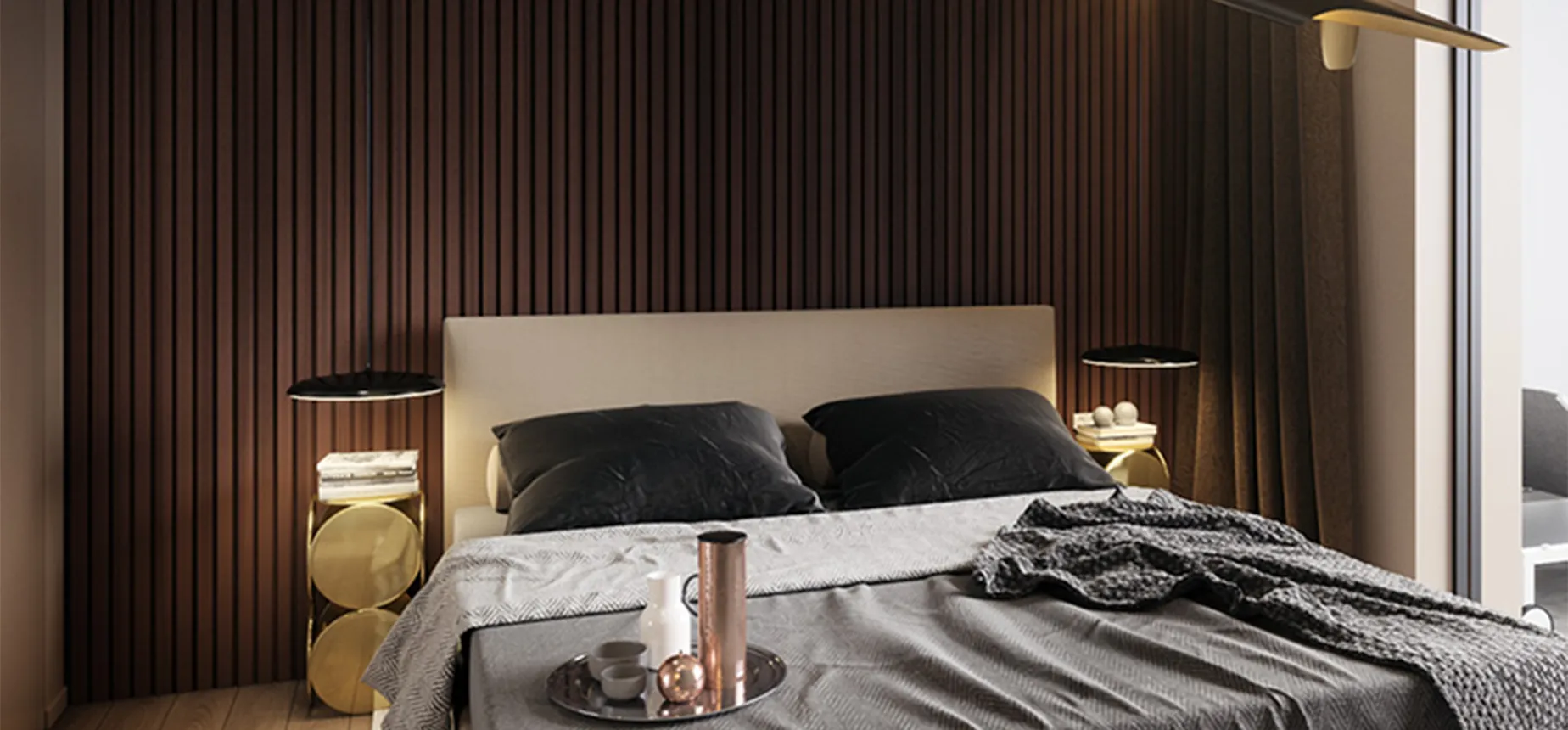
Wood Plastic Composite (WPC), traditionally used in innovative flooring solutions, is now gaining popularity as a versatile material for interior wall installations. Its unique composition, combining wood and plastic, offers a blend of aesthetic appeal and practical functionality.
Layered Construction of WPC
Sohnne
Backing Layer
In wall applications, the backing layer, typically made of cork or foam, provides sound insulation and contributes to the overall thermal insulation of the space.
WPC Core
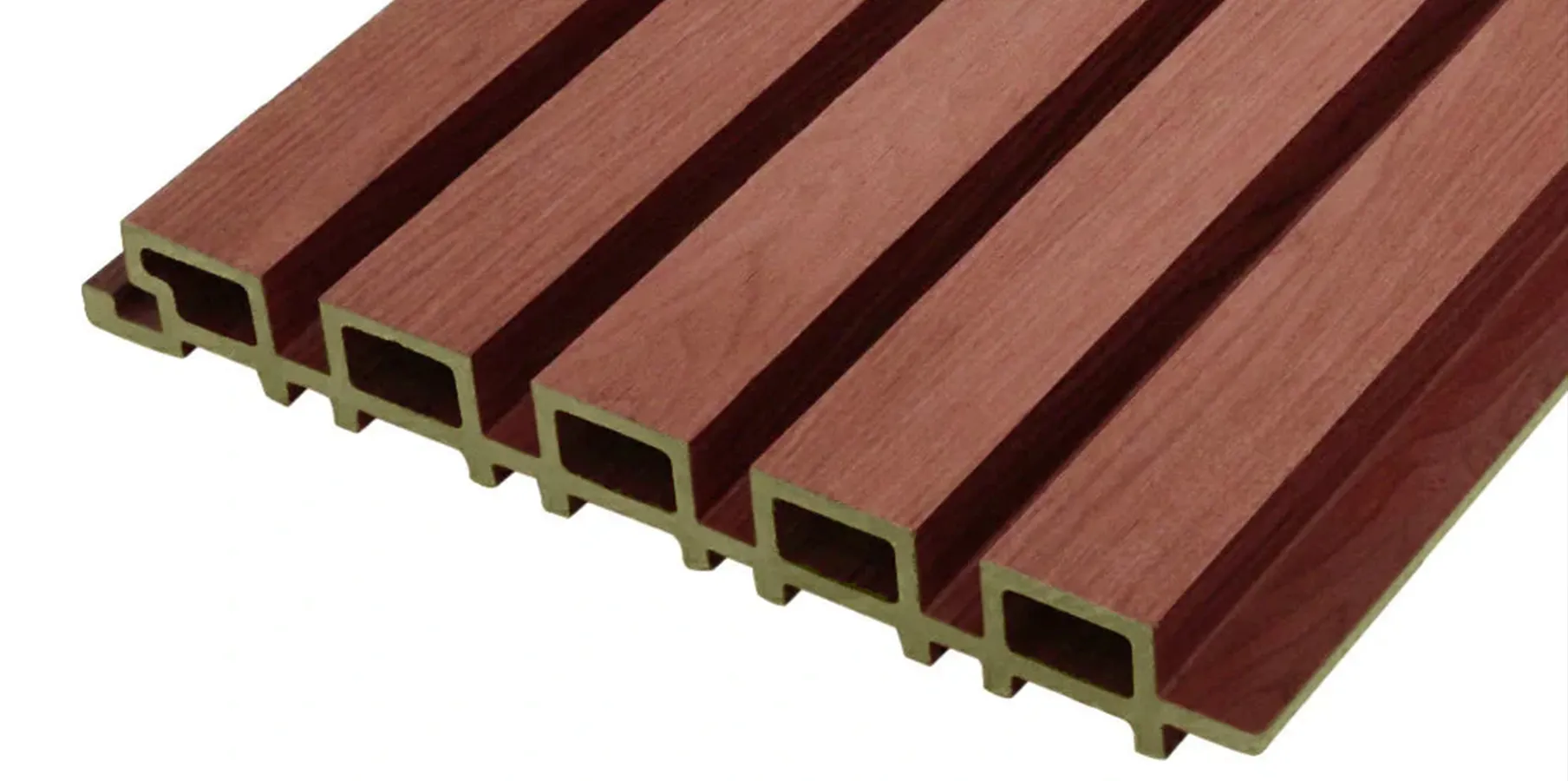
The core of WPC wall panels is a composite material made from wood fibers or wood flour mixed with thermoplastics like PVC. This fusion creates a sturdy, moisture-resistant, and durable core, providing a solid foundation for wall installations.
Print Layer
High-definition graphics on this layer realistically mimic various wood species. The advanced printing technology ensures vibrant, clear, and natural-looking wood patterns and textures, enhancing the aesthetic appeal of interior walls.
Wear Layer
For wall applications, the wear layer is a clear, tough coating, usually made of urethane. It protects the wall surface from scratches, scuffs, and general wear, preserving its appearance over time.
Features and Benefits for Wall Use
Slat Solution
Waterproof Properties: WPC's excellent water resistance makes it an ideal choice for areas like bathrooms and kitchens where moisture is a concern.
Durability: WPC wall panels are designed to withstand wear and tear, making them suitable for residential and commercial settings.
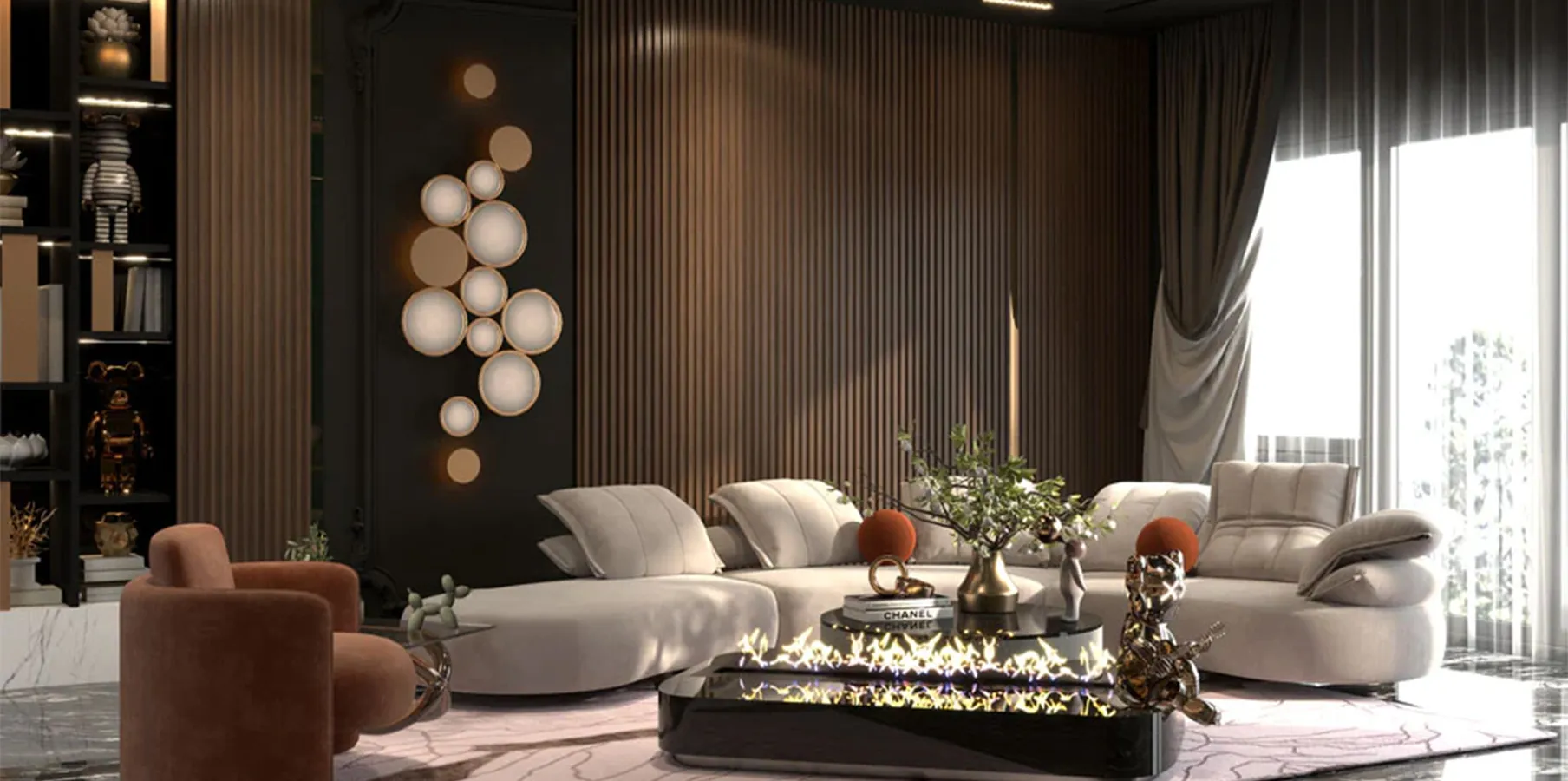
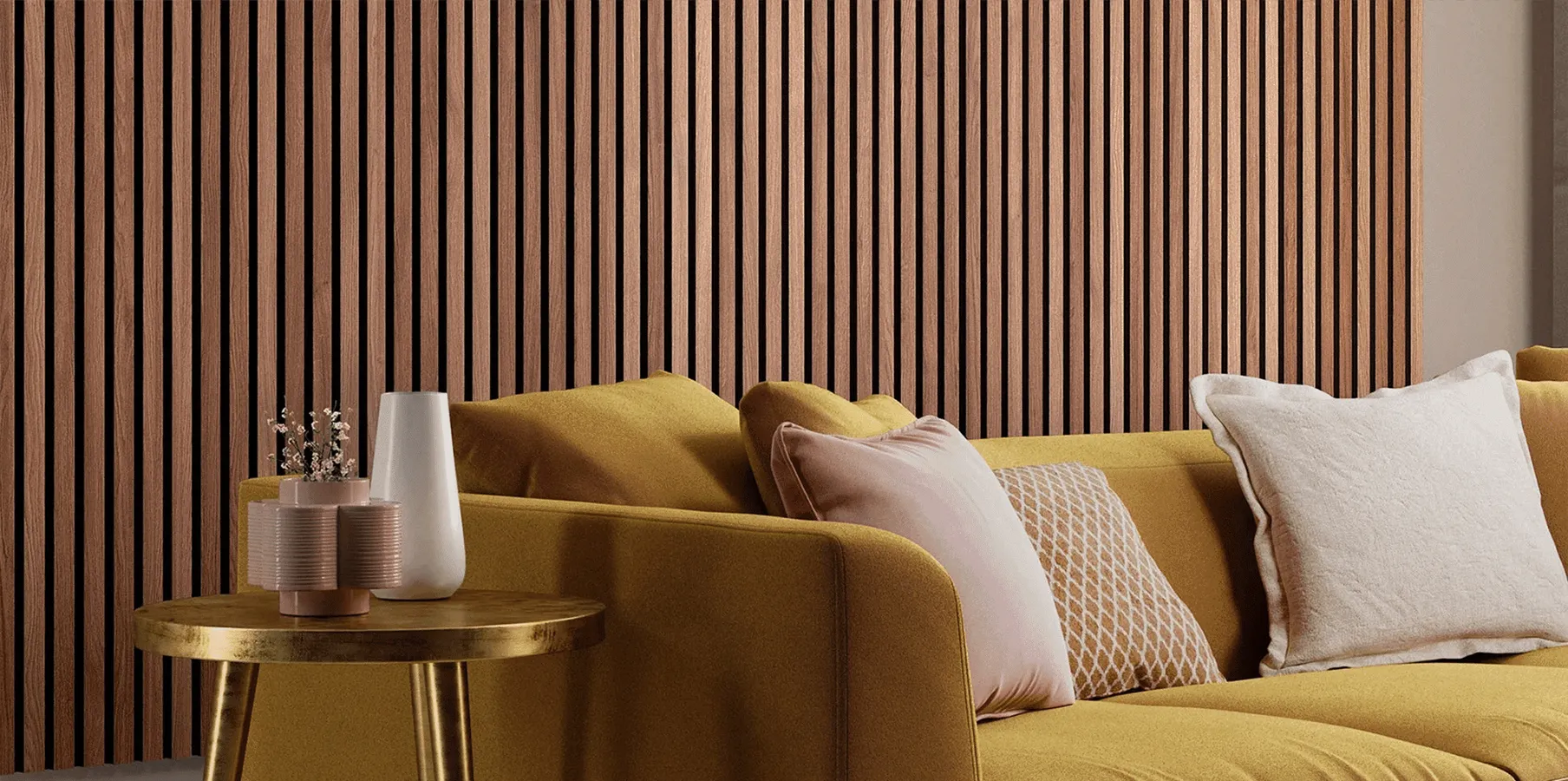
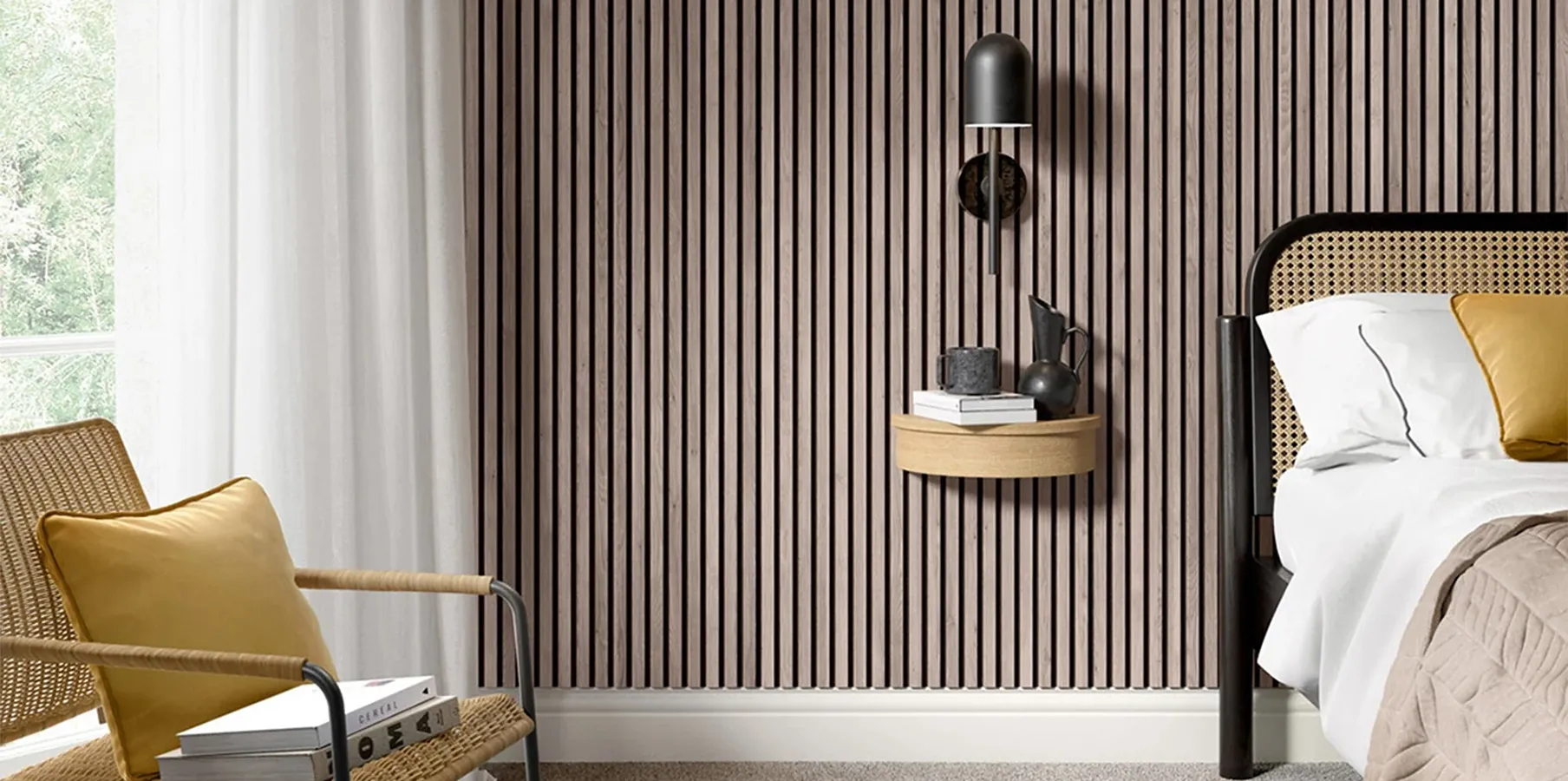
Aesthetic Appeal: The variety of designs available in WPC allows for a range of styles, from traditional to modern, providing flexibility in interior design.
Ease of Installation: WPC wall panels often come with an easy installation system, such as click-lock, simplifying the installation process.
Considerations for Wall Installation
Sohnne
Cost: WPC wall panels can be more costly than some traditional materials, but they offer significant long-term benefits in durability and maintenance.
Weight and Thickness: The sturdy construction of WPC makes it thicker and heavier, which should be considered when planning for wall installations.
Temperature Sensitivity: Although WPC is generally stable, it's important to consider the product's reaction to extreme temperature changes in certain environments.
Sohnne
Summary
Overall, Wood Plastic Composite (WPC) presents an excellent option for those looking for a durable, moisture-resistant, and visually appealing solution for interior walls. Its combination of wood aesthetics with the benefits of modern composite materials makes it suitable for a wide range of applications, enhancing both residential and commercial spaces.
Keep reading
More on Wood


