Vero Beach Eletrical
Electrical Panel History: From Edison's Fuse to Smart Panels
Project Guide:
Plan Your Electrical System
Vero Beach Eletrical
The history of the electrical panel is a story of technological evolution, marked by improvements aimed at managing the distribution of electricity with greater safety and efficiency.
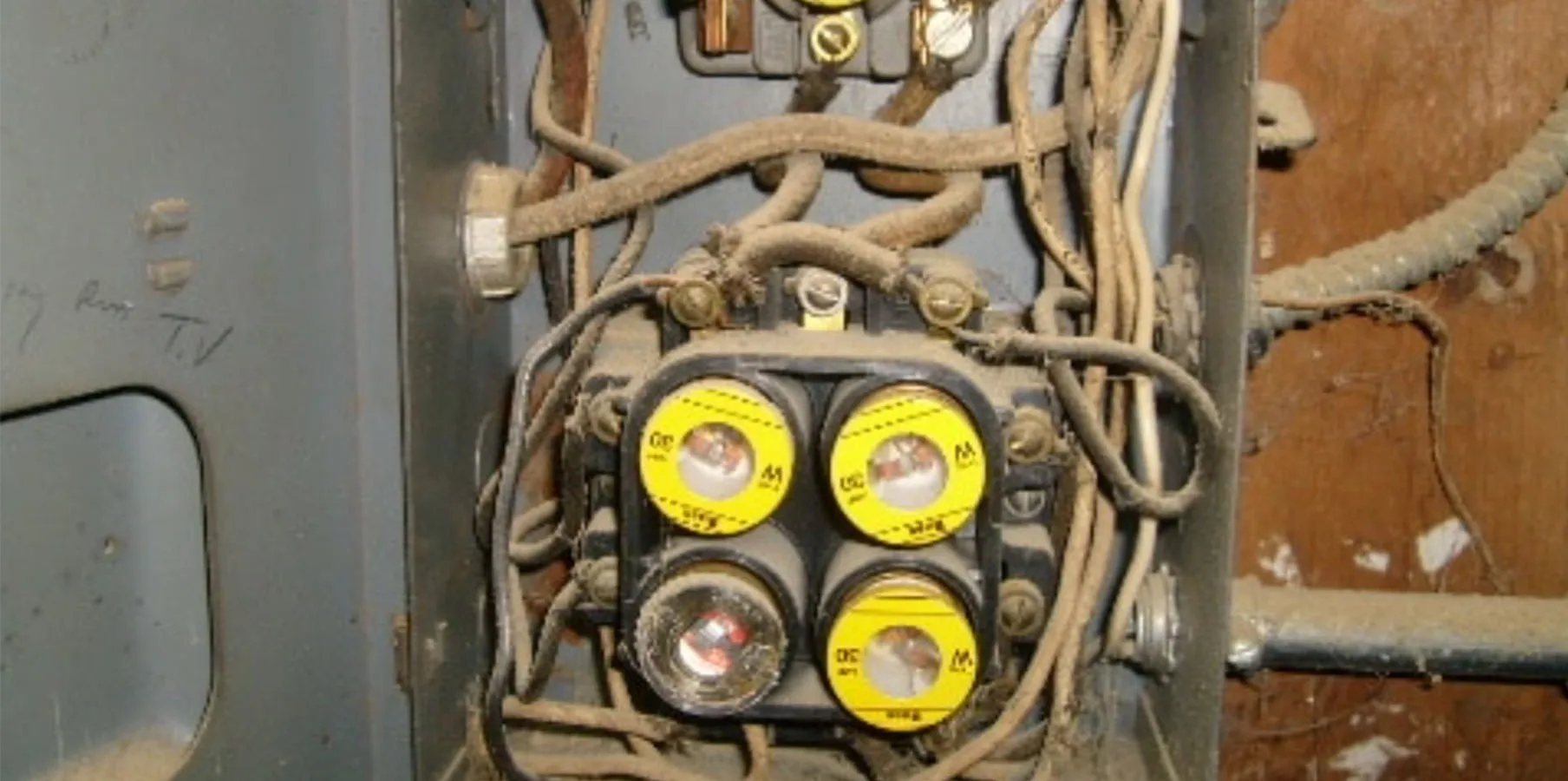
Early distribution systems emerged with the advent of electrical power in homes and businesses in the late 1800s. Thomas Edison, known for his many inventions, is credited with creating the first electrical fuse in the 1870s. Housed in fuse boxes, these fuses would melt under excessive current, breaking the circuit to avert fires and other hazards. These fuse boxes were the precursors to modern electrical panels.
In 1879, an American electrical engineer named Harold P. Brown developed an early version of the circuit breaker, which he called a "circuit-closing device." However, it was in the early 20th century that the circuit breaker became more refined and widely used. Unlike fuses, circuit breakers could be reset rather than replaced, offering a significant convenience and safety advantage, and this period marked the beginning of the shift from fuse boxes to what we would recognize as modern circuit breaker panels.
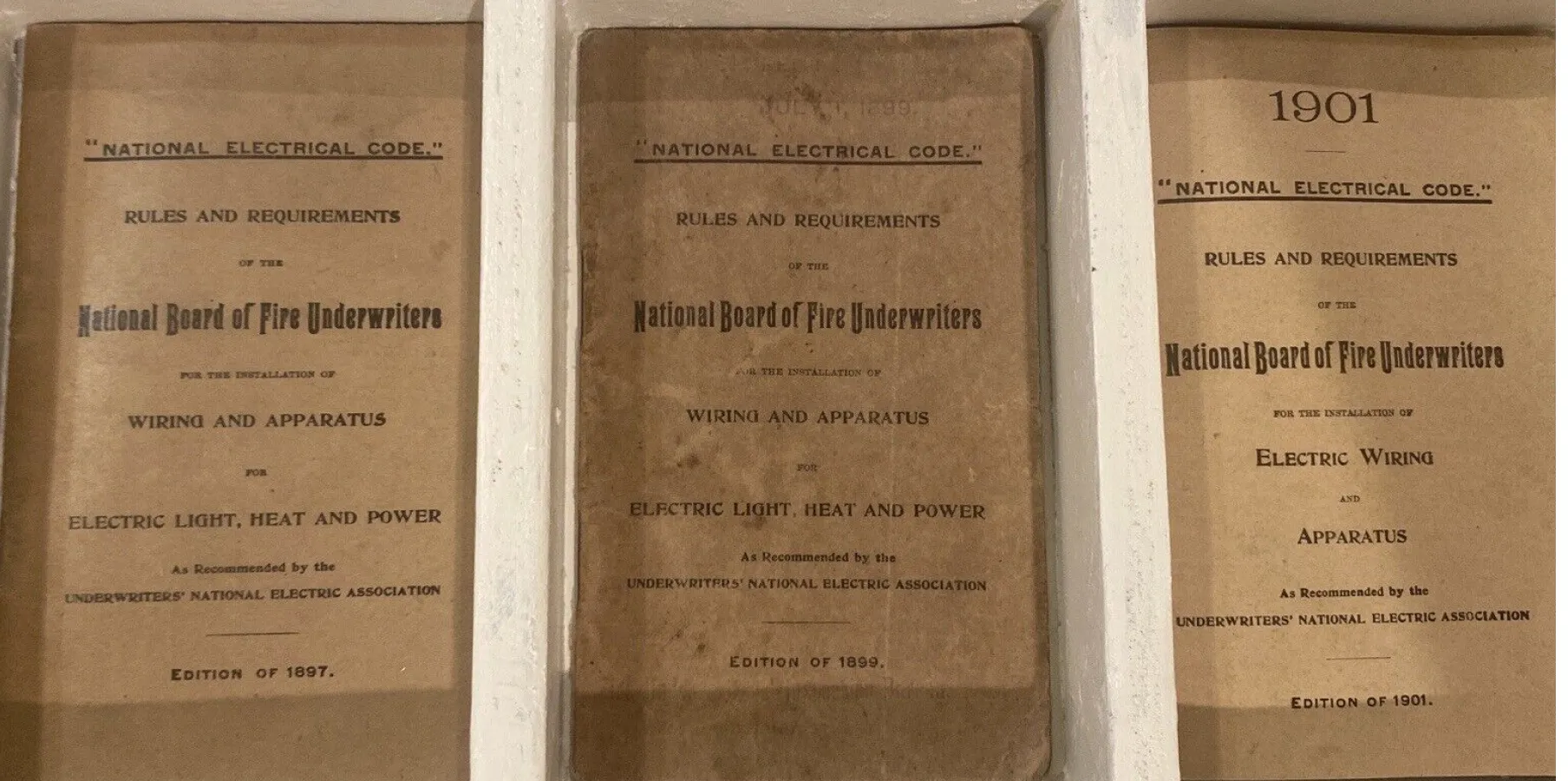
By the early 20th century, the spread of electricity necessitated better systems. The introduction of the National Electrical Code in the United States, first published in 1897, was a landmark event. The NEC began standardizing electrical installations, including panels, to ensure they were safe and effective. These standards have been regularly updated to reflect the latest safety practices and technological innovations.
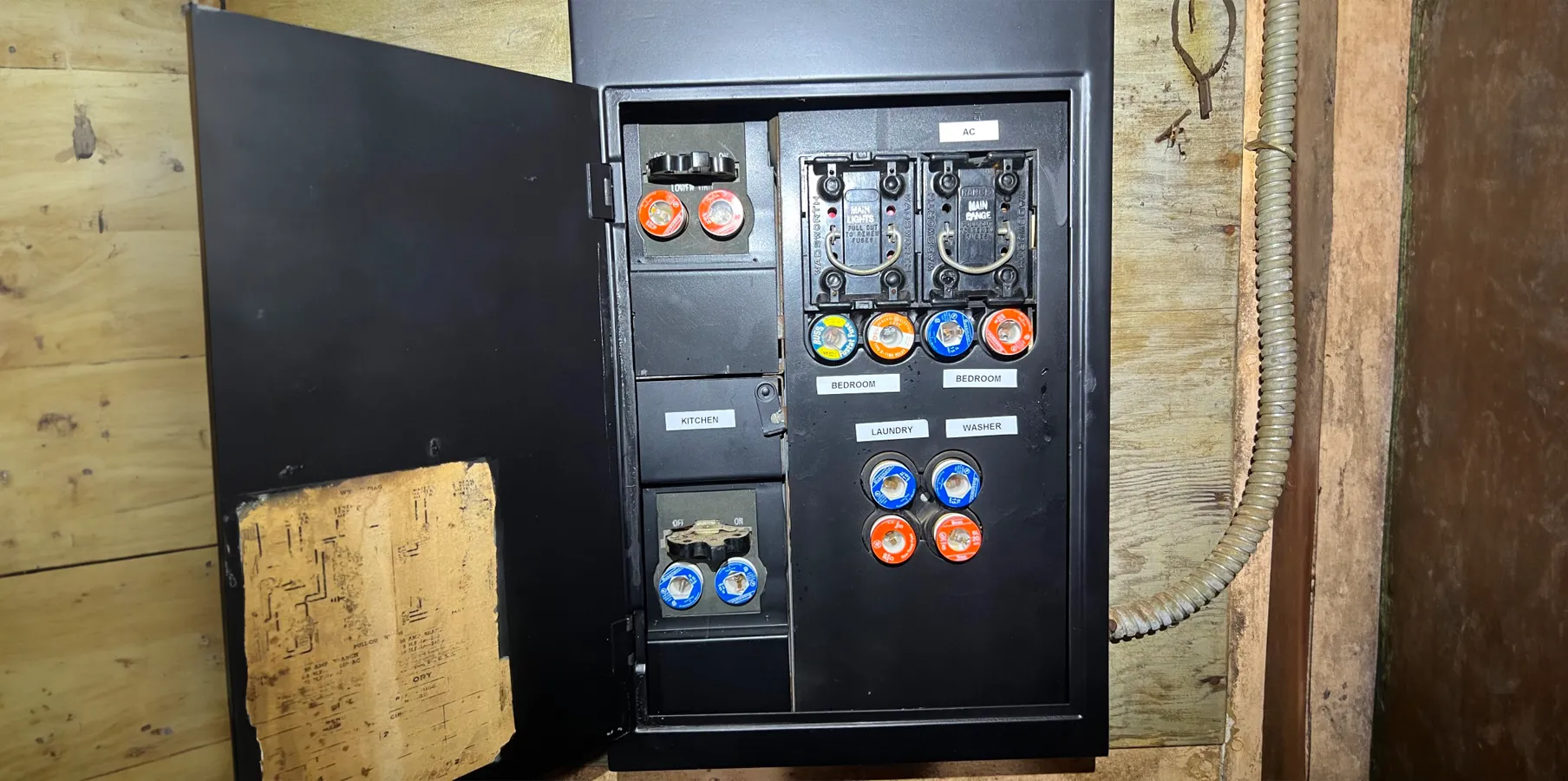
During the 1950s and 1960s, the average household experienced a significant increase in the use and variety of electrical appliances. Refrigerators, electric ovens, washing machines, dryers, dishwashers, and smaller gadgets like blenders and toasters became common. This proliferation of appliances led to a greater demand for electricity and more complex electrical requirements in homes.
Structure Tech
To safely manage this increased electrical load, electrical panels needed to evolve. They were redesigned to offer more circuit breakers and thus more circuits to accommodate the additional appliances without overloading the system. This was not only a matter of capacity but also one of safety; with more appliances, the risks of short circuits and overloads became higher, necessitating better-designed panels that could safely interrupt power in case of an overload or short circuit.
These decades also saw the introduction of new electrical standards and codes to ensure that installations could handle the higher demands safely. The panels were designed to be more user-friendly, often with better labeling and the ability to add new circuits as more appliances were acquired easily. Ground Fault Circuit Interrupters (GFCIs) were also becoming more common, offering additional protection against electrical shock, particularly in home areas like bathrooms and kitchens where the presence of water increased the risk.
As the 20th century progressed to the 21st, electrical panels became more advanced. Surge protectors were integrated to protect against voltage spikes, and AFCIs were added to prevent electrical fires caused by arc faults. The latest development in this field is the smart panel, part of the smart home trend. These panels can be controlled remotely and monitor energy consumption in real-time, offering convenience and the potential for significant energy savings.
Conclusion
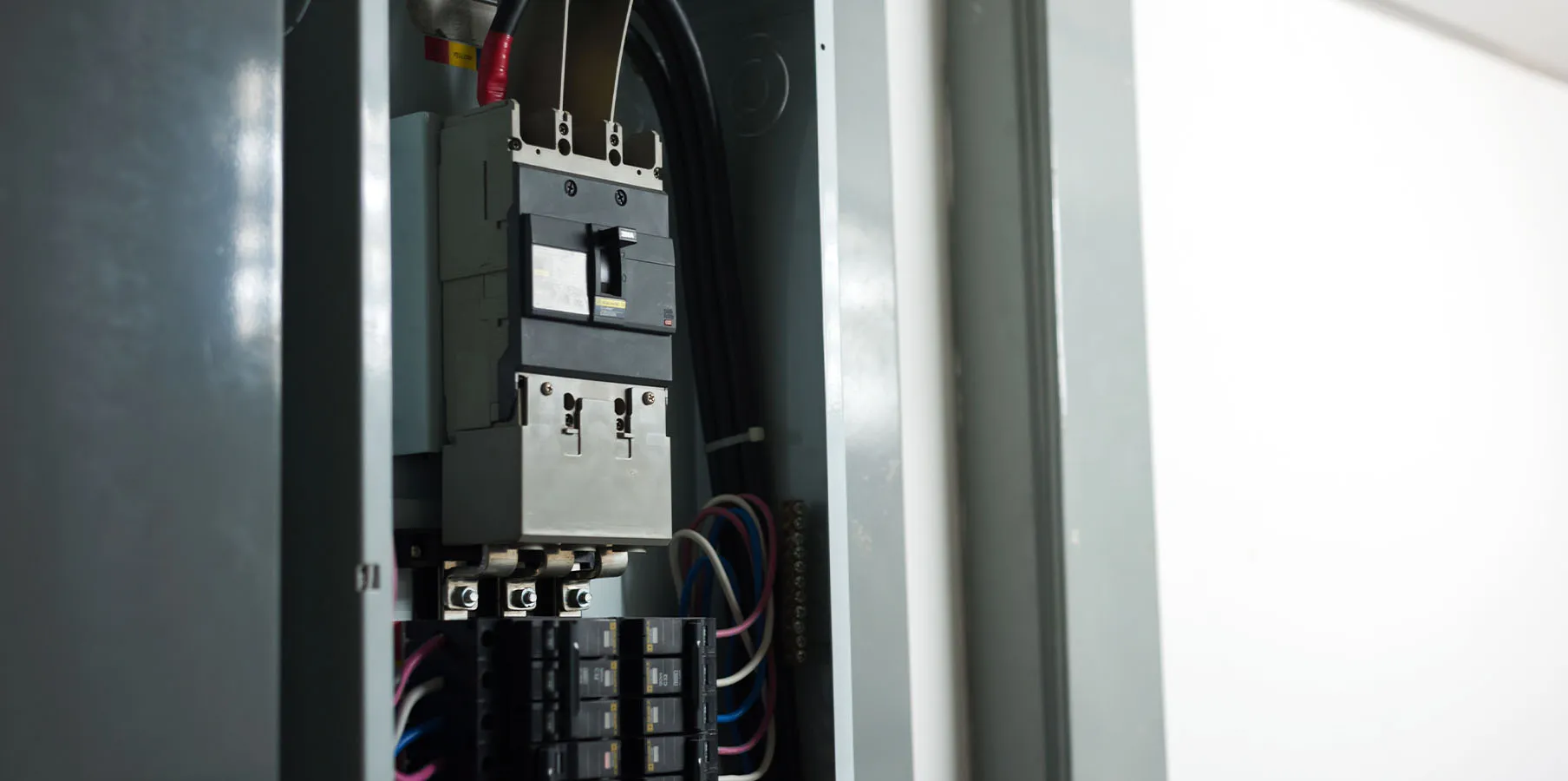
Electrical panels will continue to become more innovative and integrated with renewable energy sources. As solar, wind, and other sustainable technologies become more common, electrical panels must manage these inputs effectively. Additionally, as energy storage solutions like batteries become more prevalent in homes, the electrical panel will serve as the brain of these complex systems, ensuring that electricity is distributed safely and used as efficiently as possible.
Up Next:

Main vs Sub Panels: How Electrical Systems Distribute Power
Project Guide:
Plan Your Electrical System