
Smart Lighting Controls: Upgrade Your Home Renovation
Project Guide:
Plan Your Electrical System
As the world embraces digitization, home automation hasn't been left behind. Among the innovative introductions to the home space are smart dimmers & switches, designed to bring both convenience and efficiency to households. If you've contemplated transitioning from traditional switches to this intelligent technology, consider integrating them during your next renovation or remodeling task, regardless of scale.
The underlying principle of smart switches is straightforward. They offer you the capability to manage interior and exterior lighting remotely through various platforms, be it a smartphone application, a comprehensive smart home system, or even voice-command assistants. Think of them as the evolved successors to automatic lighting timers but with a much broader scope and versatility.
The Features of Smart Lighting Controls
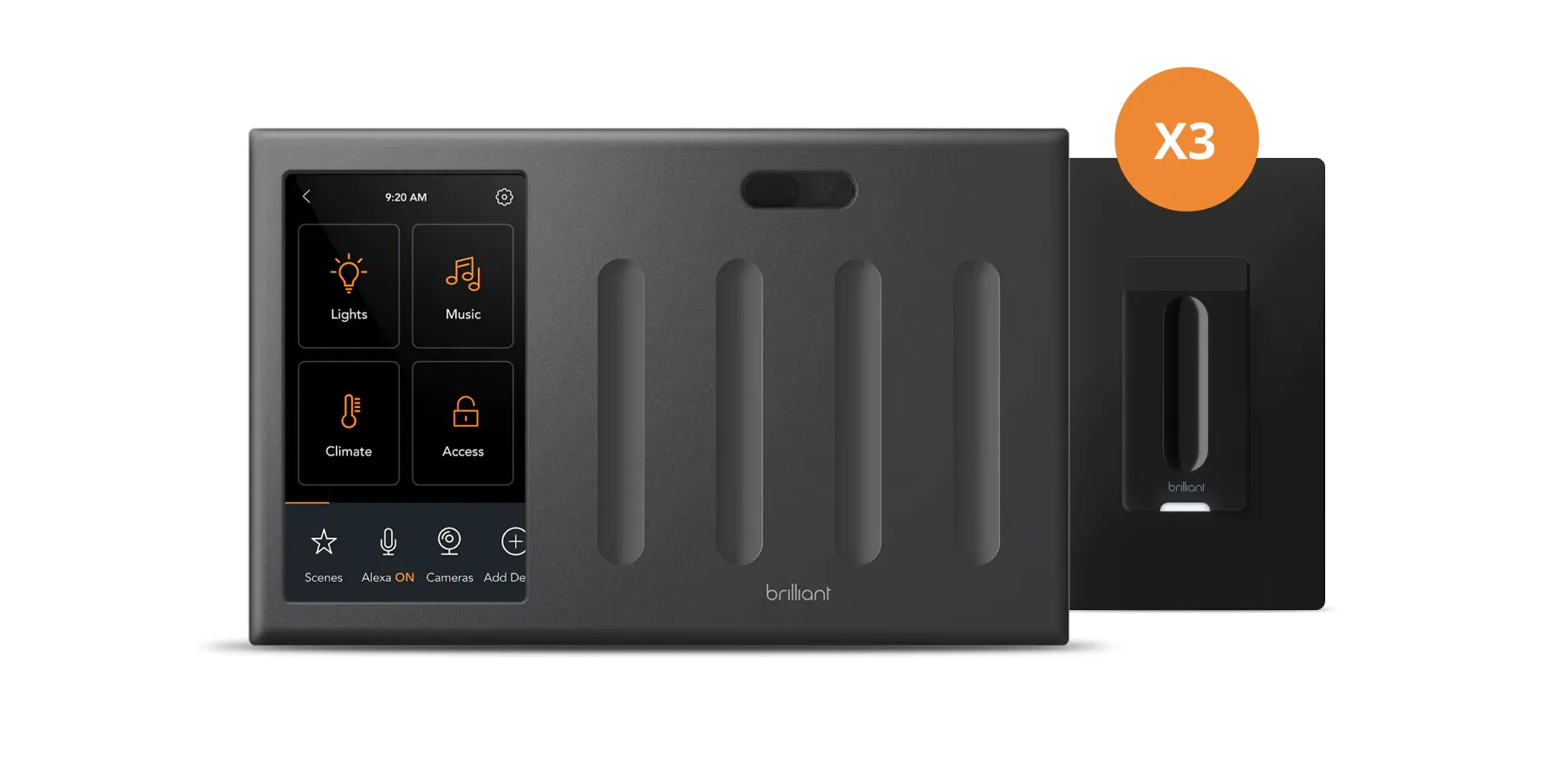
Brilliant Tech
Scheduling Abilities: Smart switches allow users to customize their lighting based on personal schedules. You could set your lights to turn on just before you wake up or as you approach home from work, ensuring you never walk into a dark house again.
Adaptive to Seasons: Some top-tier smart switches incorporate light sensors or are integrated with weather apps to adjust lighting based on natural availability, sunset, and sunrise, ensuring consistent illumination year-round.
Universal Accessibility: With the advent of cloud technology, your home's lighting system is accessible from anywhere worldwide, provided you have internet connectivity.
Multi-device Compatibility: Most smart switch apps are designed for Android and iOS, ensuring universal compatibility. Some even provide desktop interfaces for those who prefer larger screens.
Usage Monitoring: Certain smart switches provide insights into energy consumption patterns beyond just controlling lights, allowing homeowners to adjust their habits and save on electricity costs.
Optimized Brightness: These switches help reduce energy wastage by intelligently adjusting the brightness based on room occupancy or time of day.
Expandable Ecosystem: From single bulbs to complete home lighting systems, users can expand their smart lighting ecosystem at their own pace, starting small and scaling up as needed.
Integration with Entertainment: Imagine a system where your lights dim when you play a movie or change colors in sync with the beat of your music. Such integrative experiences are no longer a thing of sci-fi but a reality with advanced smart lighting systems.
DIY Friendly: Many smart switches are designed for user-friendly installations, often requiring no more than a simple replacement of the old switch and syncing with the home network.
Interoperability: A significant advantage of modern smart switches is their ability to work with various smart home systems, from voice assistants like Alexa or Google Assistant to comprehensive platforms like Apple's HomeKit.
Presence Detection: Integrating motion or occupancy sensors means lights can automatically turn on or off based on room occupancy, enhancing convenience and energy efficiency.
Ambiance Control: With dimming capabilities and, in some cases, color-changing features, users can tailor the ambiance of a room to their mood or the occasion, be it a lively party or a cozy movie night.
These expanded features of smart switches highlight the depth of personalization and convenience they bring to contemporary households. Beyond just a tool to control lights, they represent a leap in home automation, ensuring homes are energy-efficient and tailored to their inhabitants' preferences.
Conclusion

In embracing smart lighting controls, homeowners are redefining the essence of home lighting. This transition to intelligent systems represents a significant leap in making our living spaces more responsive, energy-efficient, and customizable to our ever-changing needs and preferences. As we look towards a future where our homes become increasingly connected, smart dimmers and switches stand out as fundamental components in this evolution, offering a seamless blend of functionality, convenience, and aesthetic enhancement. This is just the beginning of a journey towards more intuitive living spaces, where the control of your home’s ambiance and energy consumption is literally at your fingertips, promising a brighter, more sustainable future for home automation.
Up Next:

Lighting Motion Sensors: Save Energy and Boost Home Security
Project Guide:
Plan Your Electrical System