
Lifeproof
Carpet Underlayment Guide: Types, Thickness, and Tips
Project Guide:
Plan Your Interior Flooring
Lifeproof
Underlayment, often known as carpet padding, is the unsung hero beneath our floors. While it remains concealed, its contribution to the flooring experience is substantial. Underlayment offers unparalleled comfort, adding a plush, soft layer that elevates each step, ensuring every footfall is cushioned. It's pivotal in enhancing a carpet's durability, ensuring even weight distribution, and mitigating the wear and tear from constant foot traffic.
One of its underrated qualities is sound insulation. With a good underlayment, footsteps echo, and noise transmission between floors are dampened, creating a quieter living space. This layer also aids in thermal insulation, acting as a protective barrier against cold during winters and maintaining a pleasant temperature during summers. Some advanced underlayments even offer protection against moisture, crucial for areas prone to dampness, safeguarding the carpet from potential mold and mildew.
It also plays an essential role in masking subfloor imperfections, presenting a smooth surface for carpet installation, and ensuring an even finish. While carpets get commendations for their aesthetics and feel, the underlayment working tirelessly underneath ensures every step is comfortable, quiet, and protected. Investing in a quality underlayment enhances the carpeting experience substantially.
Here's a look at the most common types of underlayment material:
Rebond
TrafficMaster
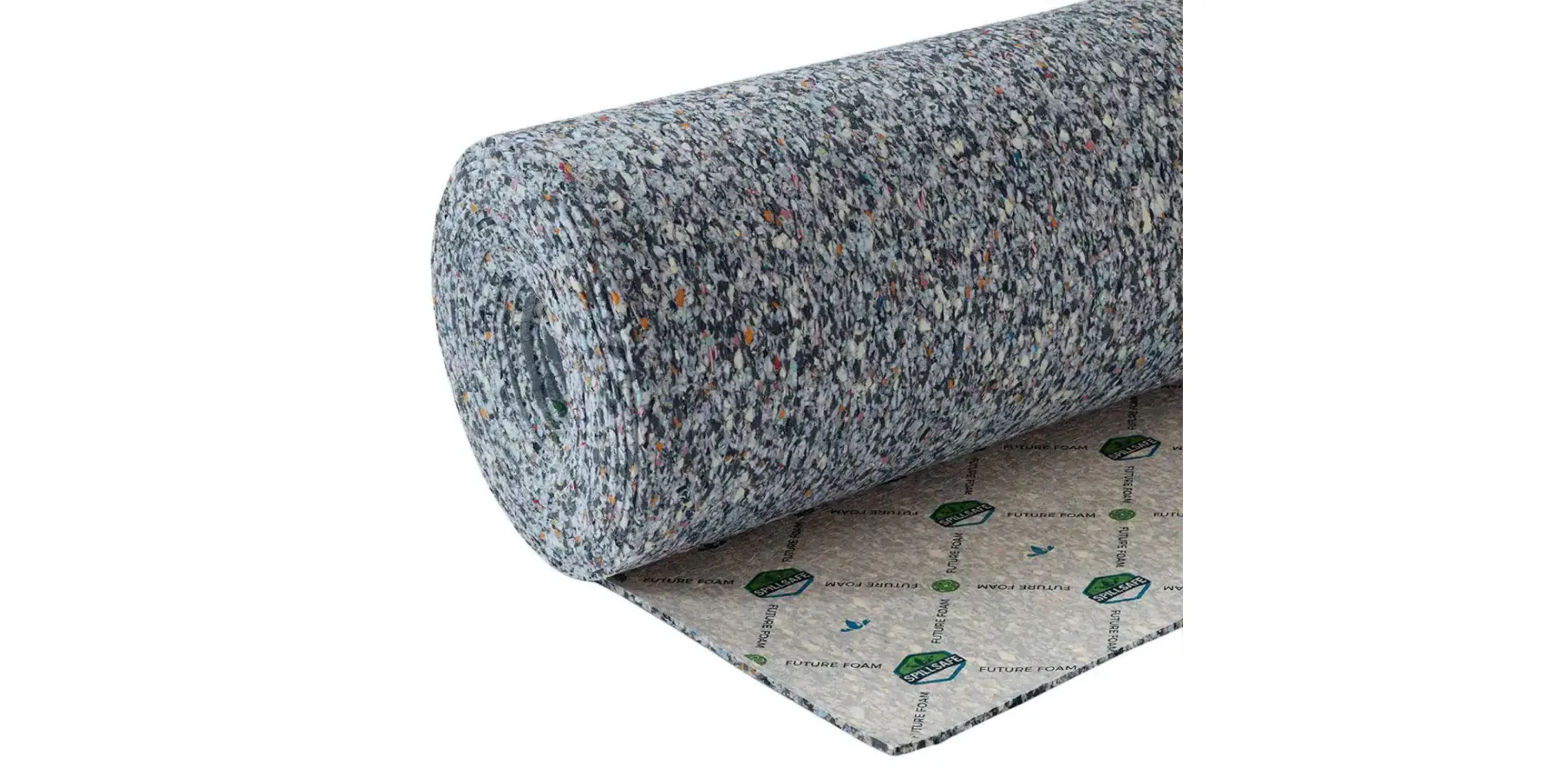
Rebond padding, manufactured primarily from recycled foam scraps, is a testament to sustainability. This eco-friendly option has gained immense popularity recently due to its optimal balance between affordability and performance. Besides its sustainable credentials, rebond padding is renowned for its excellent support capabilities. Users will find that it effectively cushions foot traffic and reduces noise, making spaces quieter. Available in an array of thicknesses and densities, rebond padding can cater to diverse requirements, whether for a cozy bedroom or a busy living room.
Frothed Foam
Rug Pad USA
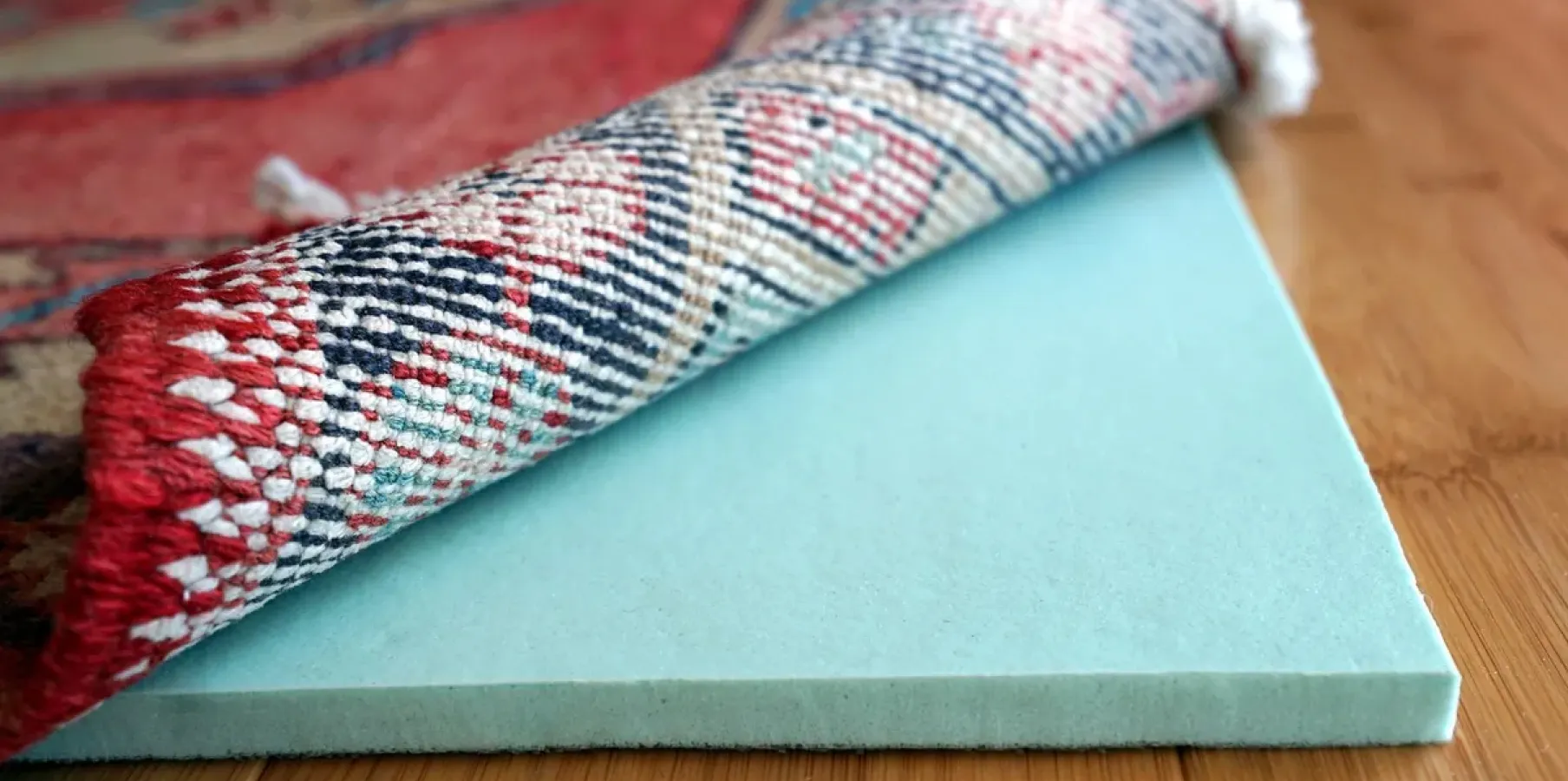
A top-tier choice in the realm of carpet padding, frothed foam boasts durability that stands the test of time. Its dense structure ensures that carpets laid over it remain resilient, even in high-traffic scenarios. This makes frothed foam a go-to for both residential and commercial installations. Not only does it provide robust support, but its versatility also means it's compatible with different carpet types, be it plush residential carpets or more utilitarian commercial-grade carpets. Investing in frothed foam padding means investing in longevity and unwavering performance.
Memory Foam
Future Foam
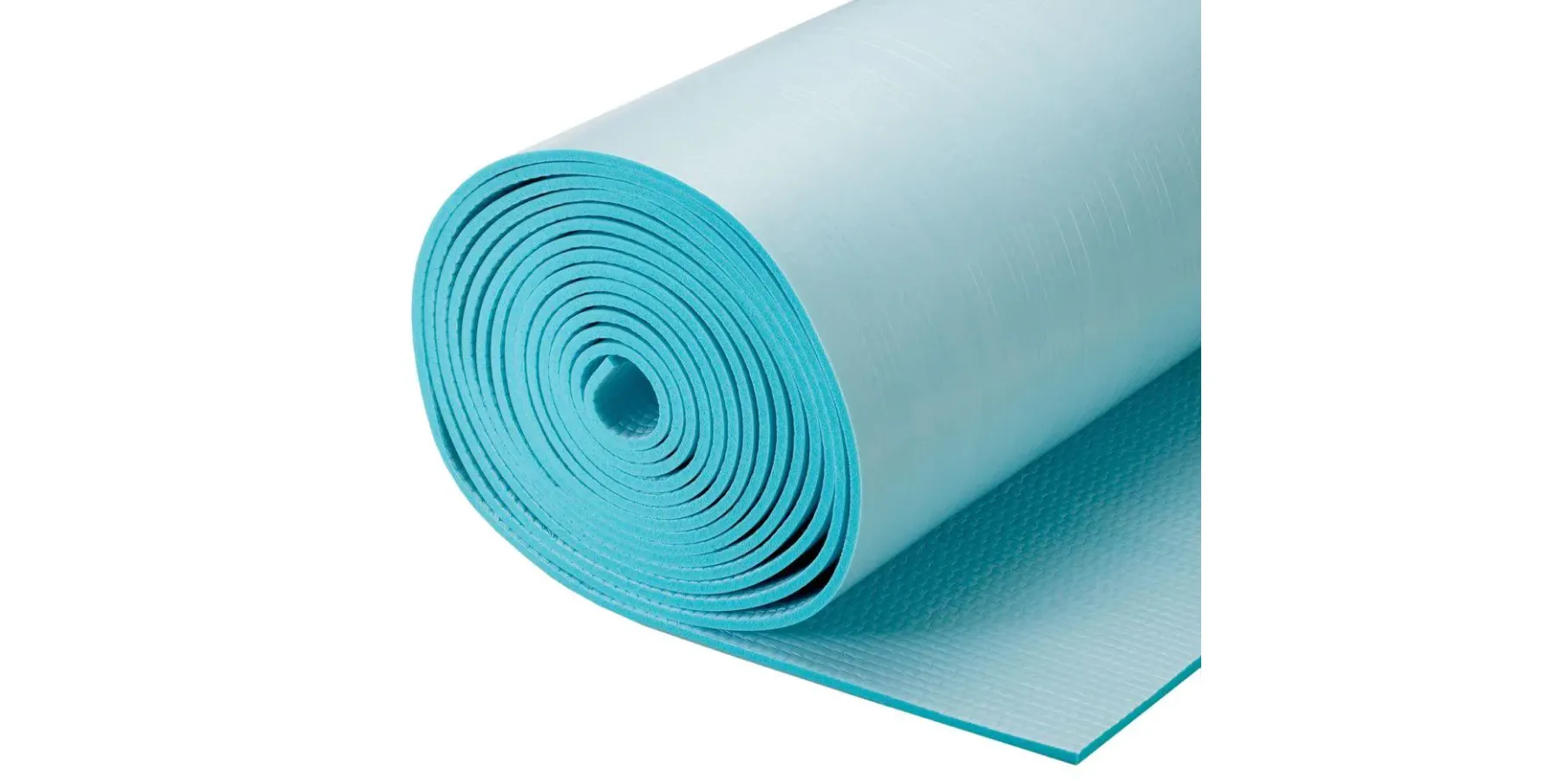
Originating from the mattress industry, memory foam has made a significant foray into the carpet padding sector, and with good reason. It epitomizes luxury and unparalleled comfort. Memory foam padding is designed to mold according to pressure, ensuring a soft and cushioned feel underfoot. This unique property makes walking on carpets with memory foam padding a luxurious experience akin to walking on clouds. It's ideal for homeowners who prioritize comfort and wish to transform their living spaces into plush sanctuaries.
Prime Foam
Patriot Flooring Supplies
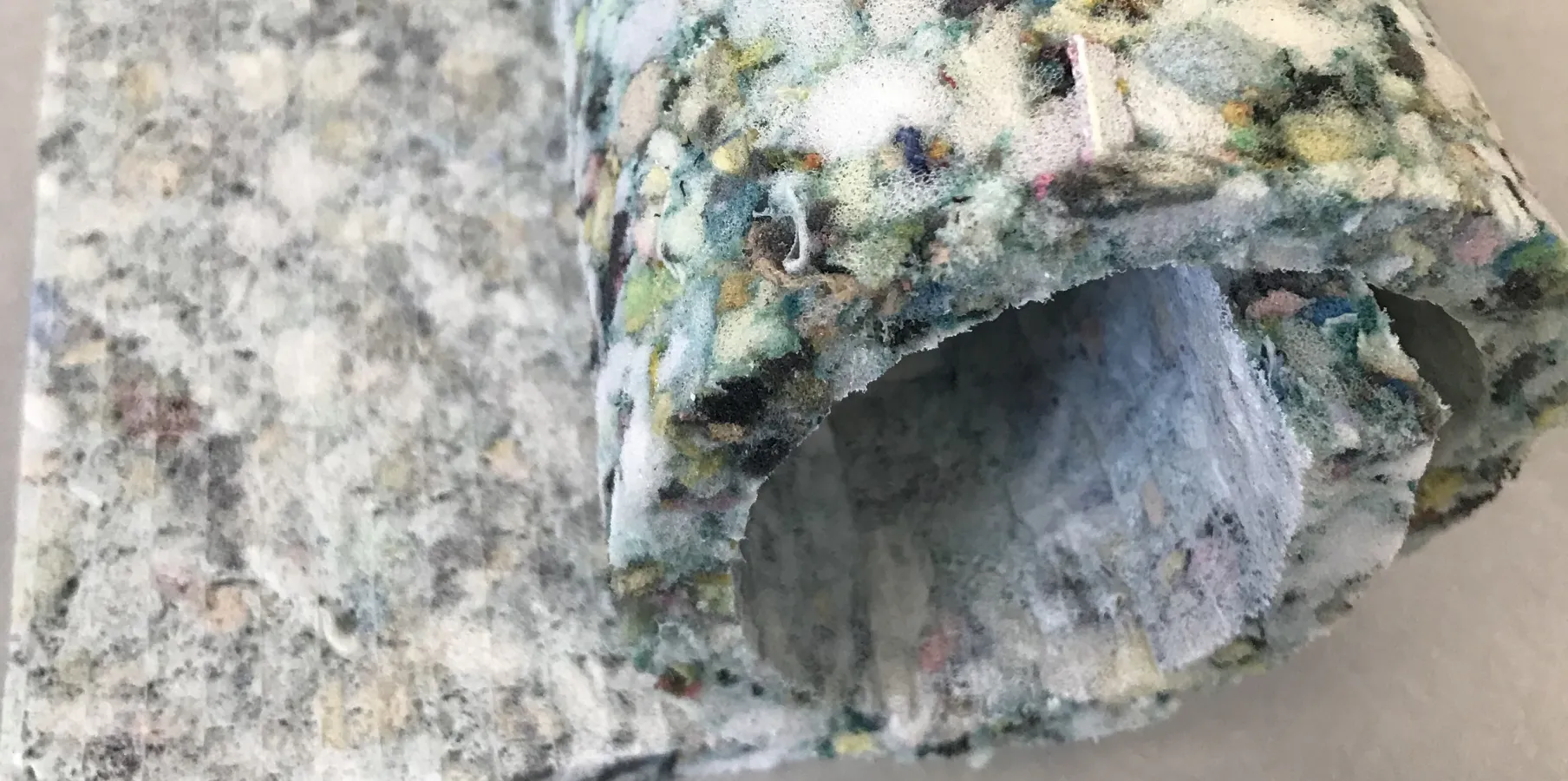
Designed with high density, prime foam padding is all about consistent and unwavering support. Its robust structure ensures that the carpet above doesn't sag or wear out quickly, making it an excellent option for areas that witness a lot of footfalls, such as hallways or commercial establishments. What sets prime foam apart is its ability to deliver stability without compromising on comfort. Thus, even in areas with high foot traffic, one can expect a comfortable and stable underfoot feel. It's a wise investment for spaces that demand both durability and comfort.
Underlayment Thickness
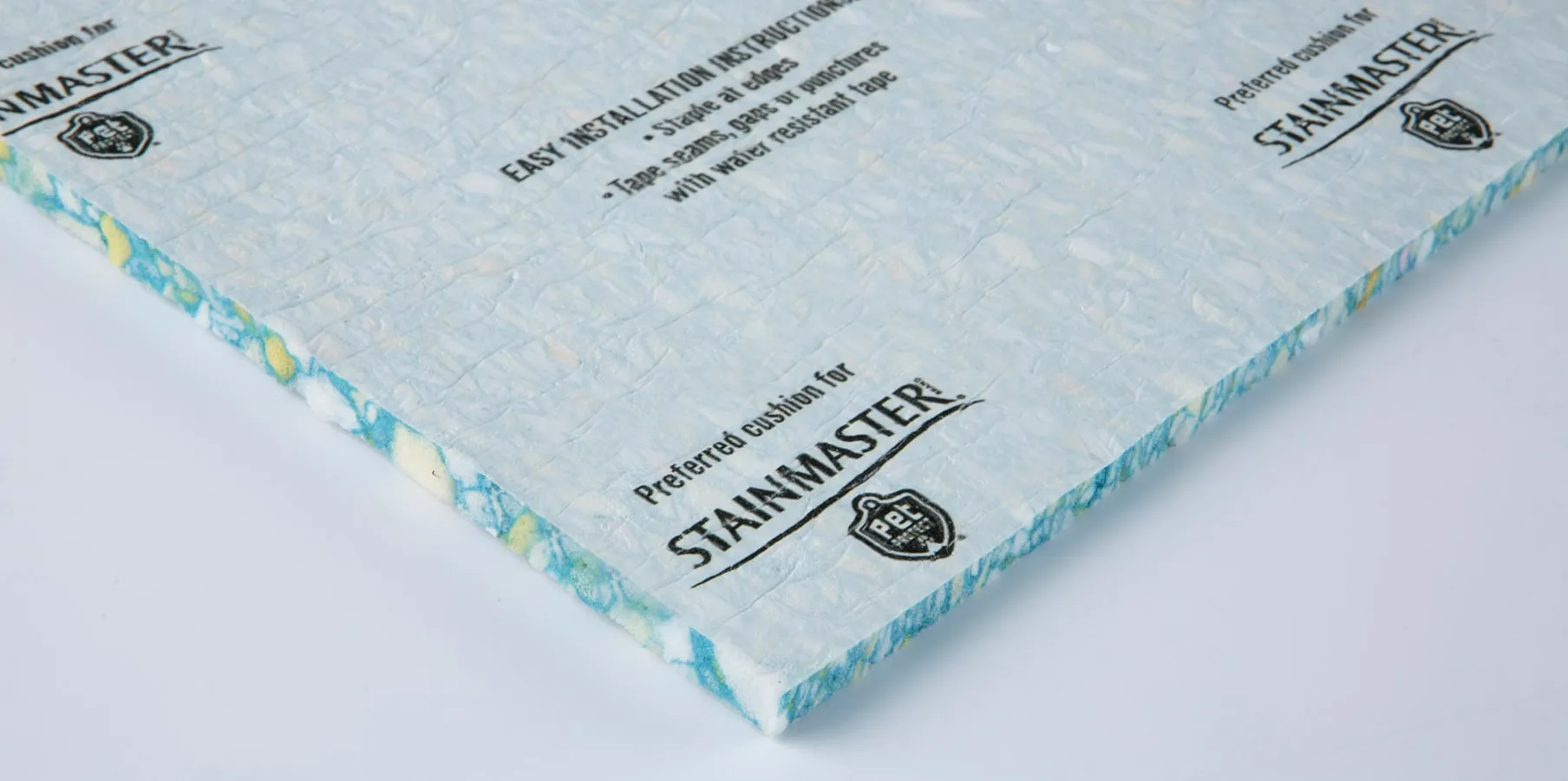
Stain Master
The thickness of the padding is also a factor to consider. The appropriate thickness can drastically affect the comfort underfoot, the carpet's wear and lifespan, and even specific warranty considerations.
1/4-inch (6.35mm)
This thickness is notably rigid, offering a robust feel when walked upon. This rigidity makes it particularly apt for commercial environments with consistent high foot traffic. Moreover, loop or Berber carpets greatly benefit from such a solid backing. On the downside, this thickness might not offer the plush or cushioned experience that some might desire in residential spaces, especially when compared to its thicker counterparts.
3/8-inch (9.5mm)
This thickness strikes a harmonious balance between firm support and cushioned comfort. Its versatility makes it suitable for many carpet types predominantly found in residential environments. While it might not match the cushioning of the thickest options available, it is frequently more than satisfactory for most household settings.
1/2-inch (12.7mm)
This variant provides optimal cushioning, ensuring a luxuriously plush sensation underfoot. Such a feature makes it the preferred choice for bedrooms or living rooms where comfort is paramount. Beyond comfort, this thickness also excels in sound insulation. However, its plushness can be a drawback in spaces that house heavy furniture, leading to potential indentations. Moreover, it is not advisable for loop or Berber carpets, as the excess cushion can lead to over-flexing, shortening the carpet's lifespan.
Factors to Consider When Choosing Thickness
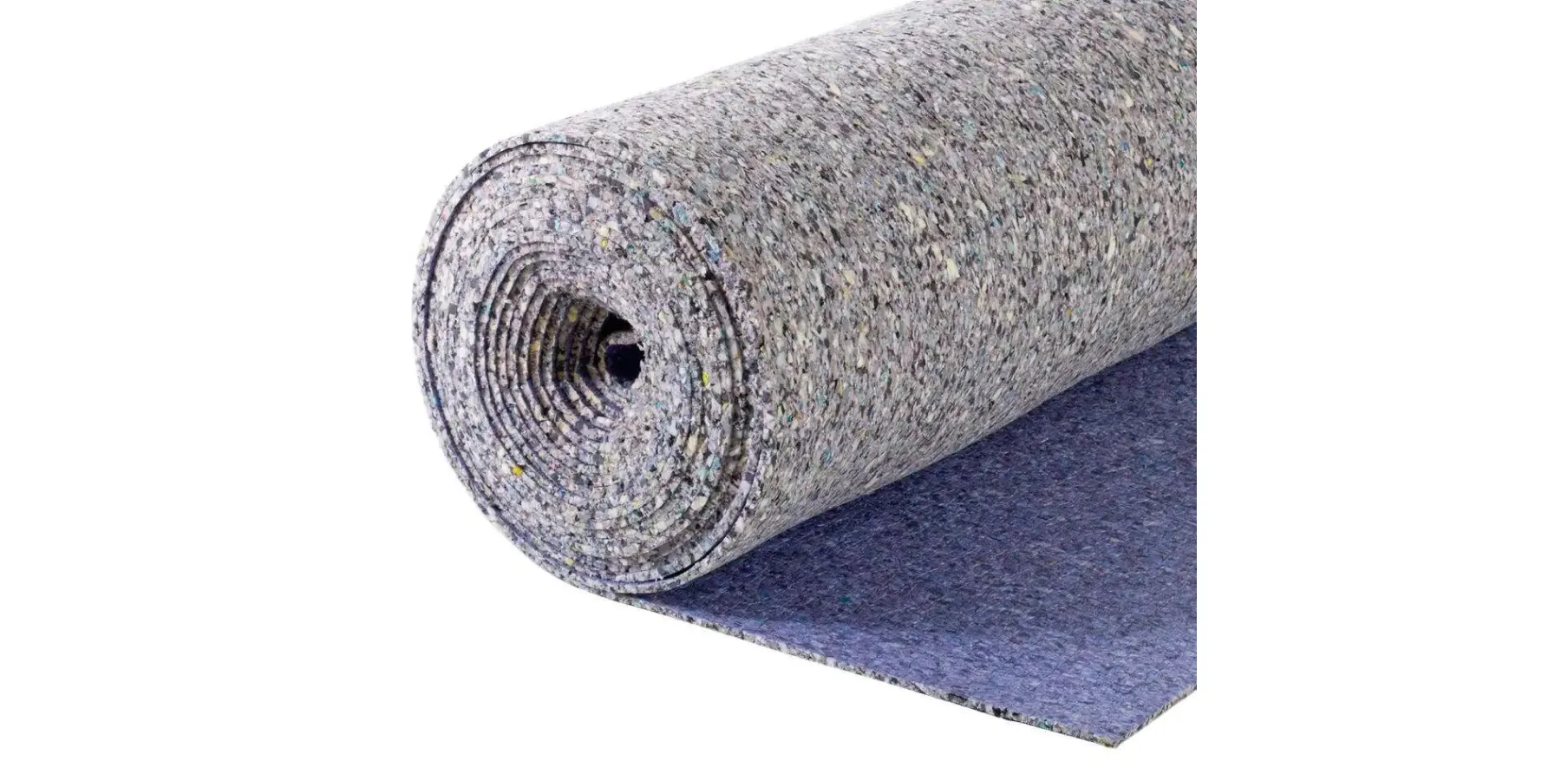
Future Foam
Type of Carpet
The kind of carpet you choose has a direct correlation with the type of padding that should be underneath it. For instance, carpets like Berber or those that have a looped construction are better paired with firmer, thinner padding. This is because these types of carpets benefit from a solid backing that supports their unique construction. Conversely, carpets with a cut pile or plush texture have more flexibility in terms of padding. They can be paired with thicker padding, which enhances their luxurious feel, providing an added layer of comfort and softness underfoot.
Traffic Levels
The amount of foot traffic a room or space receives can also influence the choice of carpet padding. A slightly thinner and denser pad is advisable for areas with a lot of movement, such as hallways. This padding offers better resistance, preventing the carpet above from experiencing excessive wear and tear, thereby extending its lifespan.
On the other hand, spaces that aren't frequented as much, like bedrooms, can afford to have thicker, softer padding. Such padding offers a cushioned feel, maximizing comfort in these low-traffic zones.
Warranty
Before deciding on the padding, always consult the carpet manufacturer's warranty. This document is crucial because some manufacturers have specific padding thickness and density requirements. Failing to adhere to these specifications could invalidate the warranty. Ensuring that the padding complements the carpet in feel and adheres to any manufacturer's stipulations is essential.
While technicalities play a significant role, personal comfort preferences shouldn't be overlooked. Comfort is a highly subjective experience. Some lean towards a firmer floor, appreciating its stability and support. Others might be inclined towards a more cushioned, plush feel underfoot, enjoying the sensation of softness with every step. It's essential to factor in individual preferences when selecting the ideal padding. After all, a home should feel comfortable to its inhabitants.
Up Next:

Carpet Installation Guide: Steps, Prep, and Pro Tips
Project Guide:
Plan Your Interior Flooring