
Flooring Material History: From Stone to Sustainable Homes
Project Guide:
Plan Your Interior Flooring
The floors we walk on, often taken for granted, have been shaped and reshaped through the corridors of time, echoing humanity's evolutionary journey. As civilizations grew, prospered, and innovated, the materials underfoot transformed, reflecting each era's technological advancements, aesthetic inclinations, and societal values. From the rudimentary paths of our earliest ancestors to the eco-conscious choices of the modern age, the history of flooring offers a unique vantage point into our past, shedding light on our shared heritage and aspirations. As we tread into the future, these surfaces support us physically and narrate a tale of human adaptability, creativity, and resilience. Let's embark on this journey, one step at a time.
Earth and Stone (Prehistoric Era)
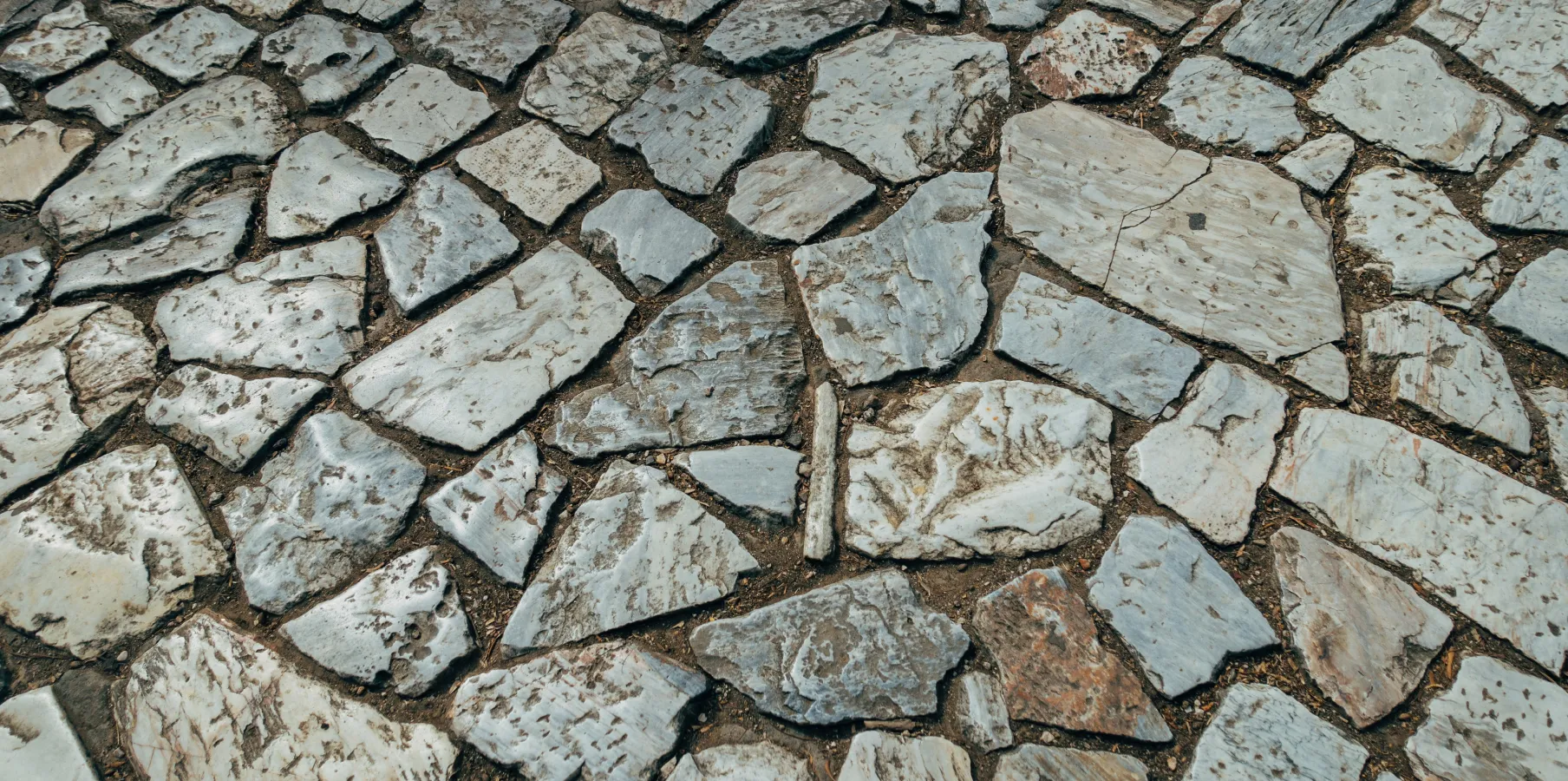
Before establishing civilizations emerged, our early ancestors relied on what nature offered. In the earliest shelters and caves, the floor was simply the compacted earth beneath their feet or the rugged, naturally occurring stone. As tribes and communities began to form, the need for more stable walking paths was realized. This led to the deliberate placement and alignment of stones, paving the way for the earliest flooring concepts and pathway creation. These rudimentary floors were essential for shelter and navigation, echoing humanity's primal desire for comfort and structure.
Clay and Brick (Ancient Civilizations)
Clean Image of Orlando
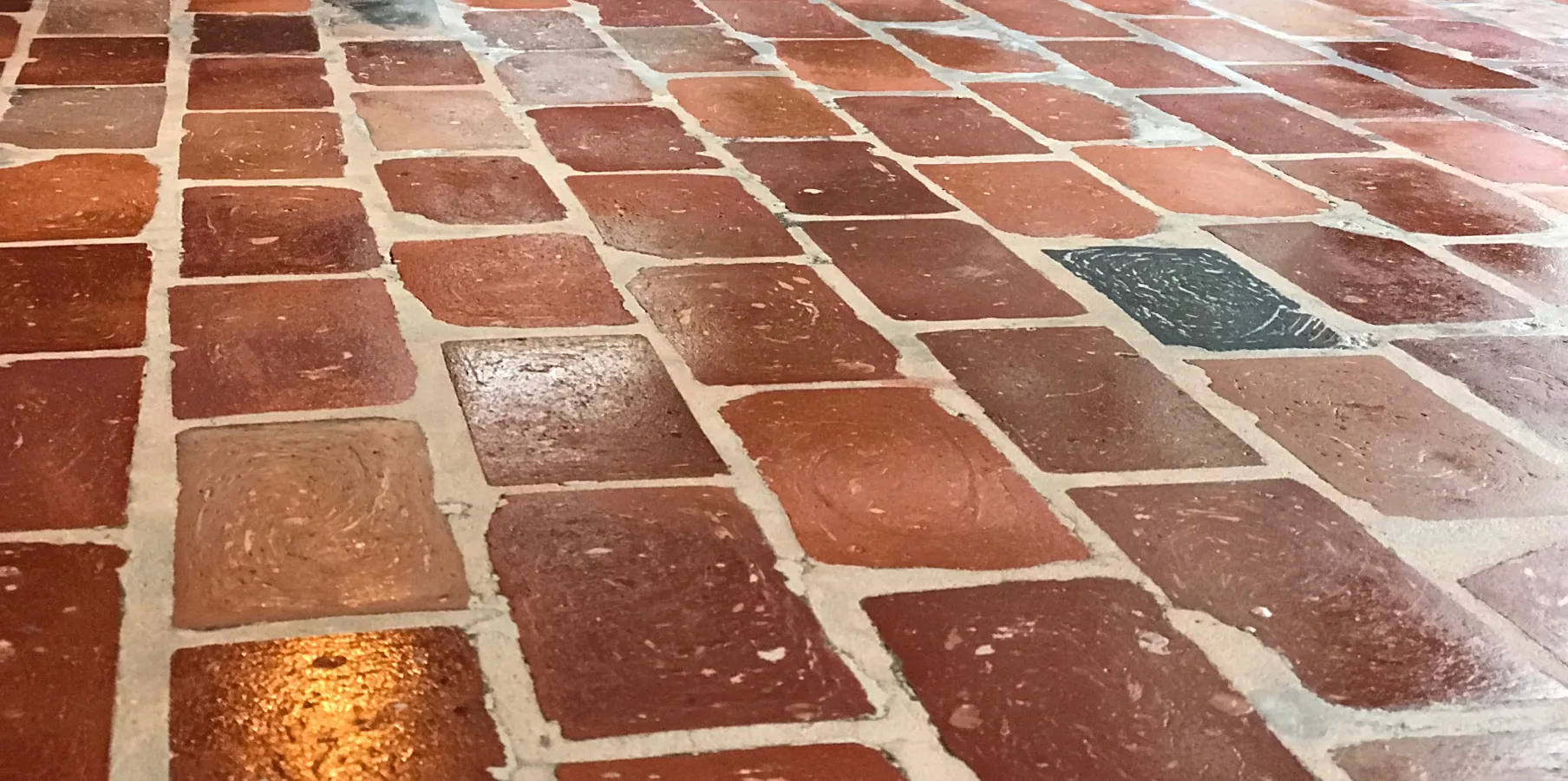
With the rise of organized societies like the Mesopotamians, Egyptians, and those in the Indus Valley came the innovation of using clay as a foundational material. Sun-dried bricks were initially used, providing sturdier and more uniform surfaces. Later, the process evolved to firing bricks in kilns, enhancing their durability. These ancient civilizations also began experimenting with clay tiles, some ornately decorated, signifying status and aesthetic appreciation.
Mosaics and Marbles (Classical Era)
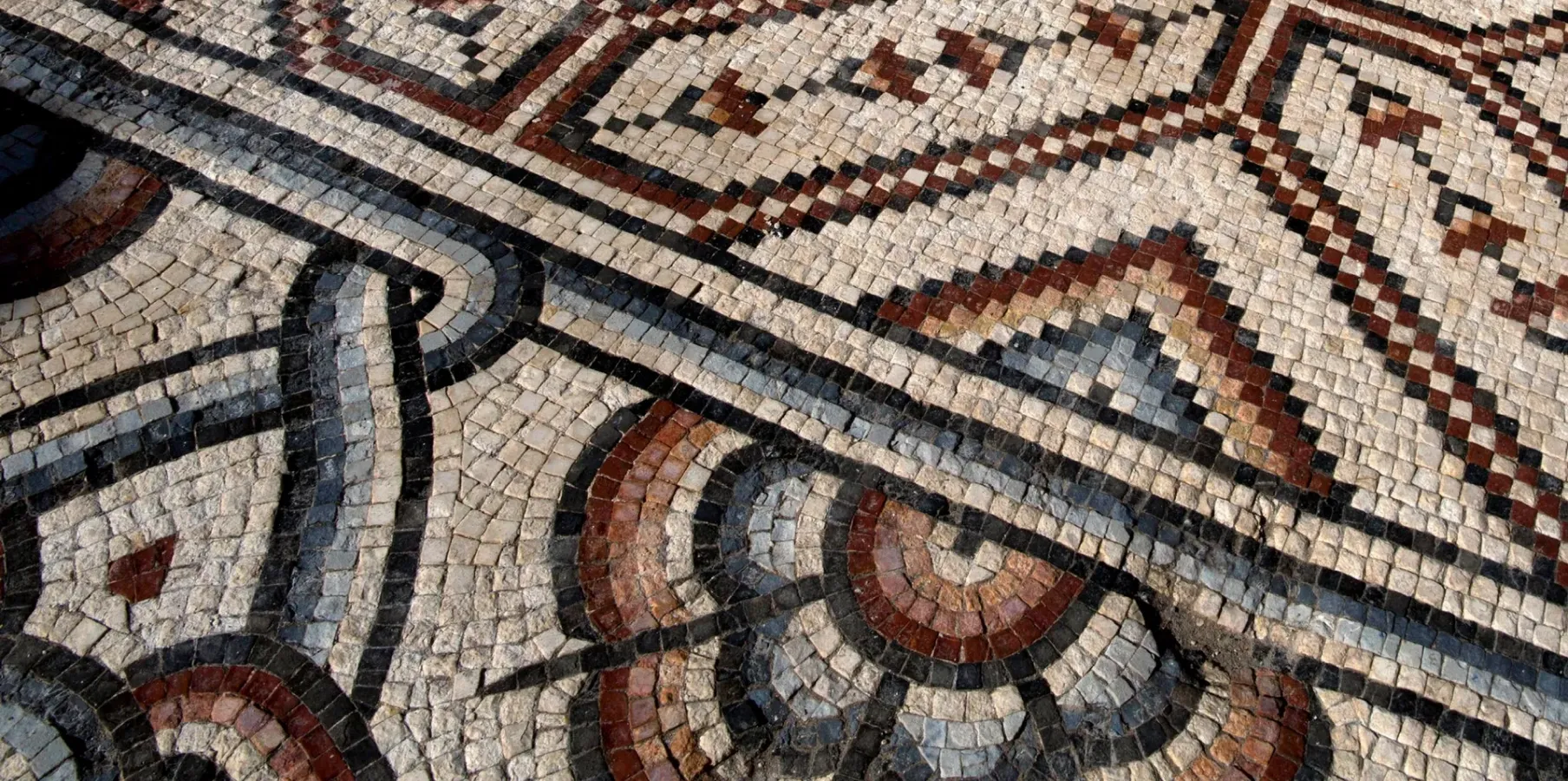
The Greeks and Romans, renowned for their architectural prowess, introduced flooring as an art form. Mosaics, intricate designs crafted from tiny colored tiles or stones, adorned not only public temples and baths but also the homes of the affluent. Marble flooring, cherished for its coolness underfoot and luxurious appearance, was a staple in many Roman structures, a testament to the empire's grandeur and appreciation for fine materials.
Wooden Floors (Medieval to Renaissance)
Hicraft Flooring
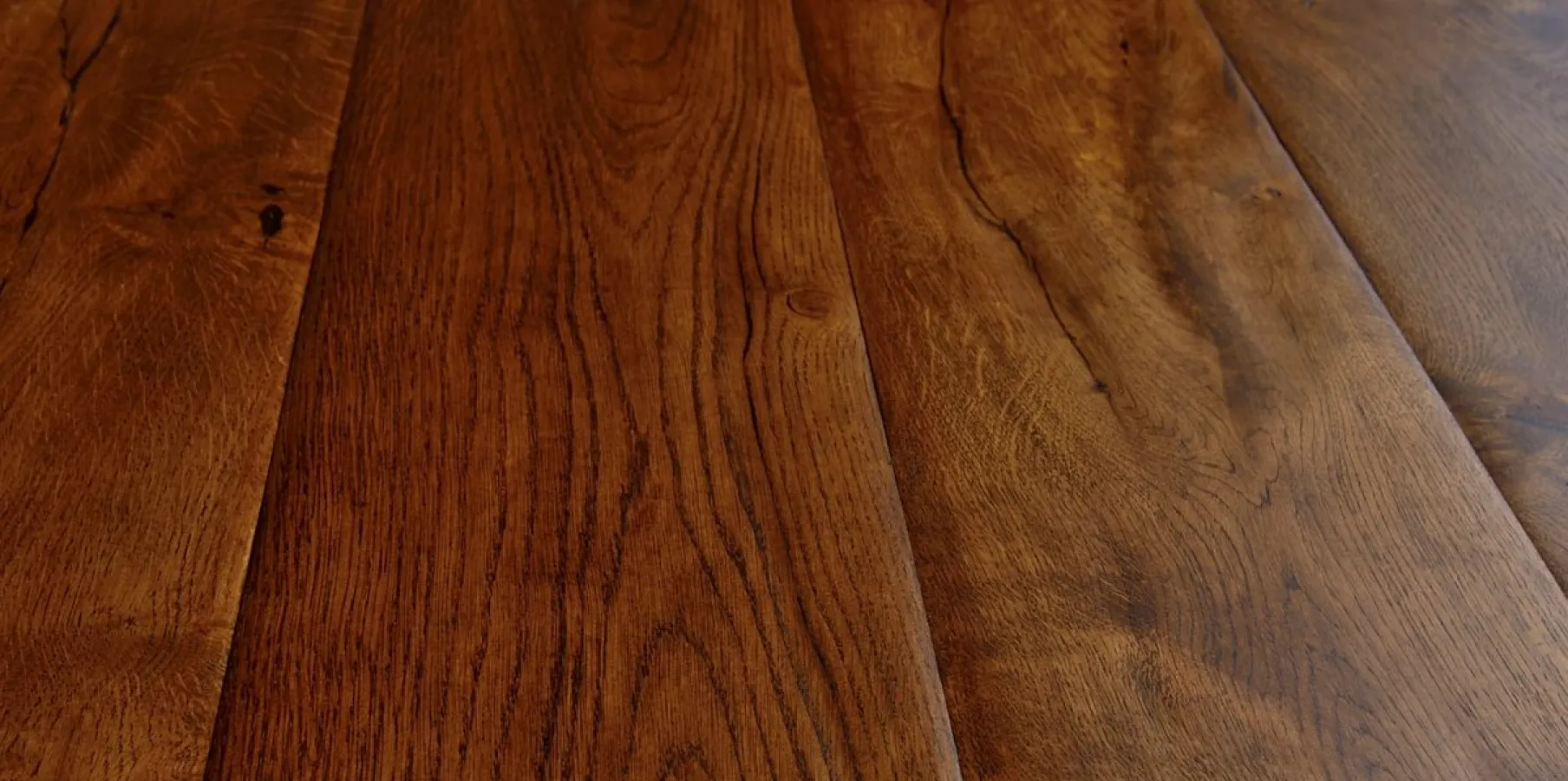
With Europe's transition into the more structured societal setups of the medieval period and then the artistic explosion of the Renaissance, wooden flooring became prominent. Timber, abundant and renewable, became a material of choice. By the 16th century, wooden floors weren't just plain planks; intricate parquet patterns emerged, gracing the courts of Europe with geometric designs and demonstrating craftsmanship of the highest order.
Linoleum and Rubber (19th Century)
Campbell House Museum
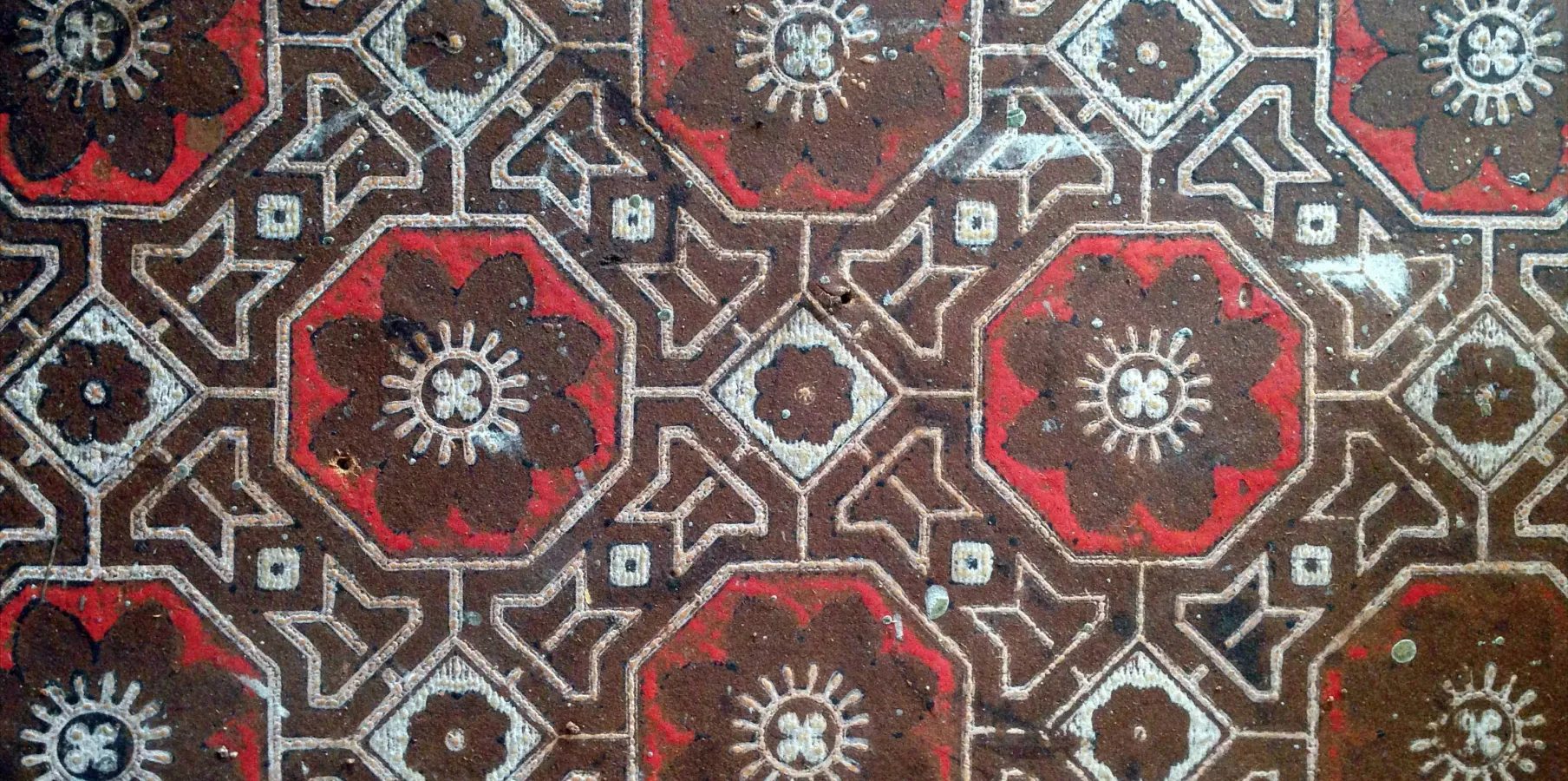
The Industrial Revolution marked a turning point in flooring history. New materials and manufacturing processes emerged, leading to the invention of linoleum in the mid-1800s. Made from linseed oil, powdered cork, and jute, linoleum was durable and affordable. Around the same time, rubber flooring, appreciated for its resilience and elasticity, started appearing, especially in areas demanding hygiene like hospitals.
Ceramic Tiles and Concrete (Early 20th Century)
The Antique Floor Company
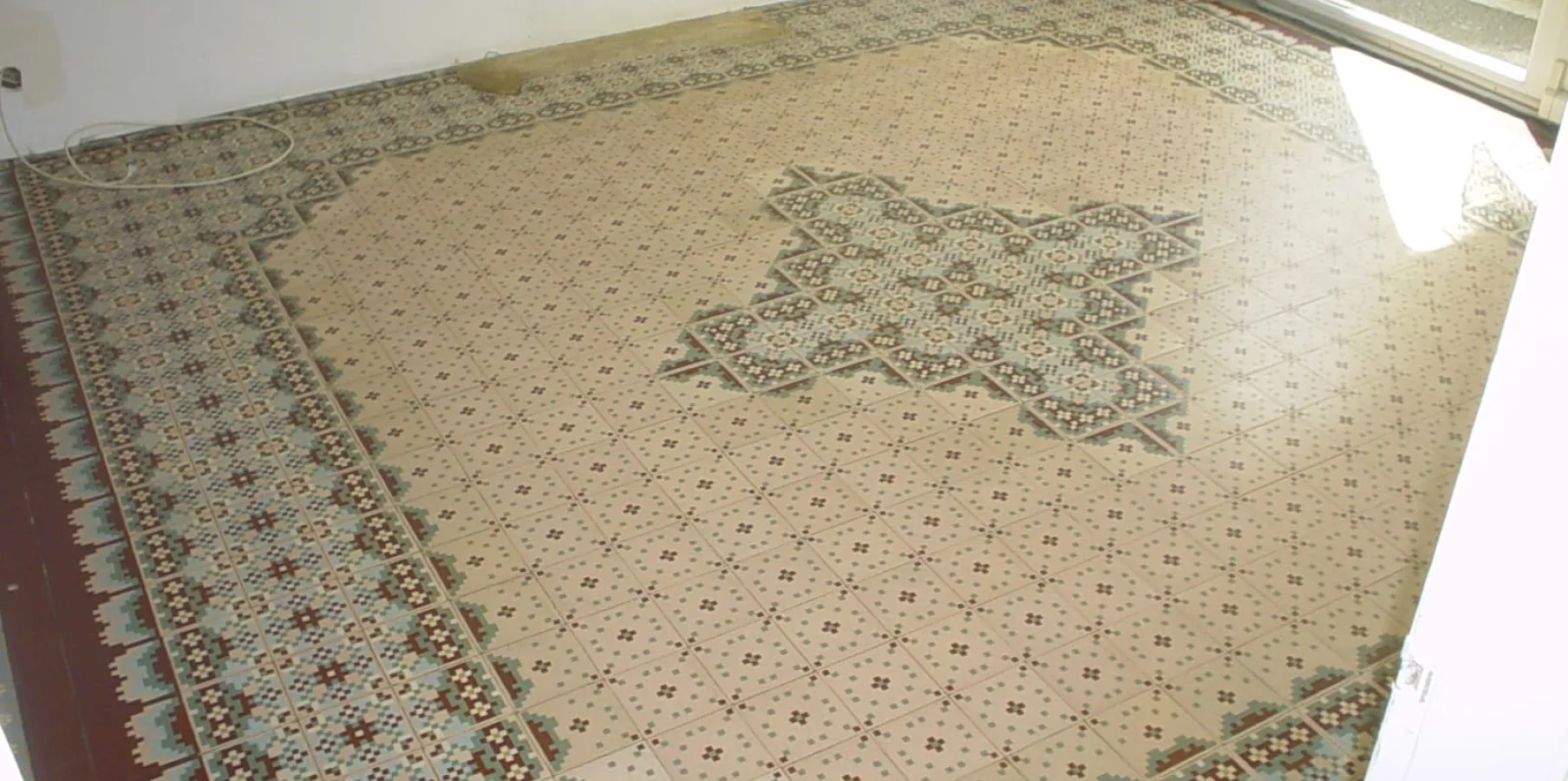
Technological advancements in the 20th century ushered in an era where high-quality ceramic tiles became accessible. Often bearing ornate patterns or simple, modernist designs, these tiles became staples in households worldwide. Meanwhile, concrete, previously deemed utilitarian and stark, began to be recognized for its modern aesthetic, durability, and design versatility.
Carpets and Vinyl (Mid to Late 20th Century)
Regent Antiques
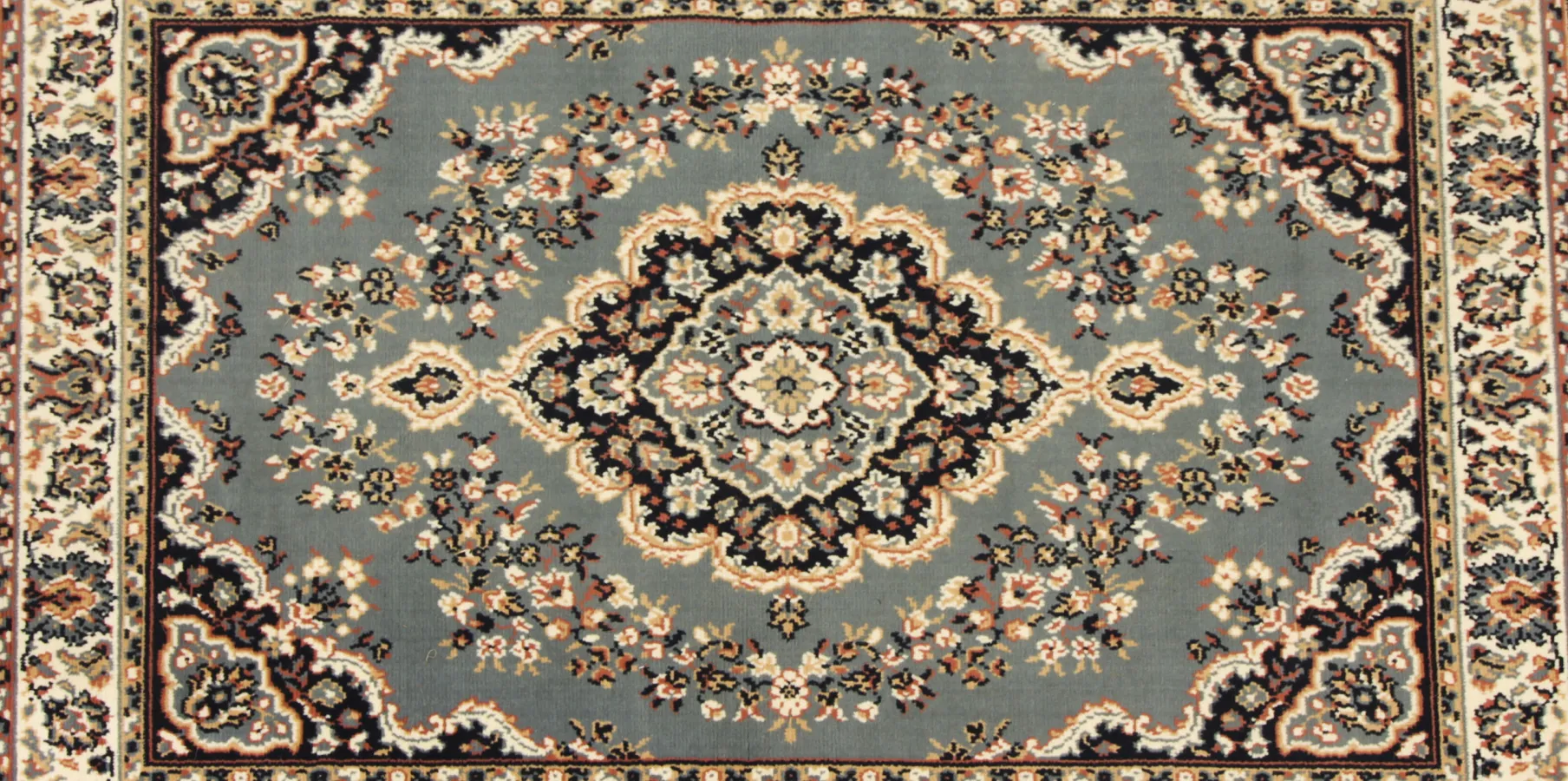
Post World War II, the West saw an unprecedented housing boom. With this came a love for wall-to-wall carpeting, symbolizing warmth, comfort, and luxury in domestic settings. Vinyl, a synthetic alternative to linoleum, also gained immense popularity. Its resistance to water and ease of cleaning made it a favorite for kitchens and bathrooms.
Sustainable and Recycled Materials (21st Century)
LL Flooring
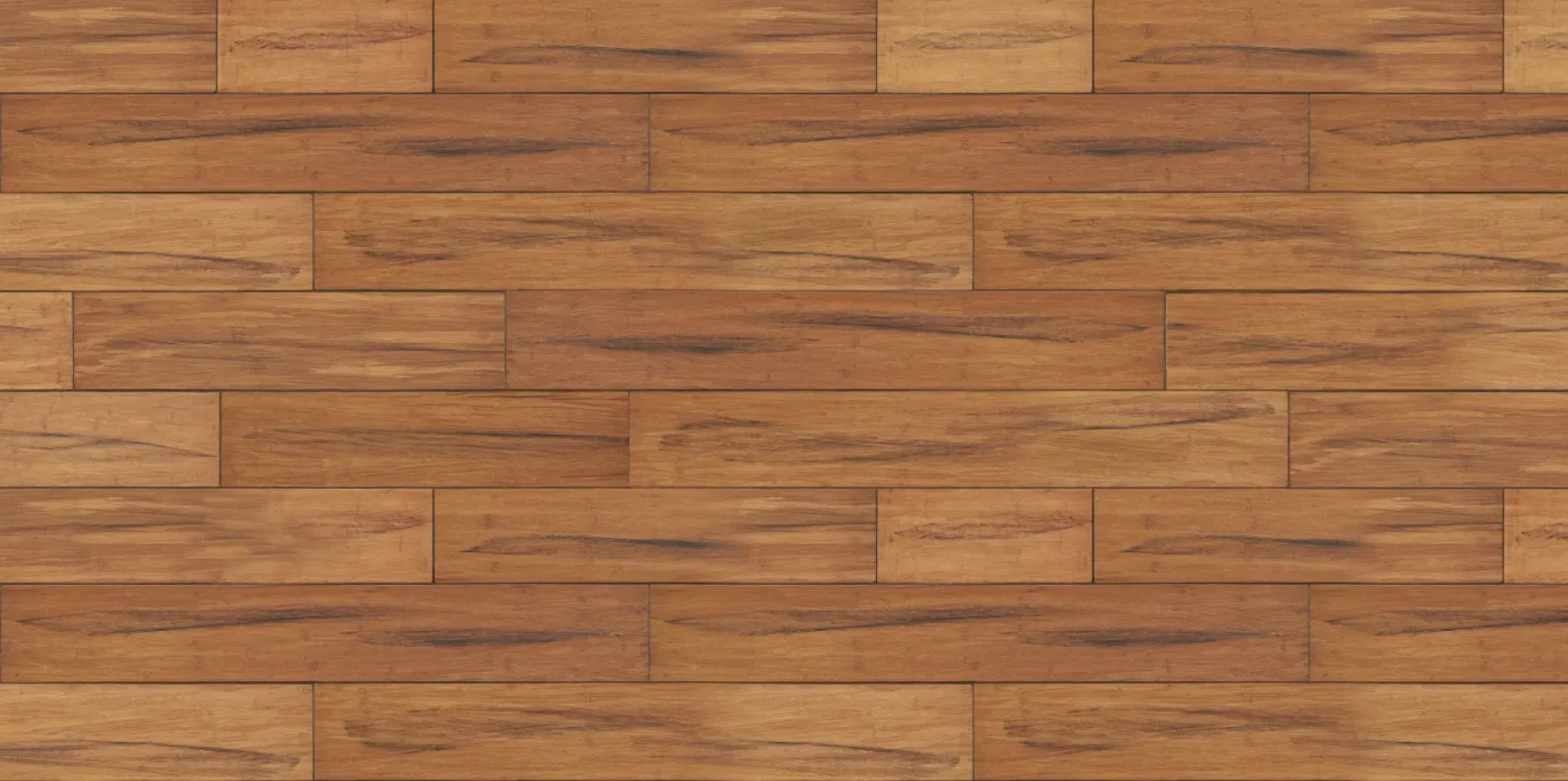
The 21st century brought with it an acute awareness of environmental concerns. This led to a significant shift towards flooring materials that were sustainable and eco-friendly. Bamboo flooring, for instance, became popular due to its rapid growth rate and durability. Similarly, cork, known for its renewable nature and comfort, found its way into modern homes. Recycled materials started gaining traction, reflecting a global move towards sustainability.
Through millennia, the materials under our feet have told stories of our technological, artistic, and environmental journey. As we continue to innovate, flooring remains a testament to our evolving relationship with the spaces we inhabit.
Up Next:

Best Flooring Material for Your Home: A Complete Guide
Project Guide:
Plan Your Interior Flooring