
MS International, Inc
Slate Flooring Guide: Costs, Pros, Cons and Care Tips
Project Guide:
Plan Your Interior Flooring
MS International, Inc
Slate, derived from a dense, fine-grained metamorphic rock, has traditionally been prized for its durability and natural beauty. Often associated with shades of grey, slate boasts a spectrum of colors, with hints of blue, green, rust, and earthy browns. This variance and its unique texture have made slate a popular flooring choice in historic and modern settings.
Varieties of Slate Flooring
Floors of Stone
Colors
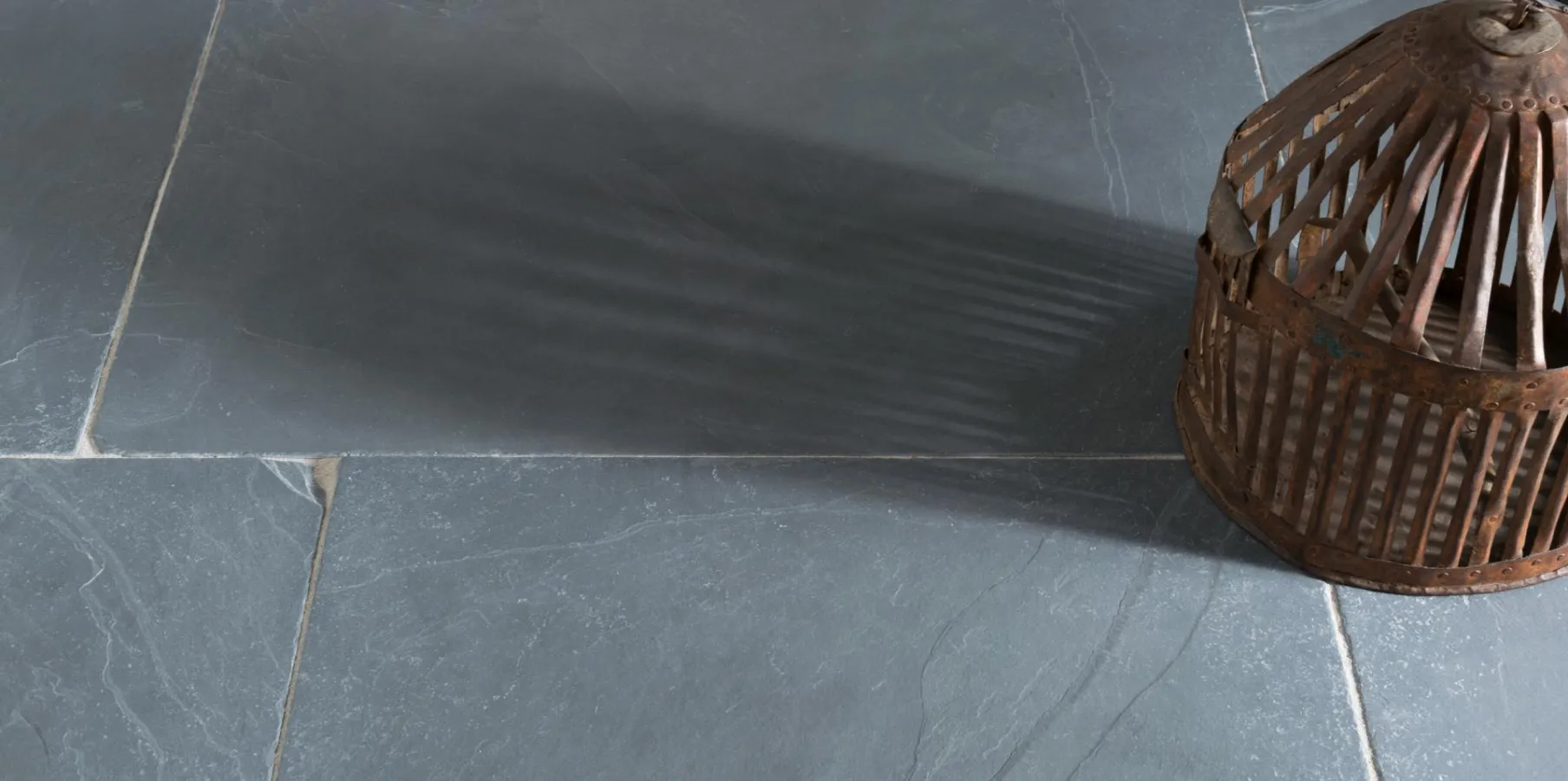
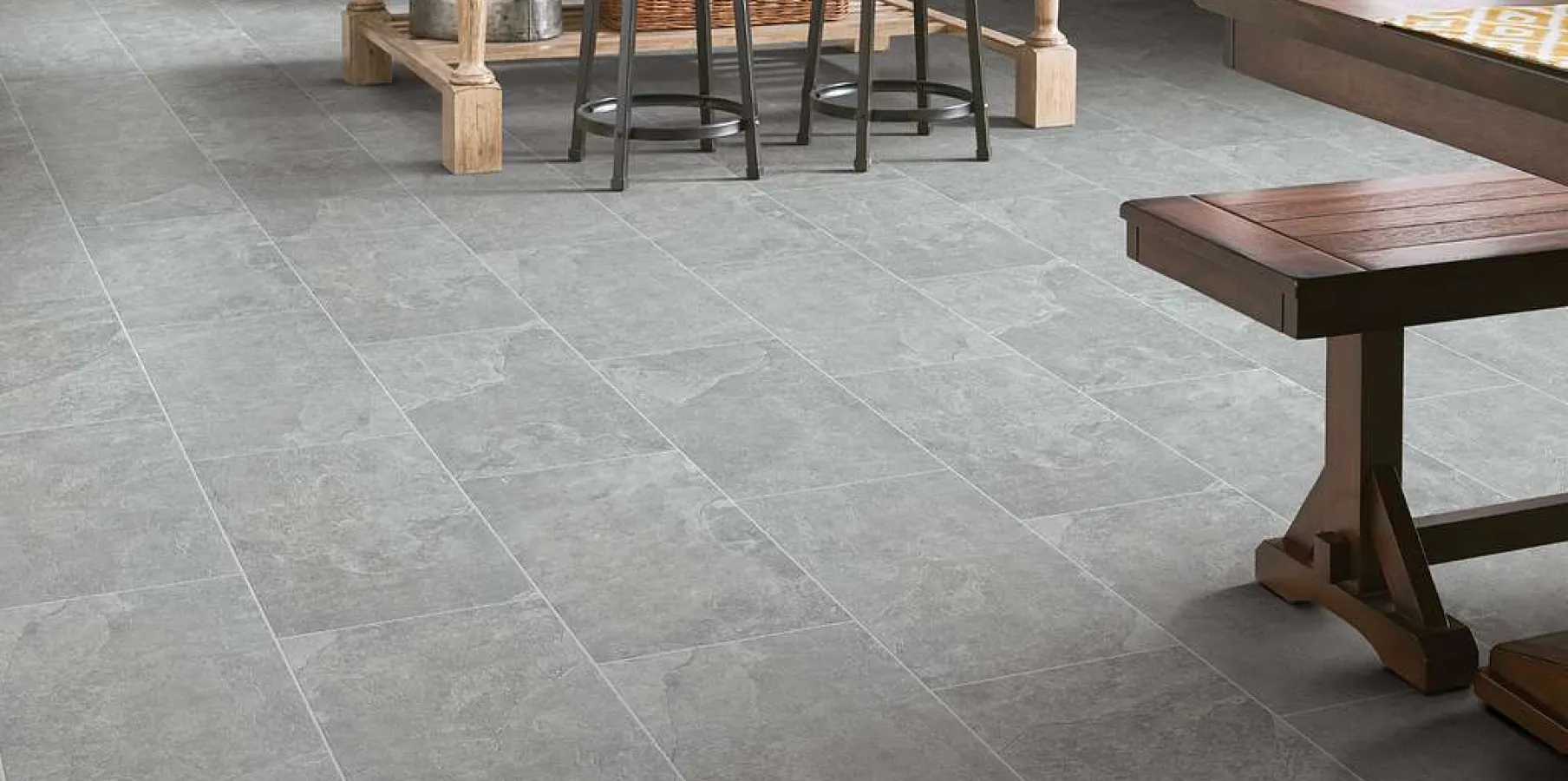
Slate offers diverse textures and colors, each contributing its unique character. The color palette of slate extends from classic greys, which can provide a sophisticated and modern look, to various other hues, such as deep blues, vibrant greens, and earthy browns. These colors often include natural patterns and subtle variations, a reflection of slate's metamorphic origins, and can infuse designs with a sense of natural elegance and depth.
Shapes and Sizes
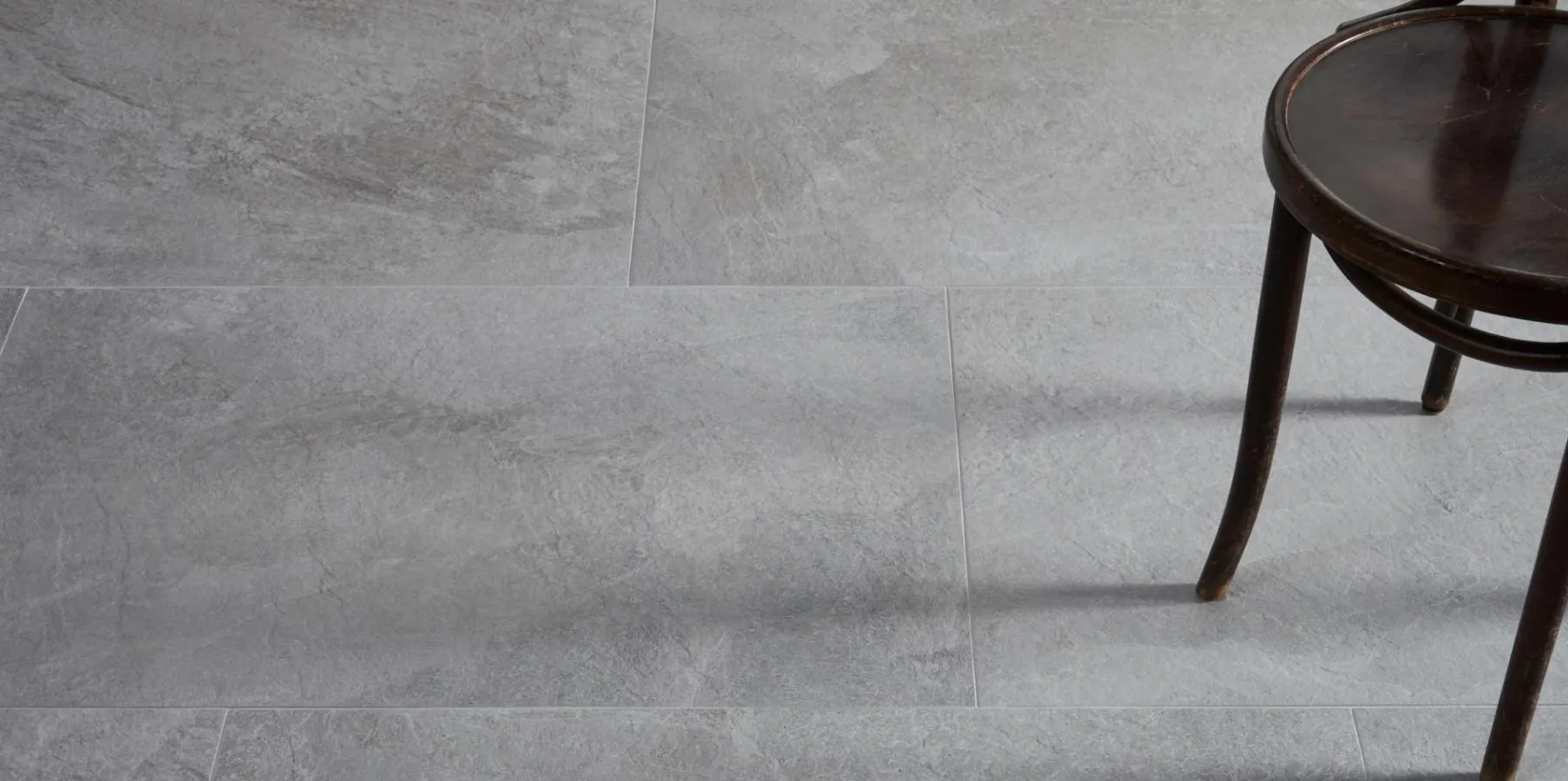
Diverse formats are available to the discerning homeowner or architect when exploring slate as a flooring option. Large slate slabs are available for those desiring a grand, uninterrupted aesthetic. These offer a commanding presence in spacious areas, reducing the number of seams and grout lines and amplifying the stone's natural patterns. For many interiors, slate tiles are often the go-to. Ranging from small, detailed pieces to more standard floor tile sizes, they provide flexibility in design, allowing for an array of laying patterns.
Textures and Finishes
The textures of the slate vary widely. Smooth, refined textures are sleek and relatively easy to clean, making them ideal for contemporary design settings. Rougher, more natural textures offer a rustic appeal, aligning well with traditional or country-style designs. This range in texture contributes significantly to the visual interest of space and can influence its overall ambiance.
Slate can be treated to alter its appearance and texture. Polished slate provides a smooth, glossy finish that can highlight the stone's natural colors and intricate patterns. Honed slate offers a matte finish, delivering a subtler, more understated look. Textures like cleft or brushed finishes can give the slate an aged or weathered appearance, adding character and a touch of historical charm to the material.
Edge Treatments
The edges of slate tiles or slabs can also be finished in various styles. Straight, clean-cut edges provide a modern, precise appearance, while beveled or rounded edges create a softer, more traditional look. This flexibility in edge treatments allows slate to be tailored to a wide range of design preferences, enhancing its appeal as a versatile and aesthetically pleasing material.
The Advantages of Slate
MS International, Inc
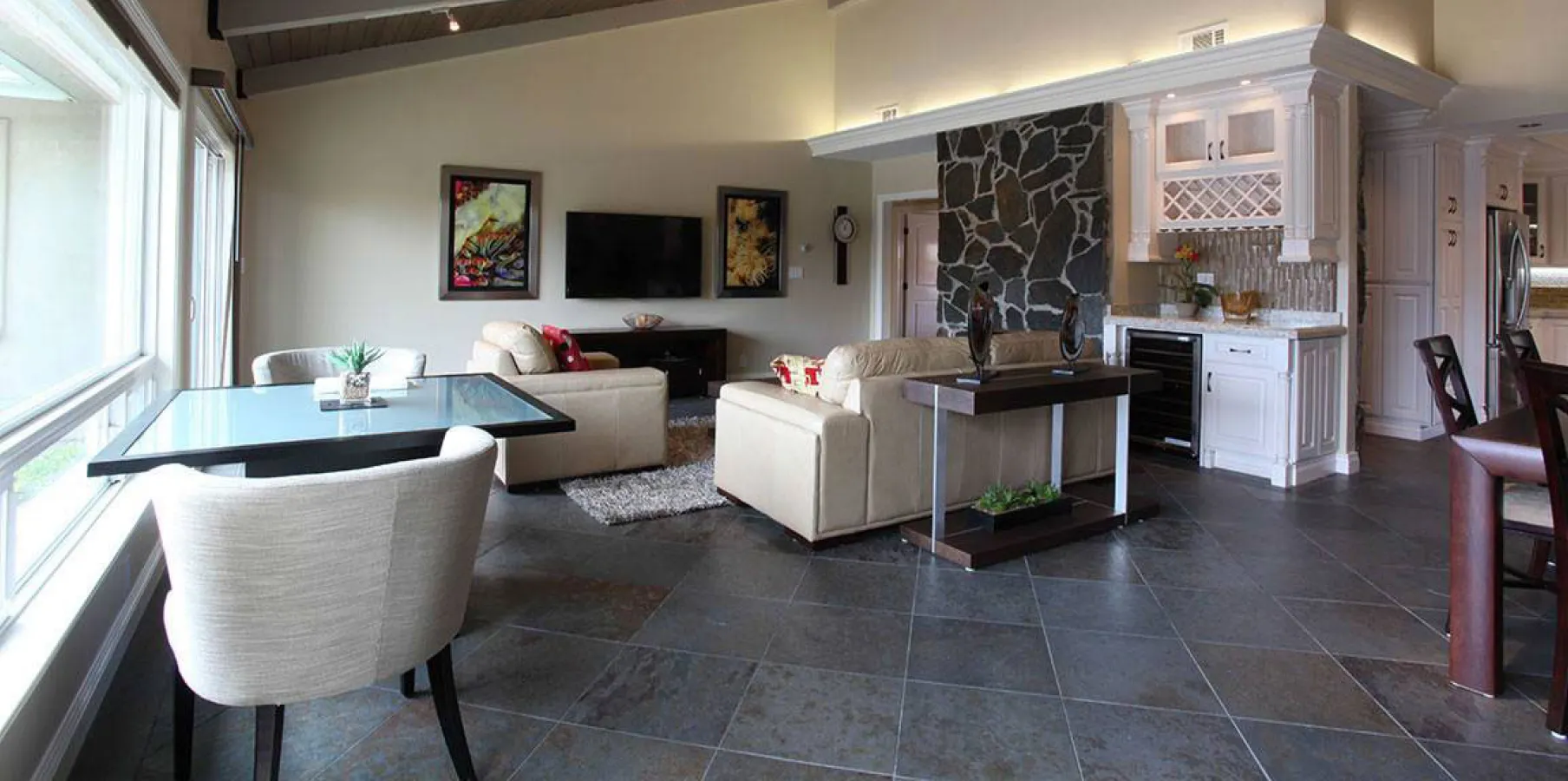
Slate brings a unique, natural beauty to interior spaces. Its rich texture and variety of colors, ranging from classic greys to blues, greens, and earthy browns, offer a distinct aesthetic that can complement various design themes. Each slate piece has unique patterns and tones, adding character and a bespoke quality to interior designs.
Slate is renowned for its strength and durability. As a metamorphic rock, it can withstand significant wear and tear, making it an excellent choice for high-traffic areas. Its resistance to moisture, heat, and scratches ensures that slate flooring maintains its appearance over time, reducing the need for frequent repairs or replacements.
Slate requires minimal upkeep compared to other flooring materials. It doesn’t easily show dirt or smudges, and cleaning is typically straightforward, involving only basic care. This low-maintenance aspect makes slate an attractive option for residential and commercial spaces.
Slate has natural insulating properties, which can be beneficial in regulating indoor temperature. It helps keep spaces warm in the winter and cool in the summer, potentially aiding in energy efficiency.
The Drawbacks of Slate
MS International, Inc
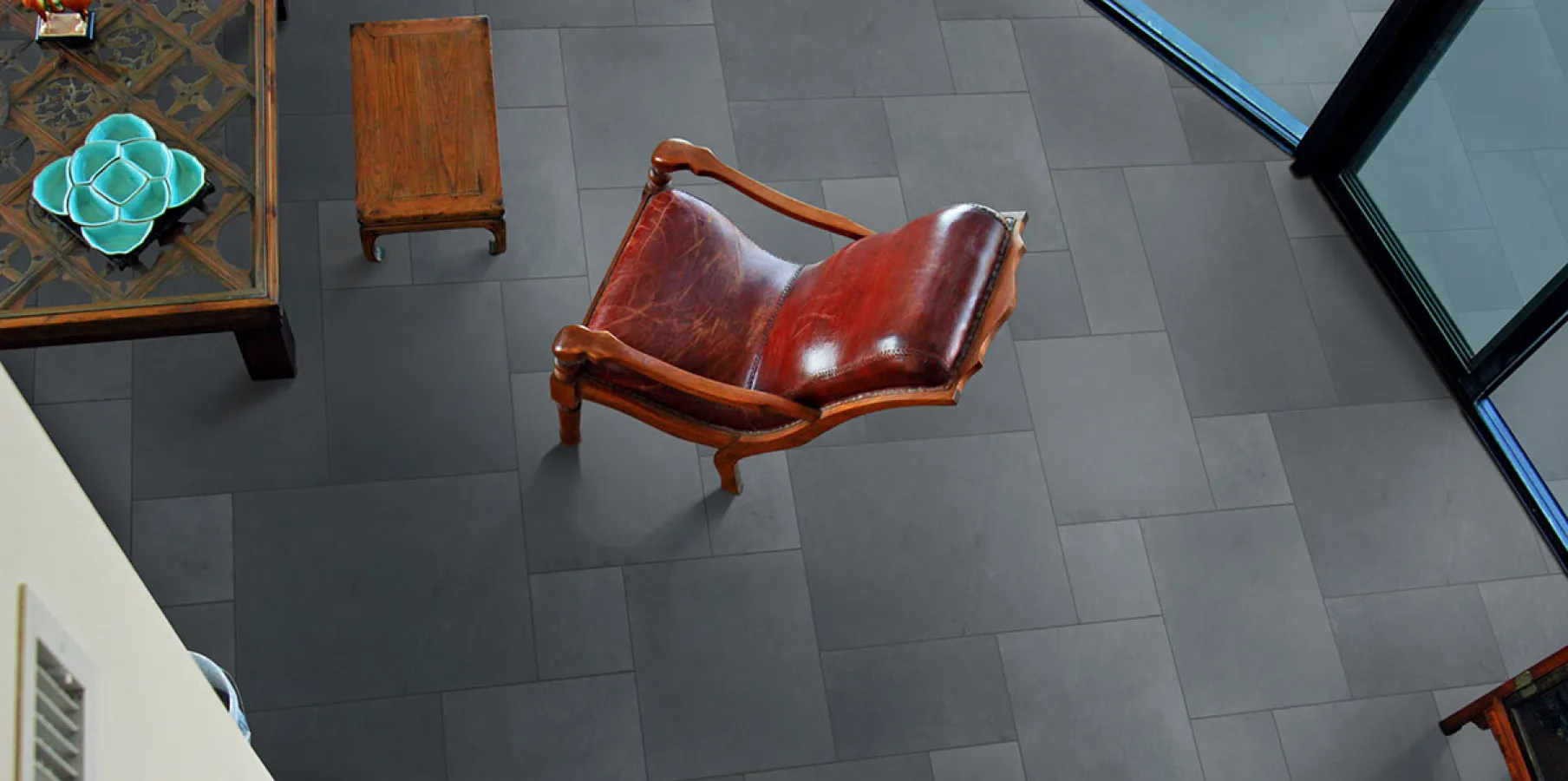
Slate flooring is not without its challenges. Although slate offers a variety of natural hues, its color range is generally more subdued and less varied compared to materials like painted drywall or ceramic tiles. This can limit design options for those seeking a broader color palette.
Slate's natural stone composition makes it feel cold to the touch, which might not be desirable in certain living spaces. Its hard surface also offers little sound dampening, which could affect acoustics in a room.
While generally low maintenance, slate does require some care to maintain its appearance. It can be prone to chipping or scratching, and lighter colors might show stains more easily. Periodic sealing may be necessary to protect the surface, especially in moisture-prone areas.
Natural slate can vary in quality, and lower-grade slate may be less durable or aesthetically pleasing. It’s important to source high-quality slate to ensure the best possible outcome, which can add to the overall cost and effort involved in selection.
Installation Process
Floors of Stone
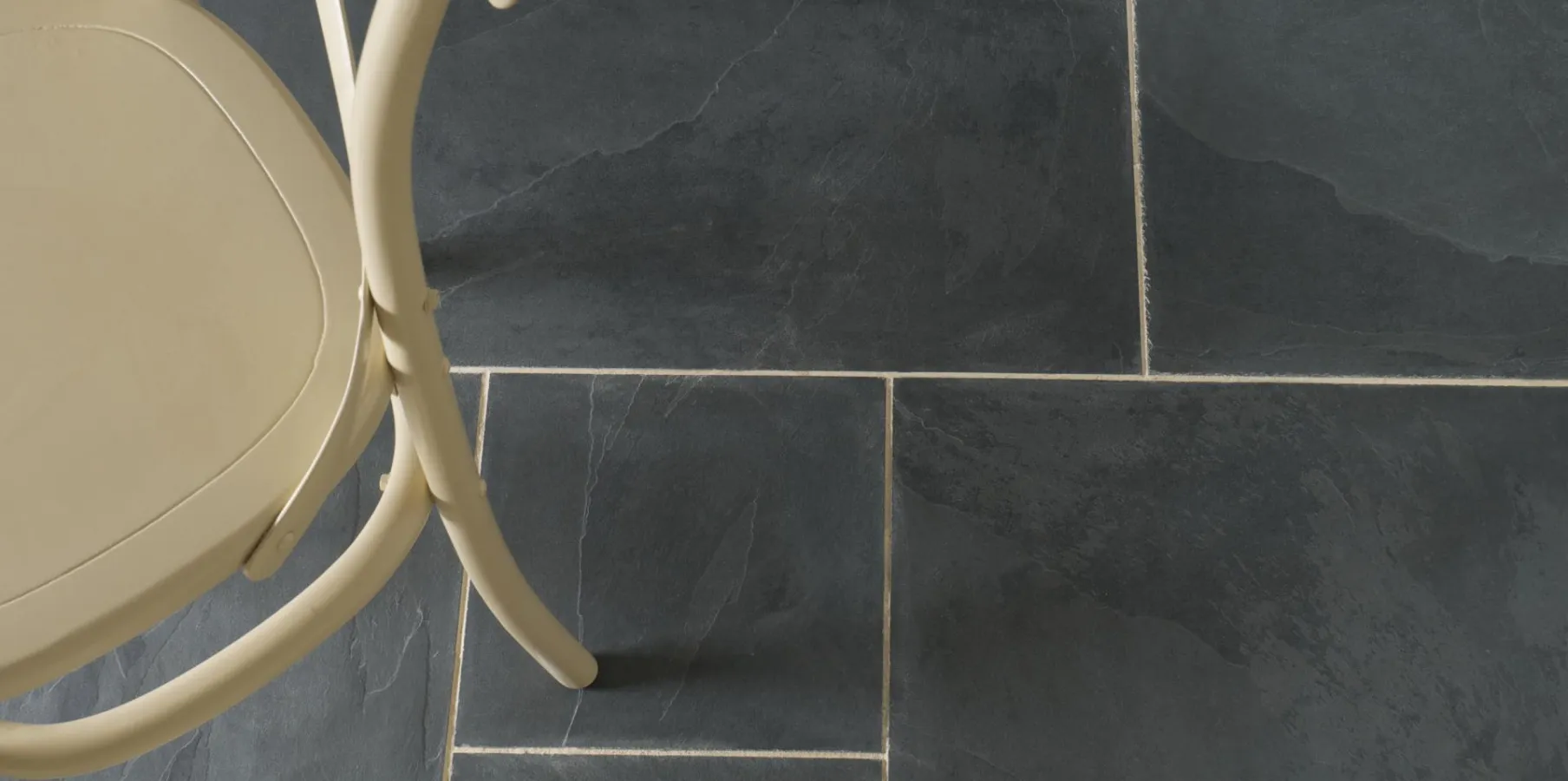
Installing slate, especially large slabs, demands precision. The foundation needs to be perfectly level and stable. Once in place, the slate will benefit from a sealant, which protects its surface from spills and potential staining.
Environmental Impact
Shaw Floors
Like all quarried materials, extracting slate has an environmental footprint, from the energy used in mining to the transportation. However, slate quarries often have a smaller environmental impact than stone quarries, partly because many use water-powered methods for splitting the slate.
Cost Considerations
Floors of Stone
When budgeting for slate flooring, one must consider the slate's type, origin, and installation costs. Due to their size and expertise in laying them, large slate slabs typically cost more than tiles.
With its rugged beauty and lasting strength, it is an option that has transcended eras. For those wishing to capture the essence of nature within their spaces, slate offers charm and resilience. But as with any natural material, understanding its strengths and limitations is key to long-term satisfaction.
Up Next:

Quartzite Flooring: Costs, Pros, Cons, and Design Options
Project Guide:
Plan Your Interior Flooring