
Floors of Stone
Travertine Flooring: Costs, Pros, Cons and Installation Tips
Project Guide:
Plan Your Interior Flooring
Floors of Stone
Travertine, a type of sedimentary rock, is derived from limestone. With origins that trace back to mineral springs, particularly hot springs, travertine has been revered for its unique characteristics and utilized in architecture for centuries. The Roman Colosseum, constructed in 80 AD, stands as a monumental testament to the beauty and durability of this sedimentary rock, and it remains a popular choice for modern homes and commercial properties.
Variety of Travertine
Daltile
Colors
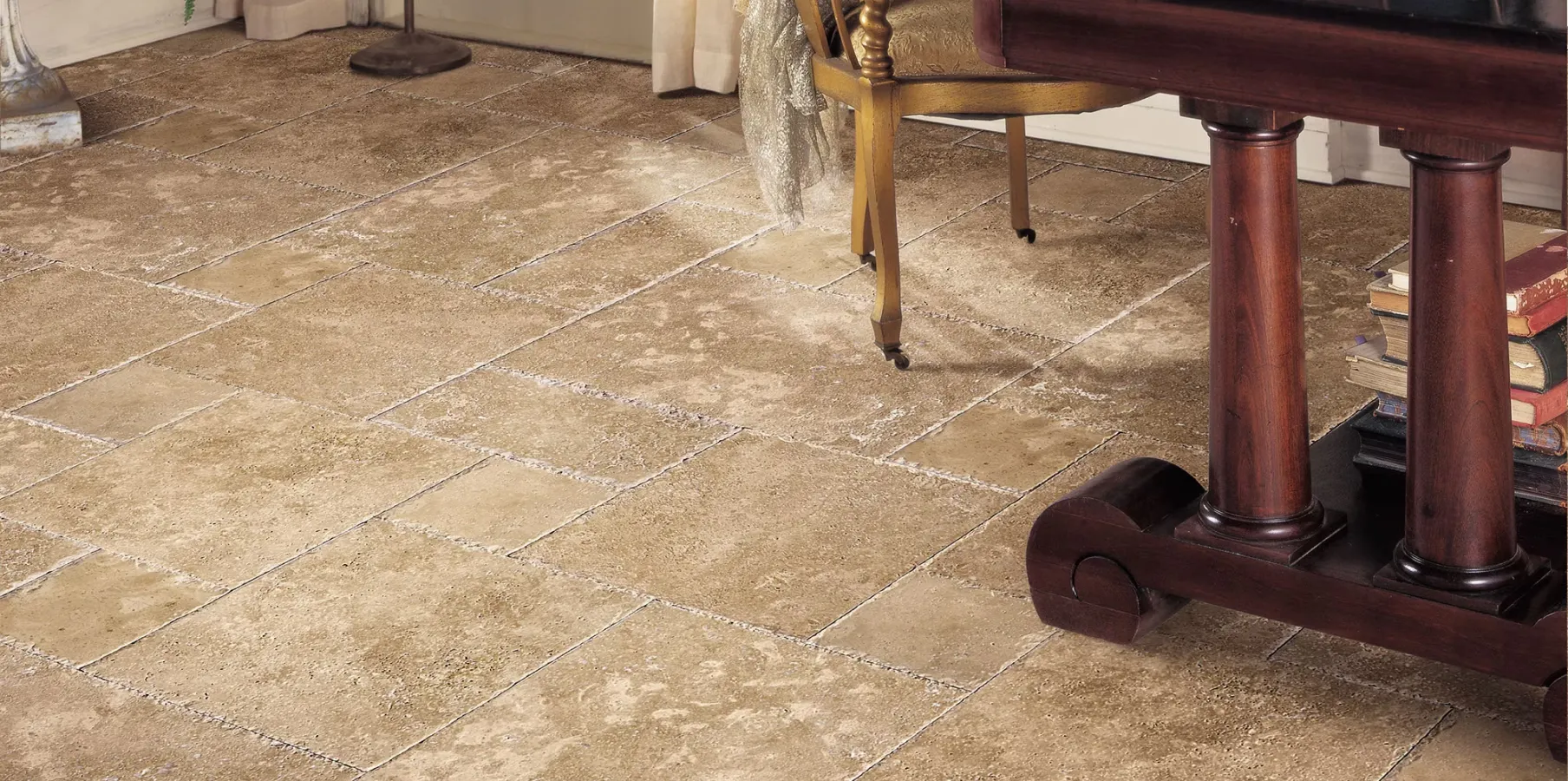
Travertine displays various colors and textures, each adding a distinct touch to design spaces. The color palette includes a variety of shades, ranging from elegant, light ivories, pinks, and creams to warm beiges, rich golds, and even deep reddish-browns. These colors often feature unique patterns and natural striations, characteristic of travertine's formation process, lending an organic and sophisticated feel to any design.
Shapes and Sizes
Travertine is available in many sizes and shapes, enhancing its versatility for different applications. It can be found in large slabs, which are excellent for creating expansive, seamless surfaces in areas like open floor plans. This can give spaces a more continuous and spacious appearance. Conversely, smaller tiles or modular shapes are perfect for intricate designs or detailed patterns, adding character and visual interest to smaller areas or specific design features.
Textures and Finishes
The textures of travertine vary widely. Smooth, honed finishes offer a sleek, refined look and are easier to maintain, fitting well in modern or minimalist designs. Textured finishes, such as tumbled or brushed travertine, are more rustic and natural, ideal for traditional or Mediterranean-style settings. These textures affect the visual appeal but also the ambiance and tactile experience of the space.
Beyond its natural state, travertine can be treated with various finishes to modify its appearance and feel. Polished travertine has a glossy, sophisticated finish that accentuates the stone’s natural colors and patterns, while honed travertine has a matte surface for a subtler, contemporary look. Tumbled or brushed finishes impart an aged or weathered look to the travertine, adding depth and a sense of historical charm.
Edge Treatments
The edges of travertine tiles or slabs can also be finished in different ways to complement the overall design style. Straight, clean-cut edges offer a modern, precise look, while beveled or rounded edges can create a softer, more classical appearance, adding to the design's aesthetic appeal.
Advantages of Travertine
Daltile
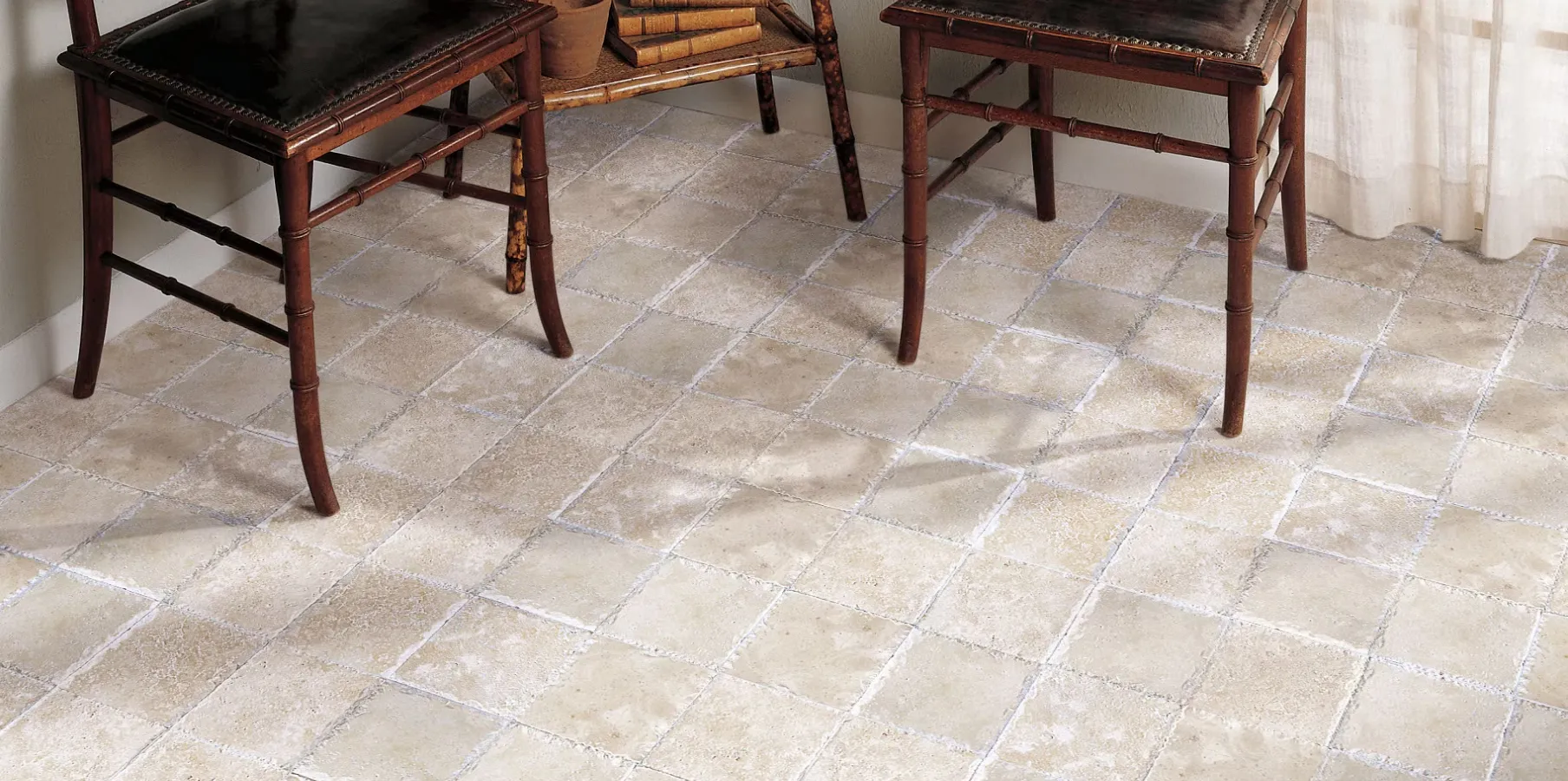
Travertine's natural beauty is unparalleled. As a result of its formation process, each tile or slab has a unique pattern, ensuring that no two pieces are identical. This uniqueness imparts an exclusive look to any space.
Travertine is also suitable for outdoor applications. This means that it's possible to maintain a consistent flooring aesthetic throughout a property. Regarding practical benefits, travertine offers good thermal properties, staying cool in warm conditions and retaining heat when it's cold, a feature especially beneficial in areas with varied seasonal temperatures. Using travertine can enhance the value of a property, not just because of its luxurious look but also because of its longevity. And, if a section gets damaged, the ability to replace specific tiles without overhauling the entire floor is another practical advantage.
Furthermore, once properly sealed, travertine stands up well to heavy foot traffic, making it ideal for public areas or busy households. One of its most charming traits is its ability to age gracefully. Over time, this stone takes on a patina, enhancing its natural beauty and giving spaces an air of timeless elegance.
Drawbacks of Travertine
Daltile
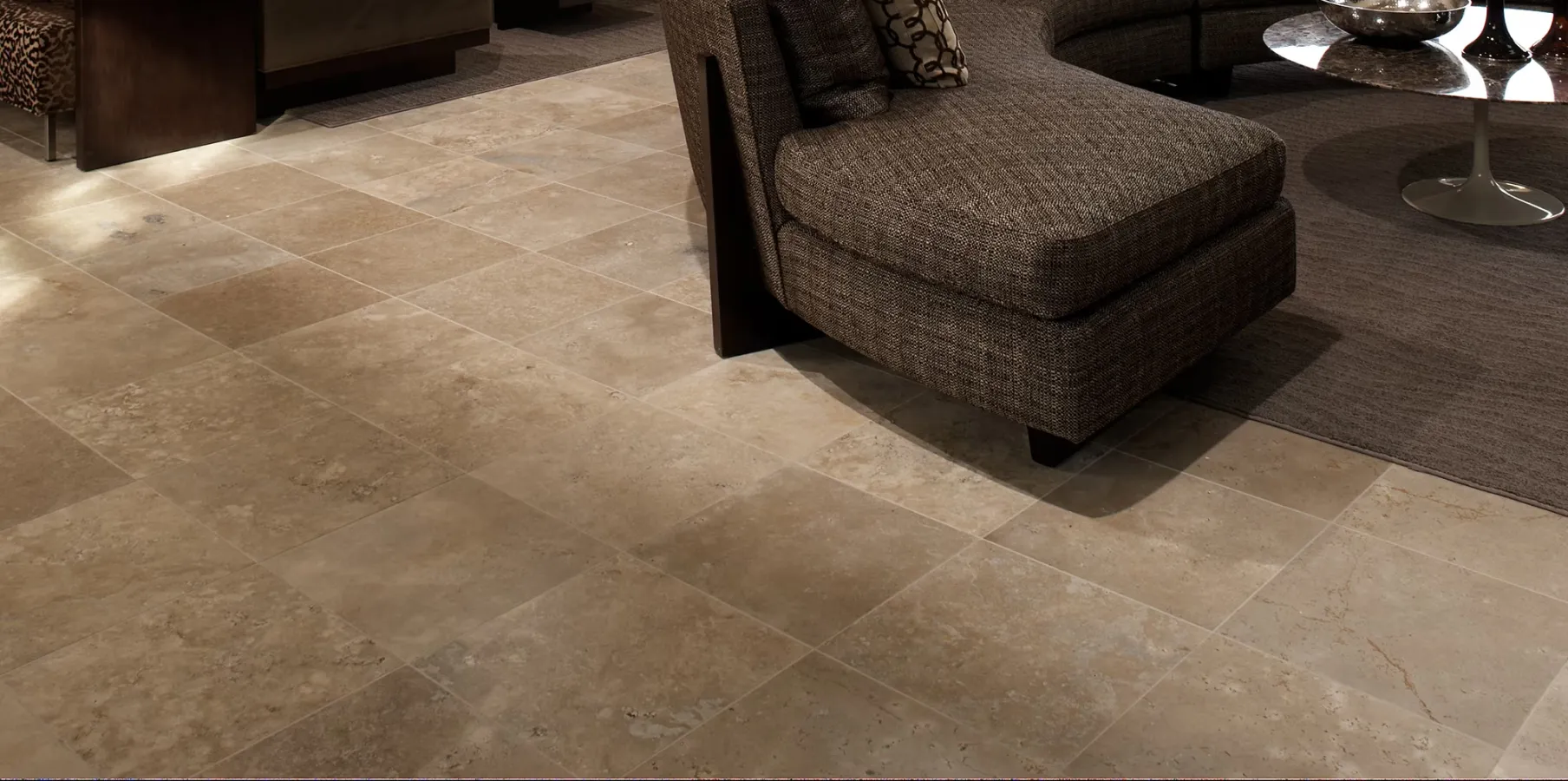
But travertine isn’t without its challenges. Being a naturally porous material, there's a risk of staining if it’s not adequately sealed. Spills, especially of acidic substances like wine, can etch the surface if not promptly cleaned. Moreover, its softness compared to other stones can make it susceptible to chipping and scratching. Maintenance is a significant consideration; regular sealing, more frequent than with other stones, is imperative to maintain its beauty and protect it from damage.
Installation Process
Daltile
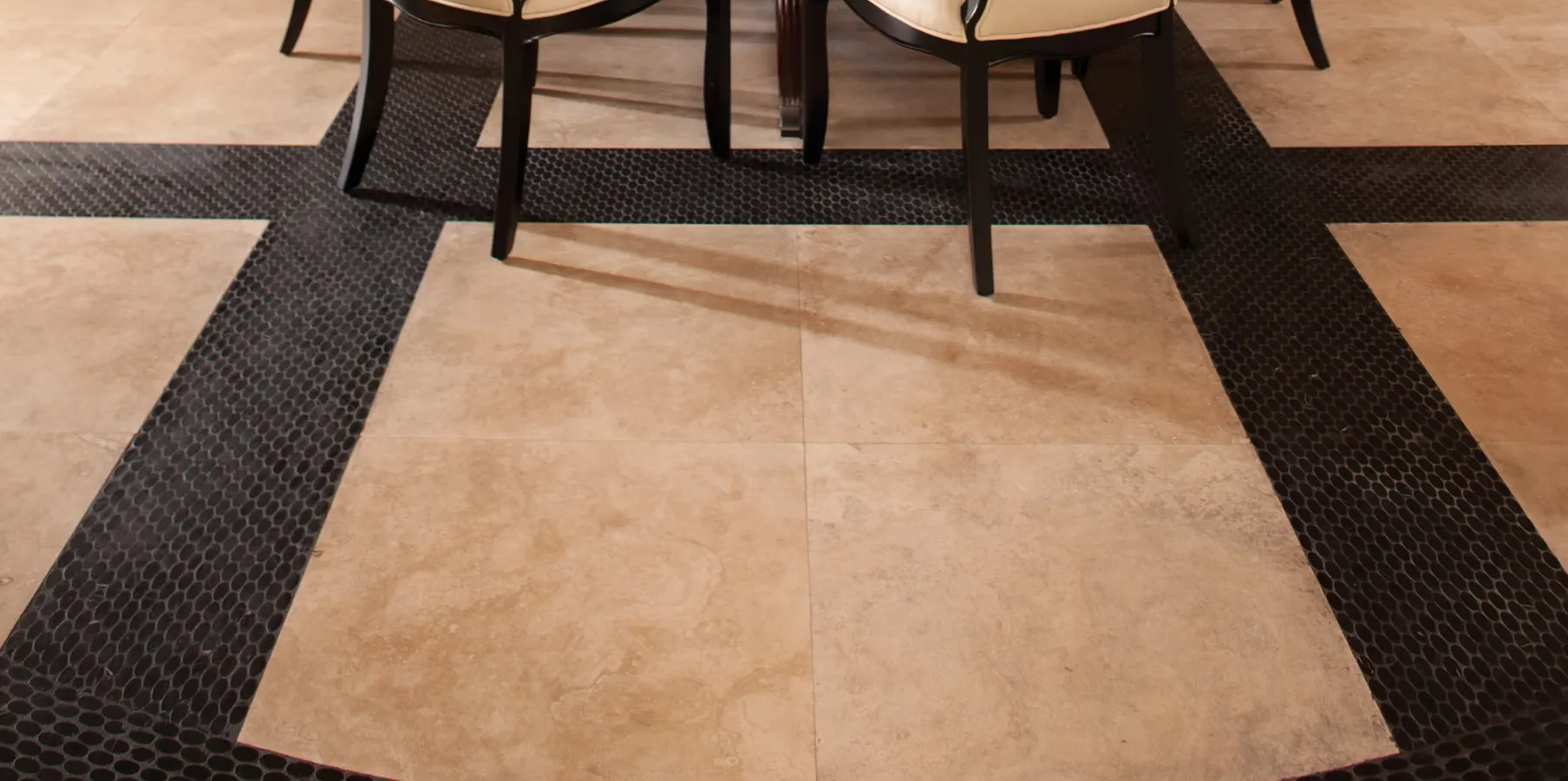
Laying down travertine requires a meticulous approach. Its tiles or slabs should be dry-fitted first to ensure the veining and patterns match seamlessly. Due to its weight, a proper substrate is essential to prevent cracks and shifts. Professionals often recommend using thin-set mortar for installation. Sealing is necessary before and after grouting to protect the stone and extend its life.
Environmental Impact
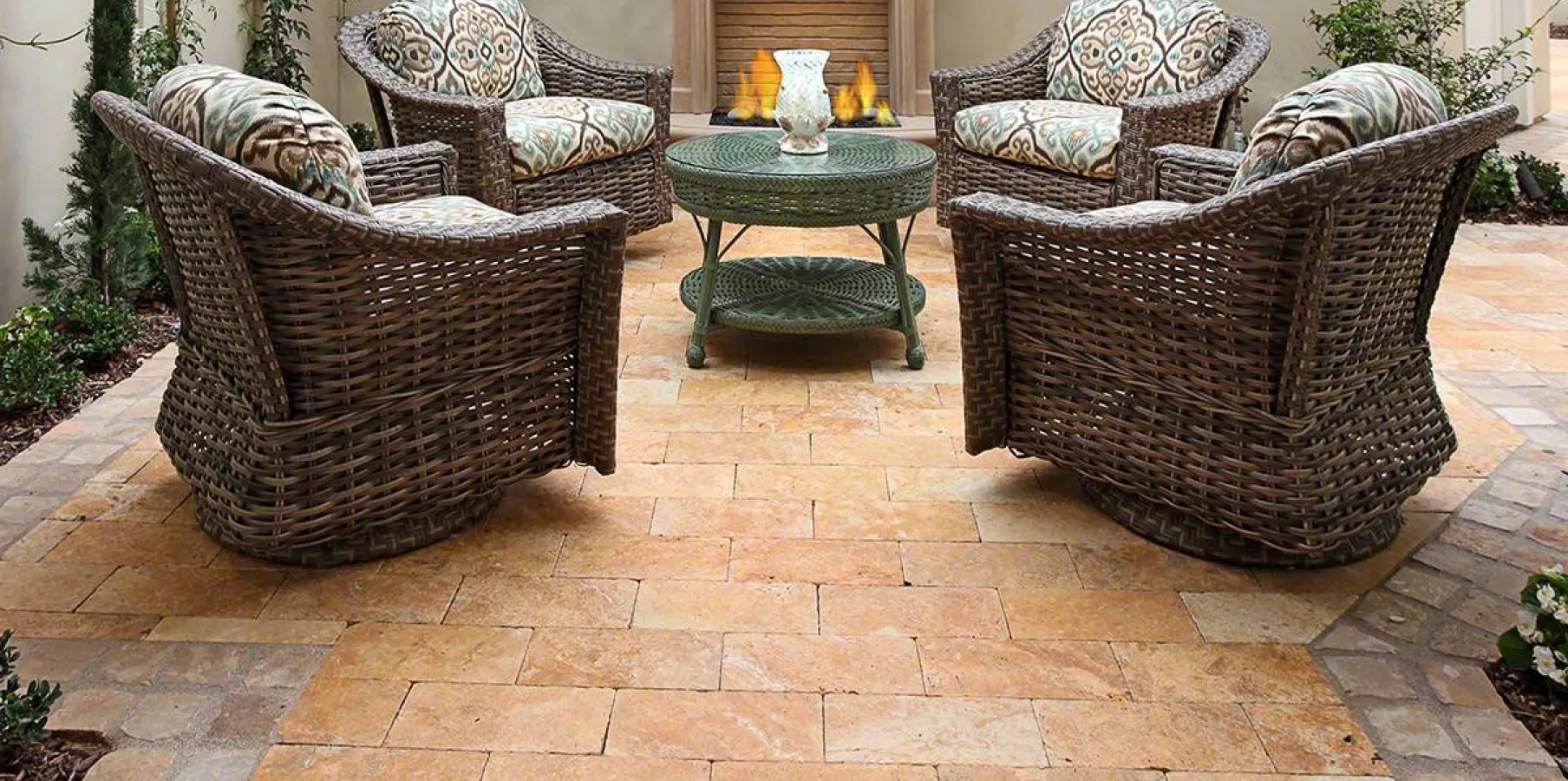
MS International, Inc
Being a natural stone, travertine is eco-friendly. However, its extraction, transportation, and processing come with a carbon footprint. Additionally, since travertine lasts for years, it doesn't need frequent replacement, reducing its overall environmental impact over its lifetime.
Cost Considerations
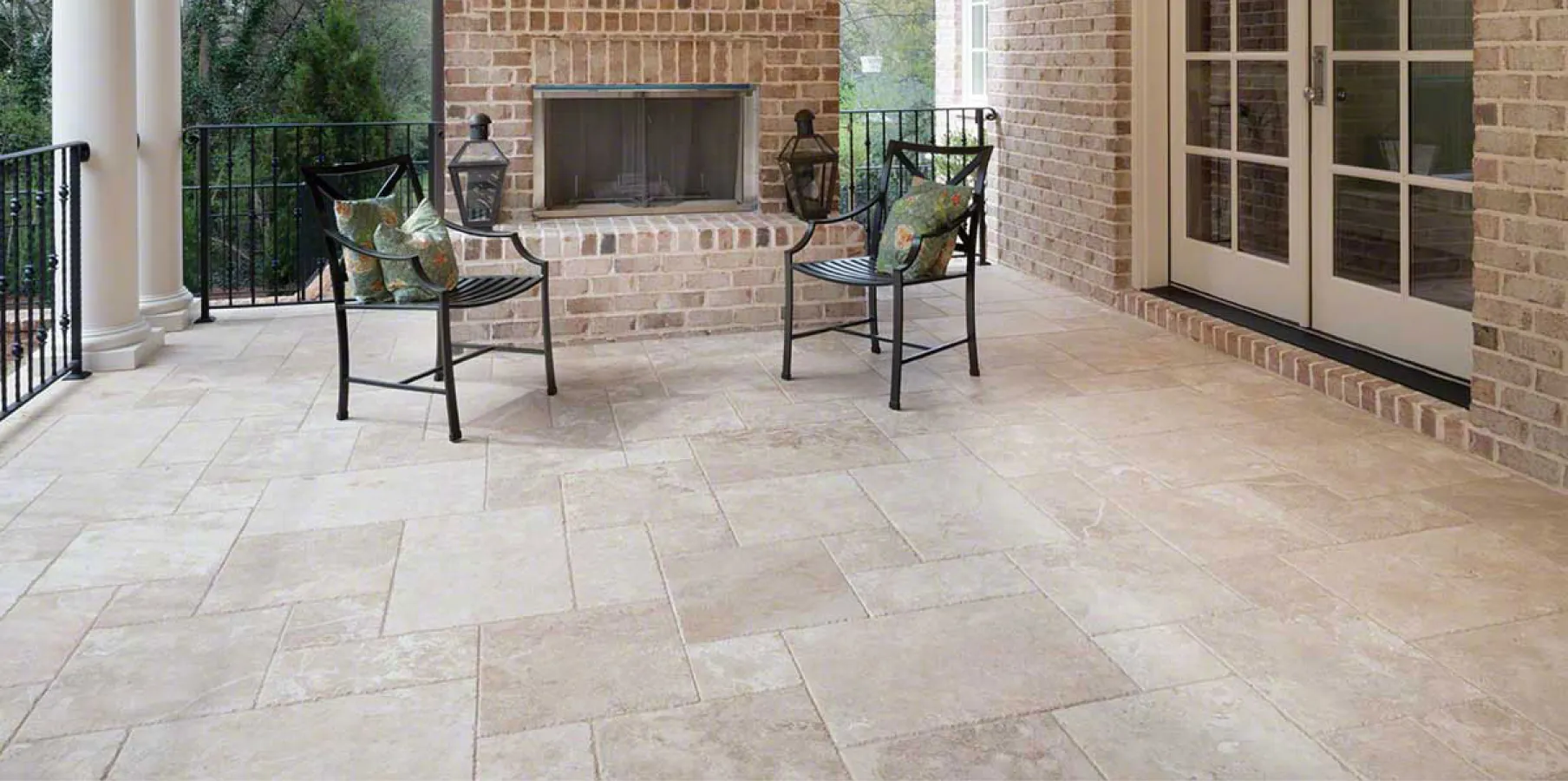
MS International, Inc
The cost of travertine flooring is influenced by several factors, primarily depending on the stone's quality, finish, and geographical origin. Premium quality travertine, often sourced from renowned quarries known for their superior stone, usually commands a higher price. For example, travertine from Italian quarries might be priced higher due to its perceived superior quality and the prestige of Italian stone. The finish also plays a role in the cost; for instance, a polished or specialized finish might be more expensive than a basic honed one.
The market has more cost-effective travertine options for those working with tighter budgets. This doesn't necessarily mean they are inferior quality, but the aesthetic might differ slightly from the premium range. Buyers must weigh the cost against their expectations and desired outcomes when choosing travertine flooring. While travertine can be more expensive than other flooring materials, many homeowners and property developers consider it a worthwhile investment. Its long-lasting nature and aesthetic value can enhance a property's overall worth, offering better returns in the long run.
Up Next:

Advantages and Disadvantages of Engineered Stone Flooring
Project Guide:
Plan Your Interior Flooring