
The Tile Shop
Terracotta Tile Flooring: Costs, Care and Installation Tips
Project Guide:
Plan Your Interior Flooring
The Tile Shop
For centuries, terracotta has been cherished for its warm, earthy tones, evoking memories of sun-soaked Mediterranean villas and historic South American settlements. Its name, derived from the Italian words "terra" (earth) and "cotta" (cooked), accurately describes the material: baked earth. This ancient practice of shaping and molding raw, unrefined clay into diverse shapes, followed by the transformative force of firing and baking, has created iconic terracotta tiles. As flooring material, terracotta tiles provide a rustic, organic touch, adding character and charm to a home.
Advantages of Terracotta Flooring
Bedrosians Tile & Stone
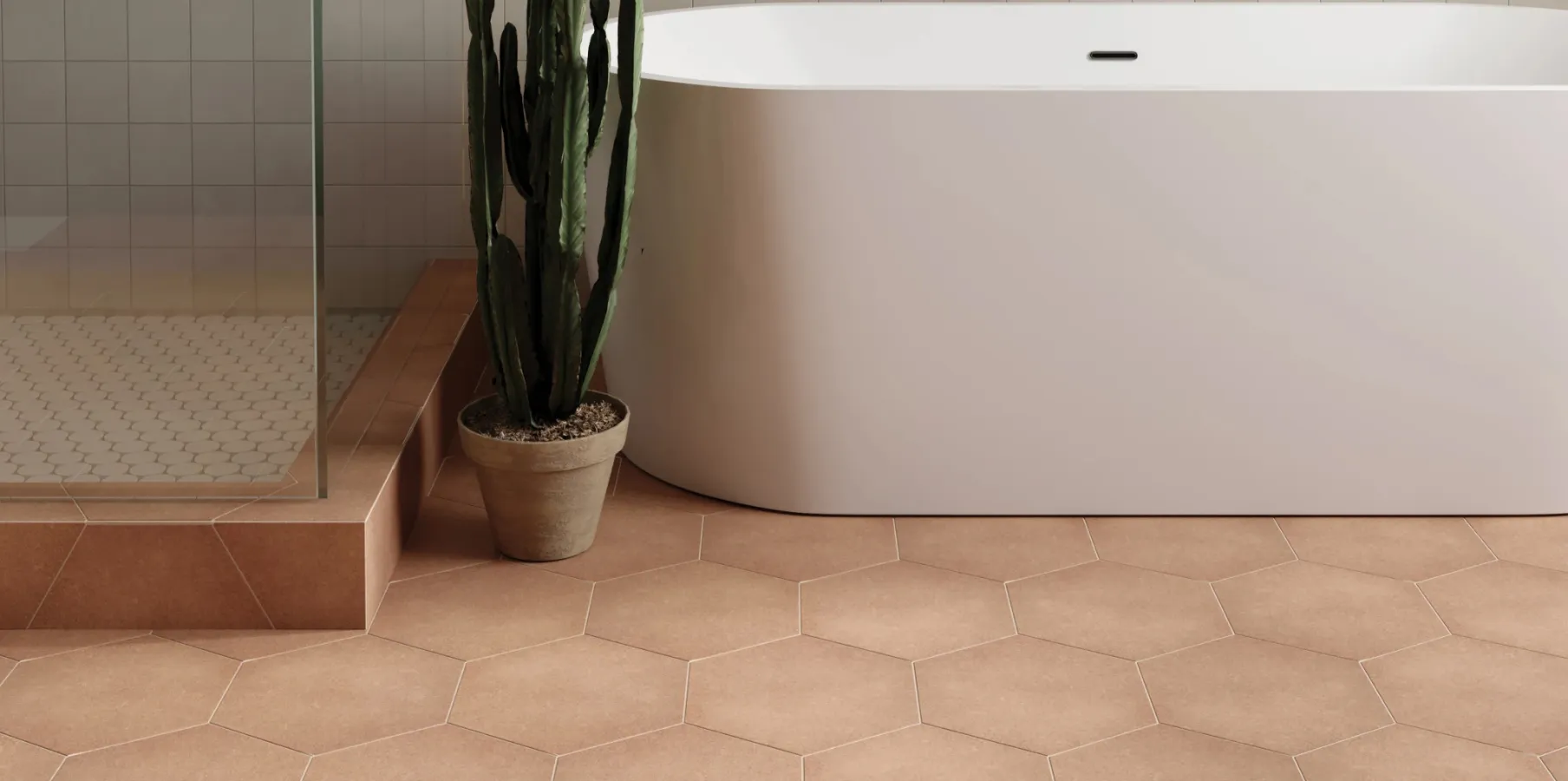
Terracotta flooring offers a broad color range, including earthy browns, deep reds, warm pinks, and bright yellows, directly reflecting the natural clay used in its production. This color variety ensures a fit for both modern and traditional interior designs.
Practical benefits are at the forefront of terracotta flooring. The material's porous nature provides a unique texture, and its insulating properties mean the floor remains at a moderate temperature throughout the year. Homeowners have a choice in finishes, from a simple matte to a shinier glaze, allowing customization to fit design preferences. One notable feature of terracotta is its ability to develop a patina over time, giving floors a seasoned look that many find appealing.
What sets terracotta flooring apart is its natural imperfections and varied textures. Instead of detracting from its value, these characteristics amplify the material's authenticity, making it a popular choice for those seeking a genuine and durable flooring option.
Drawbacks of Terracotta Flooring
Rustico Tile
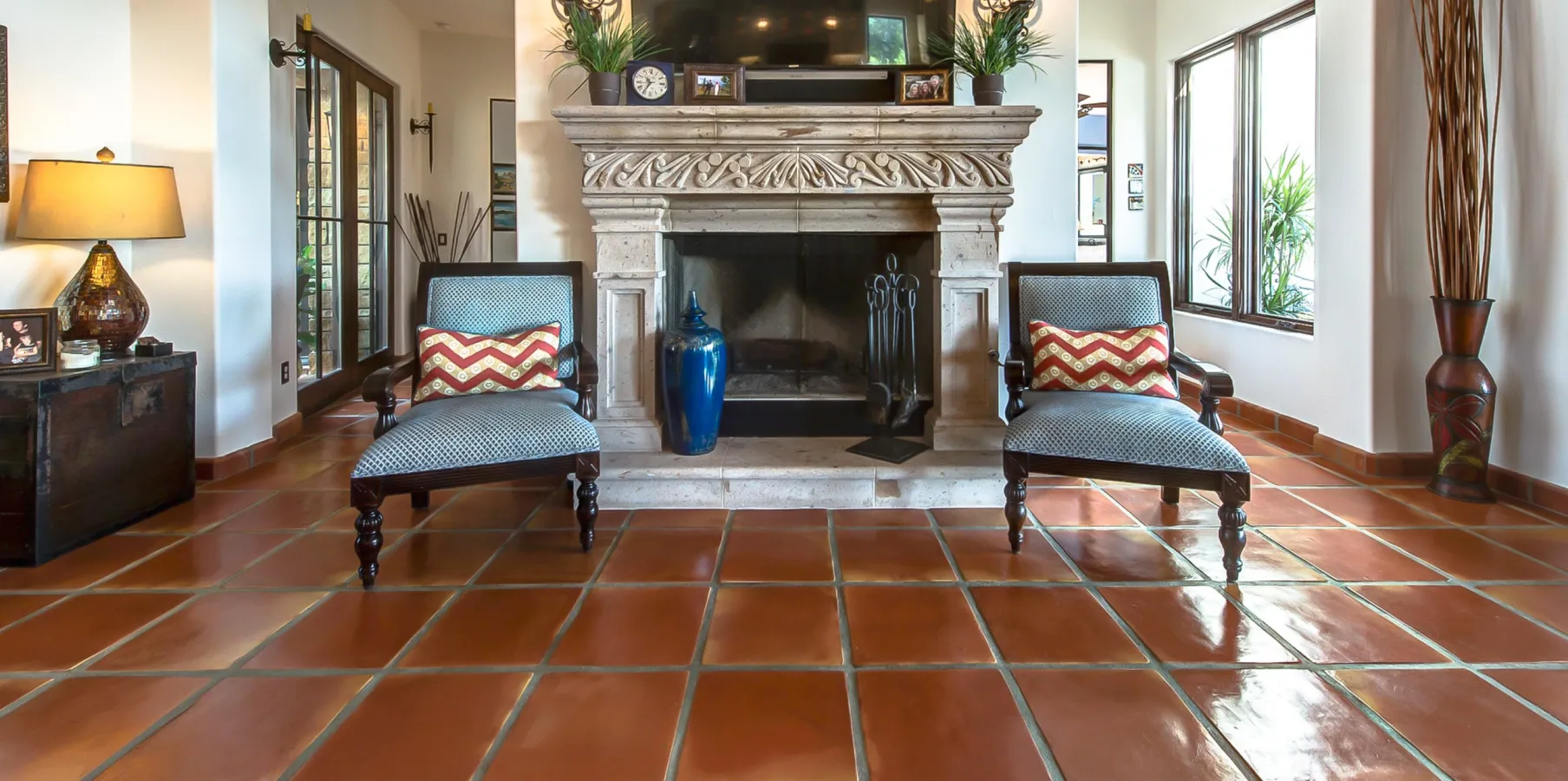
For all its charm, Terracotta presents particular challenges as a flooring choice. Its porous nature, although helpful in regulating humidity, requires careful attention. Without proper sealing, these tiles can readily absorb liquids, leading to stains that can be tough to remove. This same porosity makes them vulnerable to damage from excessive moisture, risking degradation or mold growth if left unchecked.
In terms of durability, terracotta tiles tend to be less robust compared to some other flooring materials. This means that high-traffic areas or instances of dropping heavy objects might result in chips, cracks, or accelerated wear. Replacement or repair could be required more frequently, potentially increasing long-term maintenance costs.
Additionally, those considering terracotta should be ready to embrace its inherent inconsistencies. Naturally derived tiles might exhibit color, texture, and even shape variations. This can pose challenges in achieving a perfectly consistent floor pattern. For some, these variations enhance the floor's character, but it might be a drawback for others seeking a more uniform appearance.
Installation of Terracotta
The Tile Shop
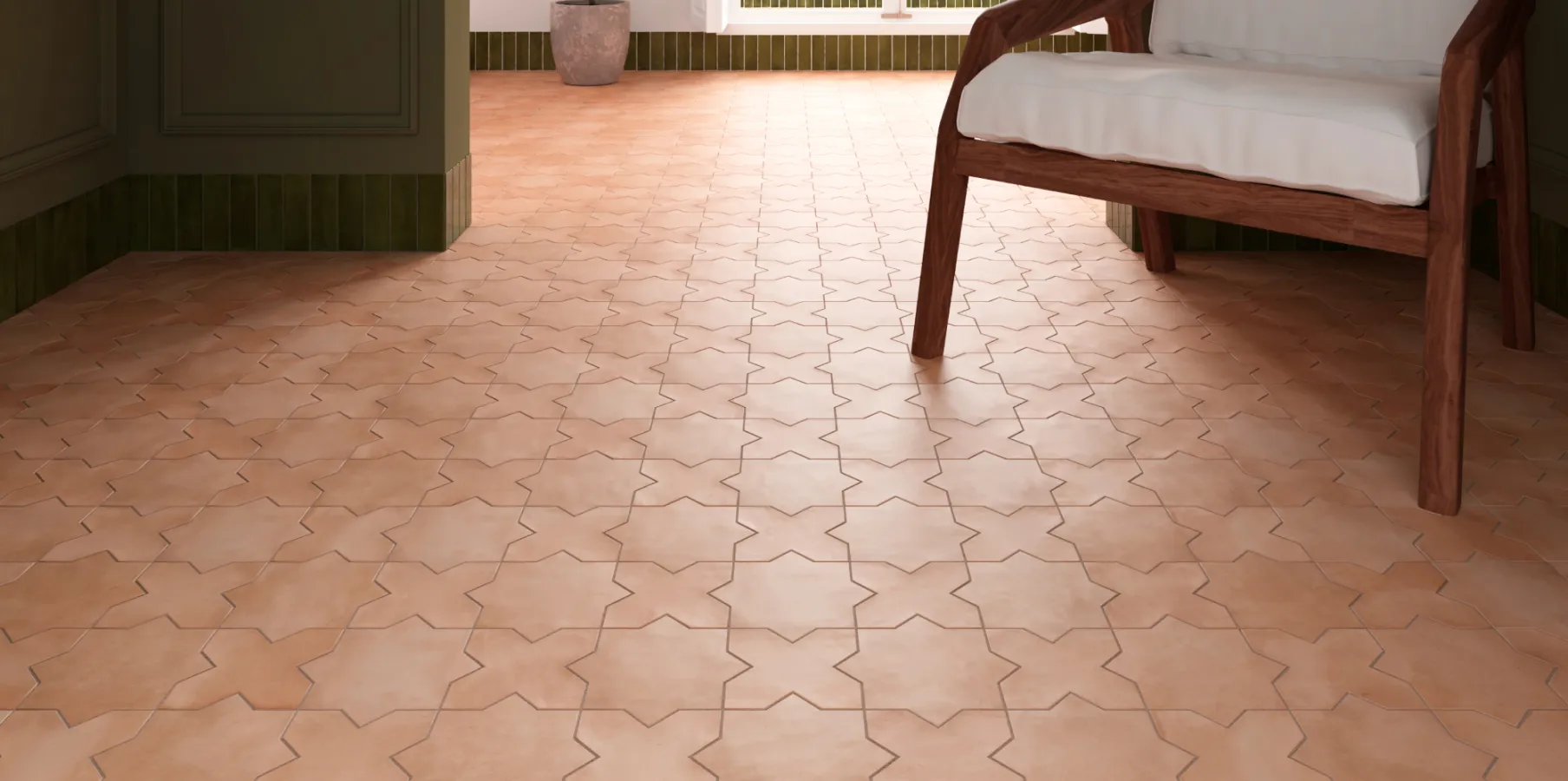
Installing terracotta tiles requires a careful approach. Like ceramic, the base needs to be clean and level. Terracotta may require a deeper bed of adhesive due to its porous nature. Once placed and the adhesive has set, sealing is crucial to enhance their lifespan and protect against moisture and stains. Regular resealing might be necessary, depending on the wear and tear.
Environmental Impact
Ceramica Rondine
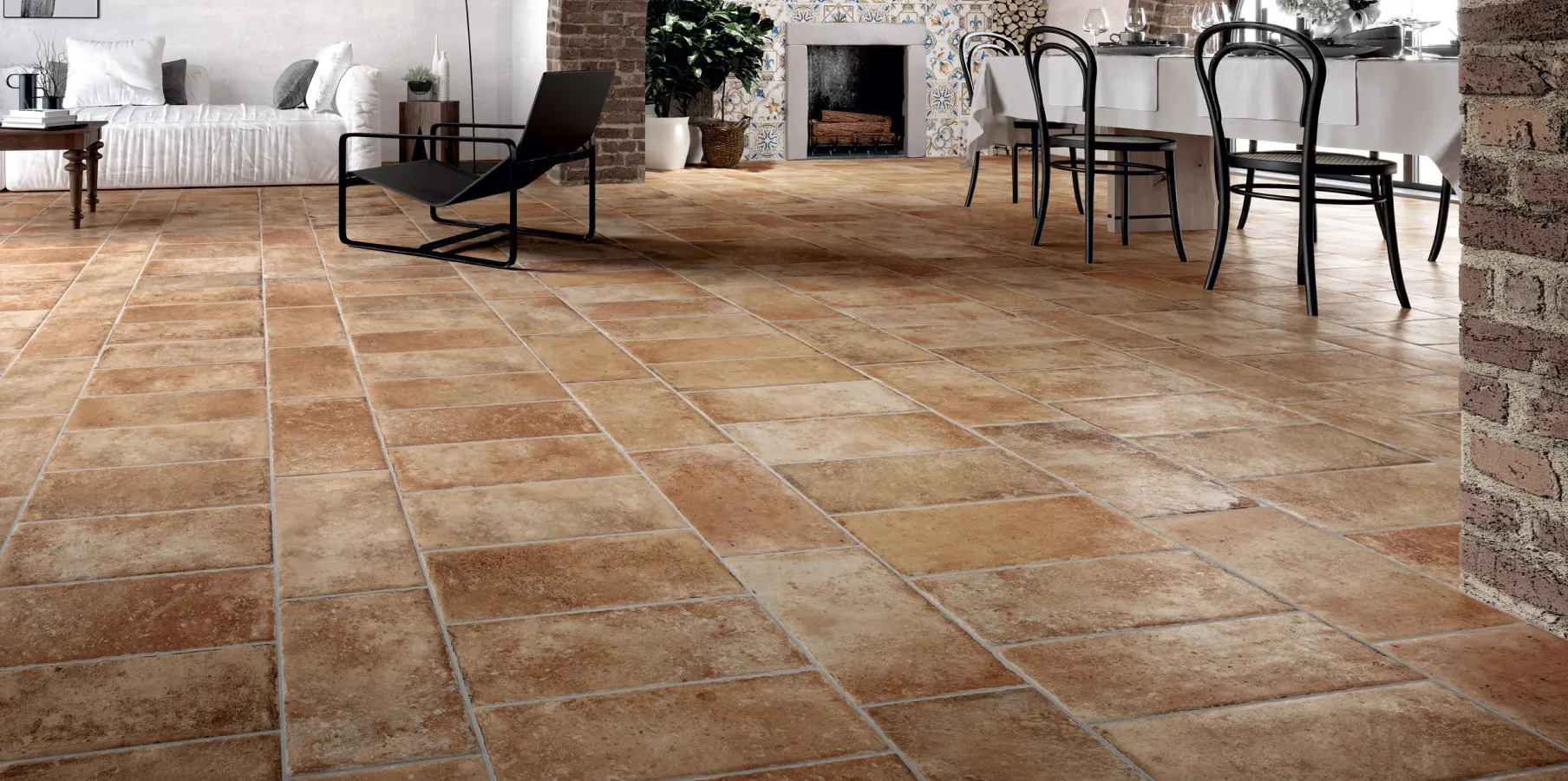
Terracotta tiles are a commendable choice for those conscious of environmental sustainability. The energy consumption during their production is relatively low compared to other flooring alternatives, making them a more eco-friendly option. Being crafted from natural clay, these tiles don't leave lasting waste; they're biodegradable, ensuring they return to the earth rather than persisting in landfills.
Furthermore, many terracotta producers favor time-honored, artisanal techniques over modern industrial processes. This preserves the rich heritage of terracotta-making and minimizes the environmental impact, as these methods typically have a smaller carbon footprint. As a result, choosing terracotta flooring can be a step towards a more sustainable home and a greener planet.
Cost Considerations
Rustico Tile
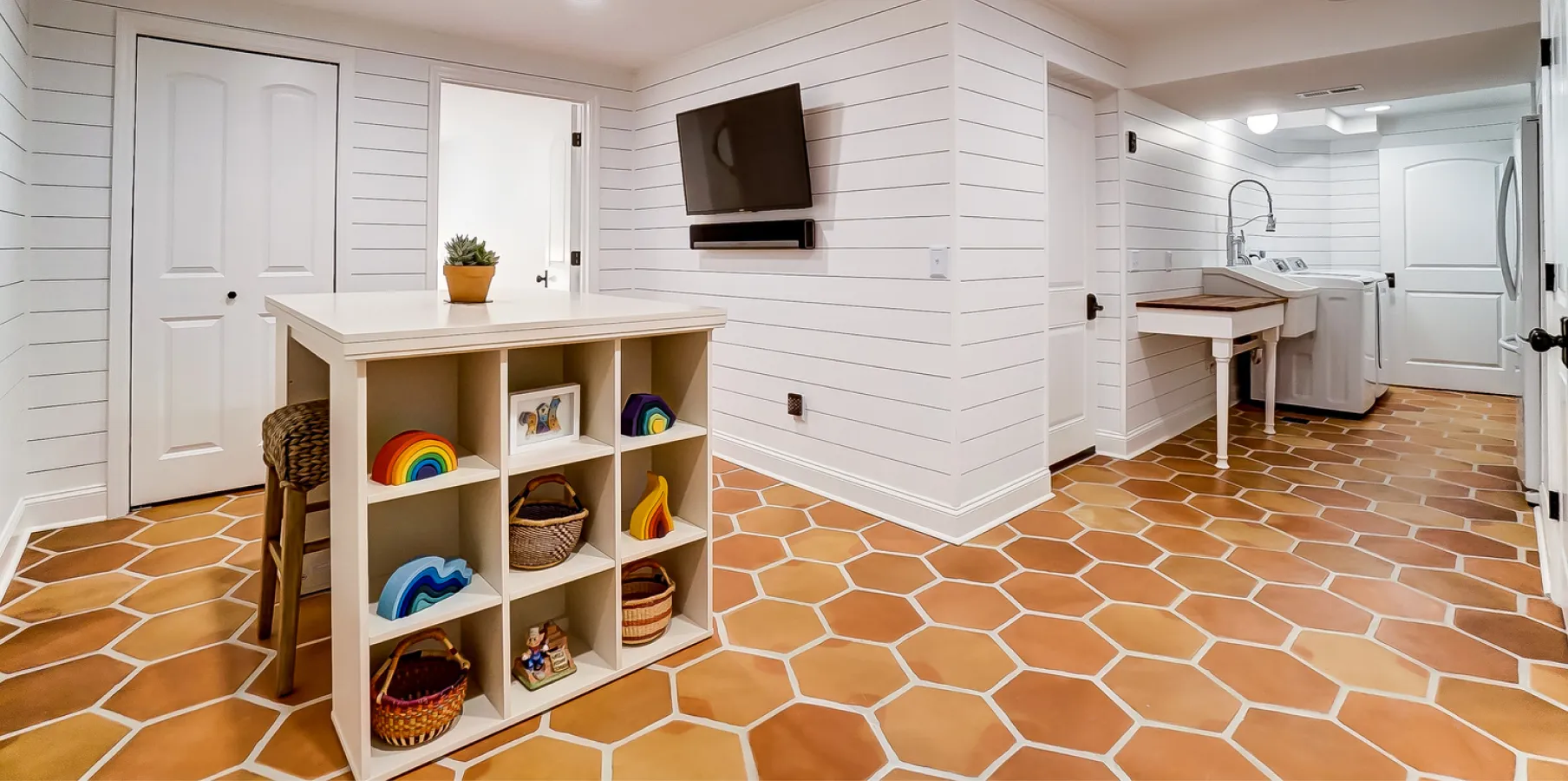
While cost-effective compared to many natural stone alternatives, Terracotta tiles have a price range influenced by various factors. The tiles' origin plays a significant role; tiles sourced from regions renowned for their terracotta heritage and quality, such as certain parts of Italy or Mexico, might be priced higher due to their esteemed reputation.
Handcrafted tiles, meticulously shaped and curated by artisans, often have distinctive features and superior quality, making them more sought-after and expensive. The treatment processes, such as specialized glazing or unique finishing techniques, can further elevate the price. These additional layers of refinement enhance the tile's aesthetics or durability and, thus, their value. Potential buyers should be aware of these nuances, as the price spectrum can be broad, from budget-friendly to premium, based on these considerations.
In summary, terracotta flooring offers historical elegance and natural beauty. These tiles are ideal for those yearning for a rustic charm and provide both aesthetic appeal and functional benefits. Yet, understanding its care requirements is crucial to enjoying its warmth and character for years.
Up Next:

Concrete Tile Flooring: What to Know Before You Decide
Project Guide:
Plan Your Interior Flooring