
Kitchen Blueprints, Inc,
Natural Wood Cabinets: 16 Types Compared for Your Kitchen
Project Guide:
Plan Your Kitchen
Kitchen Blueprints, Inc,
Natural wood has long been regarded as a premier choice for kitchen cabinets, a testament to its lasting allure in home design. But what makes it stand apart? First and foremost, natural wood cabinets bring unmatched durability to the table. Unlike engineered wood products or laminates, natural wood doesn't delaminate or peel, and its sturdiness makes it resistant to the wear and tear often seen in frequently used kitchens.
Aesthetically, natural wood cabinets' rich textures and natural grain patterns offer a depth and character that synthetic materials often can't replicate. Each wooden cabinet has a unique grain, ensuring that no two kitchens will look exactly alike, adding to the exclusivity of the design. It is common for wood cabinets to last for several decades with proper care and maintenance, often outlasting many of their contemporary counterparts.
Natural wood is generally more expensive than engineered wood or laminate alternatives. A prolonged lifespan and timeless appeal often justify the initial investment. Moreover, the resale value of homes with natural wood kitchens can be higher, as many homebuyers appreciate its quality and durability. Natural wood cabinets are a testament to time-honored quality and craftsmanship in a world where quick replacements and fleeting trends are commonplace. Their blend of beauty, strength, and longevity makes them a worthwhile choice for those looking to invest in a kitchen that will look good and stand the test of time.
If you prefer natural materials rather than manmade materials, wood is an environmental decision. Most wood is biodegradable and recyclable and produces less energy than metals or reconstituted products. It’s a naturally renewable resource, meaning young trees will grow where others were harvested.
Wood types offer varying textures, durability, colors, and price points. Here are the most commonly used natural wood types for kitchen cabinetry.
Pine
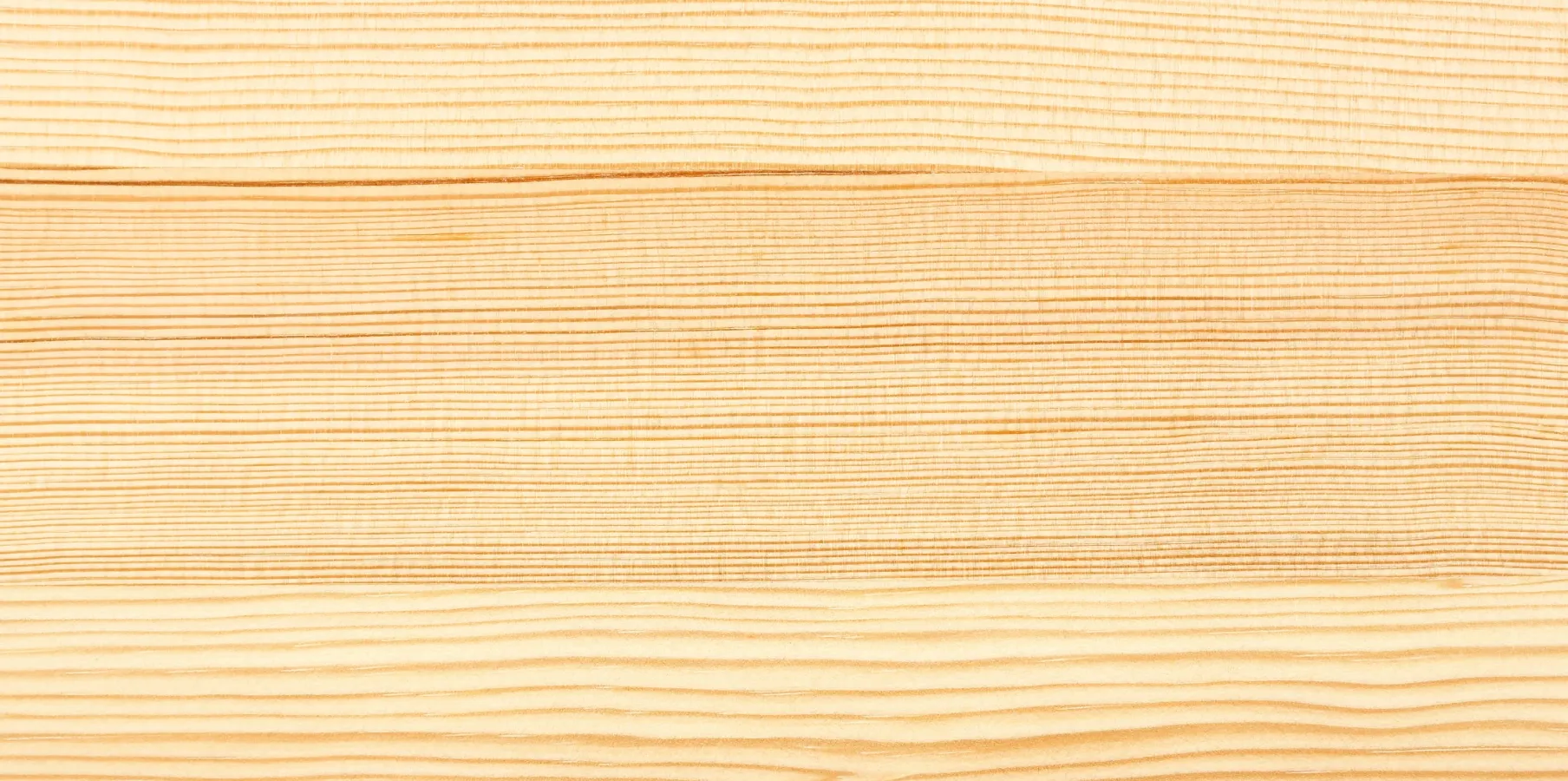
A softwood that's often more affordable, pine is characterized by its pale yellow hue and prominent knots. Common in rustic or farmhouse-style kitchens.
Oak
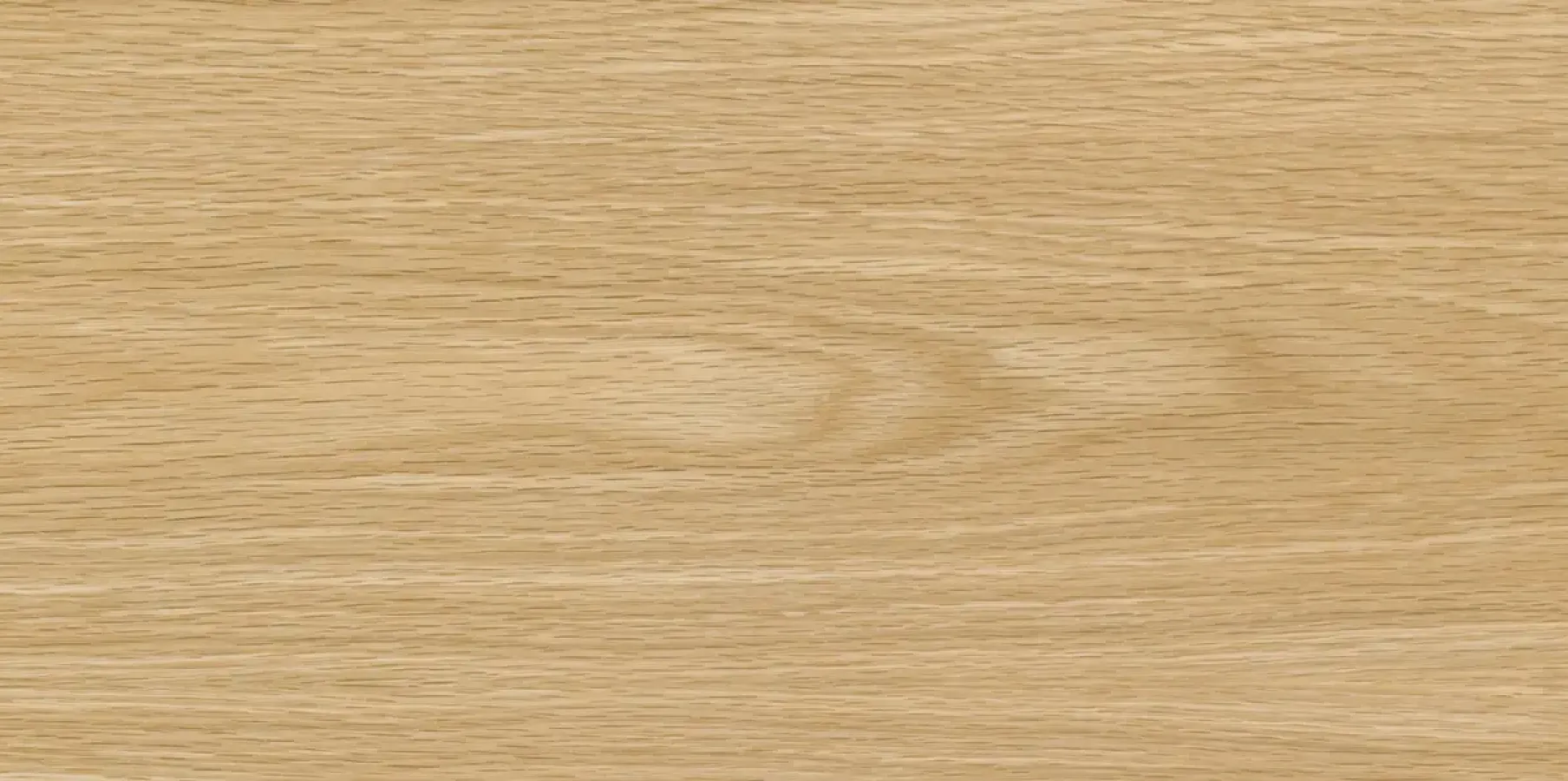
A heavy hardwood known for its durability. It comes in varieties like red and white oak, each having distinct grain patterns. Oak is frequently used in traditional kitchen designs.
Maple
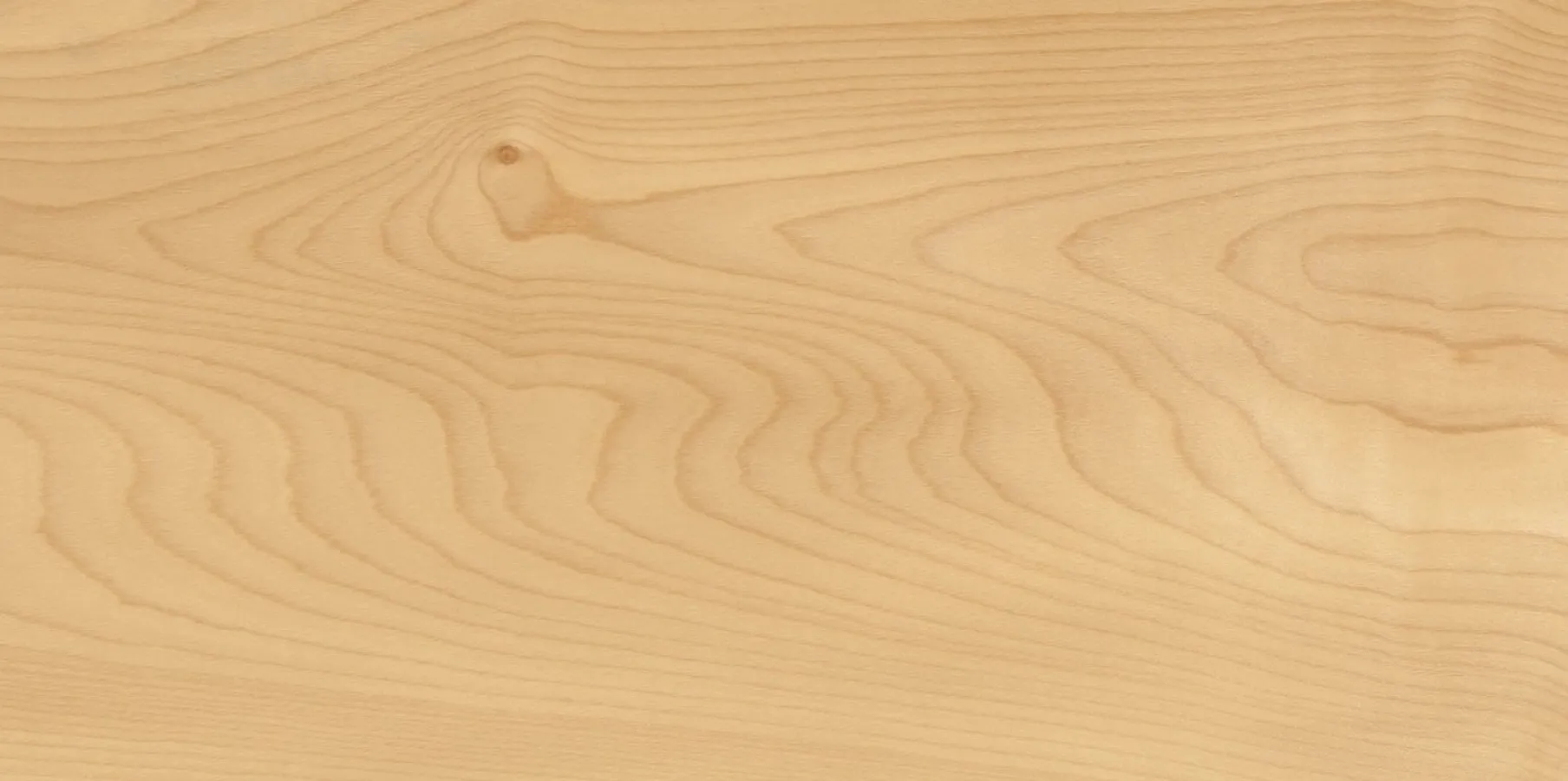
This hardwood is popular because of its smooth grain and uniform appearance. Maple cabinets can be stained to achieve a variety of shades.
Cherry
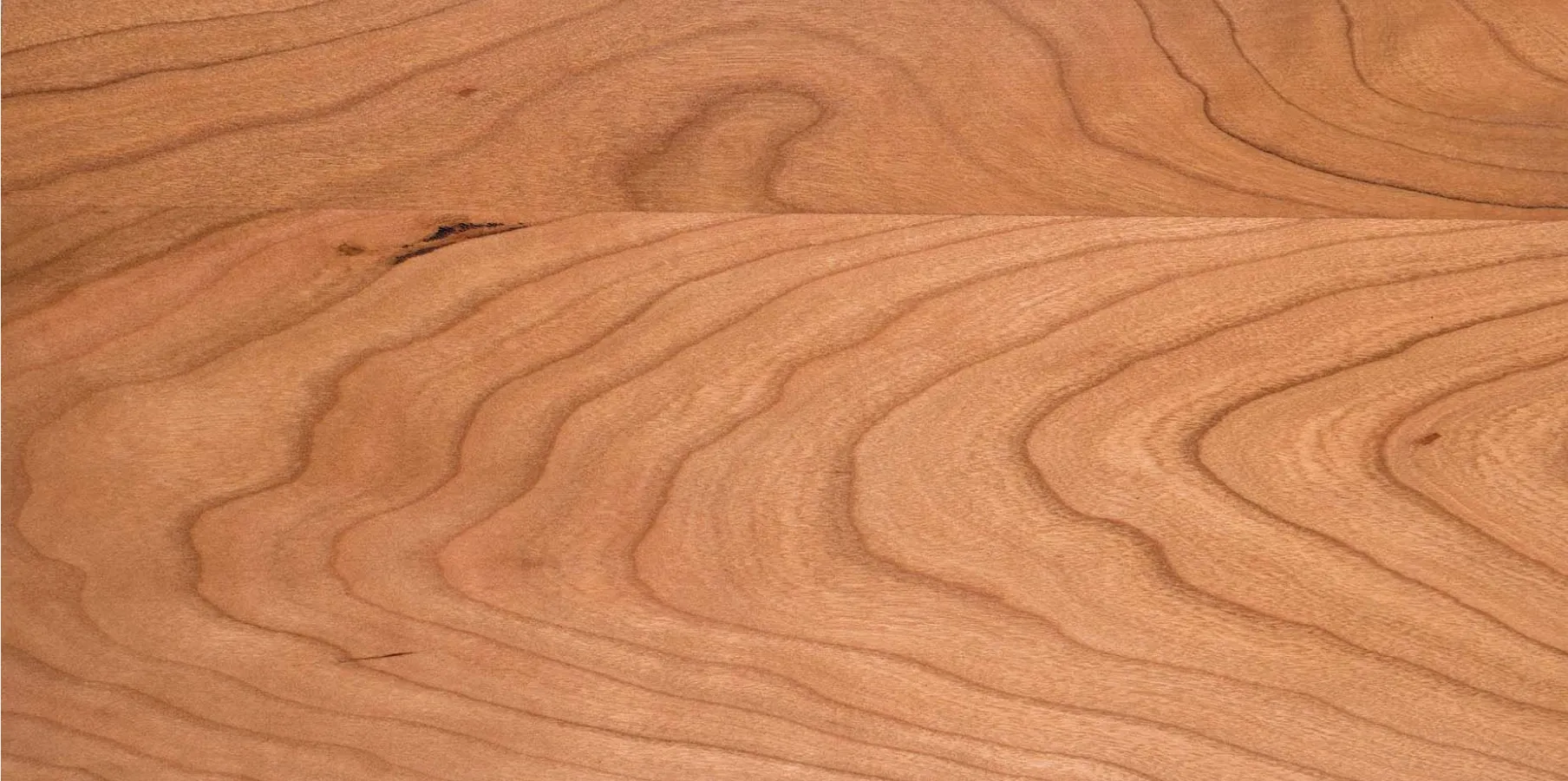
Known for its rich and warm reddish-brown hue, cherry is a hardwood that darkens with age, adding character over time.
Birch
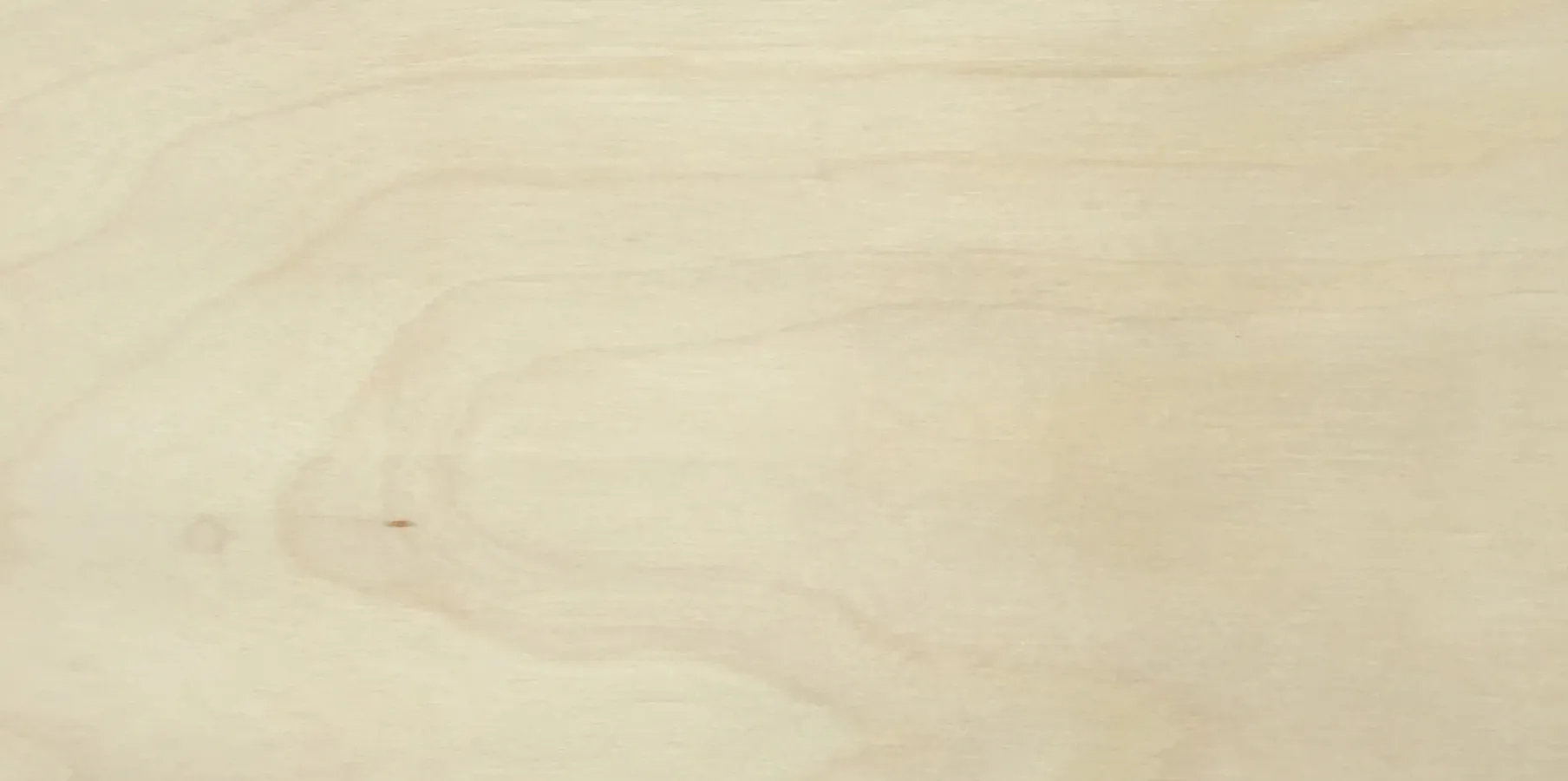
A versatile hardwood that's similar in appearance to maple. It's durable and can be stained to replicate the appearance of more expensive wood.
Walnut
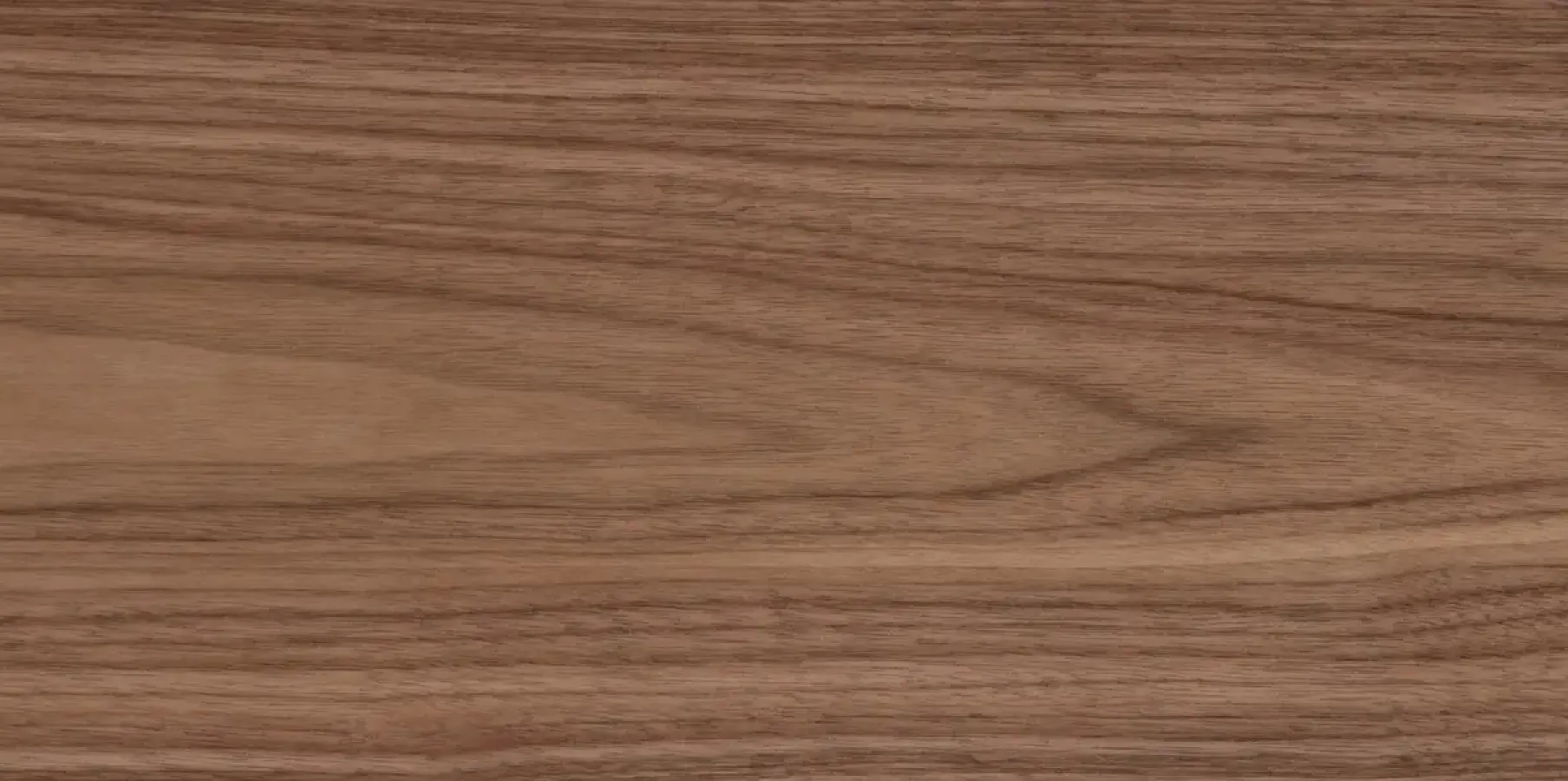
This hardwood offers a spectrum of colors, from light to dark brown. Walnut is robust, durable, and often used in luxury kitchen designs.
Hickory
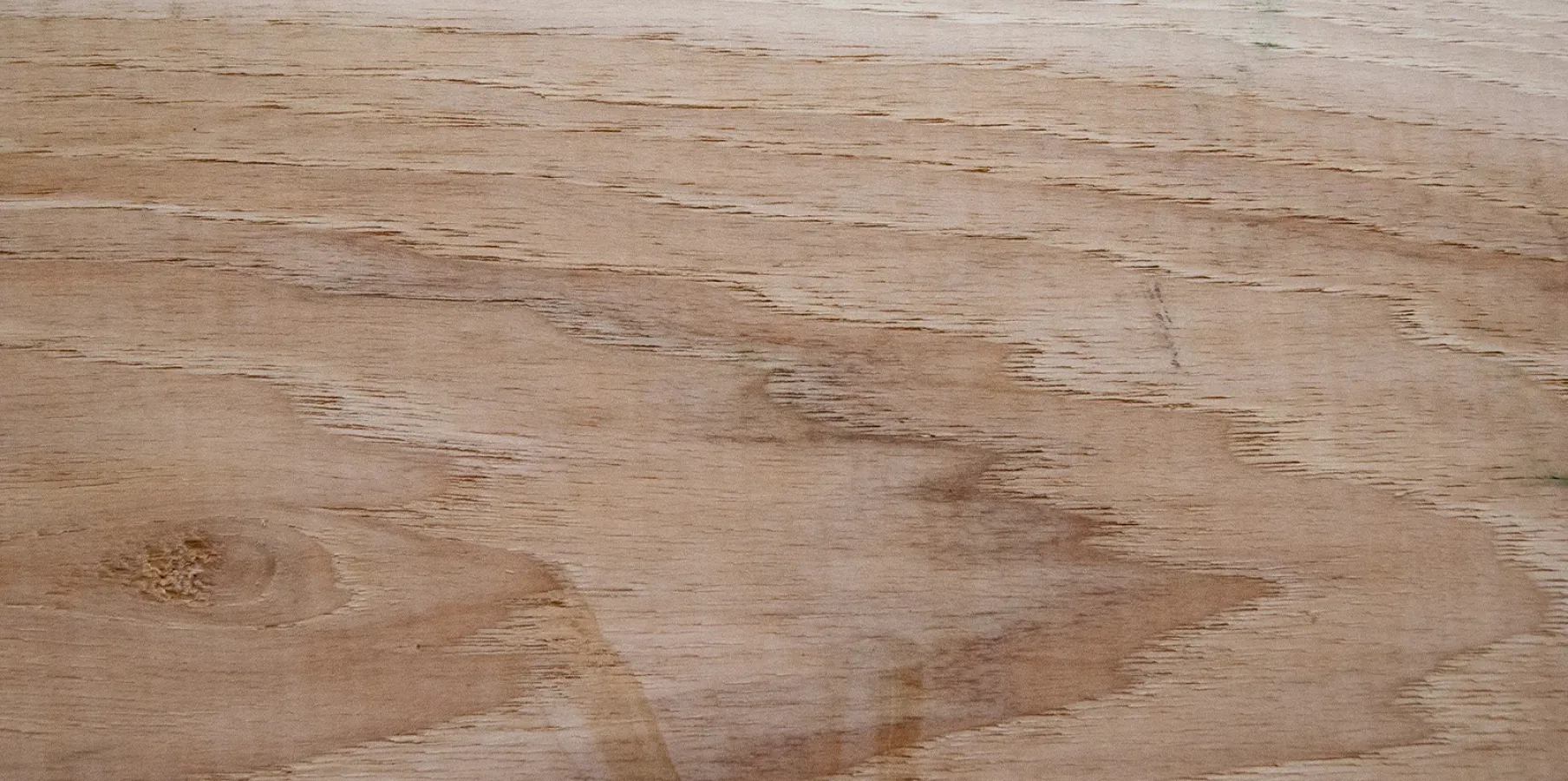
Hickory is hard and durable, renowned for its contrasting light and dark patterns. It is suitable for kitchens that experience heavy use.
Mahogany
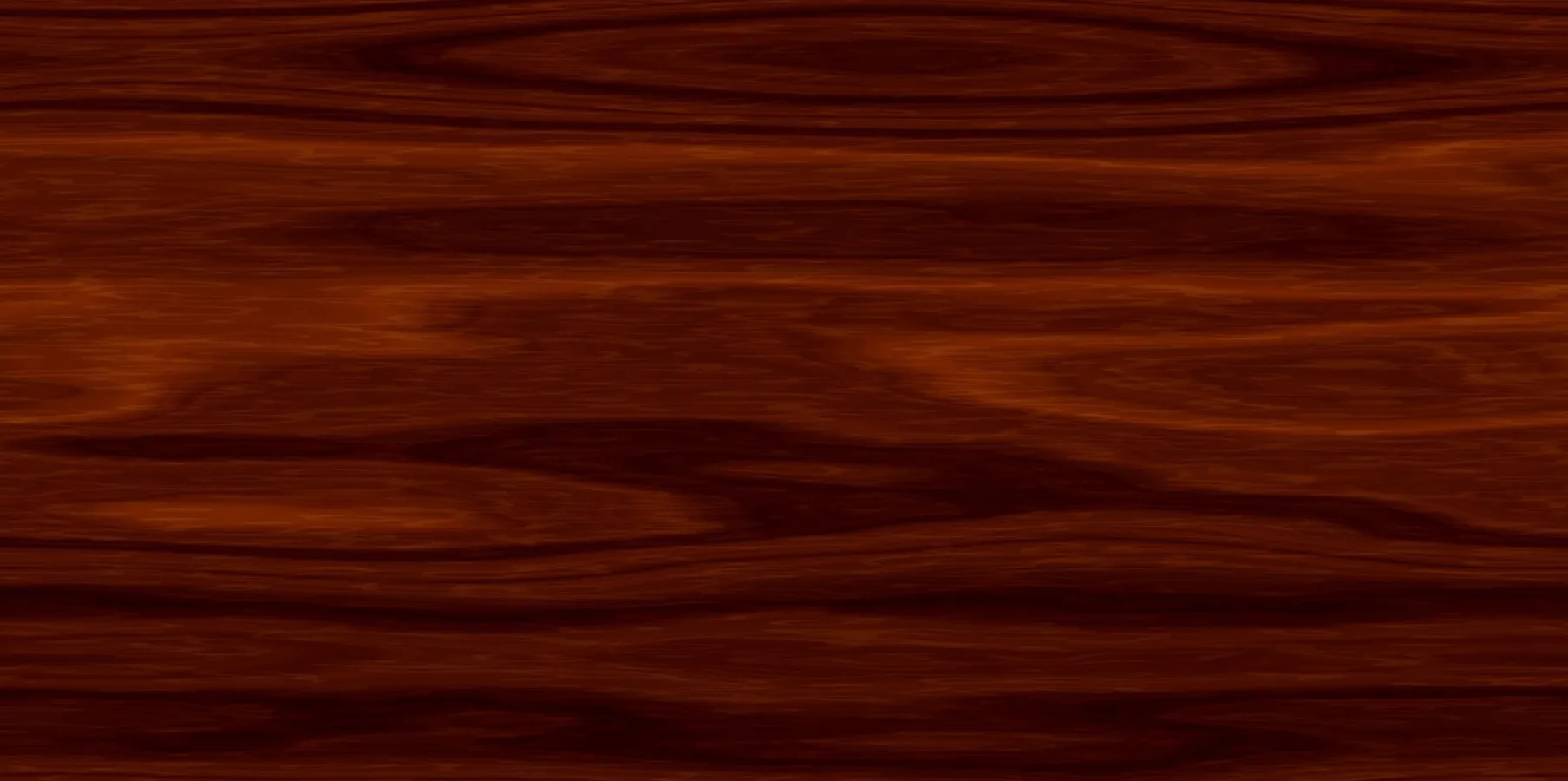
A luxury hardwood, mahogany boasts a deep, rich color and fine grain. It's resistant to water damage, making it ideal for kitchen environments.
Bamboo
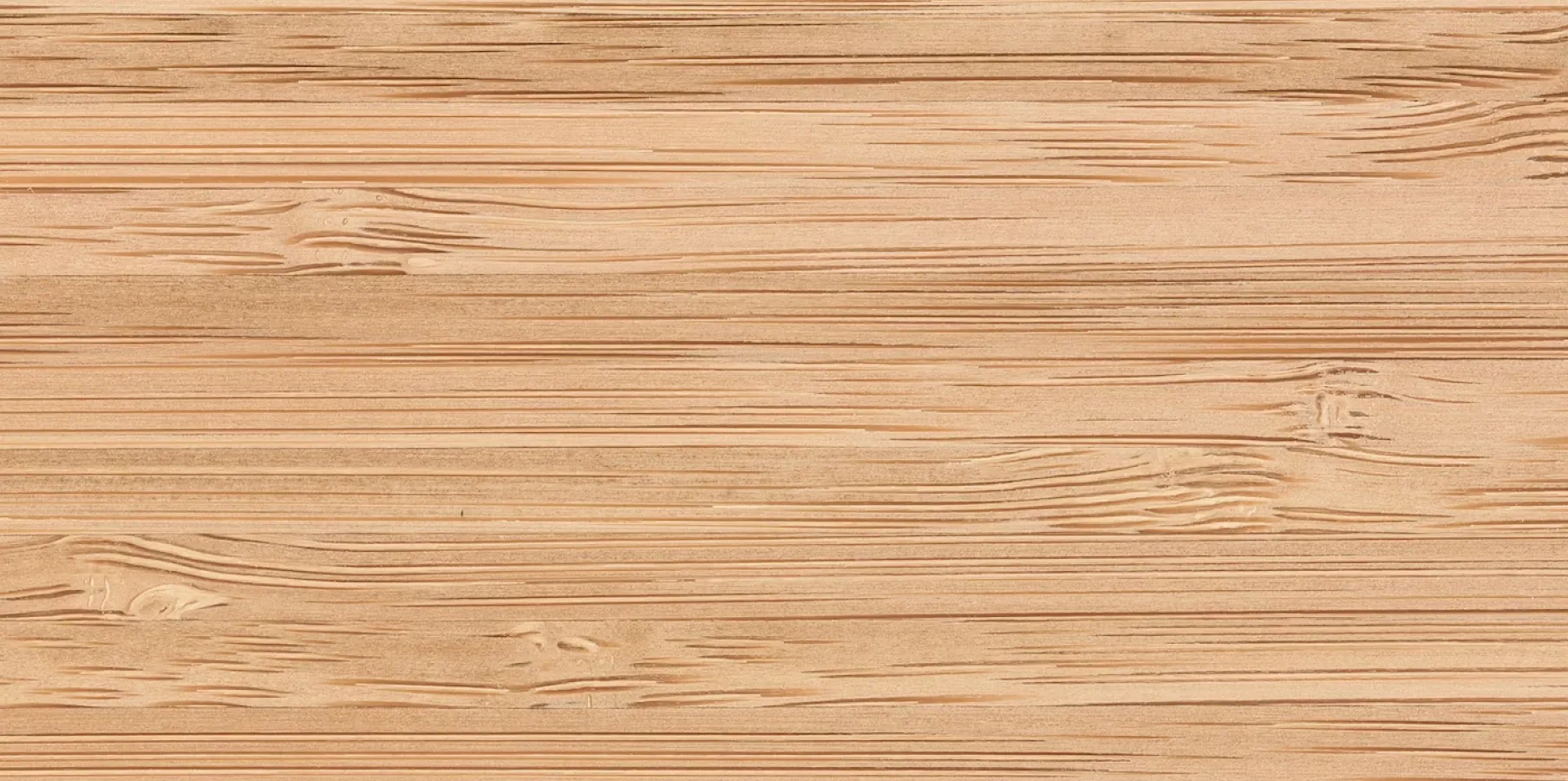
Though technically a grass, bamboo has become an eco-friendly choice in recent years. It's strong and durable and gives kitchens a contemporary feel.
Alder
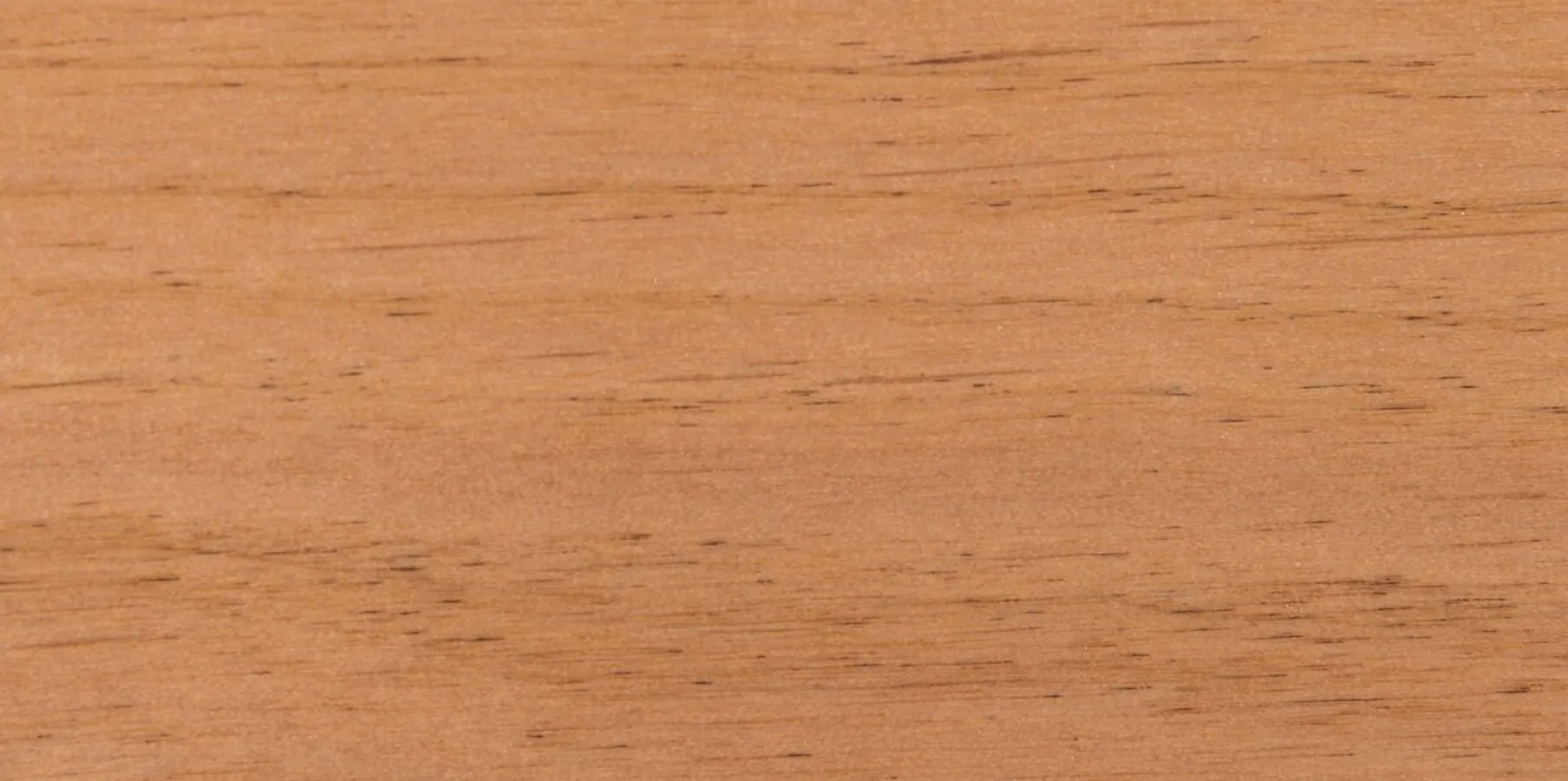
A softer hardwood, alder is easy to work with and often used for intricate designs. It features a light tan color with subtle grain patterns.
Ash

Ash is a hardwood with a light hue similar to oak but a more pronounced figure. It's durable and flexible.
Beech
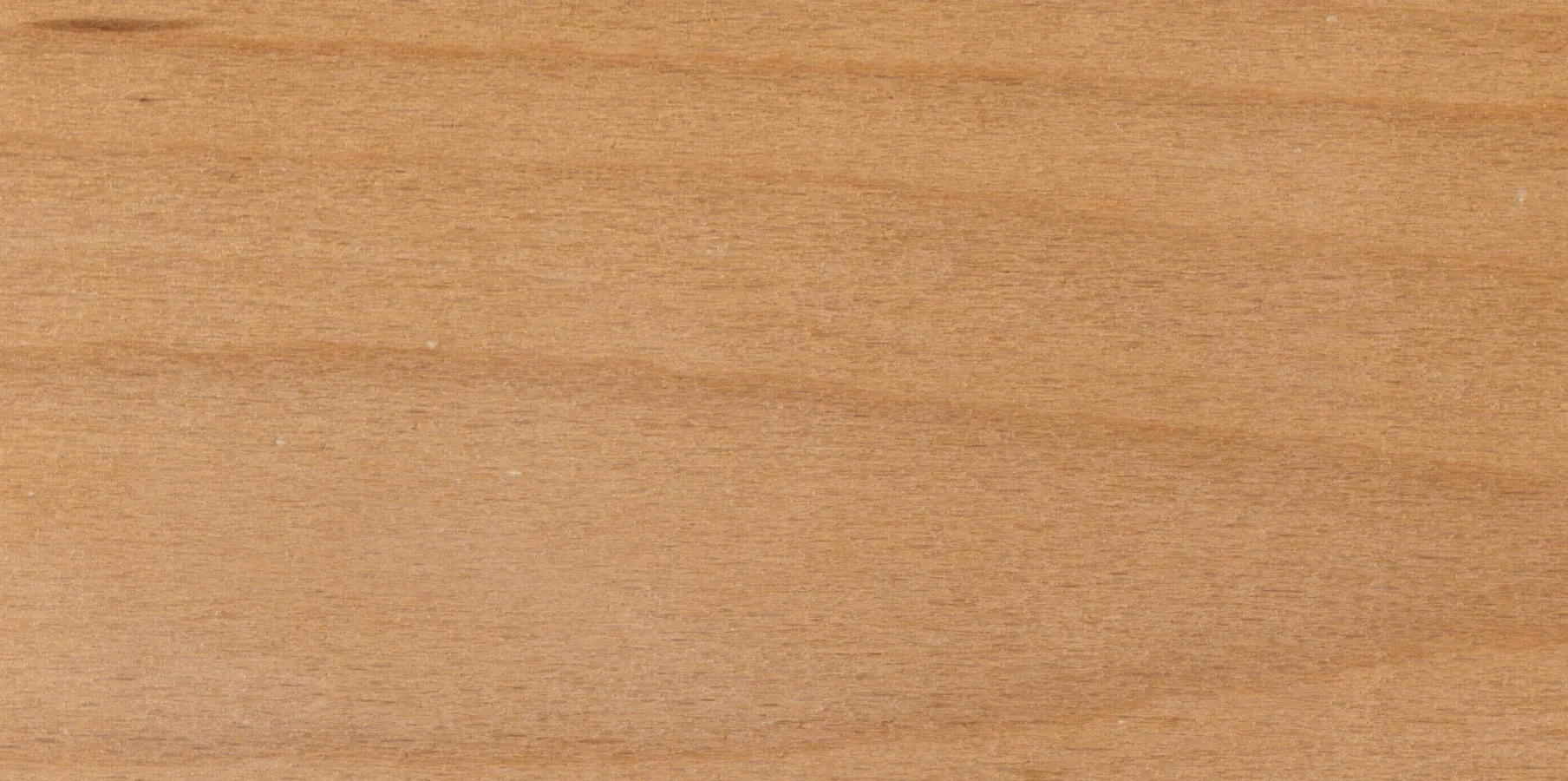
Beech is known for its pale color and straight grain. It is quite durable and offers good resistance to shock.
Teak
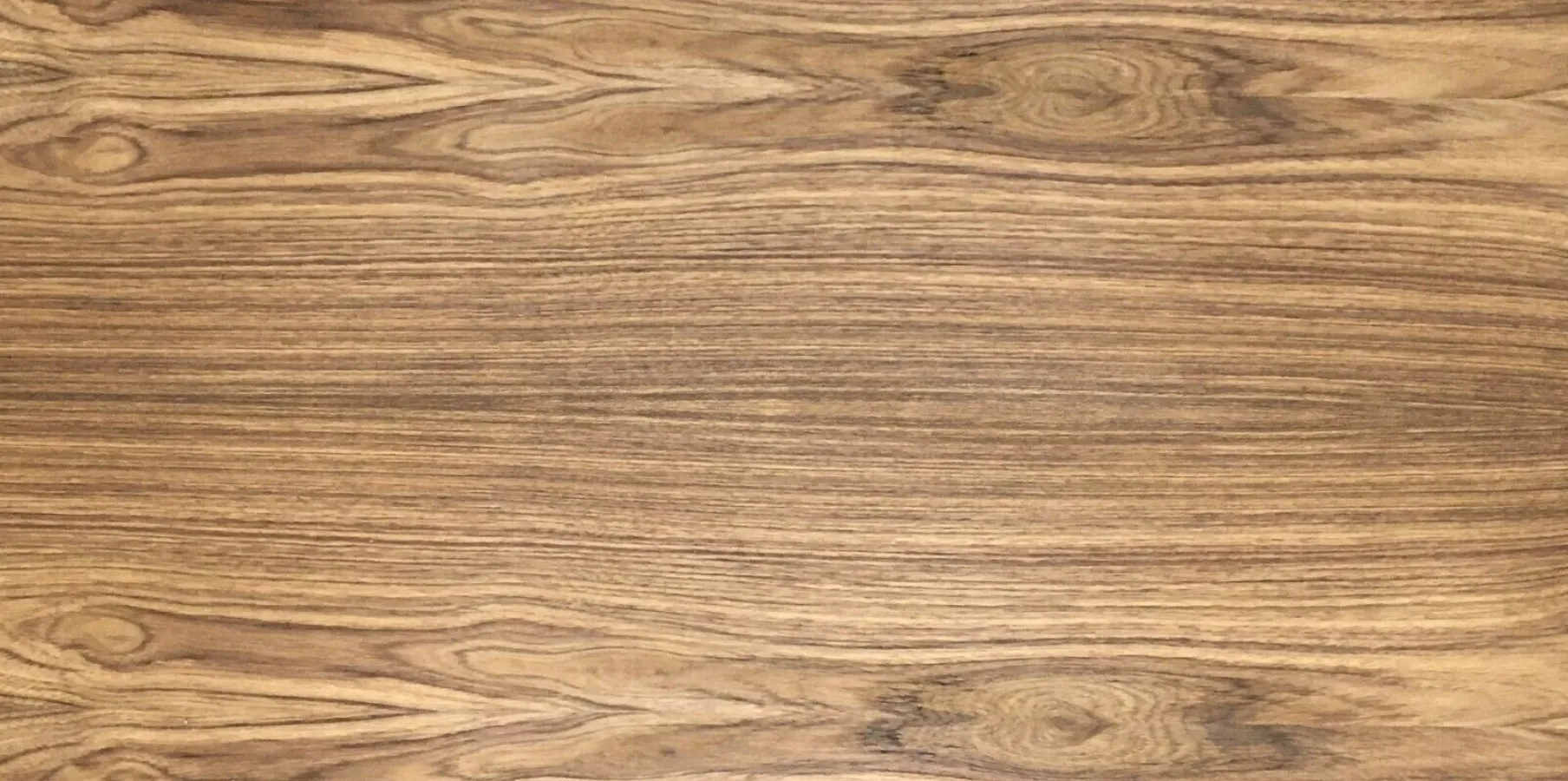
Teak is an exotic wood type with a golden brown hue. It's naturally oily, making it resistant to moisture and insects.
Rosewood
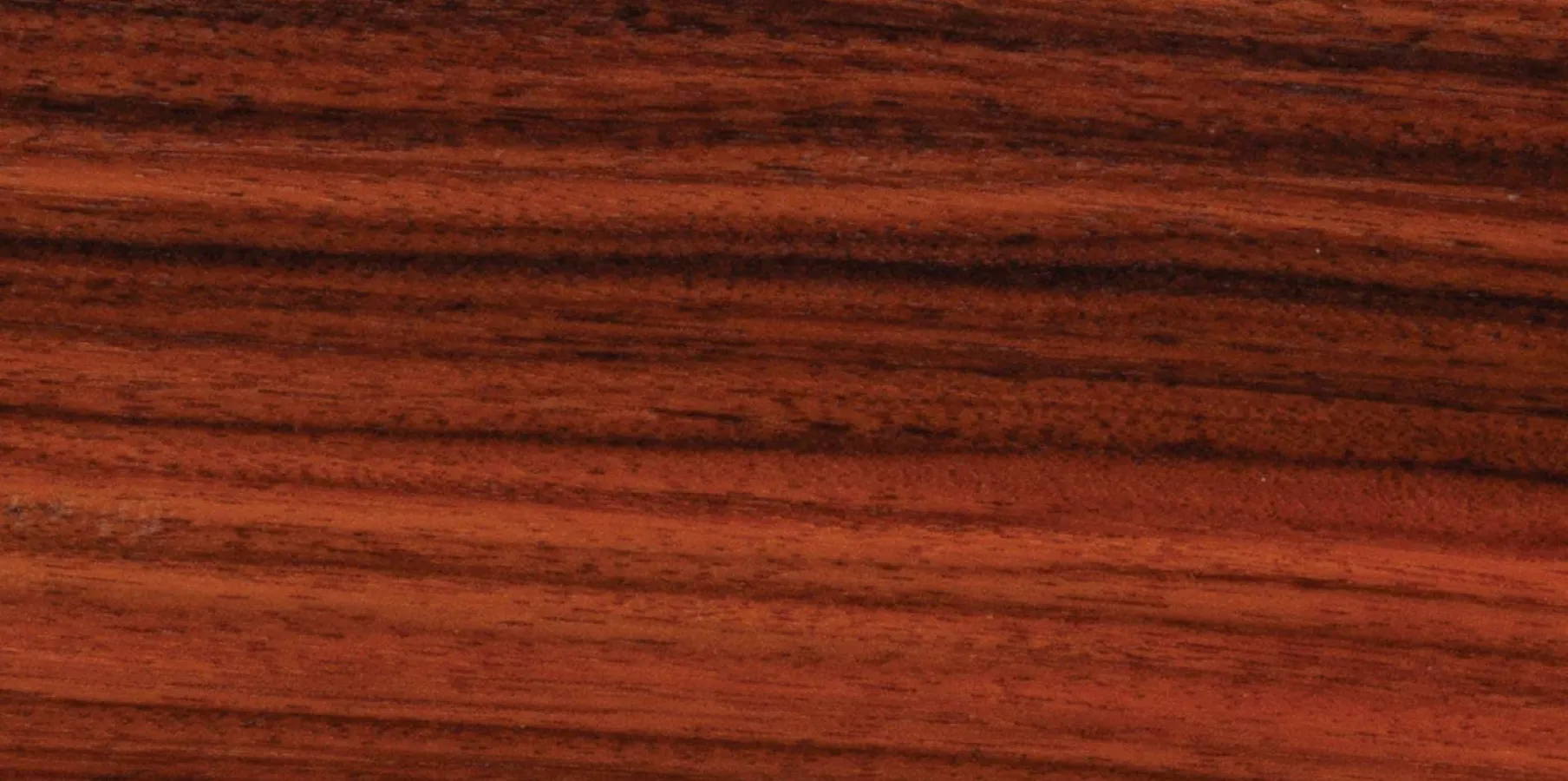
Rosewood is an exotic wood known for its dark reddish-brown color and striking grain patterns. It's hard and durable.
Pecan
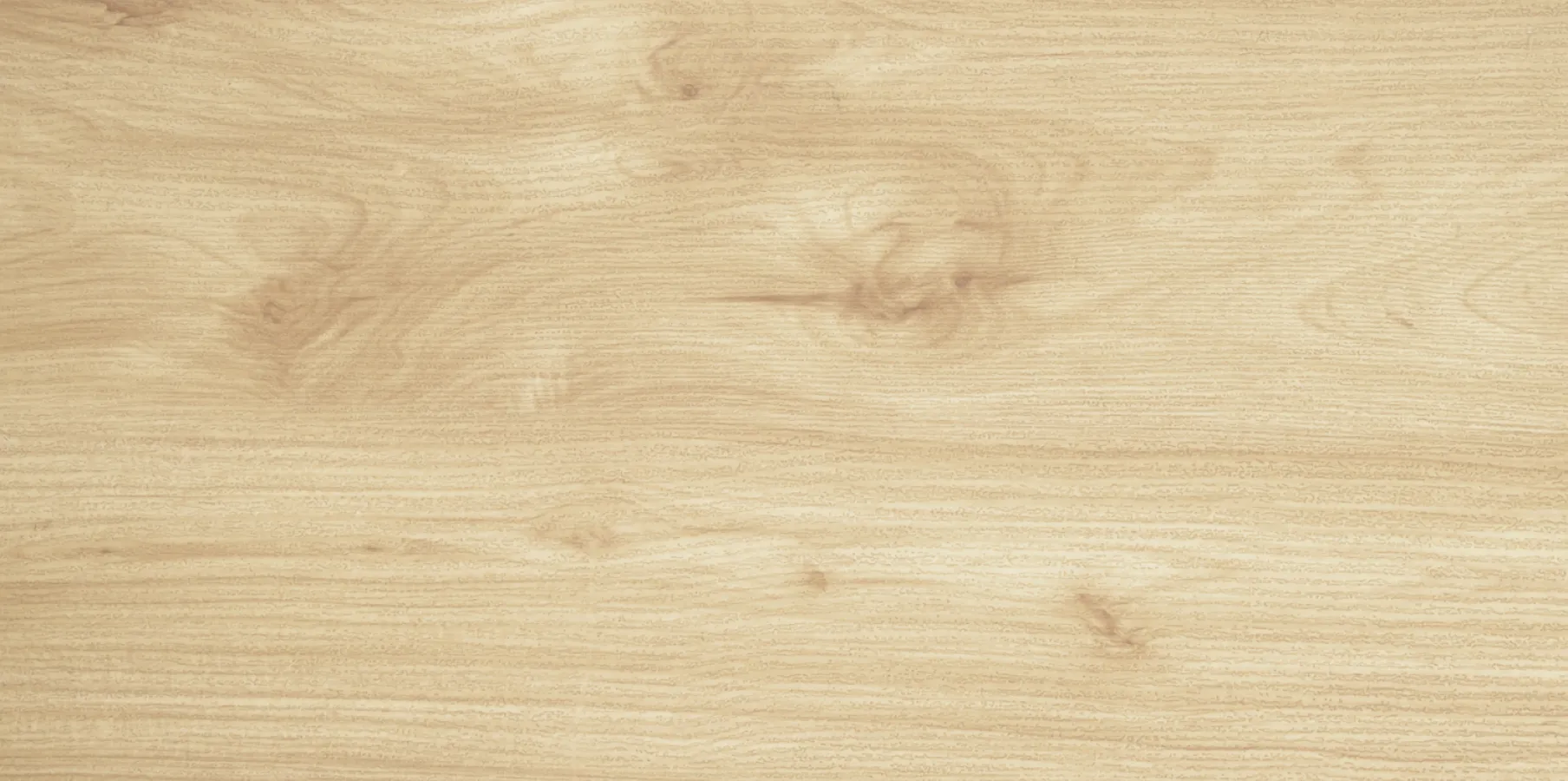
A cousin of hickory, pecan wood is hard and has a similar contrasting grain pattern.
Conclusion
When selecting wood for kitchen cabinets, it's crucial to consider its aesthetic appeal and durability, how well it holds stain, and its resistance to moisture and wear. Depending on the kitchen's design, usage, and budget, there's a wood type suitable for every homeowner.
Up Next:

Plywood Kitchen Cabinets: Grades, Thickness & Finishes Guide
Project Guide:
Plan Your Kitchen