
Antique Home Style
Kitchen Cabinet History: From Roman Alcoves to Smart Storage
Project Guide:
Plan Your Kitchen
Antique Home Style
In the ancient civilizations of Rome and Greece, kitchens did not possess cabinets as we recognize them today. Storage rooms and built-in alcoves were the norm for storing food, utensils, and dishes. These structures were designed more for utility than aesthetics and were strategically positioned close to preparation or cooking areas for convenience.
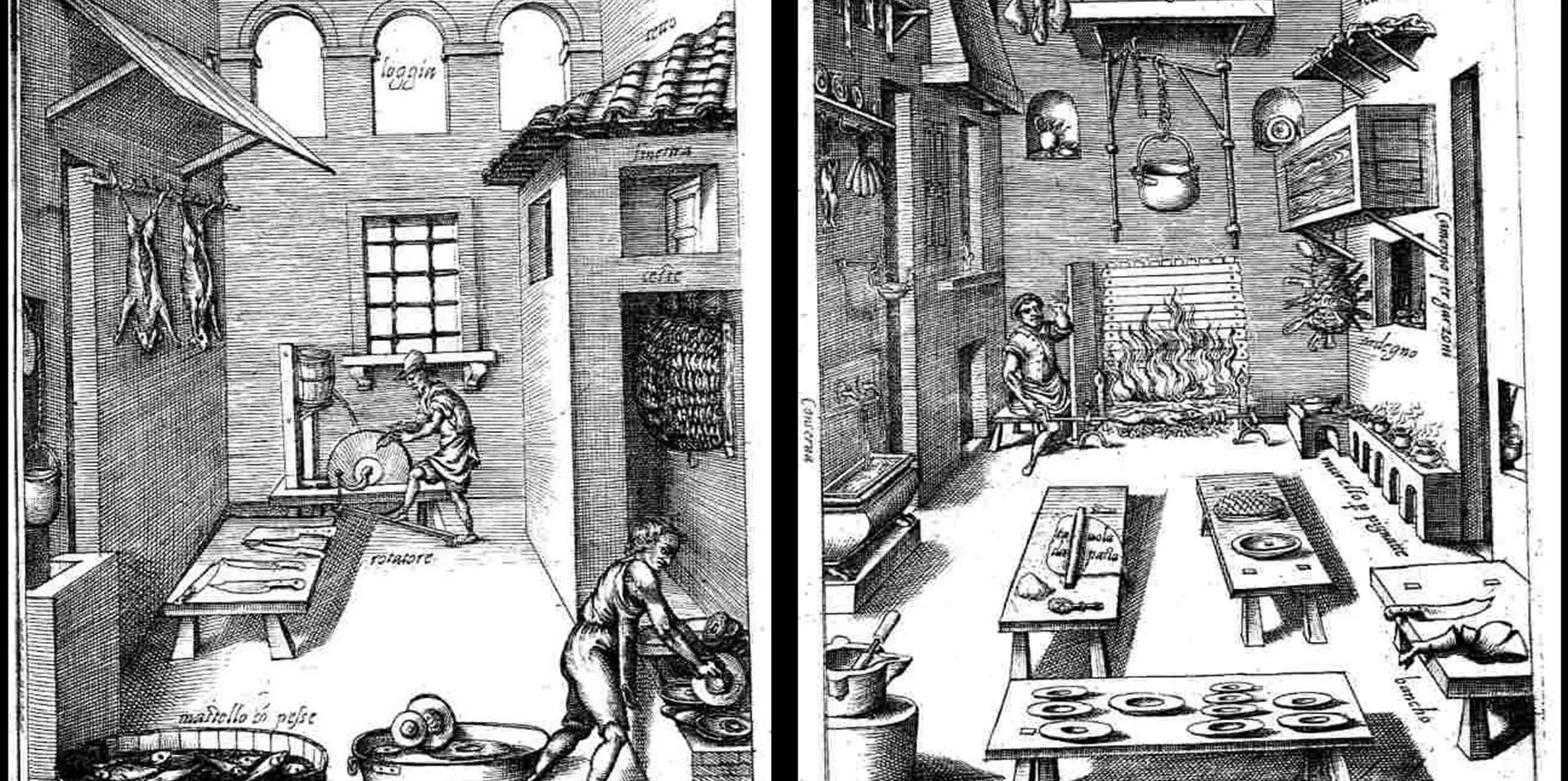
During the Middle Ages and the Renaissance, European homes primarily featured large, centralized hearths or fireplaces. The absence of cabinets was offset by using open shelving, pantries, or larders for storage. It was in this environment that free-standing furniture pieces began to emerge. Especially notable in colonial America were pieces like the pie safe and the Hoosier cabinet. The latter, a late 19th-century invention from the U.S., combined multiple features, from flour sifters to bread boxes.
Flickr
The turn of the 20th century was a transformative period for kitchen design. Catharine Beecher, an advocate for domestic science, championed designs prioritizing efficiency and hygiene. Her ideas, combined with the Frankfurt Kitchen concept developed in 1926 by Austrian architect Margarete Schütte-Lihotzky, brought about a new wave of integrated designs. Cabinets began to shift from being free-standing models to built-ins, taking cues from the efficiency of railway dining cars.
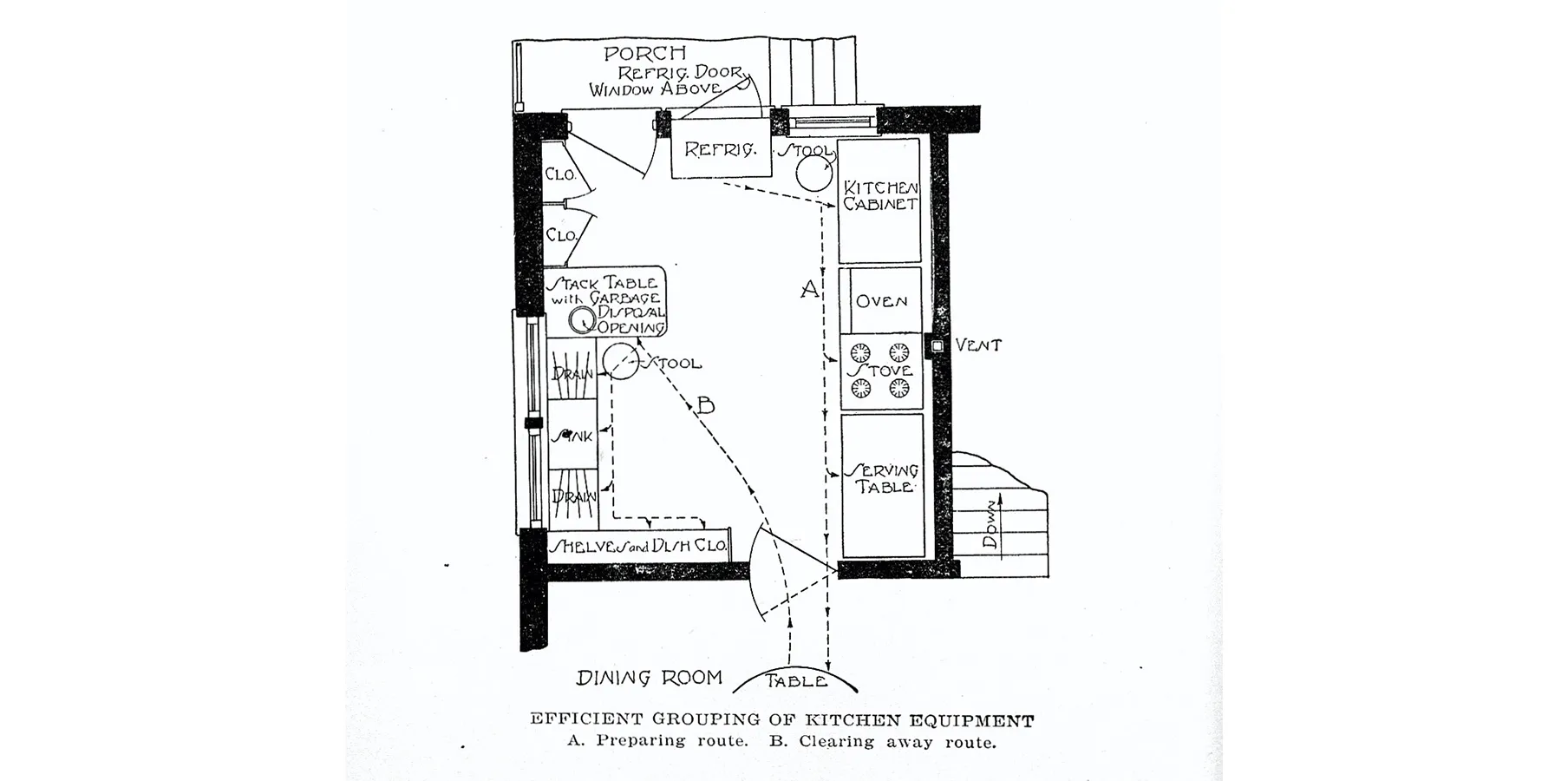
By the early 20th century, Christine Frederick, heavily influenced by Beecher, further promoted the idea of the "efficient kitchen." Through her writings and research, Frederick emphasized the importance of saving steps in the kitchen, creating a layout that minimized unnecessary movement and thus made daily chores easier.
Wikimedia Commons
Post World War II, the scene was set for the mass production of modular kitchen cabinets in rapidly developing regions like the U.S. and Europe. The widespread use of materials like plywood and medium-density fiberboard made cabinets increasingly accessible to the average homeowner.
From the 1960s to the 1980s, the DIY culture experienced a significant upsurge. Pioneered by companies like IKEA, flat-pack furniture became the rage, allowing homeowners to assemble their kitchen cabinets. As kitchens expanded, merging with other living spaces, innovative features like island counters became common. By the 1990s, the world of kitchen design was heavily influenced by home renovation TV shows and diverse global designs, particularly from Asia and Europe.
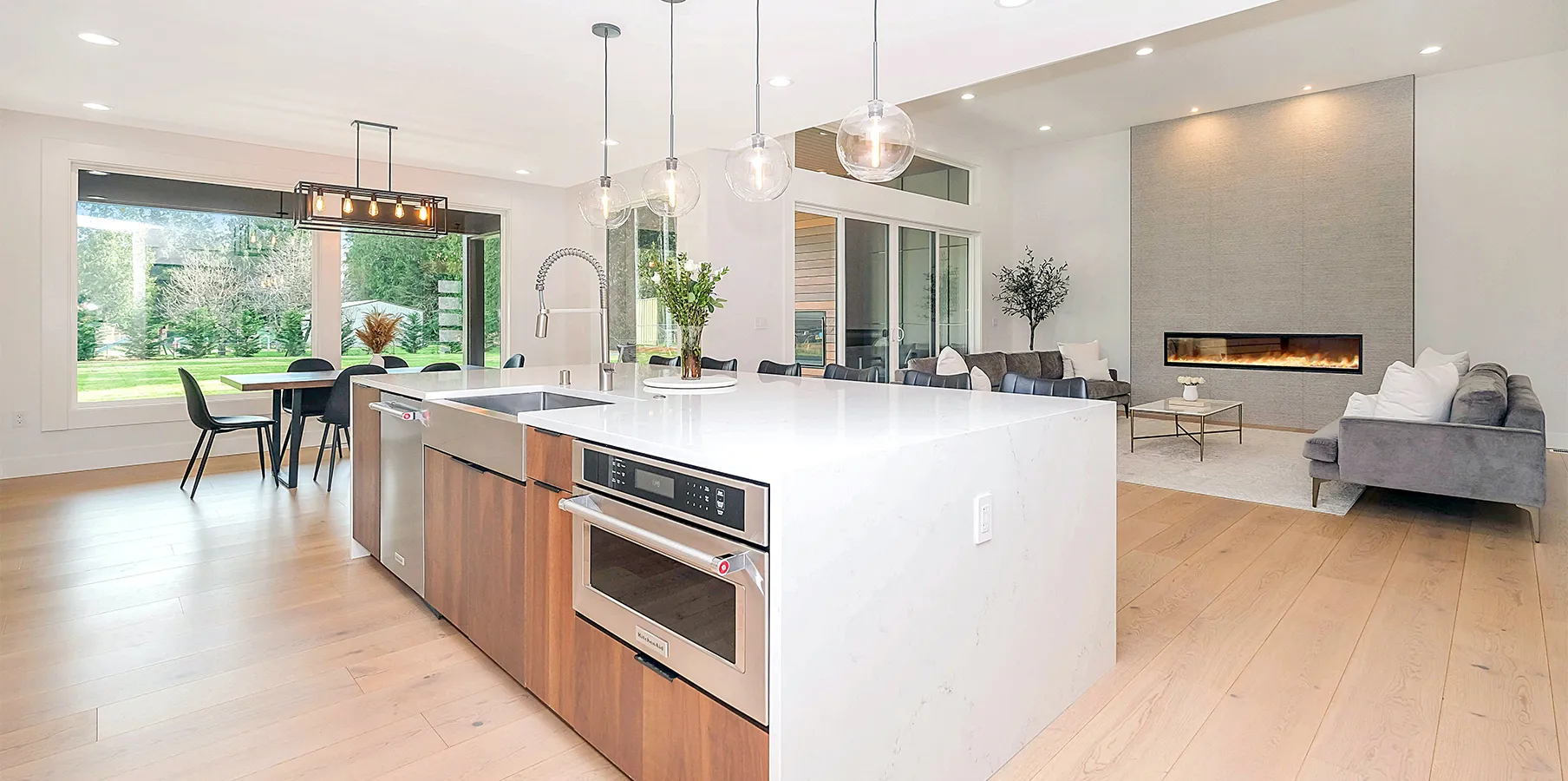
The current trends of the 21st century emphasize sustainability and technological integration. Cabinets use eco-friendly materials today and boast innovative features like touch-to-open doors and LED lighting. As we look to the future, the intersection of technology, design, and environmental consciousness will undoubtedly continue to shape the evolution of the kitchen cabinet.
Up Next:

Keep or Overhaul Your Kitchen Layout: How to Decide
Project Guide:
Plan Your Kitchen