Wainscoting Guide: Styles, Sizing, Costs and Install Tips
Project Guide:
Plan Your Millwork & Trim
Wesley's Crown Molding
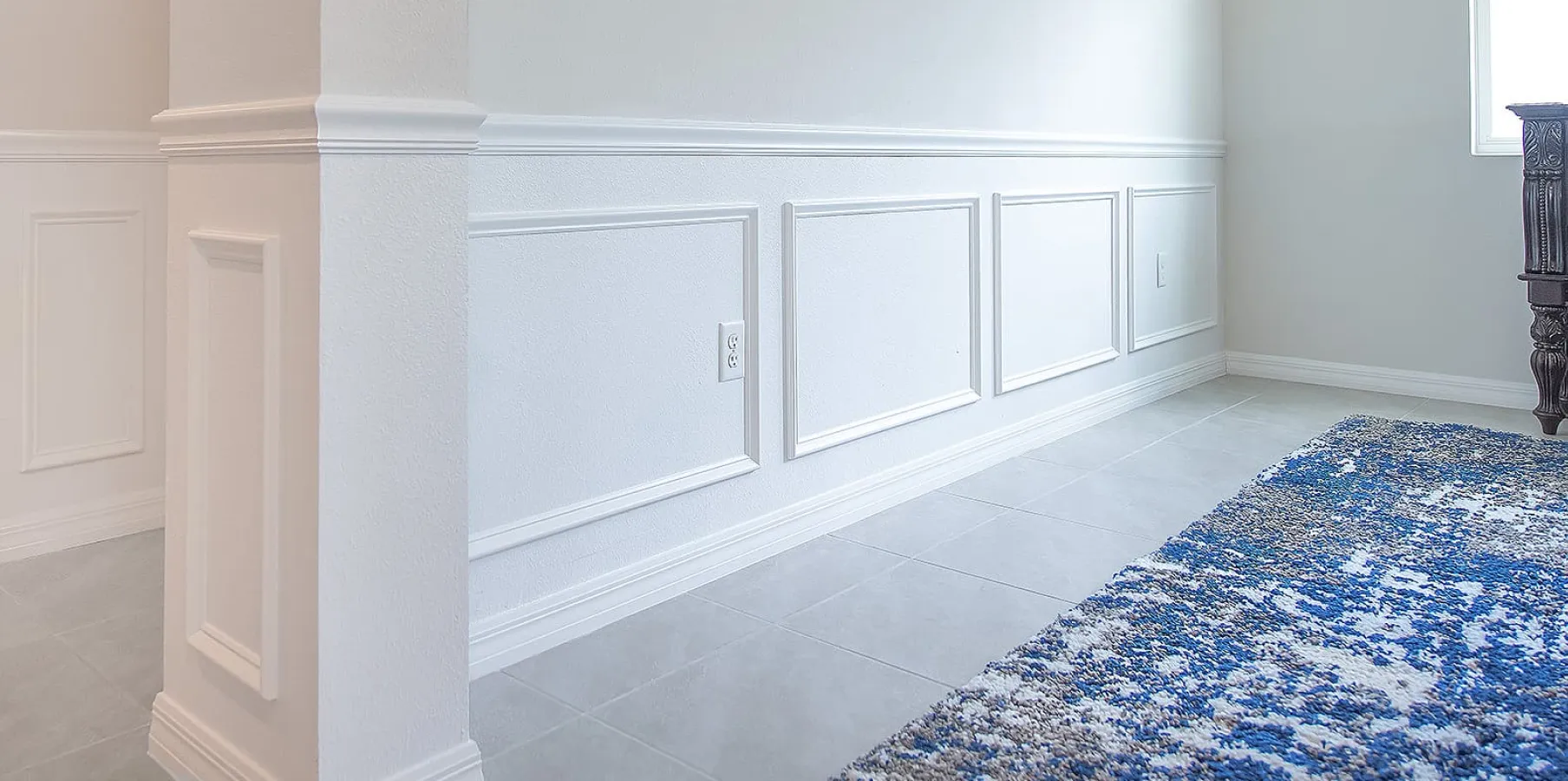
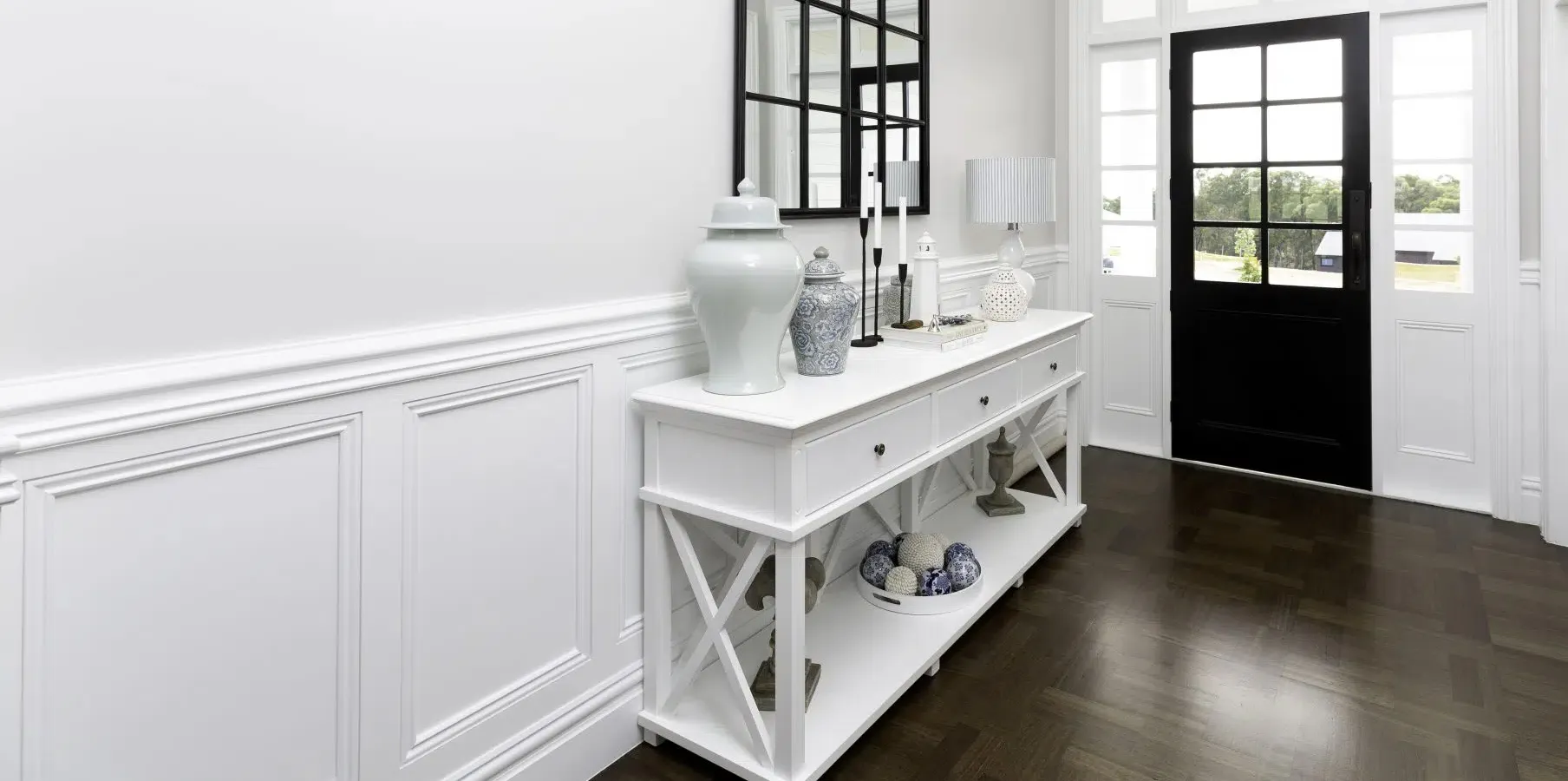
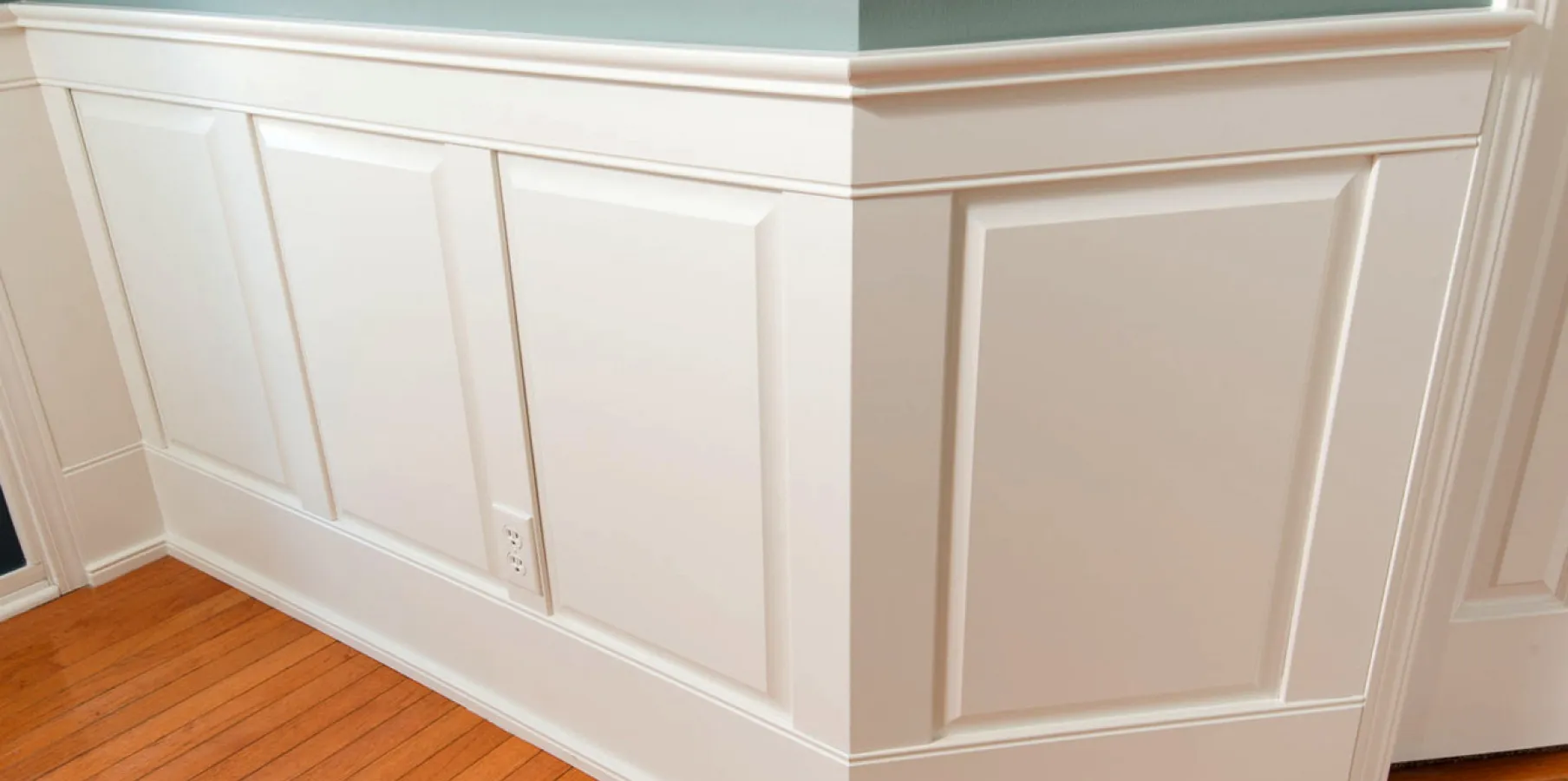
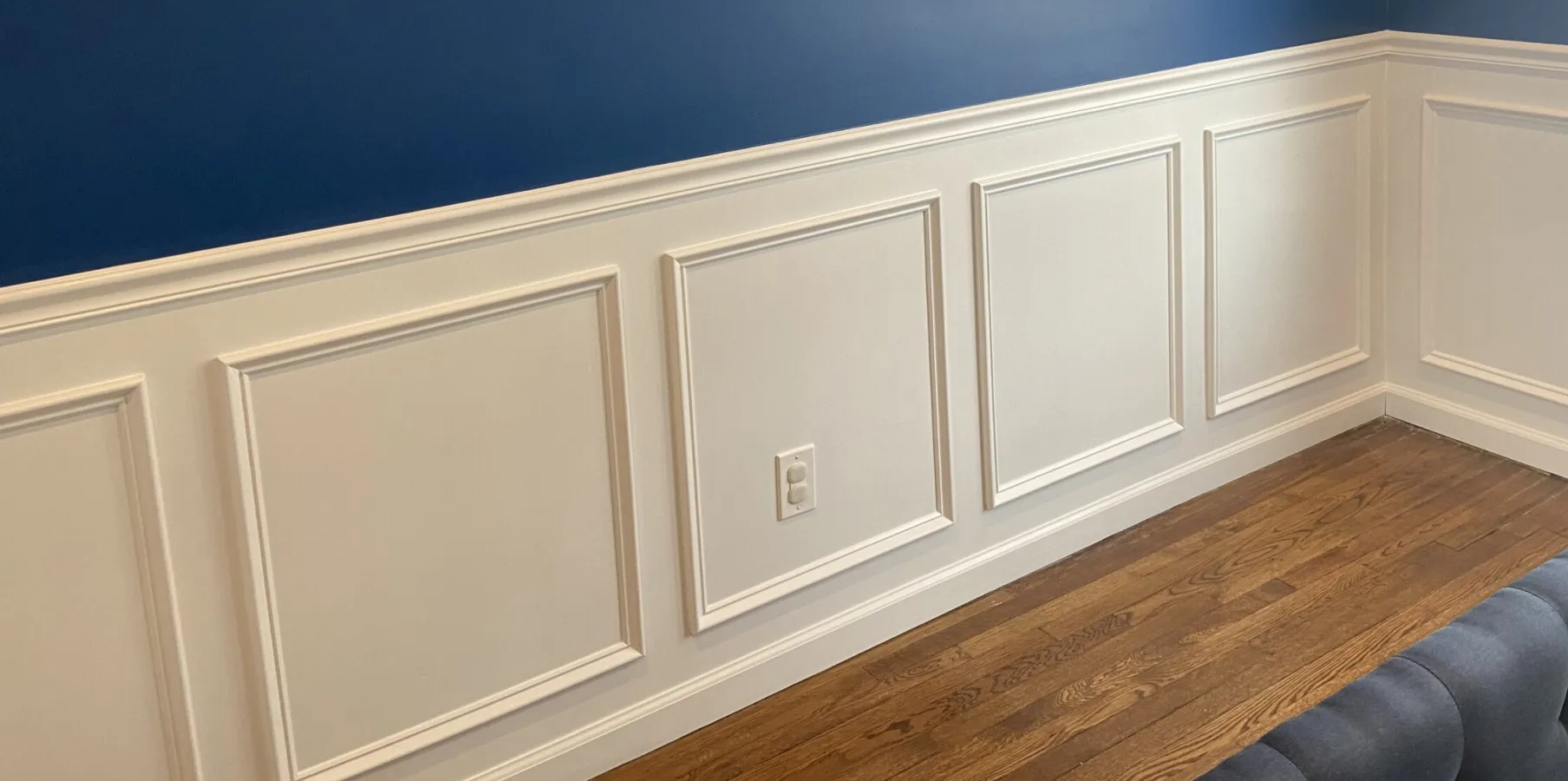
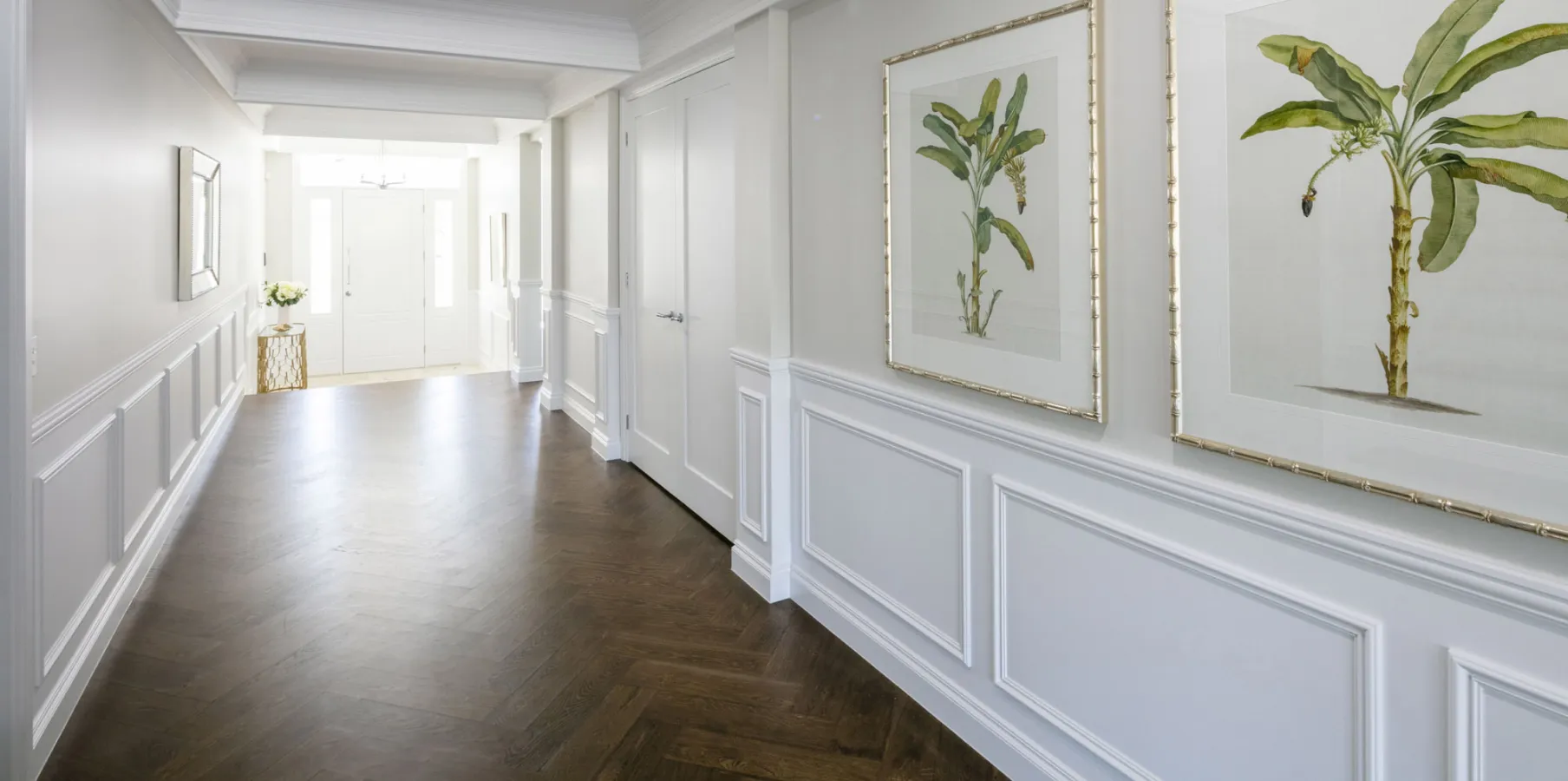
Wainscoting, a decorative paneling technique, has been used for centuries as an aesthetic enhancement in interior spaces. Primarily, wainscoting acts as a protective barrier for walls. It is particularly valuable in high-traffic areas or spaces like kitchens and bathrooms, where walls might frequently encounter impacts, moisture, or furniture. Wainscoting not only shields the wall from potential damage but also adds a layer of insulation, contributing to the thermal efficiency of a room. Moreover, it provides an elegant solution to cover and beautify wall imperfections, offering a polished and sophisticated appearance.
Typical Home Styles with Wainscoting
Wesley's Crown Molding
Wainscoting is a versatile design element in various home styles, enhancing traditional and contemporary spaces. In classic architectural styles like Victorian, Georgian, and Colonial homes, wainscoting adds historical charm and elegance, often featuring intricate designs and deeper wood tones. Craftsman-style homes also benefit from wainscoting, which complements the style’s emphasis on natural materials and handcrafted details. In modern and contemporary homes, simpler, sleeker wainscoting designs with clean lines and minimalistic panels can provide a subtle yet impactful design element, often painted in neutral or bold monochromatic colors.
Wainscoting Components
Wainscoting comprises several key components that work together to create its classic appearance. Each element plays a specific role in the structure and aesthetics of wainscoting. Let's take a look at each from the floor up.
Baseboard
The baseboard runs along the bottom of the wainscoting, just above the shoe molding. It provides a visual foundation and structural support. Baseboards can vary in height and style, ranging from simple to ornate, complementing the overall design.
Baseboard Cap
Positioned on top of the baseboard, this trim adds a layer of detail and dimension. It seamlessly transitions from the baseboard to the wainscoting or wall above. The baseboard cap can be simple or intricate, depending on the overall design, and it plays a crucial role in enhancing the layered effect of the wainscoting, contributing to the overall aesthetic.
Panel or Board Style
This is the main decorative feature of wainscoting and can greatly vary in style. Flat panels offer a clean, modern look, while raised panels are associated with traditional elegance. Other styles like shiplap, beadboard, or V-groove provide specific visual appeals and can influence the room's overall ambiance. The choice of panel style is fundamental in determining the wainscoting’s visual impact and alignment with the room's decor theme.
Top Rail
Running horizontally along the top edge of the wainscoting, the top rail effectively caps the paneling. It often mirrors the thickness and style of the baseboard for a cohesive look. The top rail is not only a significant visual element, adding to the symmetry and balance of the wainscoting, but it also contributes to the structural integrity of the paneling.
Chair Rail or Cap
Positioned at the top of the wainscoting, this piece marks its upper boundary. While its original purpose was to protect walls from damage by chairs, it has evolved into a primarily decorative element. The chair rail or cap is essential in defining the upper limit of the wainscoting, contributing to its elegant and finished appearance.
Each component works together to create the overall effect of wainscoting, enhancing the room’s aesthetic while offering a blend of functionality and style. The design choices in each element — from the type of panel to the style of the rails and caps — play a significant role in the final look and feel of the space.
Exploring Wainscoting Styles
Intrim Mouldings
If your home has a distinct architectural style or you are considering remodeling it to adopt a specific design theme, incorporating wainscoting can significantly enhance its aesthetic appeal. This versatile design element can seamlessly integrate with a wide range of architectural styles, from the classic to the contemporary, showcasing its remarkable adaptability and capacity to enrich various interior design concepts.
Multiple wainscoting styles are available, each imparting a unique look and ambiance. For instance, beadboard offers a timeless charm, ideal for country or cottage settings, while raised panels introduce a level of sophistication suitable for more formal spaces. These diverse wainscoting options can be tailored to complement different interior designs, thus elevating the visual appeal and character of spaces ranging from quaint, cozy cottages to grand, elegant homes.
Here are the most common styles used in wainscoting installations:
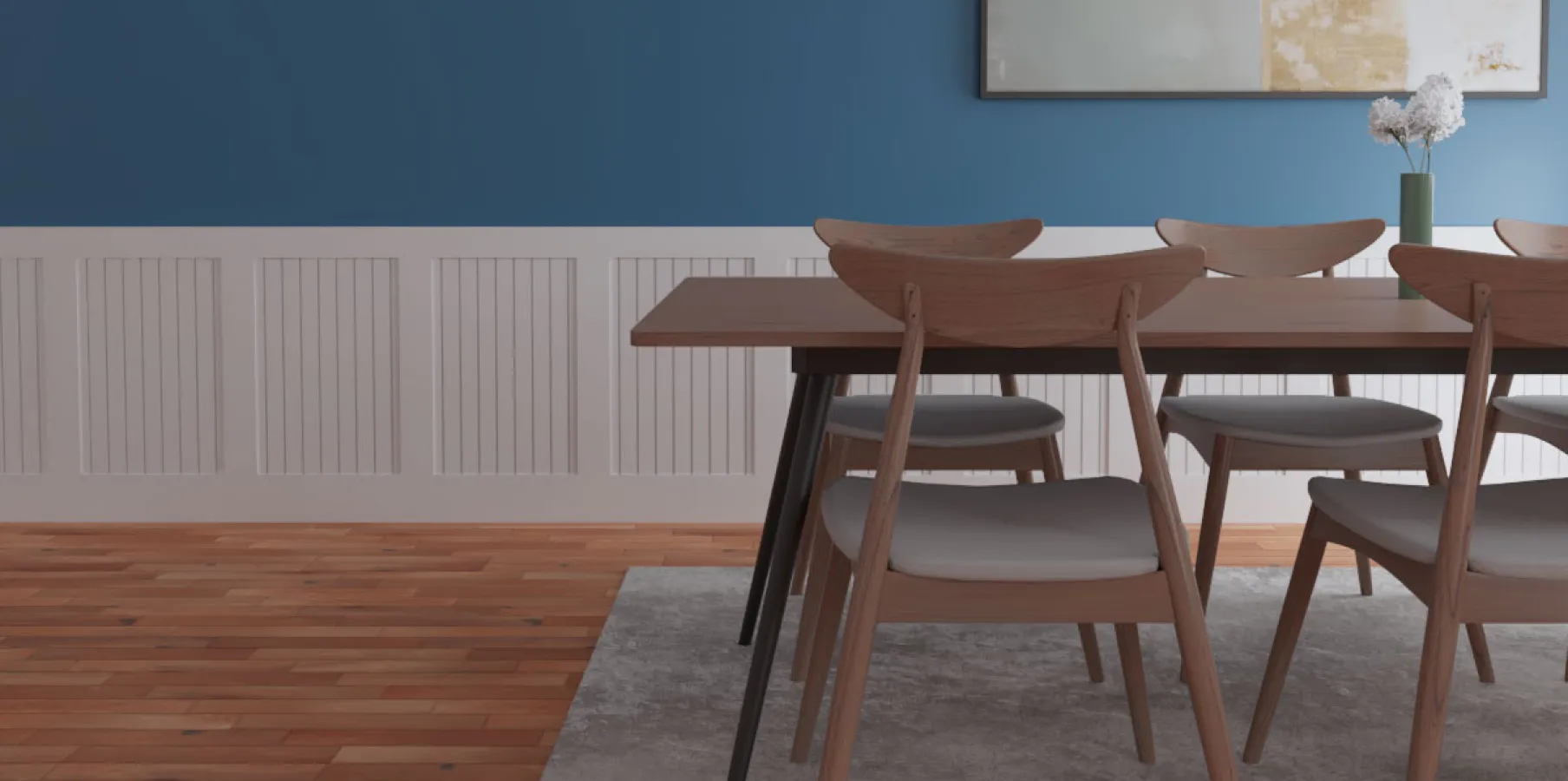
Raised Paneling
New England Classic
Raised panel wainscoting features panels that are elevated from the surrounding frame, creating a distinct, three-dimensional look. This style is often associated with more formal, classic interiors like dining rooms or entryways. Raised paneling is elegant and sophisticated, adding architectural depth and luxury to any space.
Best Suited Home Styles:
Colonial: Fits the formal, historical aesthetic.
Victorian: Aligns with the elaborate, decorative style.
Art Deco: Complements the bold, geometric patterns.
Mediterranean: Suits the rich, ornate interior design.
Flat Paneling
Van Dyke Home Improvements
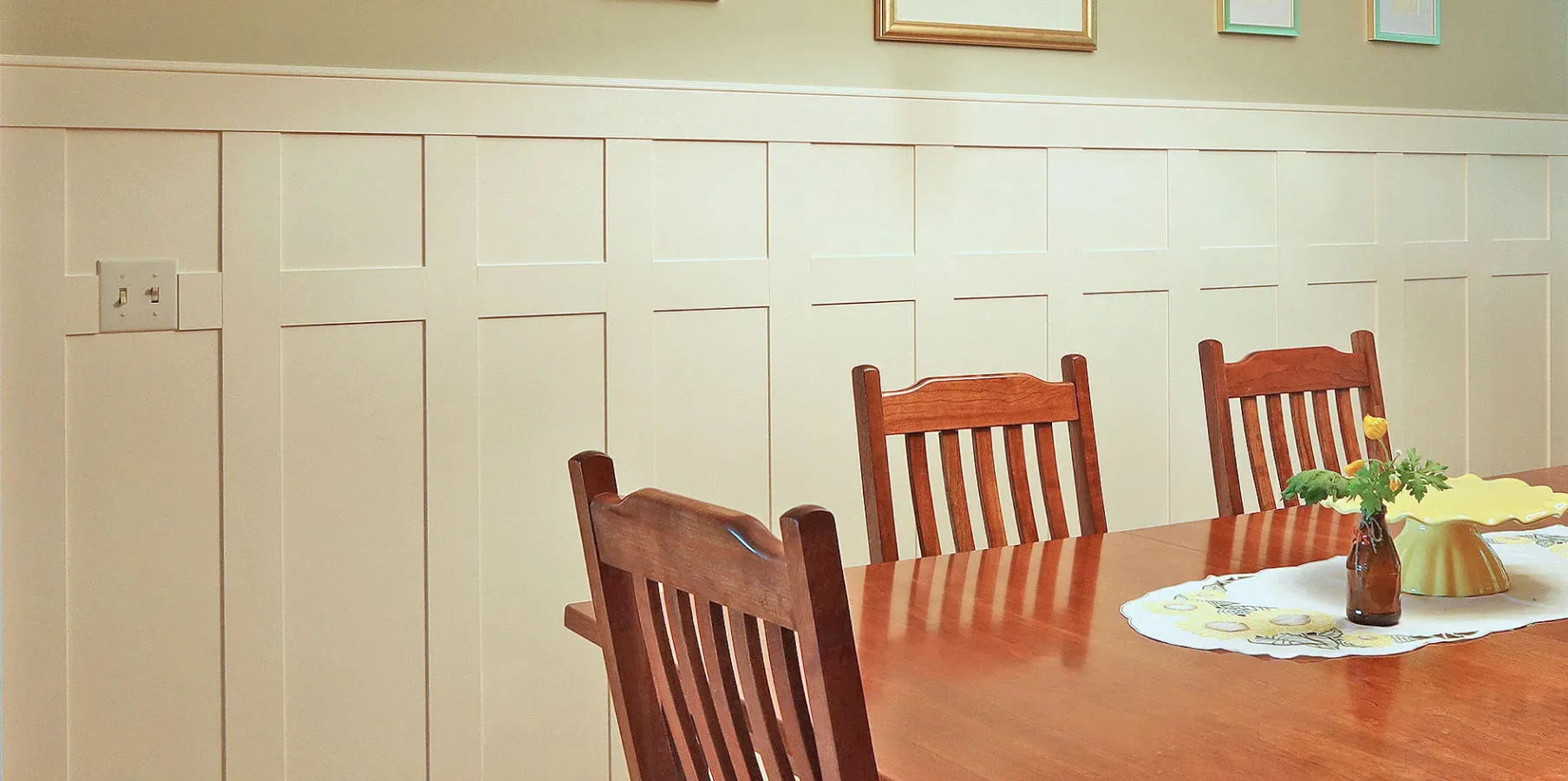
As the name suggests, flat paneling is characterized by flat panels within a frame. It offers a more modern and minimalist look compared to raised paneling. This style is ideal for contemporary spaces, where the goal is to add a touch of elegance without overwhelming the room with ornate details.
Best Suited Home Styles:
Contemporary: Matches the minimalist, uncluttered style.
Modern: Aligns with the understated, sleek design.
Minimalist: Perfect for enhancing the simplistic ethos.
Board & Batten
The Millwork Outlet
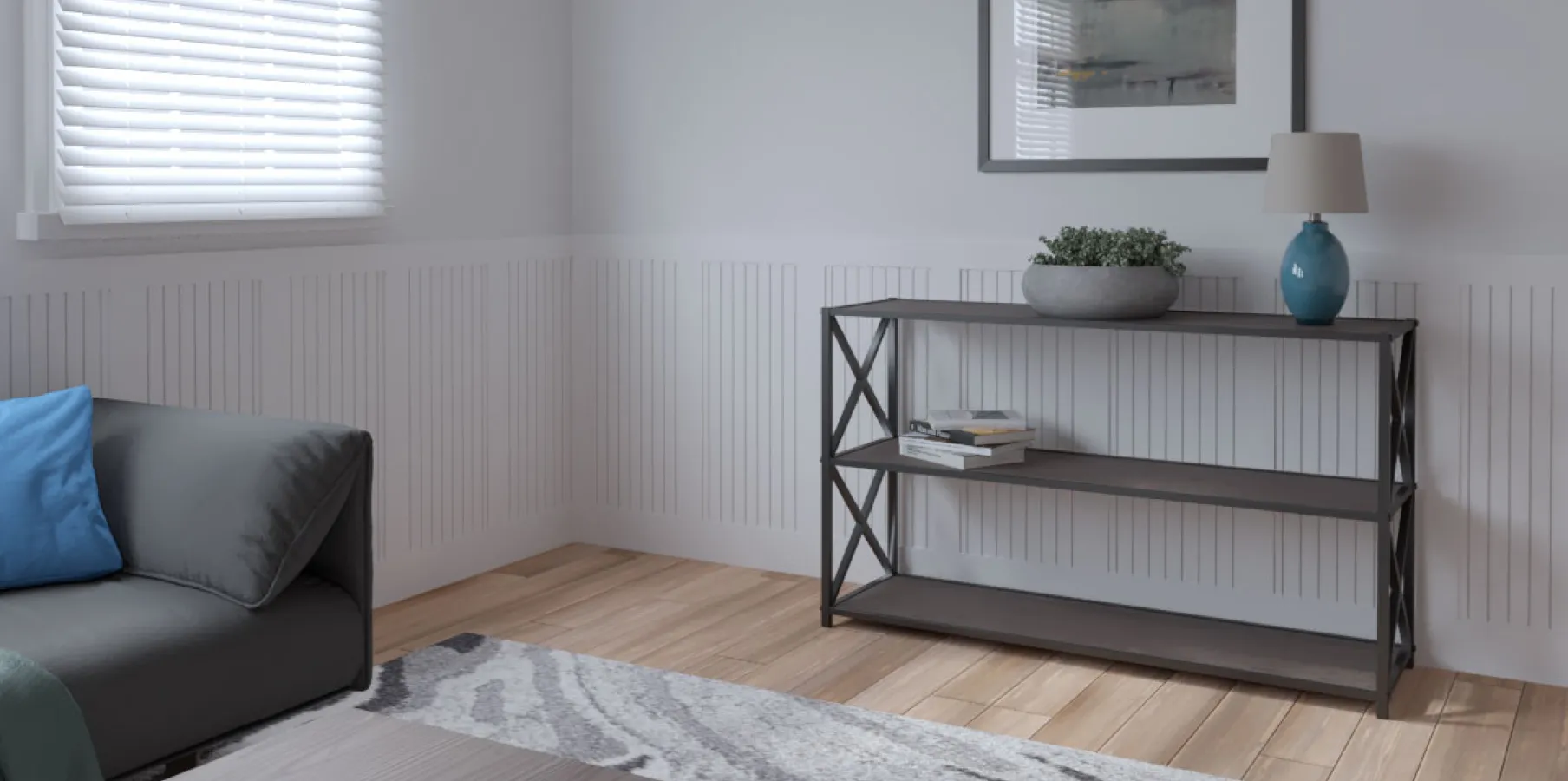
This style features wide boards (usually vertical) with narrow strips (battens) covering the seams. Board and batten wainscoting gives a room a rustic or cottage-like feel, often used in farmhouses or traditional design schemes. It adds texture and depth to walls, making it a great choice for spaces where a simple yet striking visual effect is desired.
Best Suited Home Styles:
Farmhouse: Emphasizes a rustic, homey feel.
Rustic: Enhances the natural, outdoor connection.
Craftsman: Complements the handcrafted, natural material focus.
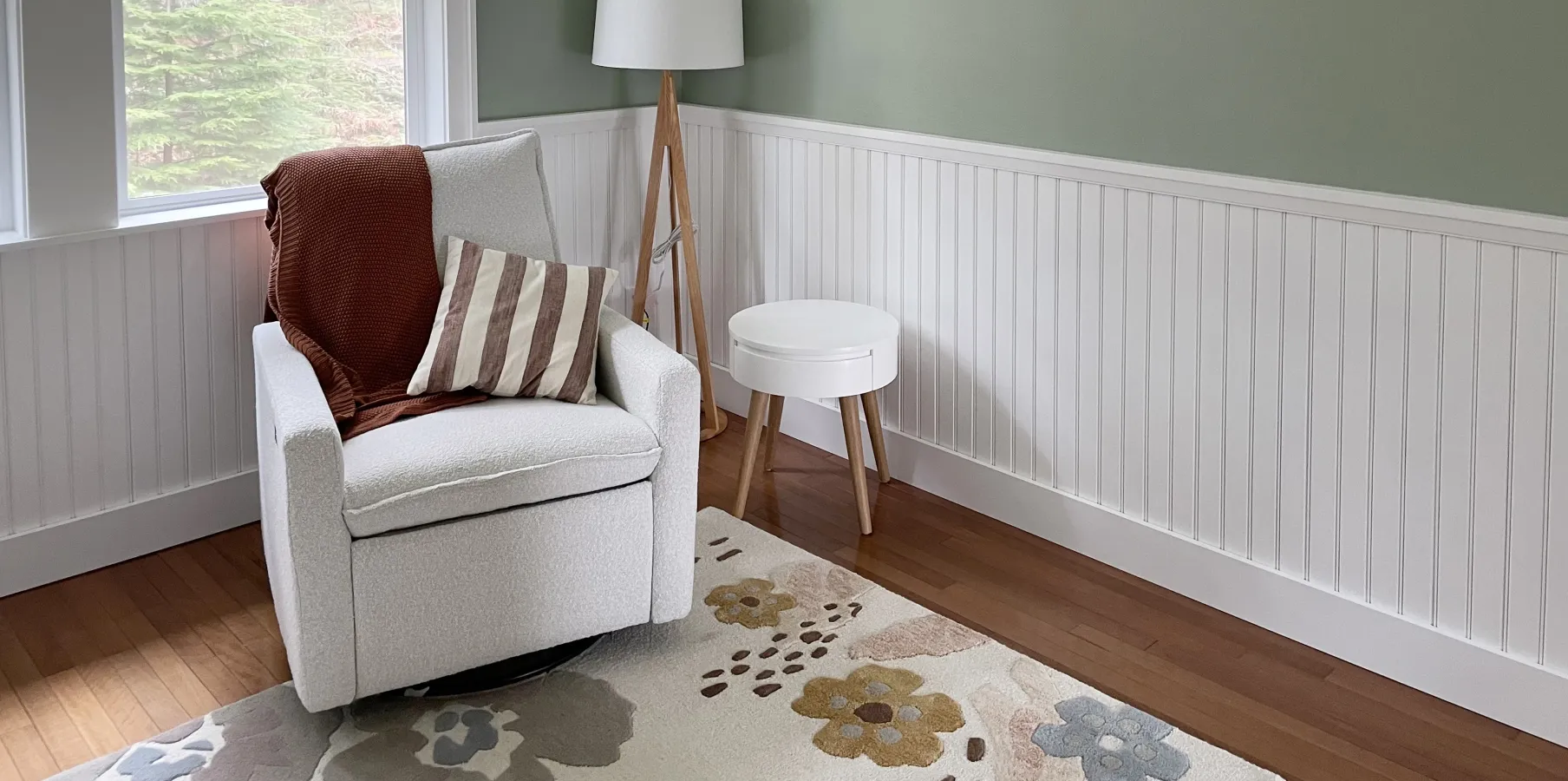
Beadboard
Reliabilt
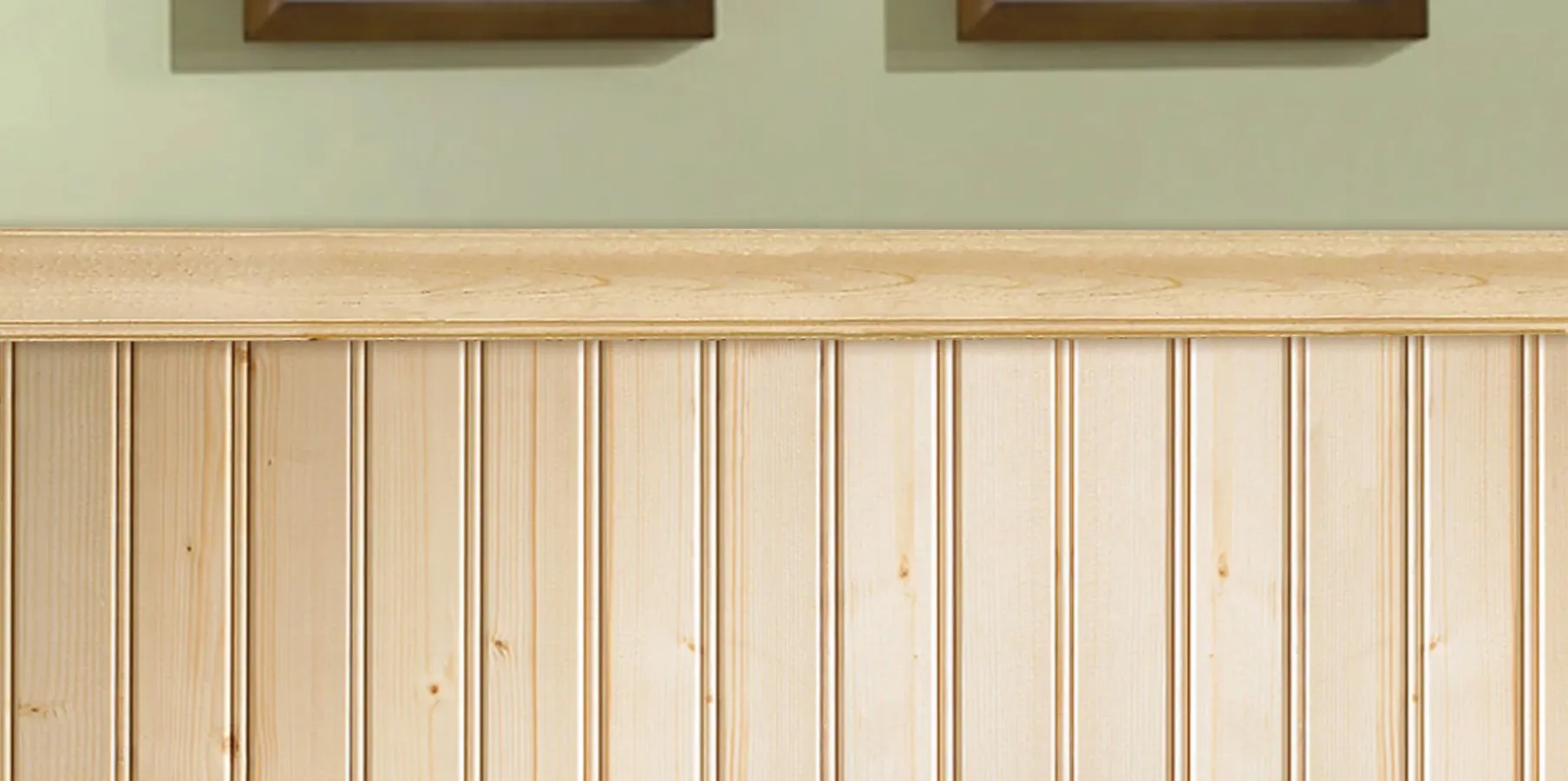
Beadboard paneling consists of rows of narrow wood planks with a "bead" or ridge between each plank. This style is commonly associated with country, cottage, or traditional interiors. Beadboard can cover entire walls or just the lower portion as wainscoting and is often painted in white or soft colors to create a bright, airy feel.
Best Suited Home Styles:
Victorian: Matches well with ornate, detailed interiors.
Farmhouse: Adds to the cozy, country charm.
Cottage: Perfect for creating a quaint, charming atmosphere.
Tongue and Groove
Reliabilt
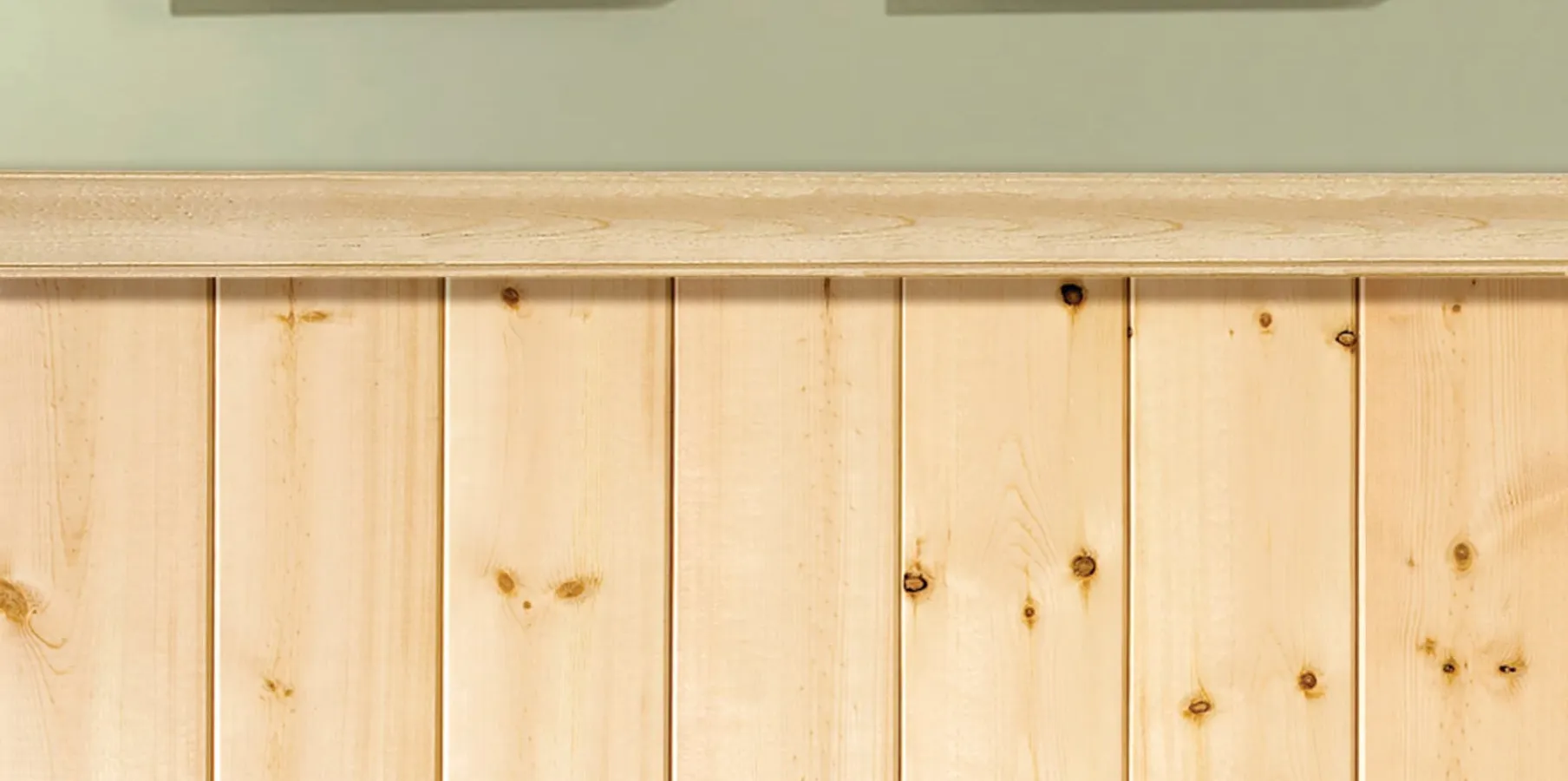
This method involves fitting panels together with a tongue on one edge, fitting into a groove on the adjacent panel. It creates a smooth, cohesive look with subtle lines where the panels join. Tongue and groove paneling can be used horizontally and vertically, and it's a great choice for a clean, streamlined appearance.
Best Suited Home Styles:
Craftsman: Aligns with the clean, handmade quality.
Contemporary: Fits well with the streamlined, modern look.
Beach House: Ideal for creating a light, breezy atmosphere.
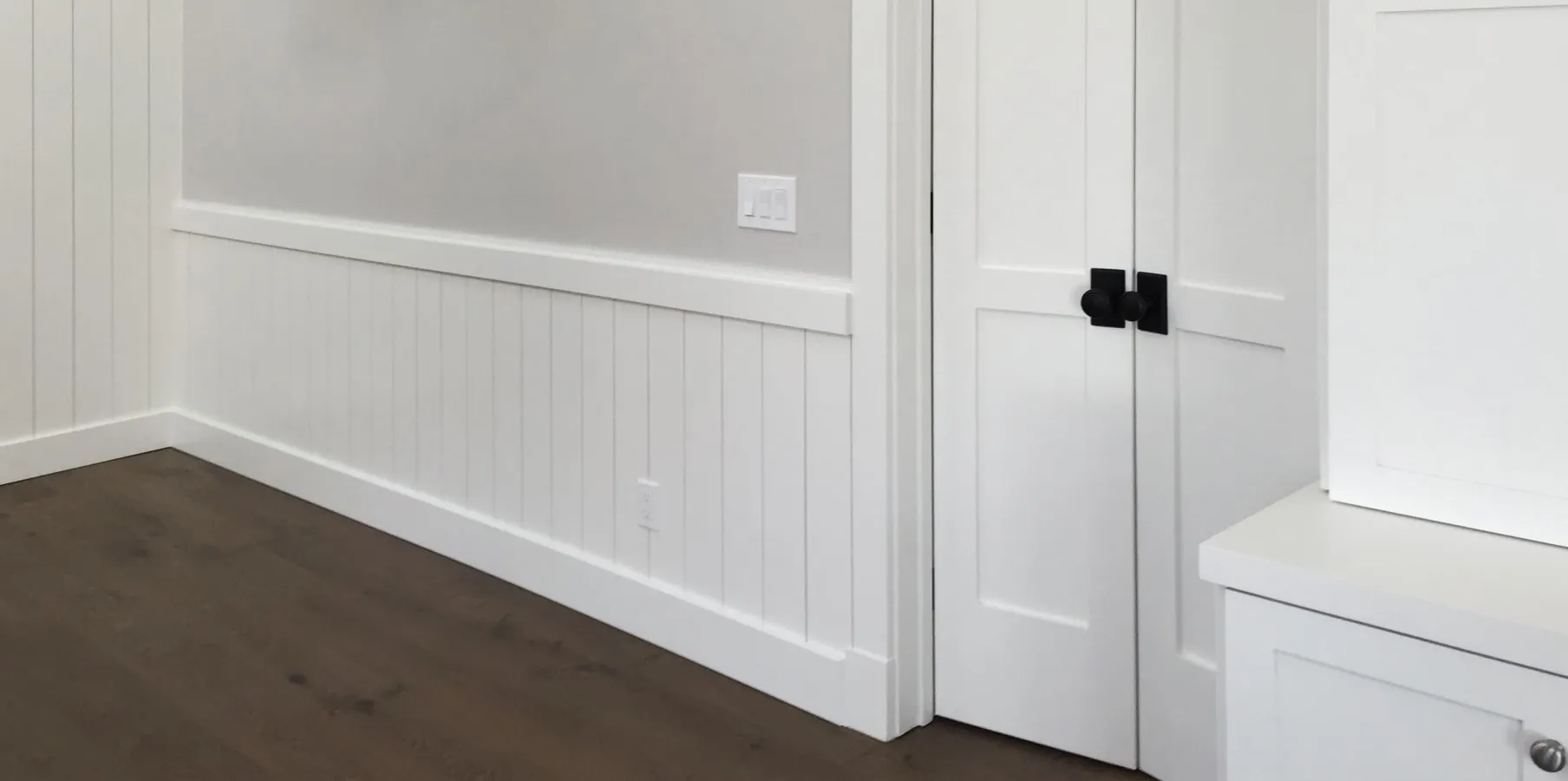
V-Groove
Kandola Forest Products
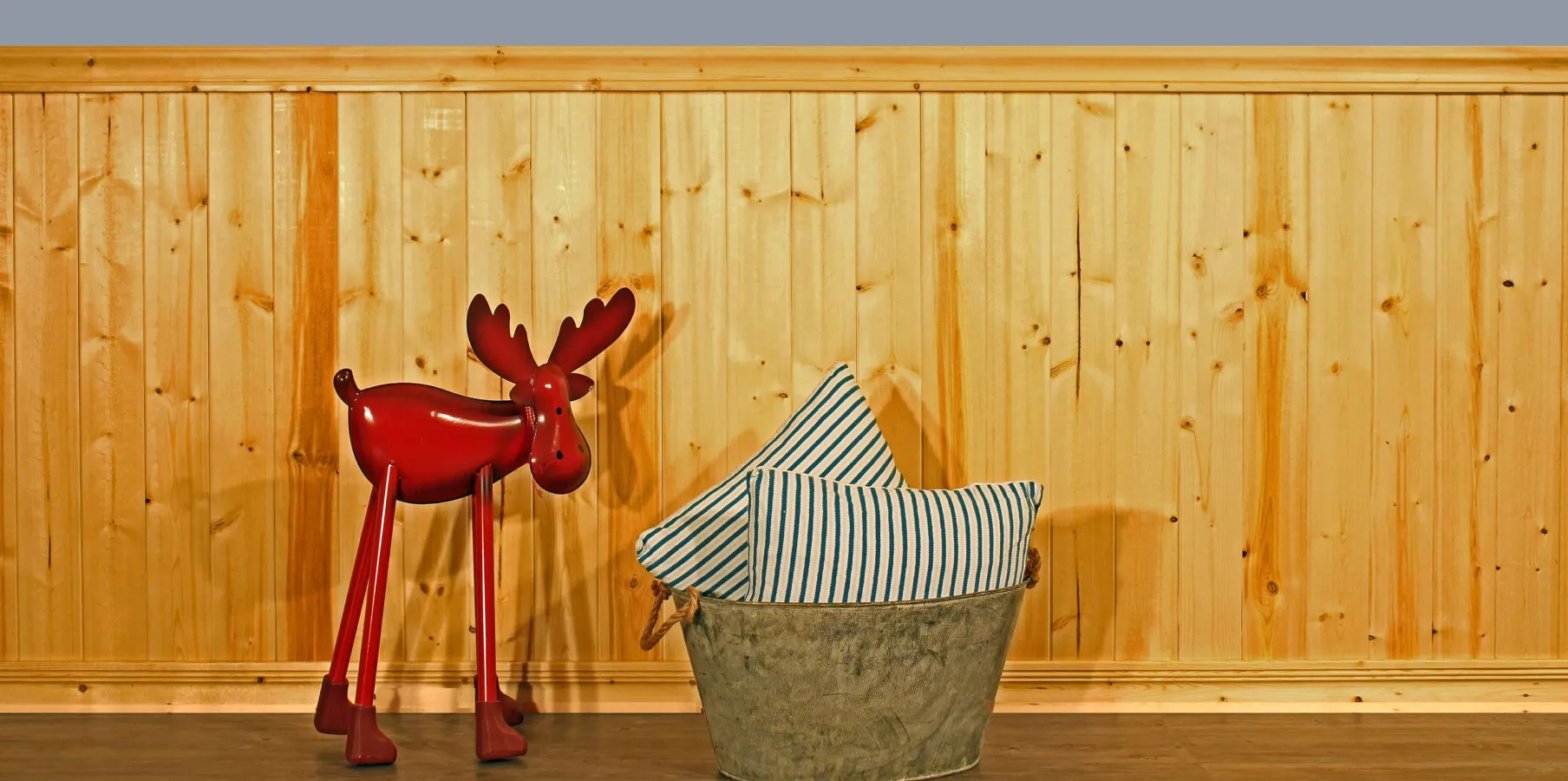
Like tongue and groove, V-groove paneling has a V-shaped groove that creates a sharp line between boards. This style lends well to contemporary and traditional settings, depending on how it's finished and painted. It's a versatile choice that adds texture and linear detail to walls.
Best Suited Home Styles:
Rustic: Enhances the natural, rugged aesthetic.
Modern: Complements the clean, minimalistic design.
Contemporary: Works well with sleek, simple interiors.
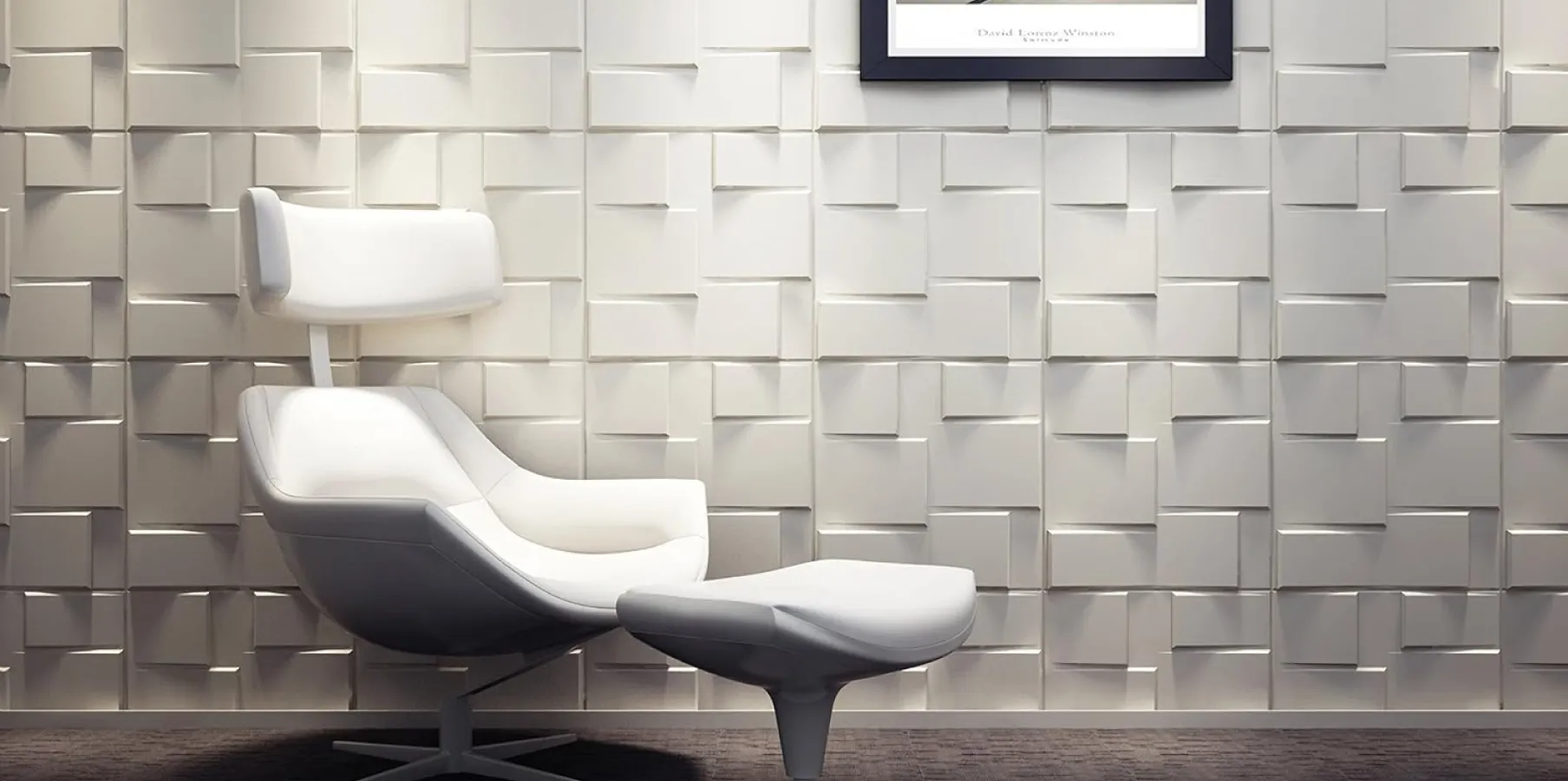
3D Paneling
Dundee Deco
3D paneling is a more modern and artistic form of wall decoration. It features panels with three-dimensional designs ranging from subtle textural waves to more pronounced geometric patterns. This type of paneling is often used as a focal point in a room, adding a contemporary and avant-garde feel.
Best Suited Home Styles:
Contemporary: Adds a unique, modern touch.
Modern: Complements the avant-garde, minimalist aesthetic.
Art Deco: Aligns with the artistic, bold design elements.
Each style brings its unique aesthetic to wainscoting and wall paneling, allowing various design possibilities to suit different tastes and interior styles. Whether aiming for a classic, rustic, or modern look, these options offer creative ways to enhance the character and feel of a space.
When to Install Wainscoting
Ekena Millwork
The decision to install wainscoting largely depends on the specific goals for a room's design and function. It's an excellent addition during home renovations, particularly in spaces where an elegant or traditional aesthetic is desired or where wall protection is needed. In new constructions, incorporating wainscoting can add immediate character and style. For DIY enthusiasts, wainscoting can be a rewarding project, although some types, particularly those involving intricate designs or materials like solid wood, may require professional skills for installation. The process involves precise measurements and cuts, especially in rooms with uneven walls or unique architectural features.
Sizing
WindsorONE
The height at which wainscoting is installed can dramatically alter the perception of space, influencing a room's aesthetics and ambiance. Typically, the height of wainscoting varies from one-third to two-thirds of the wall height, but this can be adjusted based on the specific dimensions and style of the room.
Room Proportions and Ceiling Height: The size and height of the room are key factors in determining the appropriate height for wainscoting. In rooms with high ceilings, taller wainscoting can bring balance and proportion, preventing the walls from appearing too towering or overwhelming. Conversely, in rooms with lower ceilings, shorter wainscoting can help to avoid making the space feel cramped or closed in.
Taller Wainscoting: Installing wainscoting that extends to two-thirds of the wall height or more lends a sense of grandeur and formality to a space. This style is often preferred in traditional or classic interiors, such as dining rooms, libraries, or formal living areas. It can also create a focal point in a room, drawing the eye upward and making the space appear larger and more imposing.
Shorter Panels: Wainscoting that occupies one-third of the wall height or less tends to impart a more casual, cozy, and inviting feel. This style suits informal spaces like family rooms, bedrooms, or kitchens. It also allows for greater flexibility in wall décor, as there is more uninterrupted wall space above the wainscoting for artwork or other decorative elements.
Customization for Visual Balance: Beyond standard practices, customizing wainscoting height to suit a room's specific architectural details and décor can yield the best results. For example, aligning the top of the wainscoting with other architectural features, such as windowsills or mantelpieces, can create a harmonious and balanced look.
Integration with Other Architectural Elements
WindsorONE
Wainscoting can be beautifully integrated with other architectural features to create a cohesive and harmonious interior. When paired with crown molding, the top edge of wainscoting can be aligned or designed to complement the molding’s profile, creating visual symmetry. Simpler wainscoting styles can balance the overall aesthetic without overwhelming the space in rooms with decorative ceiling medallions or intricate ceiling designs.
Flooring choices also play a critical role; hardwood floors can be matched or contrasted with the wainscoting for a seamless look. The key to successful integration lies in maintaining a consistent style and proportion among all the architectural elements, ensuring that each feature contributes to the overall elegance and balance of the room.
Cost and Budgeting
Intrim Mouldings
Wainscoting costs vary depending on the material, design complexity, and installation method. Traditional wood wainscoting tends to be more expensive, reflecting the higher material costs and the skilled craftsmanship required. In contrast, more budget-friendly options like MDF and PVC offer ease of installation and lower maintenance. Opting for simple designs and widely available materials can help manage costs, especially for those working within a tight budget. It's essential to consider additional expenses such as paint, tools, and professional installation services if needed. Effective planning and budgeting for a wainscoting project involve a detailed evaluation of the project's scope, material selection, and unique challenges that may arise in the specific space.
Conclusion
Ekena Millwork
In conclusion, wainscoting is a timeless and versatile design element that enriches interior spaces' aesthetic appeal and functionality. Wainscoting offers both practical and decorative benefits, from its protective qualities in high-traffic areas to its contributions to thermal efficiency.
Available in various materials and styles, it can be tailored to complement any home architecture, from the elegance of traditional designs to the sleekness of modern décor. The thoughtful integration of wainscoting with other architectural elements, along with careful consideration of sizing, installation, and budgeting, can significantly elevate the character and charm of any room. Whether in a grand dining hall or a cozy family room, wainscoting is a testament to classic interior design elements' enduring beauty and practicality.
Share This Article
Up Next:
Wall Paneling Ideas, Styles and Costs for Every Home