
Signature Walls
Venetian Plaster Color Customization: Pigments & Effects
Project Guide:
Plan Your Wall & Ceiling Material
Signature Walls
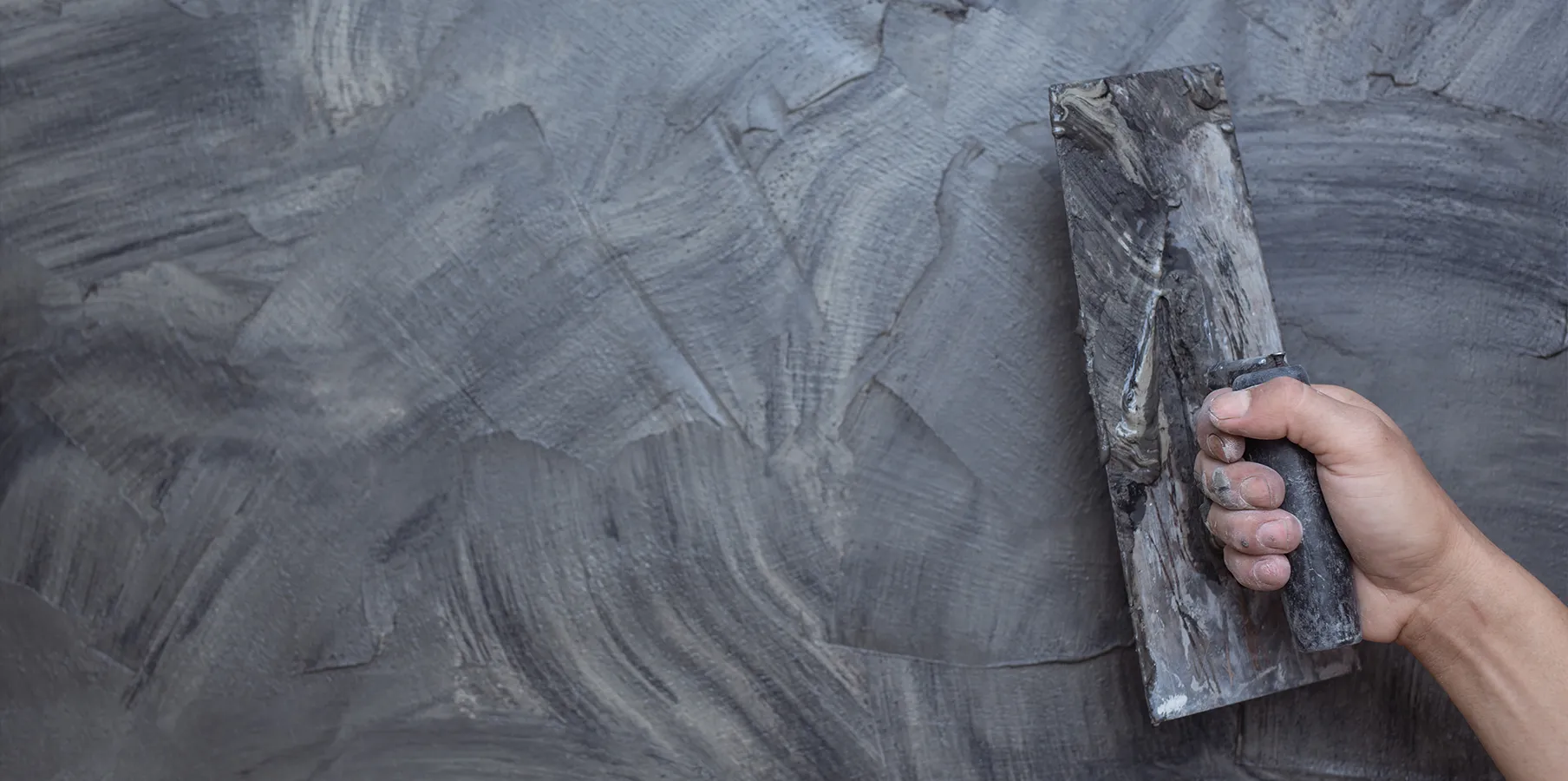
The process of coloring Venetian plaster involves meticulously mixing the integration of pigments into the plaster mix before application to ensure uniformity and depth of color throughout the material. This process requires precision to ensure the final applied product reflects the intended shade and intensity. The plaster is then applied in layers, enhancing the color's depth and richness.
Natural Pigments
Artisan Stucco
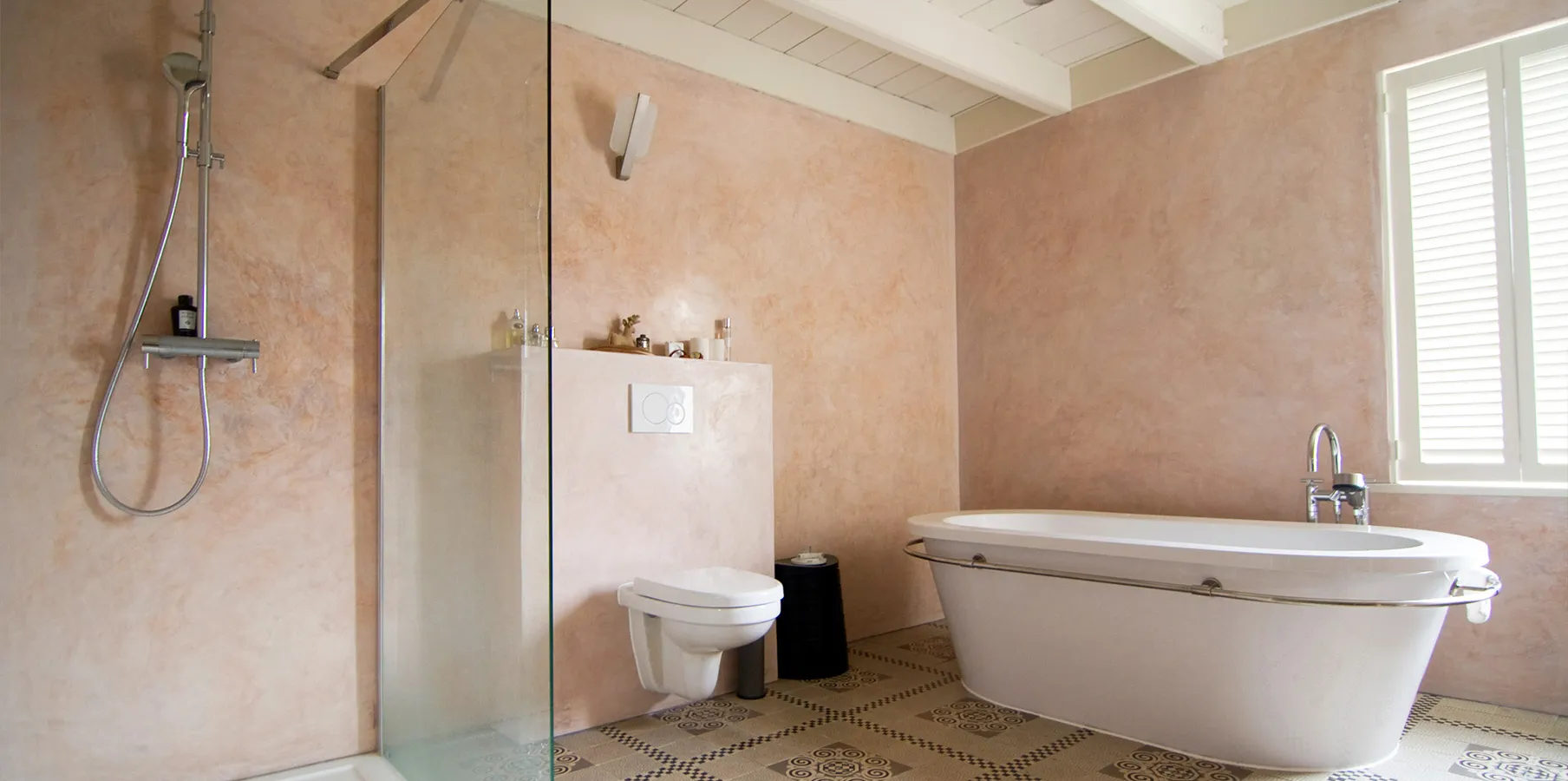
Natural pigments are derived from various earth and mineral sources. These include clays, ochres, siennas, and umbers, mined and then processed into a fine powder. Natural pigments are known for their earthy and rich tones. They offer a range of colors that are typically more muted and often have a depth and warmth highly valued in Venetian plasterwork.
Apart from their aesthetic appeal, natural pigments are eco-friendly and non-toxic. They are compatible with the lime-based composition of Venetian plaster, contributing to the material's breathability and moisture regulation properties.
Synthetic Pigments
Exotic Wall Finishes & Design
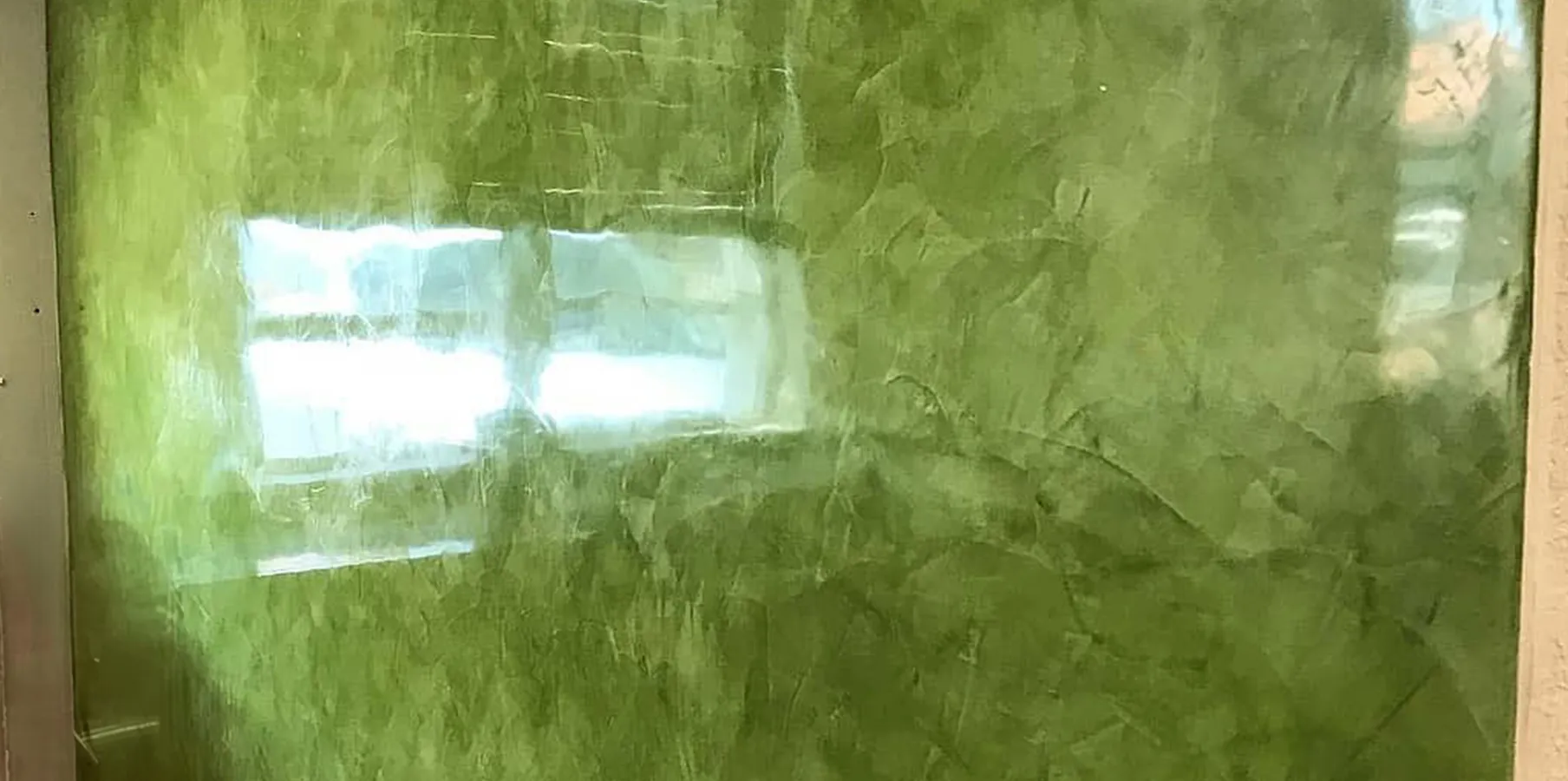
Synthetic pigments are manufactured through chemical processes. They are designed to mimic natural pigments or create colors that may not be readily available in nature. Synthetic pigments provide a broader spectrum of colors, including bright and vibrant hues. They are known for their consistency in color and ability to maintain color stability over time, even when exposed to sunlight and other environmental factors.
The main advantage of synthetic pigments is their versatility and the range of color options they offer. They allow for more vivid and consistent coloring, essential in achieving specific design themes or matching other interior elements.
Customization and Effects
Luxury Plaster
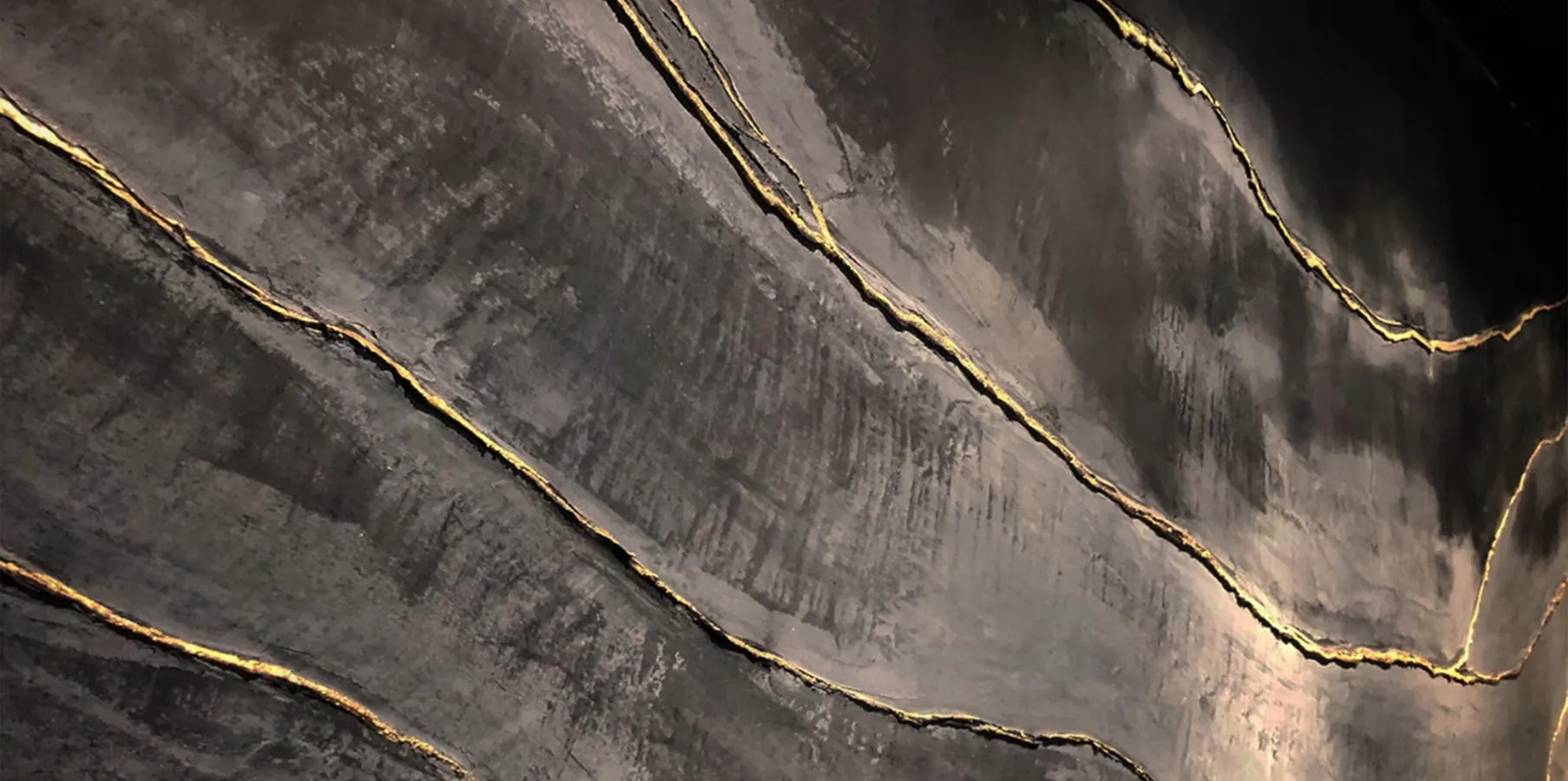
Beyond single-color applications, Venetian plaster can also be used to create multi-tonal and textured effects. This is achieved by applying layers of plaster in different colors and then using various techniques to expose the underlying hues partially. Techniques such as distressing, layering, or stenciling can reveal intricate patterns or subtle color variations, adding complexity and depth to the finish.
Achieving the desired shade requires precision and expertise, as the color in Venetian plaster can look different when dry compared to its wet state. Professionals skilled in this application can ensure consistency and accuracy in achieving the intended color. Furthermore, the ability to create custom colors means that Venetian plaster can be perfectly matched to other elements in a room, such as paint, fabric, or decorative accents.
Conclusion
JComp
Adding color to Venetian plaster transforms it from a traditional wall finish into a versatile and modern design element. Whether aiming for understated elegance or a bold design statement, colored Venetian plaster offers an effective and stylish way to achieve a wide range of interior aesthetics. Its combination of visual appeal, customizability, and functional benefits makes it a favored choice among designers and homeowners looking to infuse their spaces with beauty and character.
Up Next:

Interior Brick Walls: From Ancient Roots to Modern Lofts
Project Guide:
Plan Your Wall & Ceiling Material