Akdo
Porcelain Wall Tiles: Costs, Durability and Design Guide
Project Guide:
Plan Your Wall & Ceiling Material
Akdo
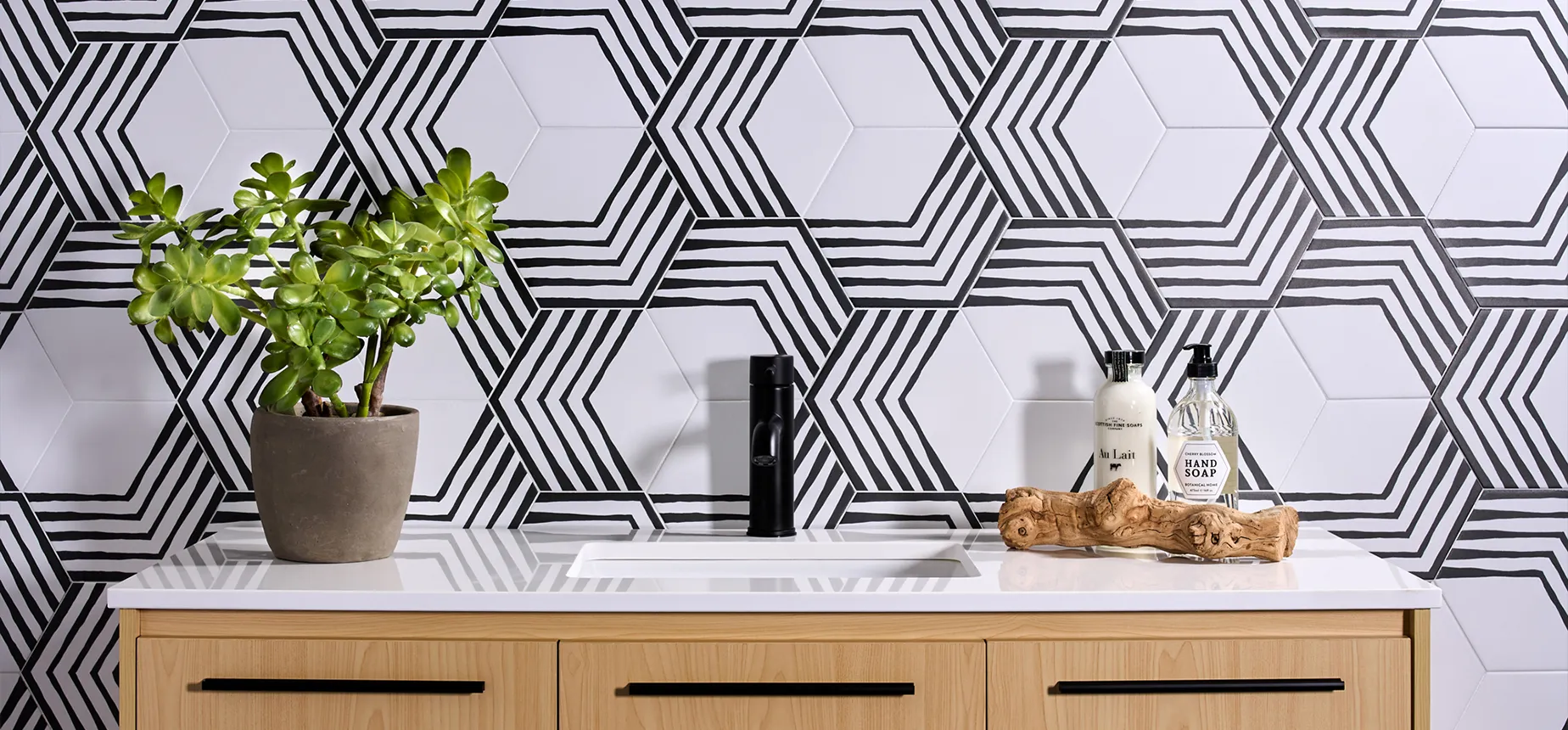
With roots in ancient craftsmanship, porcelain tiles have cemented their reputation for elegance and resilience. Originating in China and spreading to European shores, they've become synonymous with refined aesthetics and impressive durability. Produced by molding refined clay and baking at exceptionally high temperatures, porcelain tiles offer tremendous versatility. Their growing presence in various residential wall applications attests to their timeless appeal.
Variety of Porcelain Wall Tiles
Akdo
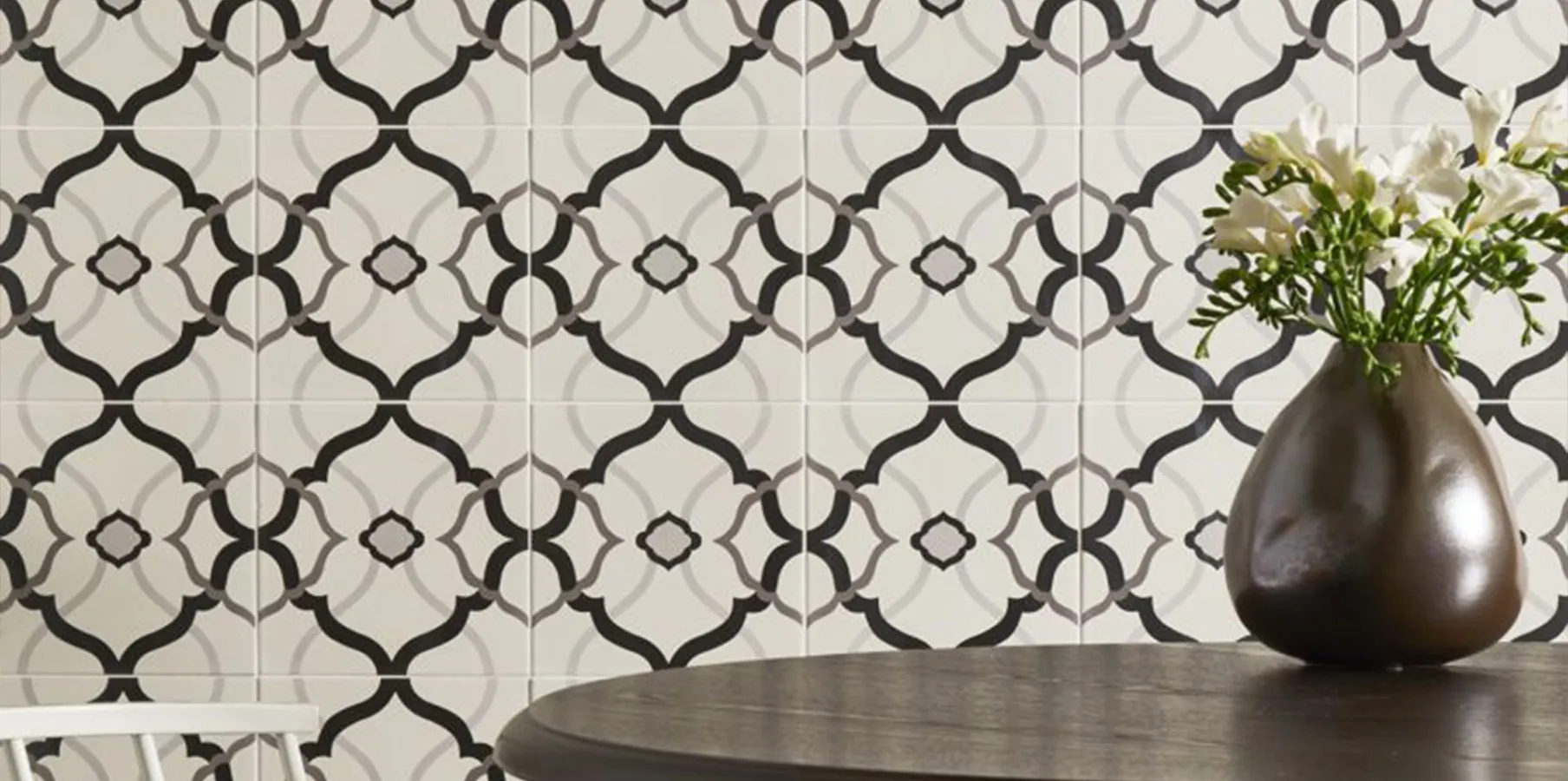
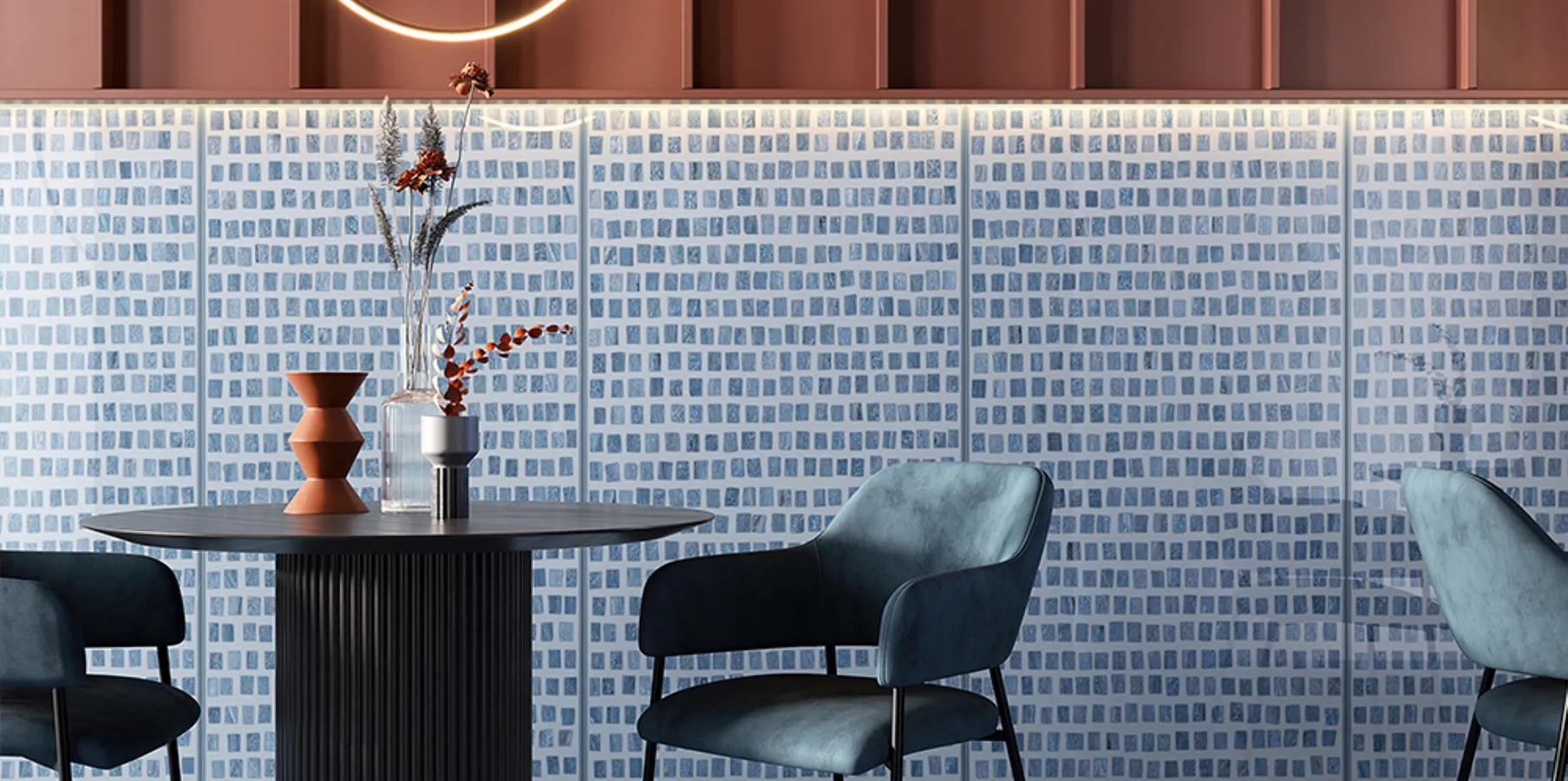
One of the defining characteristics of porcelain tiles is their innate ability to serve as a canvas. The natural white base of porcelain allows for diverse colors and finishes. Unlike other materials, the dye is infused directly into the clay during crafting, ensuring uniform and lasting color. This uniformity is a testament to porcelain's dedication to consistency and quality.
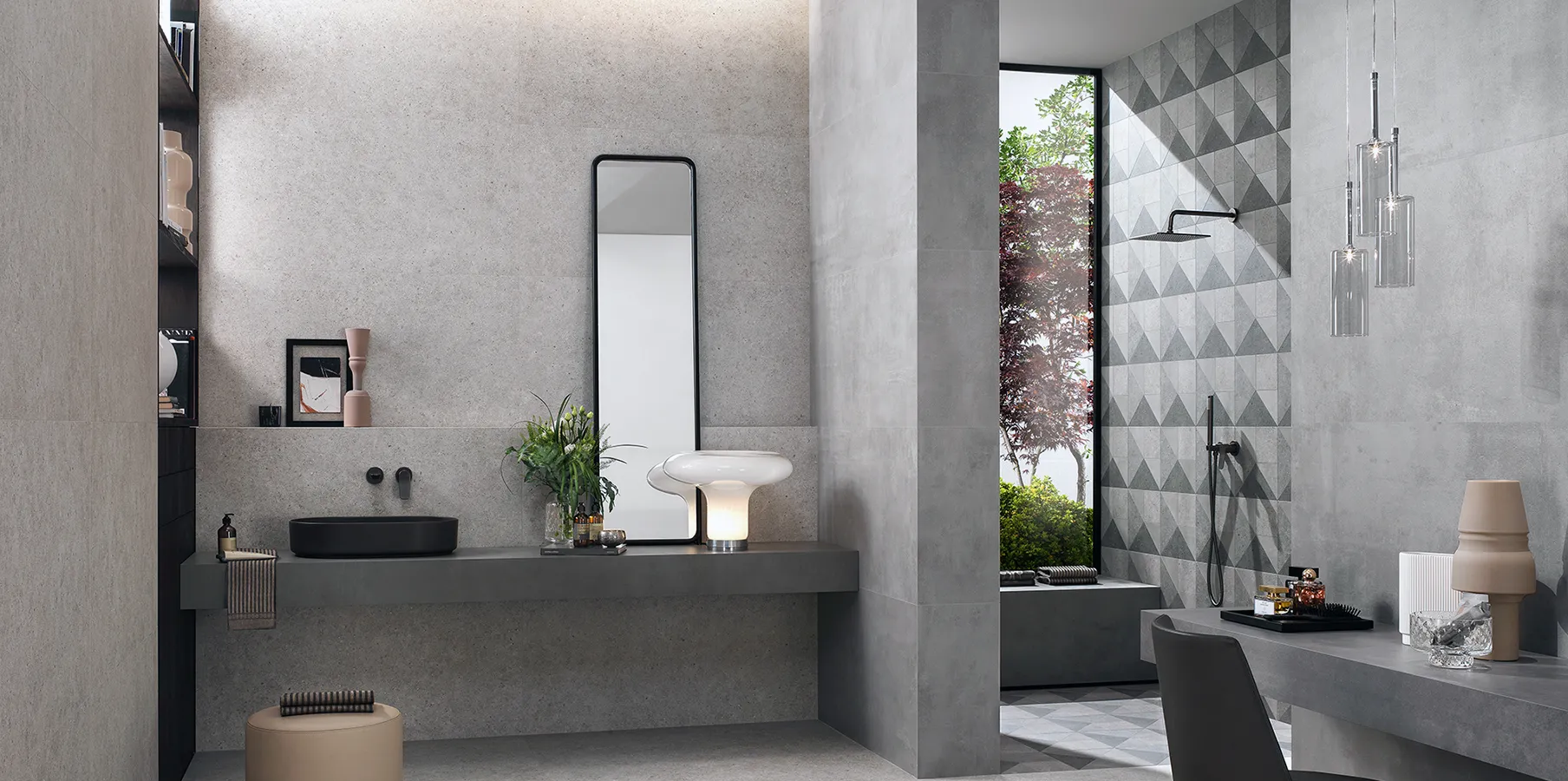
Porcelain's adaptability allows it to capture the essence of natural stone. This innovation permits homeowners to enjoy the visual grandeur of stone walls, combined with porcelain's inherent durability and low maintenance. This synthesis of form and function earmarks porcelain as an attractive alternative, merging timeless sophistication with modern resilience.
Advantages of Porcelain Wall Tiles
Akdo
Porcelain tiles are celebrated for their long-lasting nature, making them an excellent choice for walls subjected to regular wear and potential impacts. Their robustness ensures enduring visual charm.
Another plus of porcelain is its low-maintenance requirement. Being inherently resistant to stains, it remains unaffected by most accidental spills, making cleanup a breeze. This ensures a perennially pristine appearance with minimal effort. Its low porosity renders porcelain tiles ideal for moisture-sensitive areas. They're excellent for bathrooms or kitchens, ensuring resistance against water damage or mold growth.
Contemporary manufacturing techniques have enabled porcelain tiles to emulate the nuances of varied natural materials, be it the intricate grain of wood or a distinctive stone pattern. This versatility offers an expansive palette of designs without the usual demands of natural materials.
Drawbacks of Porcelain Wall Tiles
Genrose Stone & Tile
While porcelain is widely recognized and applauded for its remarkable durability and robustness, it isn't without its challenges. One of the primary considerations for many homeowners and builders is its initial cost. Opting for porcelain tiles can demand a more substantial initial investment, especially when preferences lean towards designer editions or the more upscale, premium variants. This could mean allocating a larger portion of a renovation or construction budget toward wall finishes, which might not always be feasible for every project.
Furthermore, the weight of porcelain tiles, a testament to their solidity and long-lasting nature, also introduces certain complexities during the installation phase. This substantial weight means that the installation isn't just about aesthetic alignment but also about ensuring that each tile is securely anchored to prevent future issues like slippage or detachment. The process requires a keen eye for detail, a steady hand, and often specialized tools or adhesives to guarantee that the tiles look impeccable once set and remain firmly in place for years to come. This weight consideration also limits its use in certain areas or structures where the foundational support isn't robust enough to handle the additional load.
Installation of Porcelain Wall Tiles
Genrose Stone & Tile
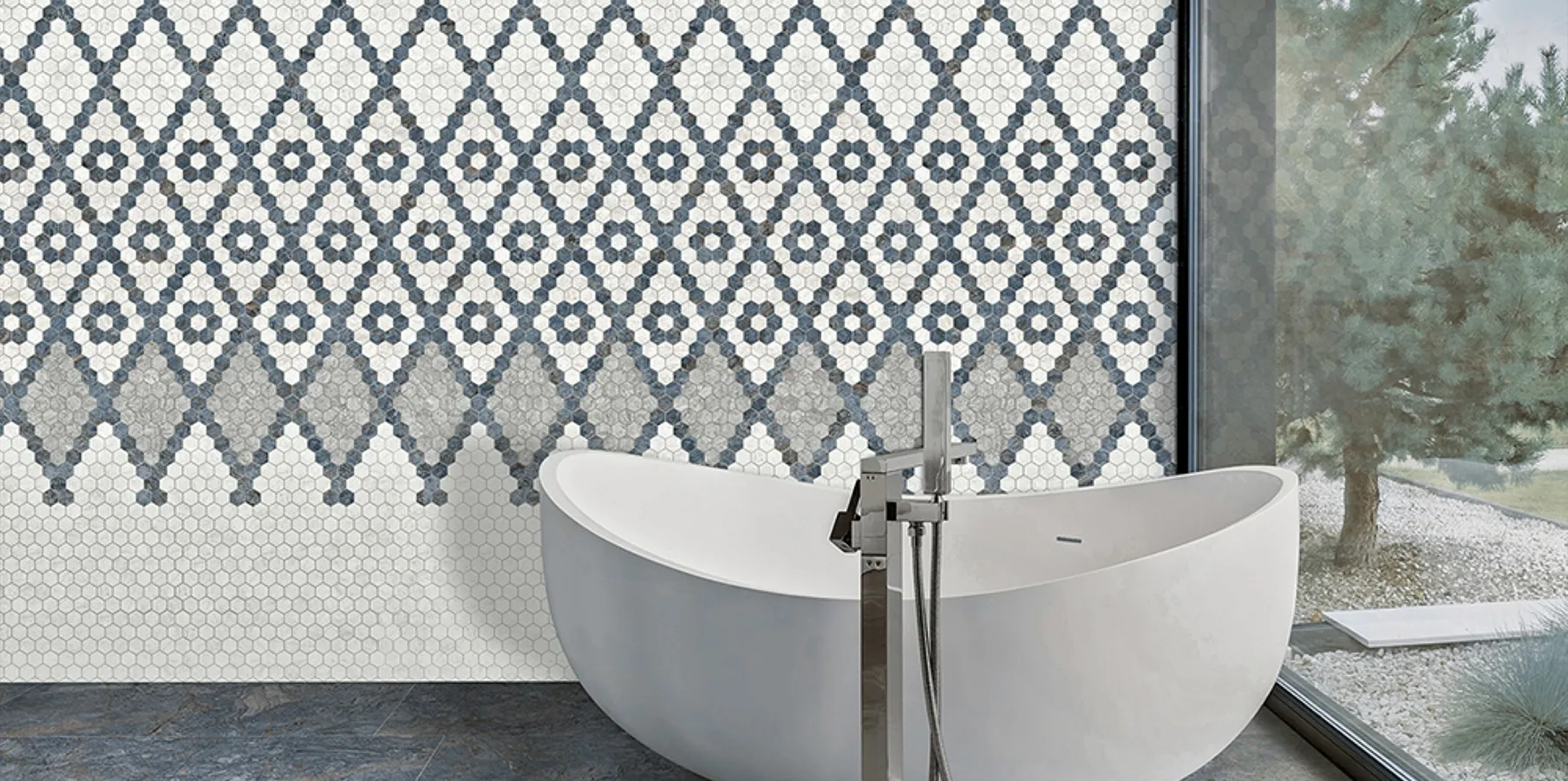
The installation of porcelain tiles demands precision. Initial steps involve readying the wall surface and ensuring it's clean and even. Once prepared, a thin-set adhesive affixes the tiles to the wall. After the tiles have been set and dried, the spaces between them are grouted. Given the exactness needed, hiring a professional for the installation often proves beneficial, ensuring longevity and perfect alignment.
Environmental Impact
Manufacturing porcelain tiles is energy-intensive, largely attributed to the high-temperature firing process they undergo to achieve their durability and finish. This procedure consumes considerable energy and can lead to greenhouse gas emissions and other pollutants if not appropriately managed. Consequently, there's a distinct environmental footprint associated with every porcelain tile produced.
However, a redeeming factor for porcelain tiles is their impressive lifespan. Once installed, these tiles can endure for decades, if not longer, without needing replacement. In the long run, while the initial environmental impact might seem substantial, the extended service life of porcelain tiles can help diffuse this cost over many years, making it a more sustainable choice than other materials that need frequent replacements.
In the face of growing environmental concerns, many tile manufacturers are increasing their efforts to reduce their ecological footprint. A notable trend in the industry is the shift towards more sustainable and eco-conscious production methods. Some manufacturers are pioneering innovative processes that lower energy consumption during the firing process or utilize cleaner energy sources, thereby reducing greenhouse gas emissions.
Additionally, the incorporation of recycled materials into new tiles is gaining momentum. By using post-industrial waste or previously used tiles, these companies reduce the demand for raw materials and ensure that less waste is in landfills. This recycling approach is a testament to the industry's commitment to circular economy principles, where products are reused, refurbished, or recycled, ensuring minimal waste and resource utilization.
Cost Considerations
Genrose Stone & Tile
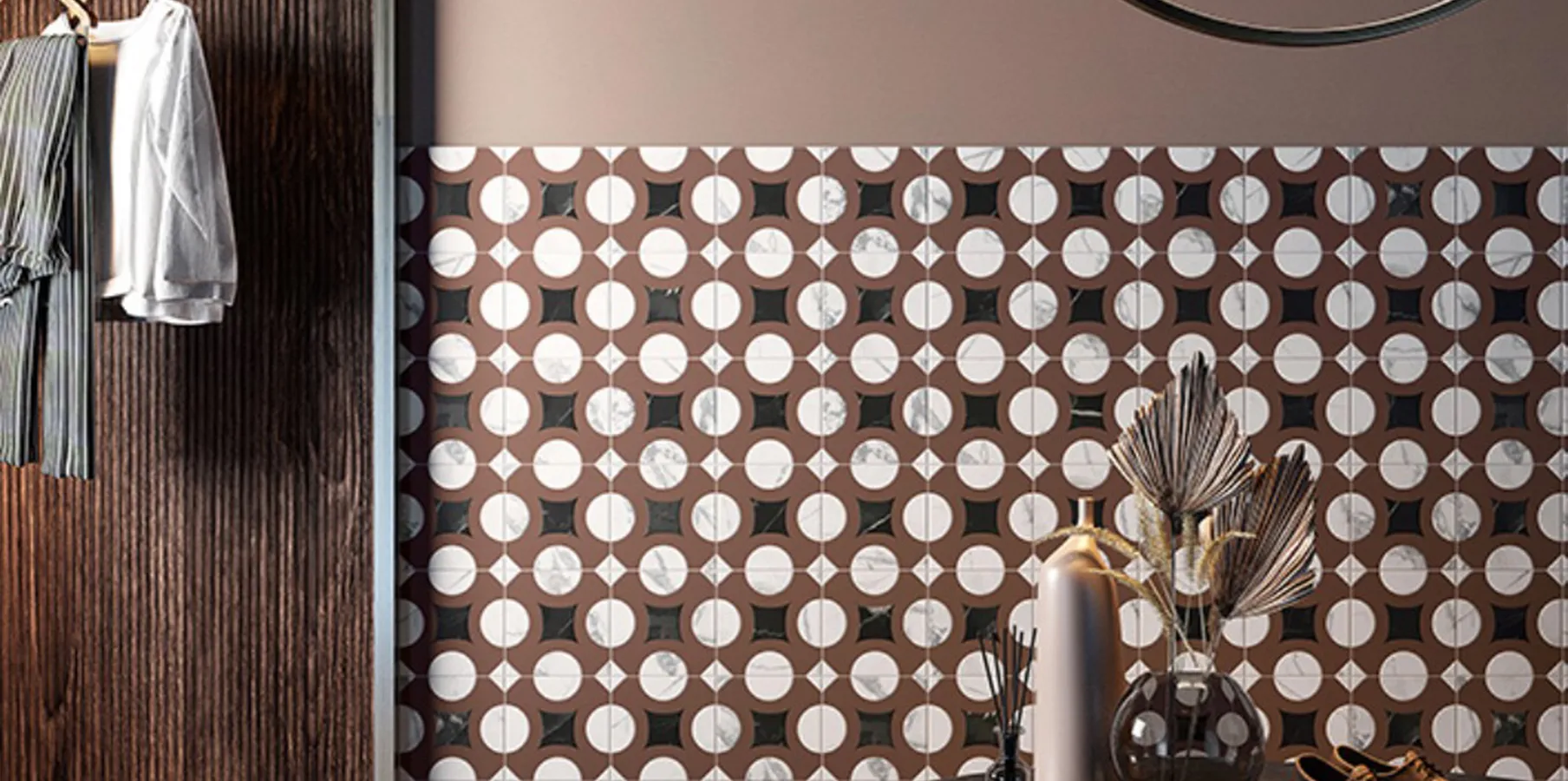
Choosing porcelain wall tiles comes with a set of financial considerations that can be broad and varied. Several factors can significantly impact the price:
Design Complexity: The intricacy of the design, pattern, texture, and finish can alter the cost. Customized or uniquely crafted designs are priced higher than standard, more common patterns.
Quality: Not all porcelain tiles are created equal. Made with refined materials and advanced manufacturing processes, premium-quality tiles offer better consistency, fewer imperfections, and a superior finish. This excellence, however, usually comes at a premium.
Brand Reputation: Established brands with years of proven reliability and craftsmanship often command higher prices. This is due to their consistent track record of delivering high-quality products, which customers are willing to pay a premium for.
Size and Thickness: Larger tiles or those with unique dimensions might have a different price point than more standard sizes. Similarly, the thickness of the tile can also influence cost.
Special Features: Some porcelain tiles have added features, especially slip-resistant, antibacterial properties, or are designed for specific environments like outdoor patios or high-moisture areas. These specialized features can affect the tile's price.
Conclusion
Genrose Stone & Tile
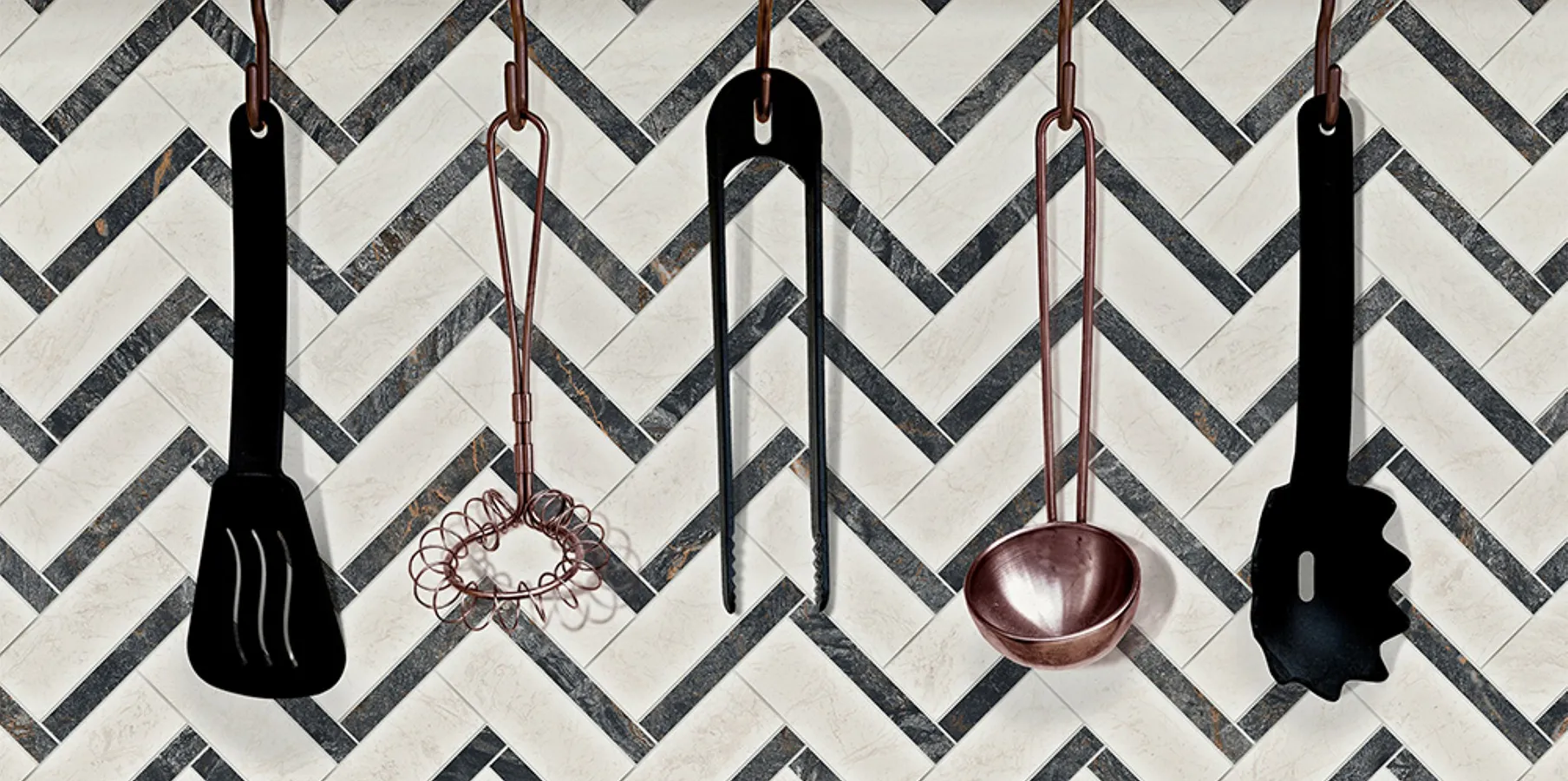
While the initial cost of porcelain wall tiles might be higher than other wall coverings, looking beyond the immediate expense is worth doing. Porcelain is renowned for its durability, which means it's less likely to need repairs or replacement in the long run, and its low maintenance requirements can lead to savings in terms of time and upkeep expenses. Considering these factors, the long-term value of investing in porcelain wall tiles becomes evident, emphasizing its cost-effectiveness and lasting appeal.
Up Next:

Glass Wall Tiles: Types, Benefits and Design Tips to Know
Project Guide:
Plan Your Wall & Ceiling Material