
Brick City Tile
Brick Colors for Interior Design: Pick the Perfect Hue
Brick City Tile
With their rich history as a building material, Bricks have found a new and exciting role in interior design. The diverse palette of brick colors adds functionality and aesthetics to indoor spaces. In this article, we will explore the world of brick colors in interior design, discussing their variations and the factors influencing their selection.
The Natural Origins of Brick Colors
Just like in exterior brick applications, the colors of interior bricks are primarily determined by the type of clay or shale used in their production and the firing process. The natural minerals in the raw materials and firing temperatures play a crucial role in defining the hues and textures of interior bricks. Common natural brick colors for interiors include red, brown, buff, gray, and cream.
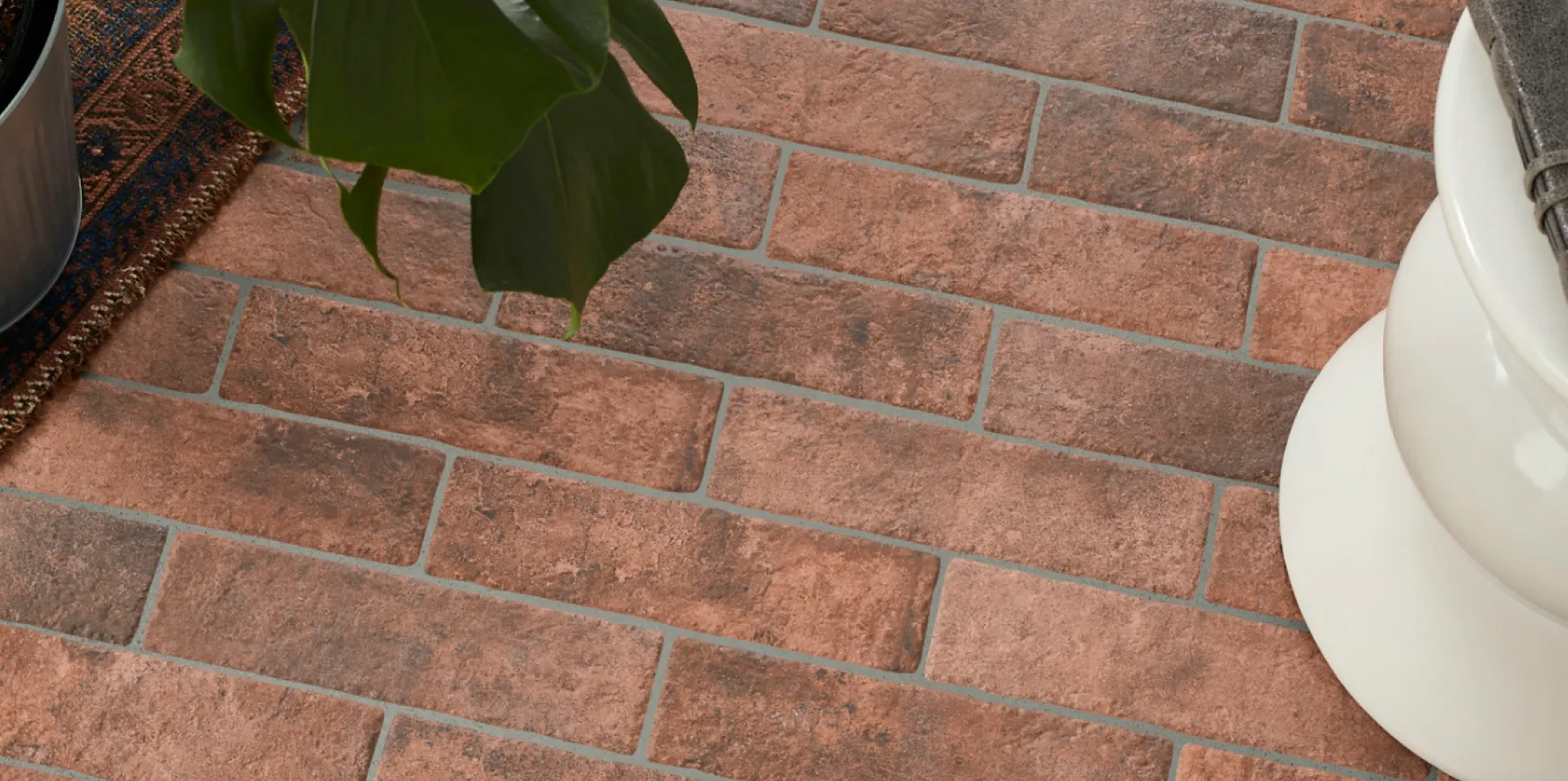
Red Brick
The Tile Shop
Red bricks are a timeless choice for creating cozy and inviting interior spaces with warm and earthy tones. They can add a touch of rustic charm to various interior styles.
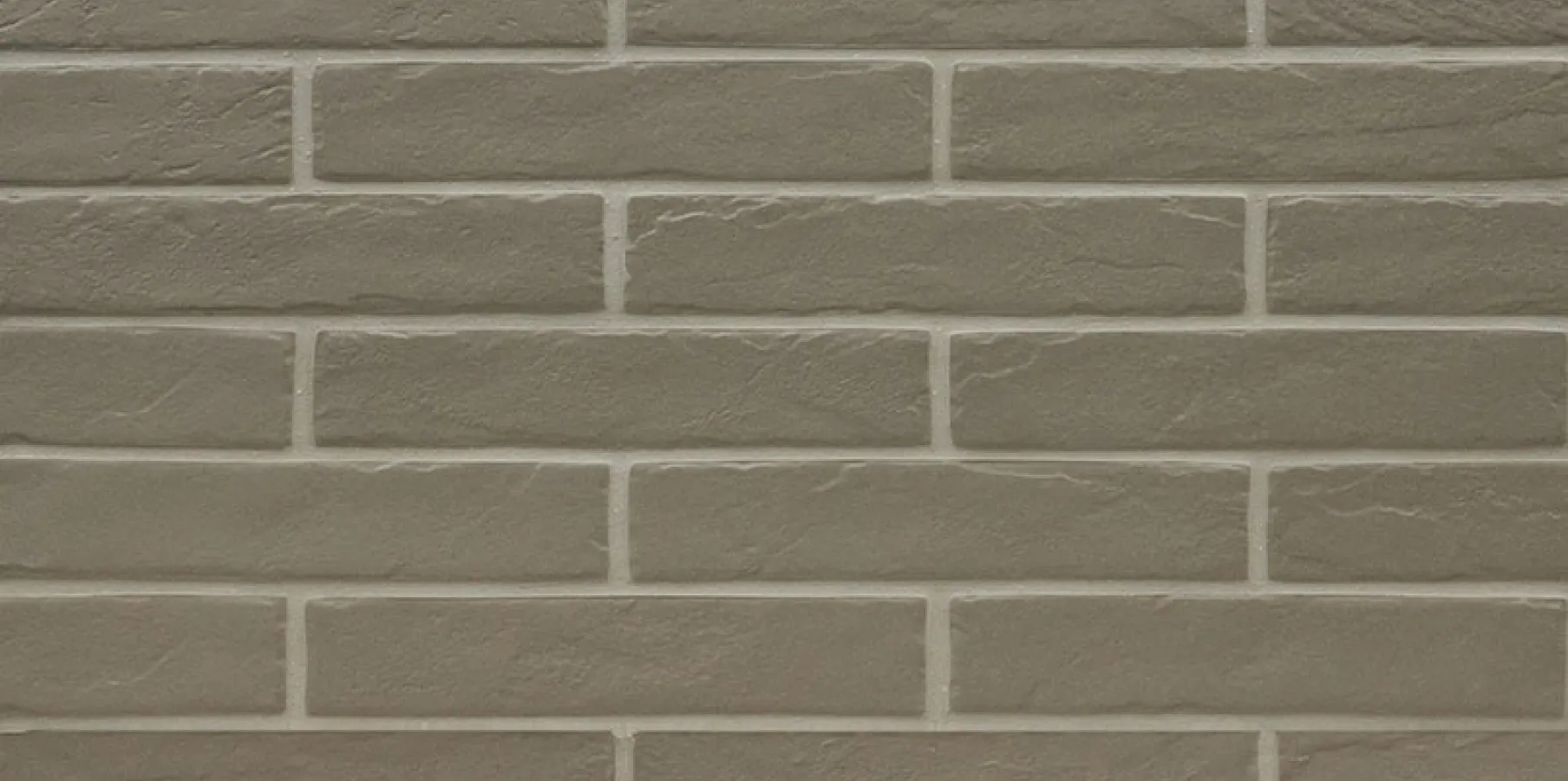
Brown Brick
MS International, Inc
Brown bricks offer a muted, earthy palette that blends well with rustic and industrial interior designs. They can provide depth and character to indoor spaces.
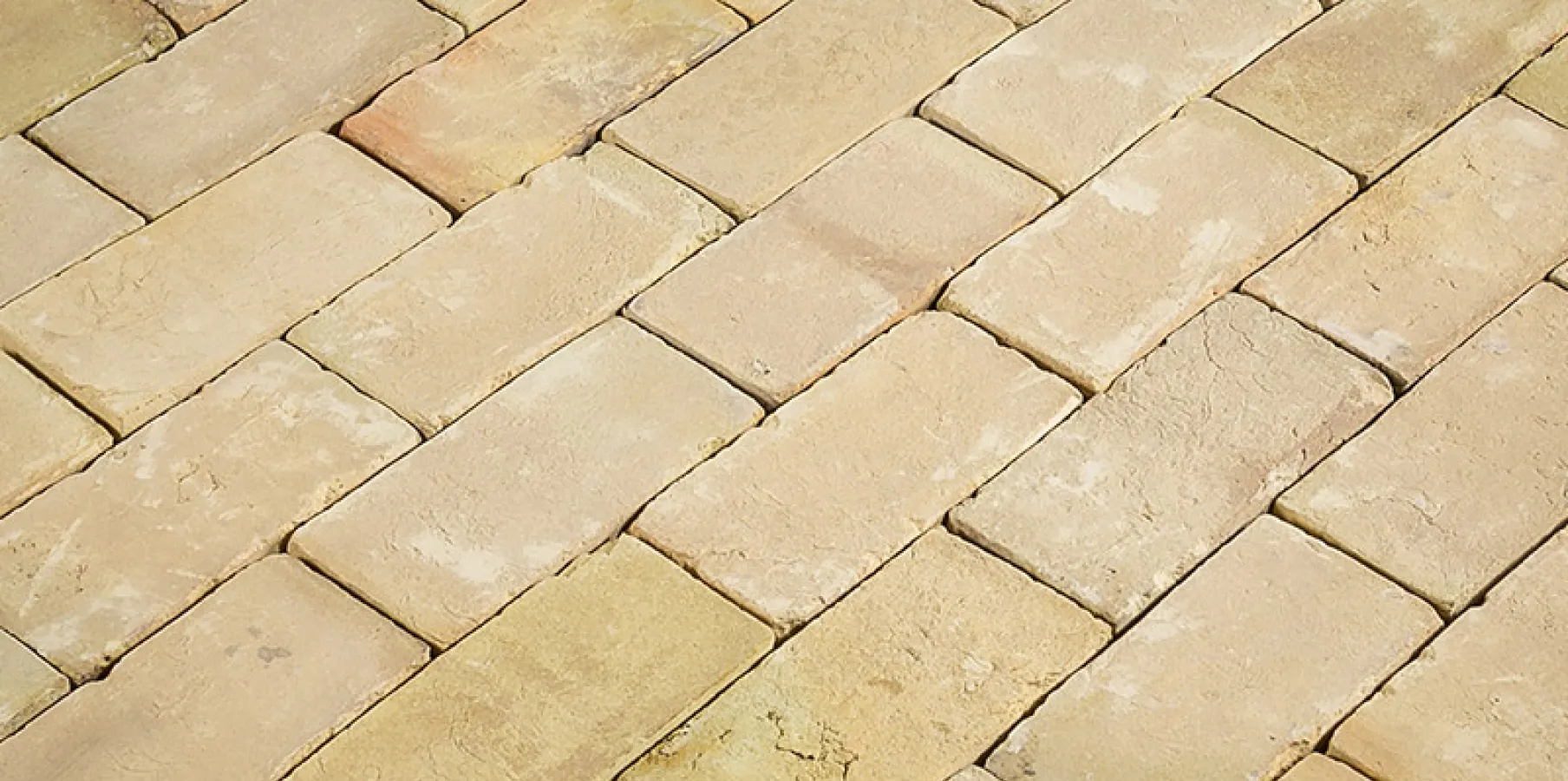
Buff Brick
Britannia Bricks
Buff bricks are versatile for interior applications with light and sandy colors. They can complement various architectural styles, adding a touch of elegance to interiors.
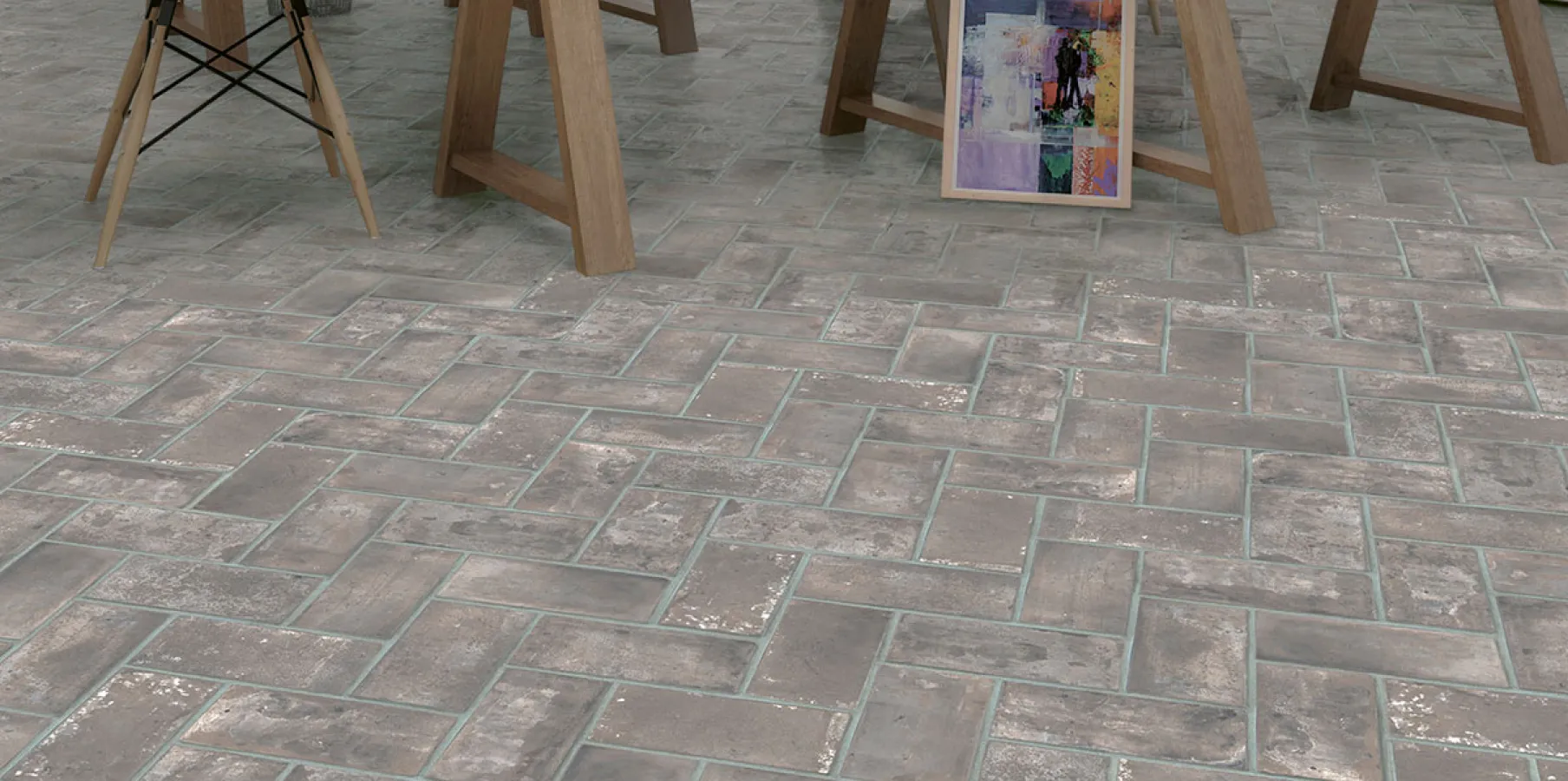
Gray Brick
MS International, Inc
Gray bricks, known for their contemporary appeal, can bring a sleek and modern aesthetic to indoor spaces. They are a popular choice for creating minimalist and industrial interior designs.
Cream Brick
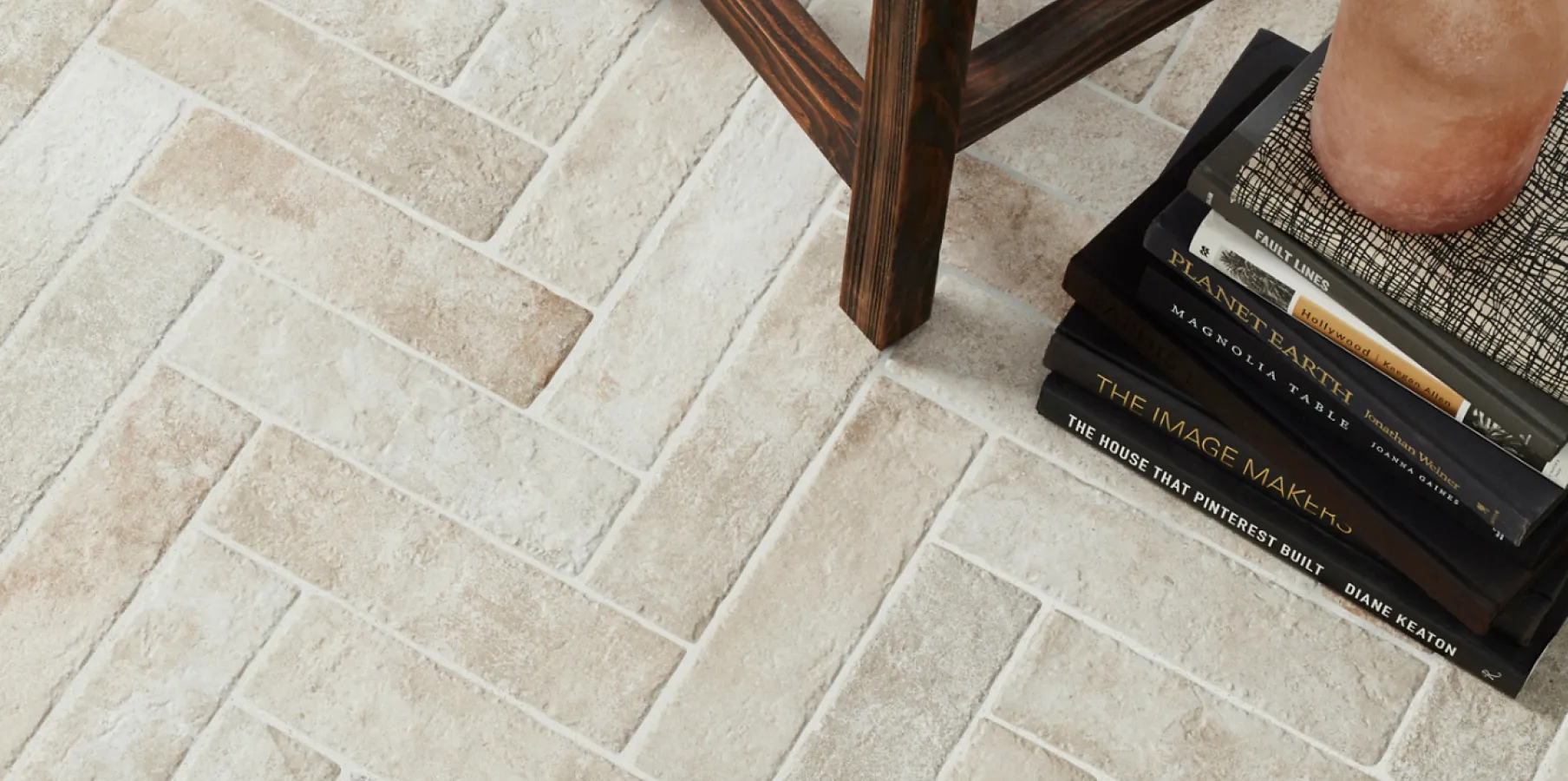
The Tile Shop
Cream bricks, with their soft, off-white shades, are perfect for an elegant, understated interior atmosphere. They blend seamlessly with various architectural styles.
Factors Influencing Brick Color Selection
Interior Style
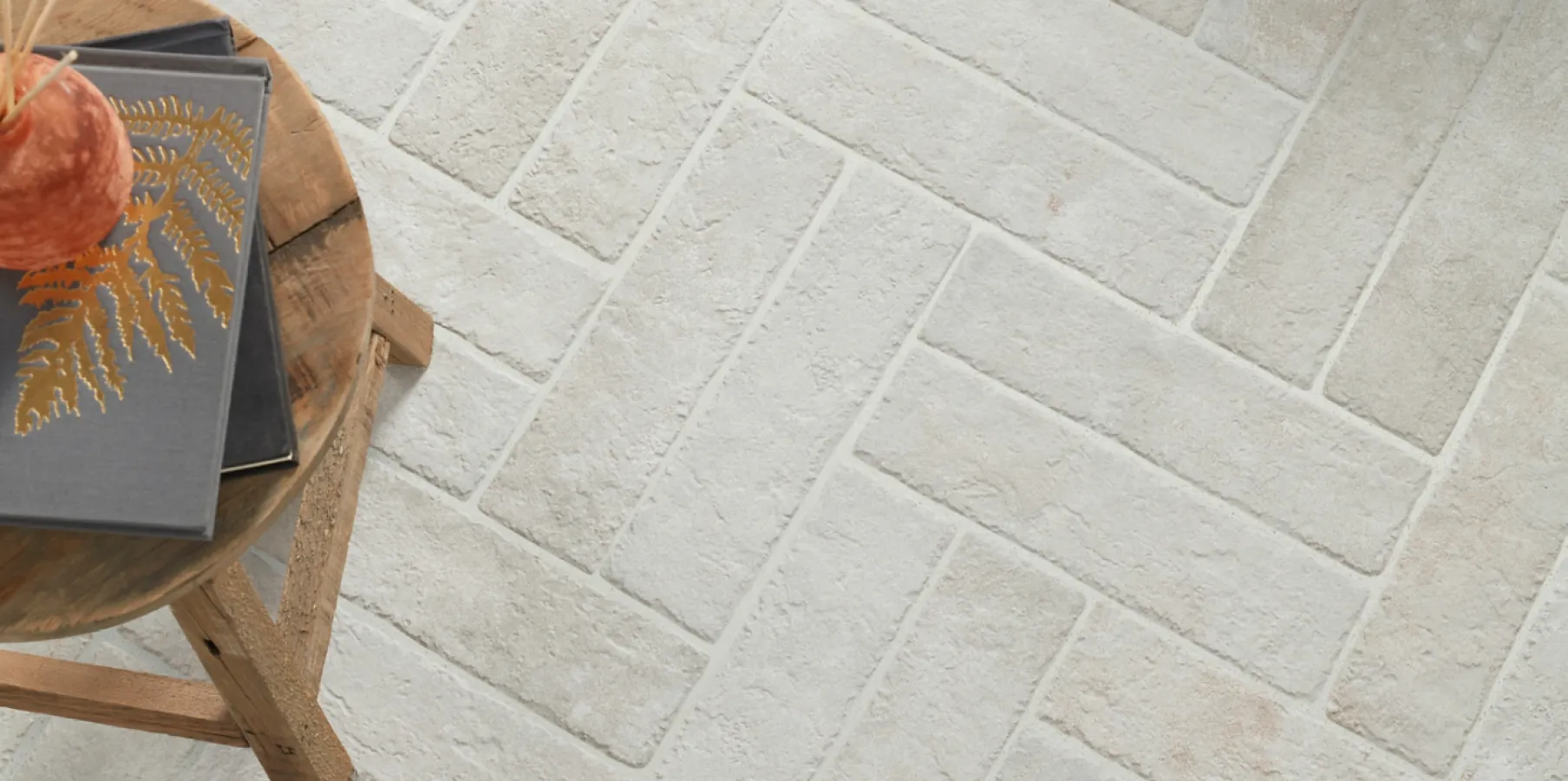
The Tile Shop
The choice of brick color is deeply intertwined with the interior style of a space. Red bricks, with their classic and warm tones, are a popular choice for traditional or colonial-style designs. They bring a sense of warmth and timelessness, making them ideal for creating cozy, rustic living rooms or spaces that aim to evoke a sense of history and tradition. On the other hand, gray or cream bricks align well with contemporary or minimalist architecture. These colors offer a more neutral palette, lending a sleek and modern look. For example, gray bricks can contribute to a loft apartment's industrial, urban feel, complementing minimalist decor and open space. Cream bricks, softer in hue, can help create a lighter, more airy atmosphere, suitable for spaces that seek a modern yet inviting ambiance. The choice of brick color should align with the overall design vision, enhancing the architectural and interior elements of the space.
Lighting
The influence of lighting on brick colors is substantial. Natural light, for example, can significantly enhance or alter the appearance of brick hues. Depending on the intensity and angle of the light, it can make specific colors appear more vivid or muted. Artificial lighting, such as LED or incandescent bulbs, can also affect how brick colors are perceived. This factor is essential, as the same brick color can look different under various lighting conditions, impacting the space's overall aesthetic.
Color Scheme
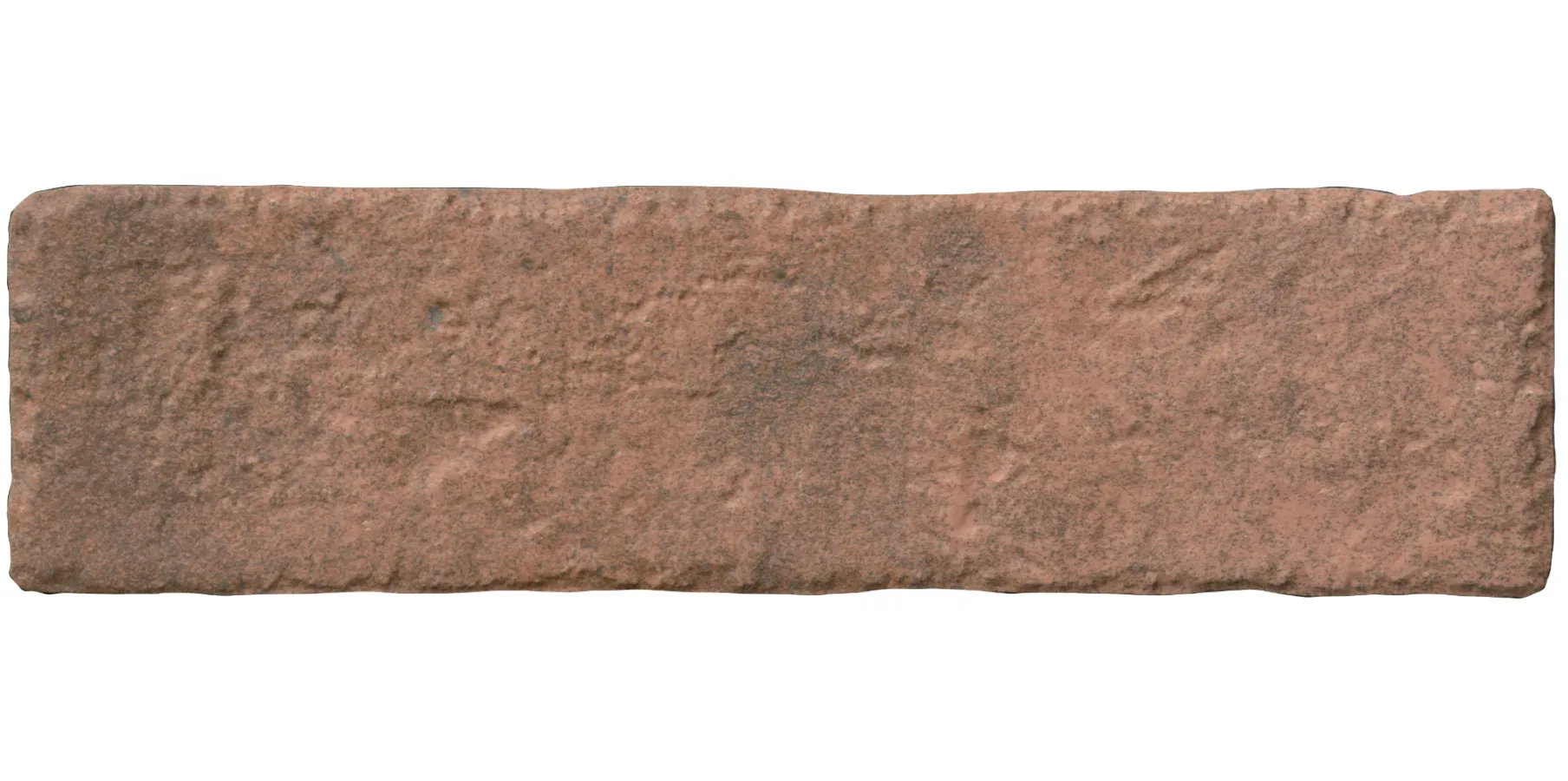
The Tile Shop
An interior space's existing color scheme and décor are key considerations when selecting a brick color. Choosing a brick color complements the room's current palette and creates a harmonious and aesthetically pleasing environment. This involves considering wall colors, flooring, and furniture hues. Depending on the desired effect, a well-chosen brick color can create a subtle backdrop or a striking focal point. It’s important to strike a balance that enhances the room's overall design without overwhelming it.
Texture
The texture of interior bricks can range from highly smooth to richly textured. This variation in texture adds a tactile dimension to the visual appeal of the space. Smooth bricks offer a more modern, sleek look, while textured bricks can impart a rustic or traditional feel. The choice of texture should complement the interior design style of the room. For instance, a room with a contemporary design might benefit from smoother bricks, while a room aiming for a cozy, traditional feel might be better suited with textured bricks.
Personal Preference
Ultimately, the selection of interior brick colors is guided by personal taste and style preferences. Each individual has unique preferences for color, texture, and overall aesthetic. These preferences should be considered alongside practical aspects like lighting and color schemes. The choice should reflect the personality and lifestyle of the occupants, ensuring that the space feels personal and inviting. This personal touch is what makes a space truly feel like home.
Customization and Beyond
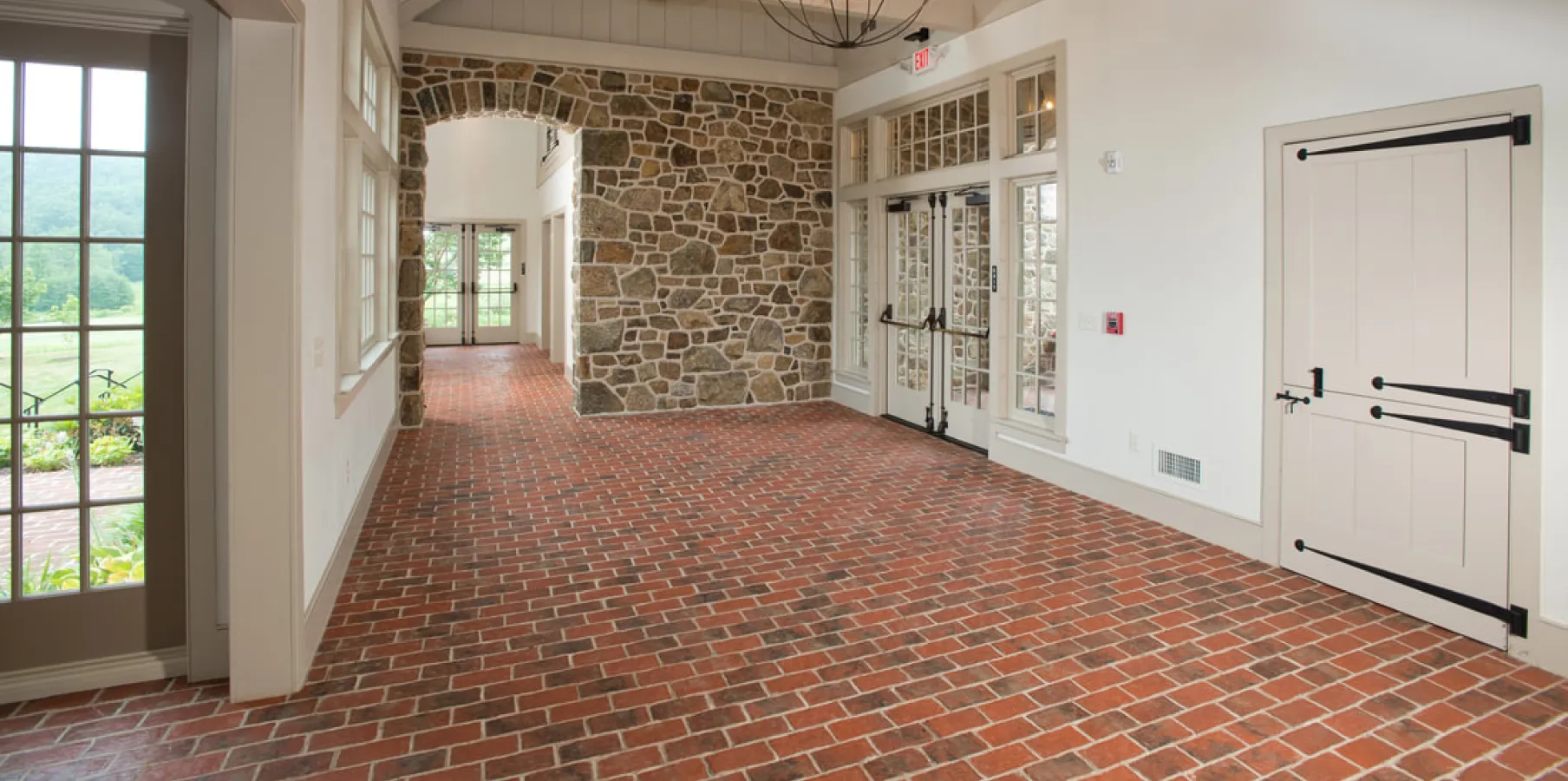
Inglenook Tile Design
Modern manufacturing techniques allow for customized brick colors, enabling interior designers to create unique and tailored looks for indoor spaces. This level of customization offers endless possibilities for achieving specific design goals in residential interiors.
In conclusion, brick colors are functional and a key artistic element in interior design. They can transform indoor spaces, adding character, warmth, or a contemporary edge. Whether you choose the traditional warmth of red bricks, the modern appeal of gray bricks, or any other color, brick colors offer a versatile palette for interior designers and homeowners to create distinctive and visually appealing indoor environments.
Keep reading
More on Brick


