
Wire Cut, Tumbled, or Used Brick: Which Suits Your Reno?
When considering a brick type for your renovation, the type you choose can significantly impact your project's look, feel, and structural integrity. Different types of bricks bring distinct characteristics, aesthetics, and functional benefits. Let’s take a closer look at three popular types of bricks: wire cut, tumbled, and used brick.
Wire Cut Bricks
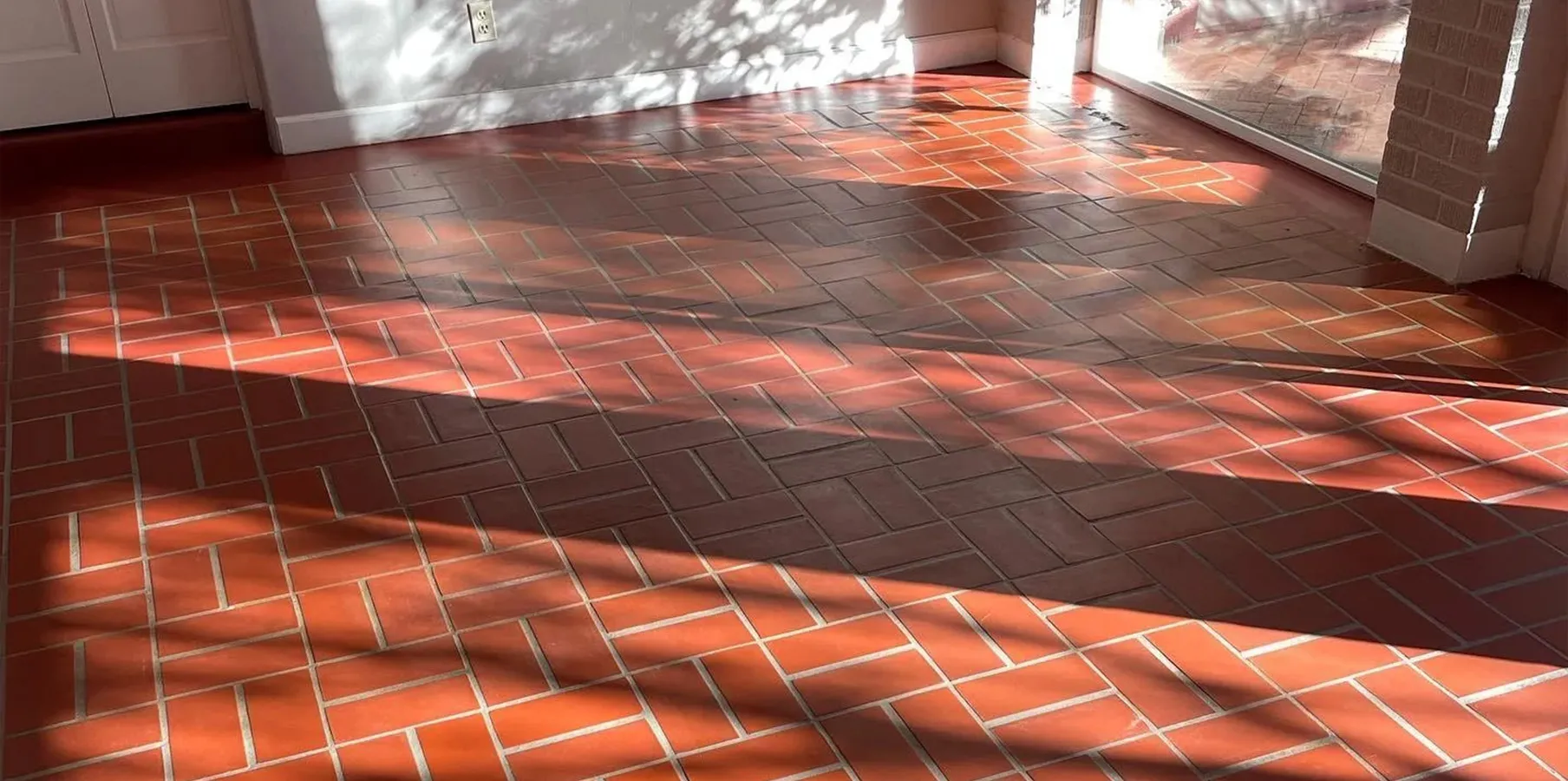
Wire-cut bricks are produced using a modern manufacturing method that involves shaping clay into a continuous column and then sliced into individual bricks using taut wires. This process results in bricks with a clean, precise appearance, characterized by their uniform shape and size, thanks to the wire-cutting process that ensures consistent dimensions, making them easier to work with during construction.
Depending on the manufacturer, they can come with either a smooth or textured finish, adding visual interest. Additionally, these bricks are available in various colors, from warm reds and browns to cool greys and blacks, with the color influenced by the type of clay used or added pigments.
There are several benefits to using wire-cut bricks. Their uniformity in size and shape allows for simpler, faster installation, which can be a significant advantage in renovation or construction projects. They are also known for their durability, as modern production techniques create strong bricks capable of withstanding a range of environmental conditions. Wire-cut bricks are versatile and suitable for both load-bearing and non-load-bearing applications.
There are a few drawbacks to consider. Wire-cut bricks may not be the best fit if you're looking for an aged or rustic appearance unless they undergo special treatments. Higher quality wire cut bricks can also be more expensive than traditional, handmade options, which may impact project budgets.
Tumbled Bricks
Brick Veneer
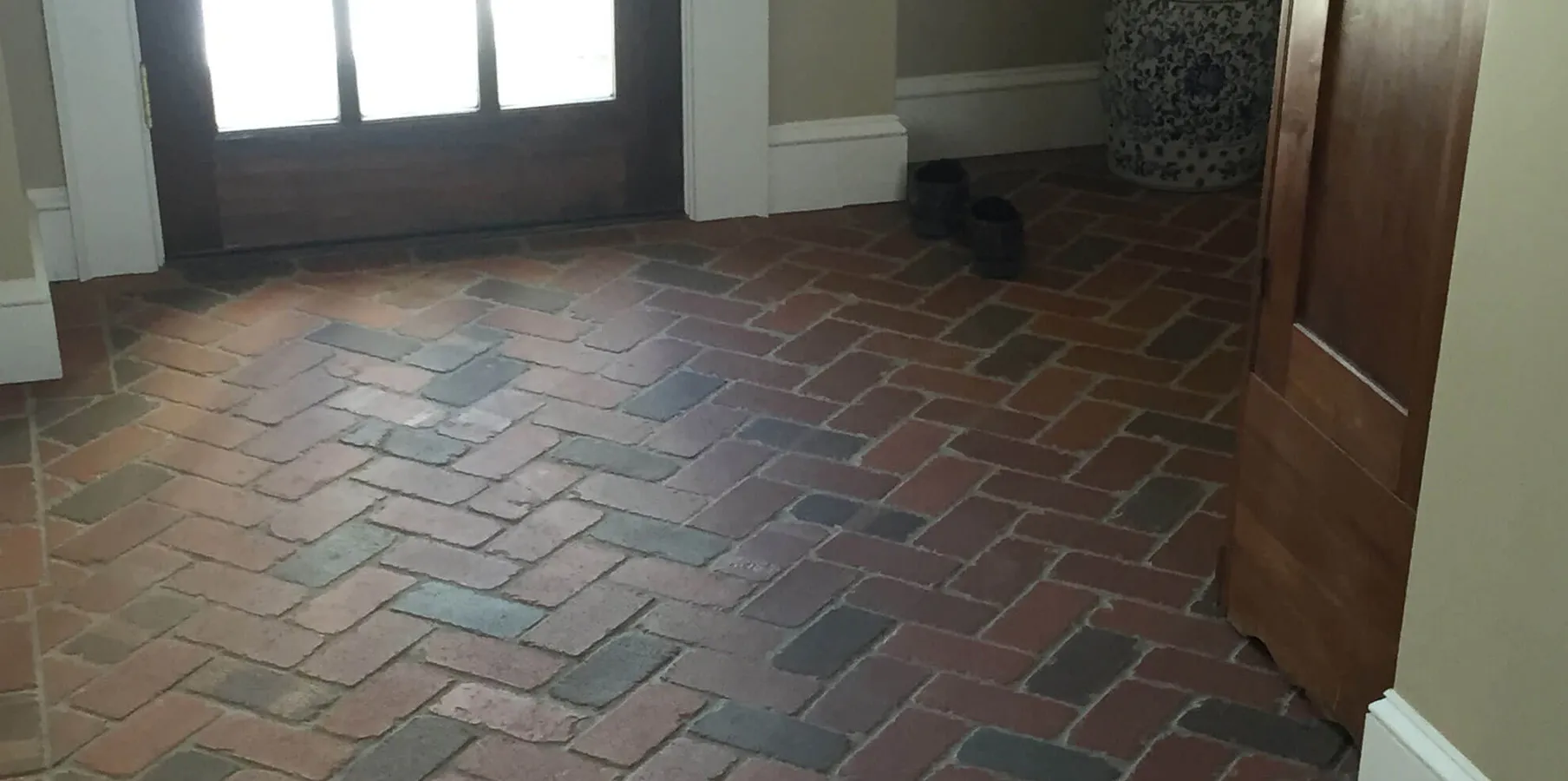
Tumbled bricks go through a unique process where they are placed into a large rotating drum or similar tumbling mechanism after initial forming and drying. This step softens the edges, giving the bricks a worn, weathered appearance miming the charm of aged, reclaimed bricks.
These bricks have distinct characteristics. The tumbling process breaks down sharp edges, resulting in a rough, antique appearance. They often feature natural color and shape variations, adding to their rustic appeal. Tumbled bricks also typically have a matte, muted finish that sets them apart from polished or glazed bricks.
There are several advantages to using tumbled bricks. The process creates an authentic aesthetic, making these bricks perfect for projects that aim to replicate historic or vintage styles. Their imperfections and color variations can create unique and visually interesting brickwork patterns. Additionally, they blend well with other types of aged or reclaimed materials, offering flexibility in design.
However, there are a few downsides. The inconsistency of tumbled bricks, while adding to their character, can make precise installation more challenging. Also, the additional tumbling process can increase their cost, making them pricier than standard, machine-made options.
Tumbled bricks are often chosen for projects that seek a more traditional or old-world look, such as cottages, farmhouses, garden walls, and architectural accents.
Used (Reclaimed) Bricks
Brick America
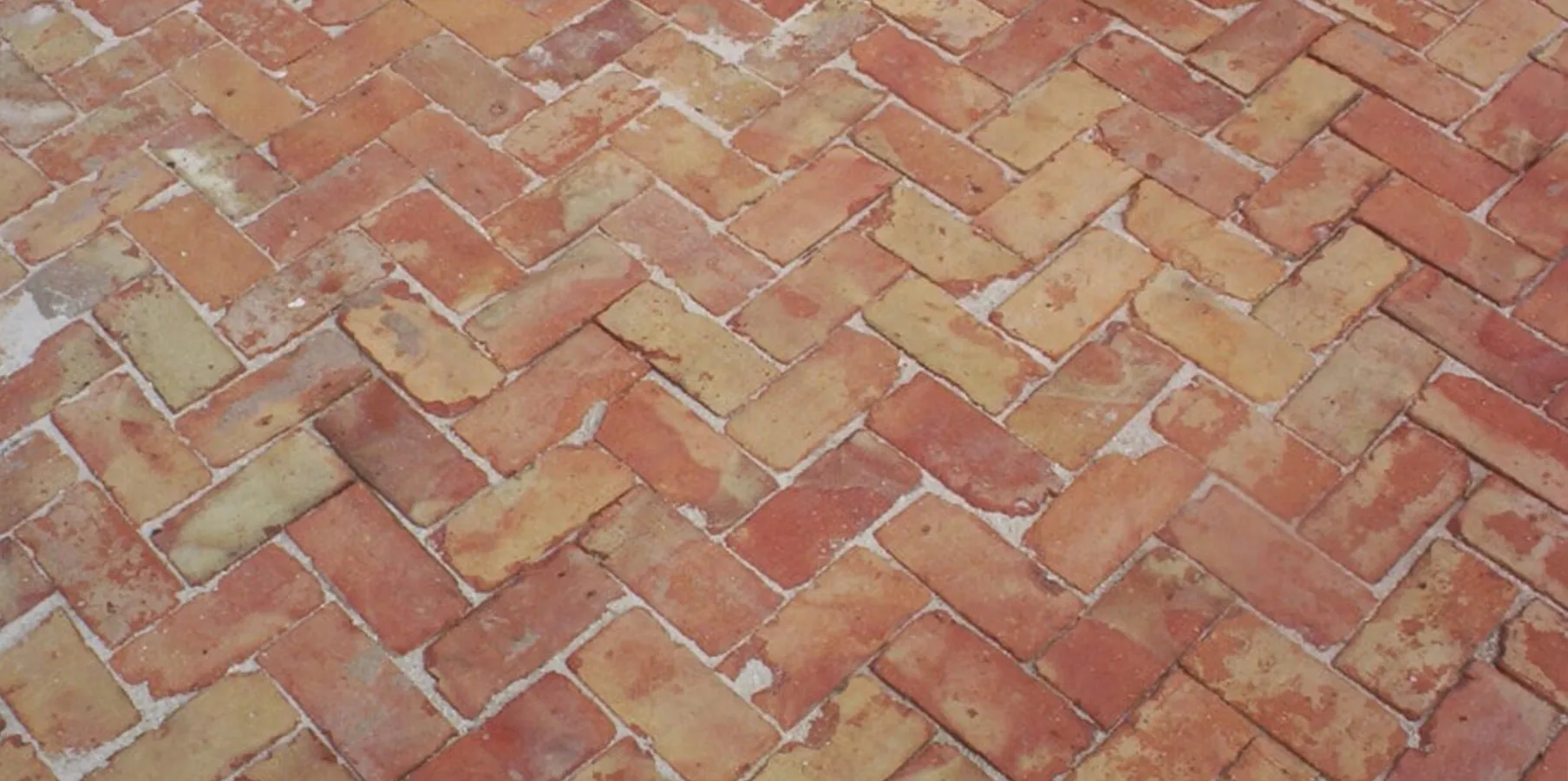
Used or reclaimed bricks are salvaged from old buildings and repurposed for new projects, offering an environmentally friendly choice that adds a rich, historical touch to any structure.
These bricks are characterized by their aged appearance, showing signs of wear such as chips, patina, and color fading, which tell the story of their past use. They often come in varied sizes and shapes due to original production standards and years of use, leading to a lack of uniformity. Cracks, color variations, and natural weathering contribute to their unique and distressed look.
The benefits of using reclaimed bricks are notable. They are a sustainable choice, as they prevent usable materials from being discarded in landfills. Each brick carries a story, adding depth and personality to any project. Additionally, these bricks are often highly durable, having already proven their strength over time and capable of performing well for many more years.
However, there are some downsides to consider. Availability can be challenging, especially for large projects, and matching the appearance can be difficult if more bricks are needed later. Their inconsistent sizes can make installation more labor-intensive, and despite being second-hand, reclaimed bricks can sometimes come with a higher cost per unit due to their unique characteristics and the required sourcing effort.
Reclaimed bricks are ideal for accent walls, fireplaces, patios, and other projects that benefit from an authentic, aged aesthetic. They are also popular for heritage restorations and custom builds where historical accuracy is a priority.
Choosing the Right Brick for Your Project
When selecting the type of brick for your project, consider factors such as budget, desired aesthetic, and ease of installation. Wire cut bricks are ideal for modern, uniform designs, while tumbled bricks offer an artisanal touch. Used bricks are unmatched when it comes to charm and sustainability but may require more work to incorporate seamlessly.
Each type of brick has its unique advantages, and understanding these can help ensure that your project turns out exactly as you envision it. Whether you're building from scratch or renovating with a vintage flair, choosing the right type of brick will set the foundation for a beautiful and durable result.
Keep reading
More on Brick


