Alside
Vinyl Window Colors: How to Pick the Perfect Shade
Alside
When choosing vinyl windows, color plays a significant role in enhancing your home’s design. The right shade can complement your exterior materials, highlight architectural details, or create a striking contrast for a more modern look. Whether you want your windows to stand out or subtly integrate into the design, selecting the right color ensures they contribute to your home's overall visual balance and curb appeal.
Standard Vinyl Window Color Options
Vinyl windows are made from polyvinyl chloride (PVC), a durable and low-maintenance material that doesn’t require painting. The color is typically integrated into the material during manufacturing, so it won’t peel or chip over time. While this ensures long-term durability, it also means that vinyl colors are limited to those extensively tested for performance under different weather conditions.
Several factors contribute to this limitation:
- Heat Absorption and Warping: Darker colors absorb more heat, which can cause vinyl to expand and contract excessively. Over time, this movement can lead to warping. To minimize this risk, manufacturers typically stick to lighter, heat-reflective colors.
- Color Stability: The color in standard vinyl windows is embedded rather than applied as a surface treatment, so it cannot be repainted or touched up. Manufacturers select colors that will maintain their appearance for years without fading or discoloration.
- Cost and Production Efficiency: A limited color palette streamlines production and decreases costs. Expanding the standard color selection would require additional material testing and specialized manufacturing processes, which could make vinyl windows more expensive.
Expanding Color Options with Laminating and Hot-Stamping

Jeld Wen
If you’re looking for vinyl windows in a broader range of colors, laminating or hot-stamping may be the solution. These processes allow for darker tones, woodgrain finishes, and even metallic looks without sacrificing durability.
- Laminating: This involves applying a durable, color-stable film to the surface of the vinyl. The laminate layer can be designed to mimic wood textures or provide deep, rich colors that wouldn’t be feasible with standard vinyl extrusion. Laminated finishes also add a layer of protection against UV exposure and surface wear.
- Hot-Stamping: This process uses heat and pressure to bond a thin decorative film onto the vinyl surface. The film can include intricate patterns, metallic finishes, or non-standard colors. Since hot-stamped finishes are applied after the initial extrusion, they provide more flexibility in design choices.
How to Choose the Best Vinyl Window Color for Your Home
Since customization is limited, choosing a color that works well with your home’s exterior and remains appealing over time is important. This means thinking beyond just personal preference and considering long-term factors such as how the color will complement other exterior elements, whether it will enhance your home’s curb appeal, and how it will age under exposure to sunlight and weather changes. The right choice will ensure that your windows look great and require minimal maintenance.
- White and Off-White: These are the most common colors for vinyl windows because they complement almost any architectural style and don’t absorb too much heat. They also offer a timeless look that won’t go out of style.
- Beige and Tan: If you want something softer than stark white, neutral earth tones provide warmth and blend well with brick, stucco, and stone exteriors.
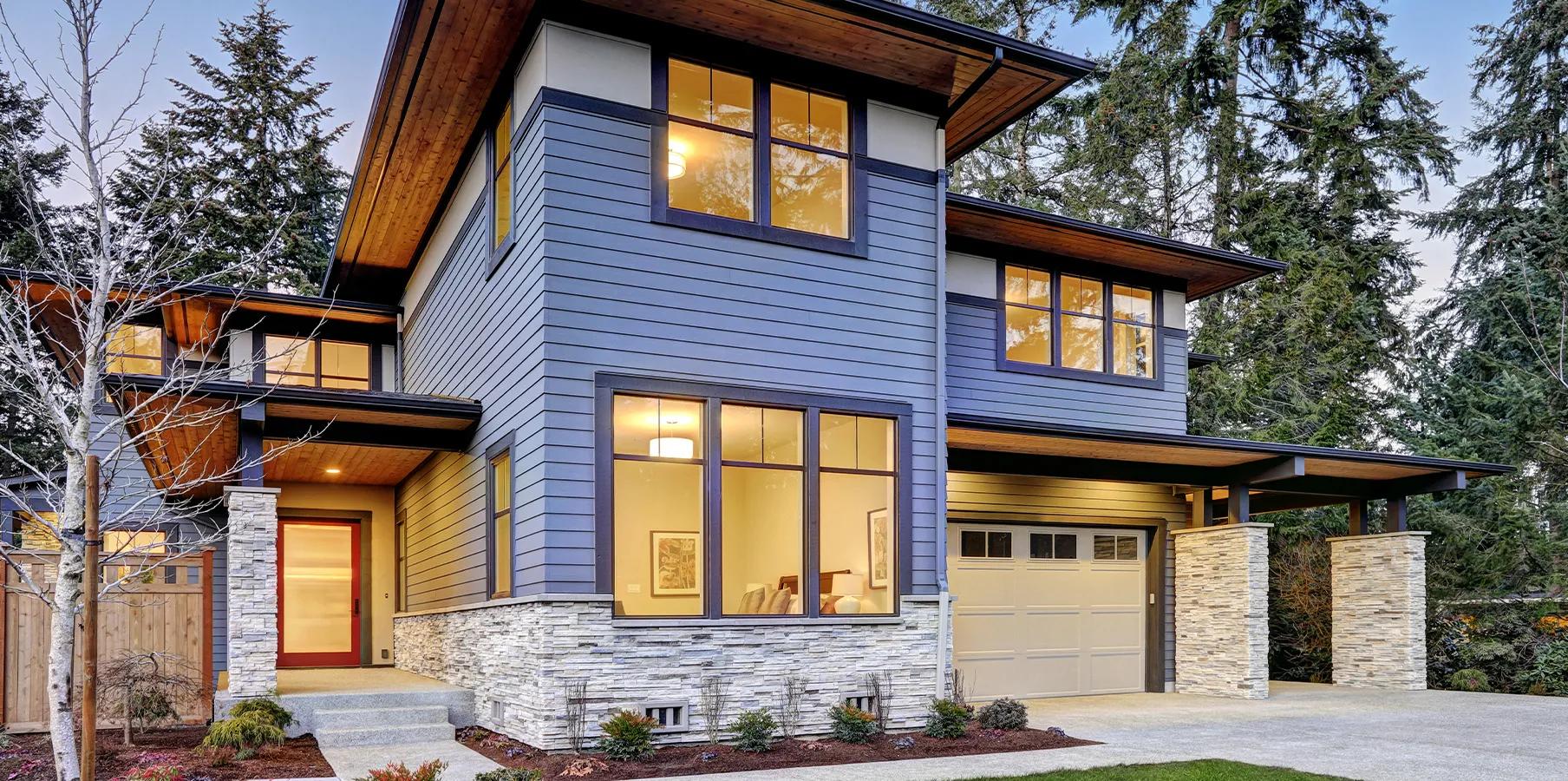
- Gray and Black (if available): Some manufacturers offer darker colors with special heat-reflective coatings to prevent warping. Gray or black windows can provide a striking contrast if your home has a modern or contemporary style.
- Two-Tone Options: Some companies offer windows with a white interior and a colored exterior, allowing you to get a more customized look while maintaining a neutral indoor finish.
Additional Considerations

Milgard Windows
When selecting a color, it’s also essential to consider external factors that might influence your decision. Homeowners' associations may have rules about what colors you can use and resale value can be impacted by how universally appealing your choice is. Additionally, the surrounding materials of your home—such as siding, roofing, and trim—should all be considered to ensure a cohesive and attractive exterior appearance.
- HOA or Local Regulations: If you live in a neighborhood with a homeowners' association, check for window color restrictions.
- Resale Value: Neutral colors have a broader appeal and won’t deter future buyers who might prefer a different palette.
- Surrounding Elements: Consider the color of your home’s siding, roof, and trim to ensure a cohesive look.
If your heart is set on a specific color that isn’t available in factory vinyl, you might explore hybrid options like vinyl-clad wood windows or look for manufacturers that offer specialty coatings like laminate. Otherwise, choosing a classic, neutral shade ensures durability and long-term satisfaction without maintenance headaches.
Keep reading
More on Windows