Staining vs Painting Wood Windows: Choosing the Best Finish
Choosing between staining and painting your wood windows depends on several factors, including aesthetics, maintenance, durability, and the design style of your home. Both options offer unique benefits and potential drawbacks, so understanding these aspects will help you make the best decision for your windows.
Aesthetic Considerations
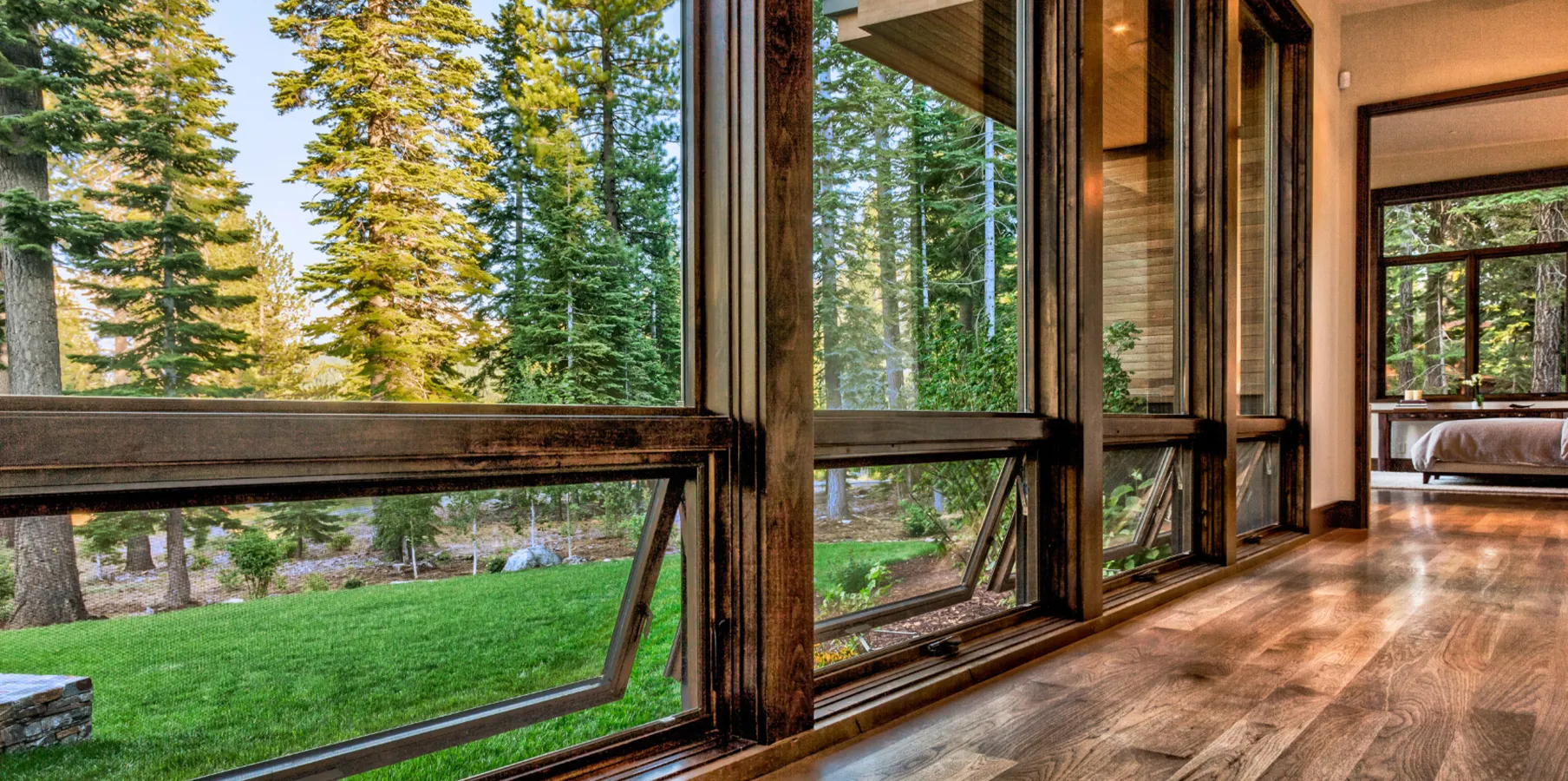
Stain enhances the natural beauty of the wood, showcasing its grain and texture. This option is best if you appreciate the warmth and richness of natural wood tones. Stains come in a range of shades, from light oak to deep walnut, allowing you to customize the look while maintaining the organic appearance of the material. Stained wood windows tend to complement traditional, rustic, or Craftsman-style homes.
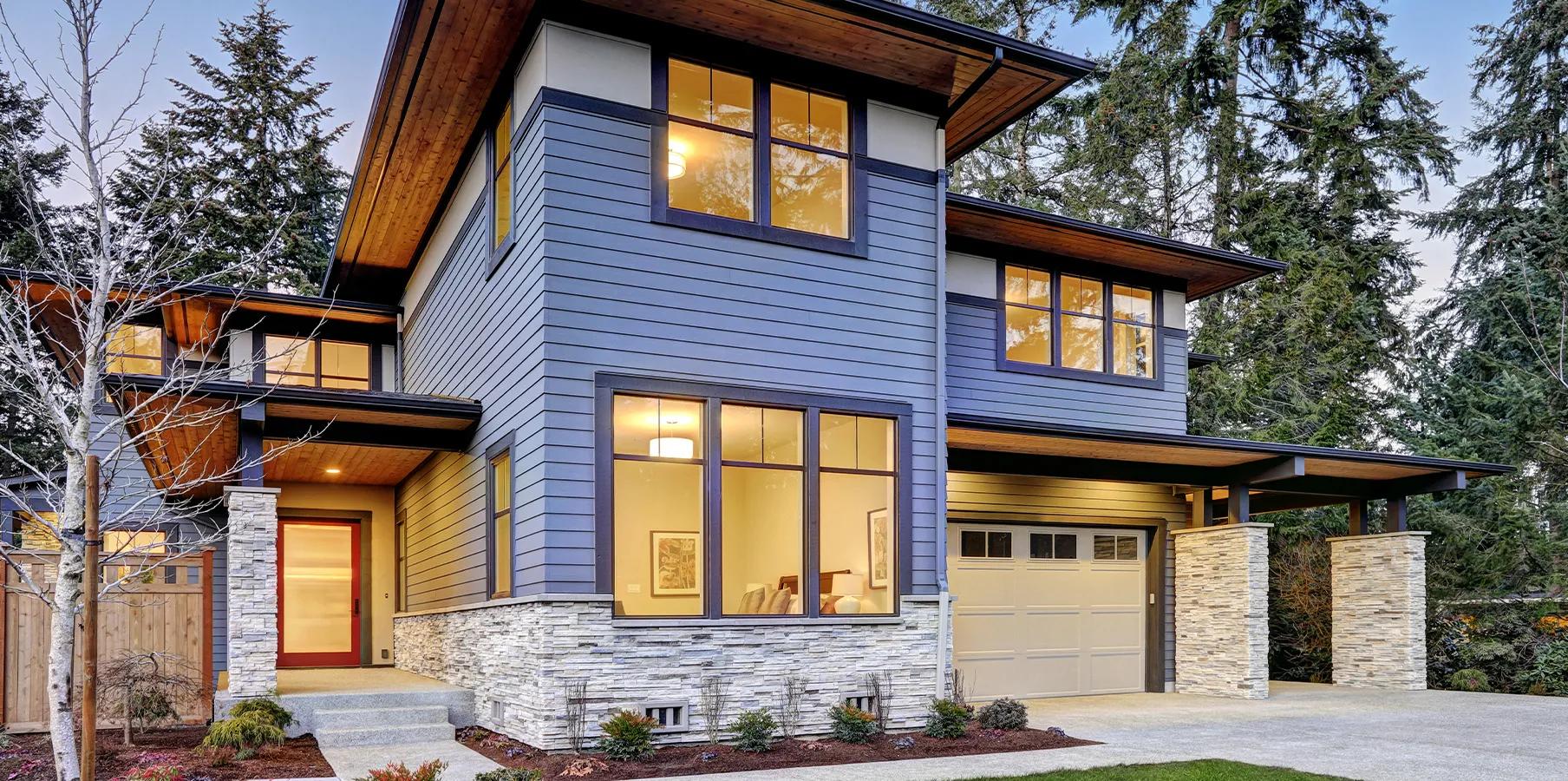
Paint provides a smooth, uniform appearance and offers more color flexibility. You can match or contrast your windows with the rest of your home’s trim, interior walls, or exterior siding. This option is ideal if you want a clean, modern, or classic look that isn’t tied to the natural characteristics of the wood. Painted wood windows are common in Colonial, contemporary, and farmhouse-style homes.
Maintenance and Durability
Weather Shield
Stained wood windows require periodic maintenance, including reapplying a protective clear coat every few years to prevent fading and moisture damage. While stains penetrate the wood, they don’t create a thick barrier like paint, so the wood is more exposed to wear and tear over time.
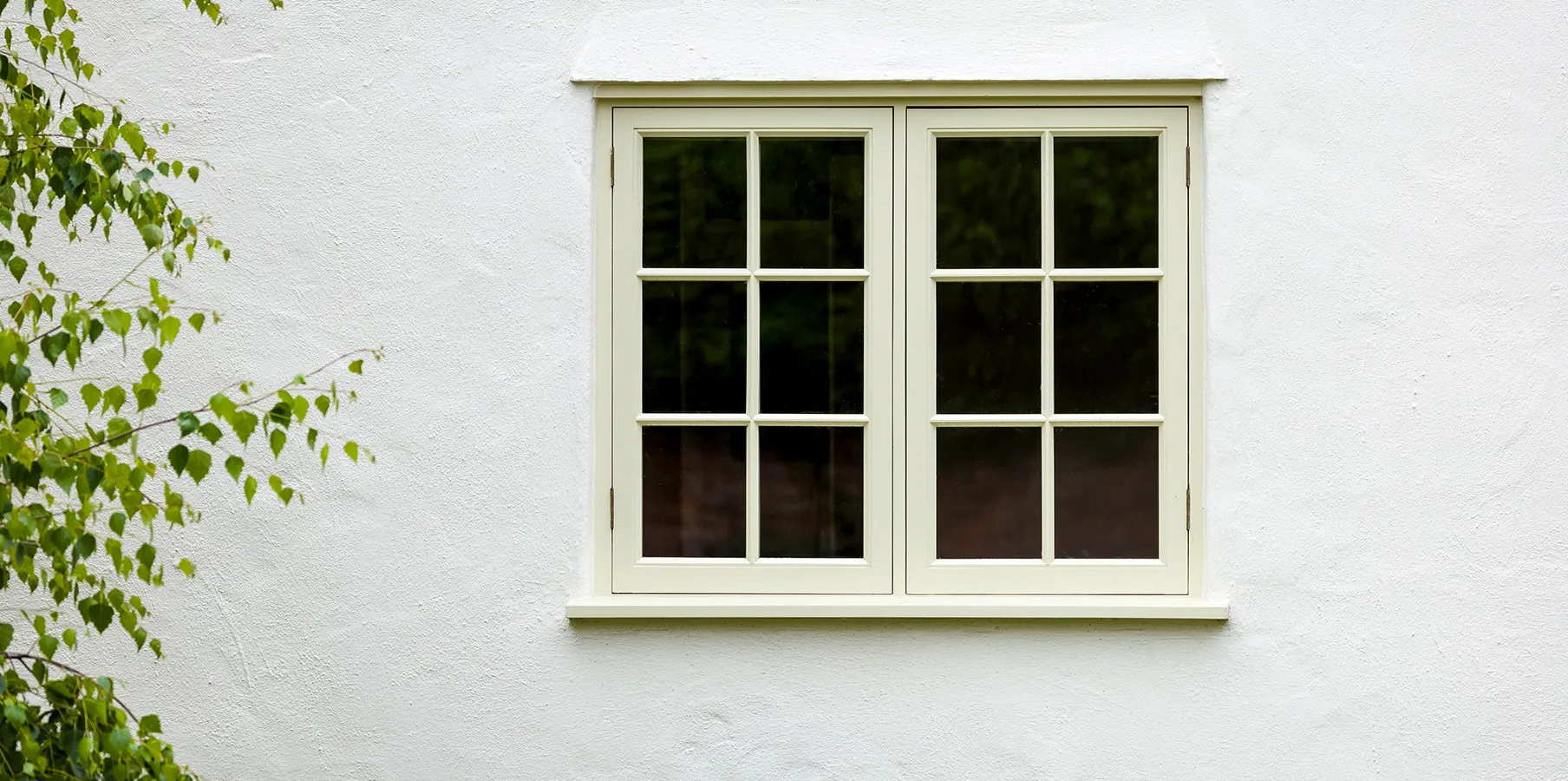
Painted wood windows offer a protective layer that seals the wood, making them more resistant to moisture, UV exposure, and general wear. However, paint can chip or peel over time, requiring occasional sanding and repainting to maintain a fresh appearance. High-quality paint and proper preparation can extend the longevity of a painted finish.
Cost and Application
Staining typically requires more preparation work, including sanding and conditioning the wood for even absorption. The stain cost is usually lower than high-quality paint, but because multiple coats of stain and sealer are often needed, the labor costs can be higher.
Painting wood windows may require priming, especially if the wood has knots or imperfections. While premium paint costs more, it provides long-lasting coverage and protection. Labor costs for painting can be comparable to staining, but painting may take longer due to drying time between coats.
Longevity and Environmental Factors
In regions with high humidity or extreme sunlight, stained windows may require more frequent reapplication of sealant to prevent fading or warping. Stains generally work best in climates where wood can breathe without excessive exposure to moisture.
Paint is better in extreme weather conditions, particularly in areas with heavy rain, snow, or intense sun. It provides an added layer of defense against the elements, reducing the likelihood of water infiltration and wood decay.
Making Your Decision
- Choose a stain if you want to highlight the natural wood grain and are willing to maintain the finish periodically.
- Choose paint if you prefer a solid, customizable color that offers stronger protection against the elements and requires less frequent maintenance.
Ultimately, the right choice depends on your preference, home style, and how much upkeep you’re comfortable with. Whether you choose to stain or paint, proper preparation and quality materials will ensure that your wood windows remain beautiful and durable for years.
Keep reading
More on Windows


