Oatey
Kitchen Drain Pipes: Best Materials, Install & Care Tips
Oatey
Drain pipes are crucial to any kitchen plumbing system, effectively managing wastewater disposal. Their role in maintaining hygiene and preventing water damage in the kitchen is indispensable. Understanding how drain pipes work, the materials used, and the essential aspects of their installation and maintenance provides valuable insight into kitchen plumbing health.
Key Functions of Kitchen Drain Pipes
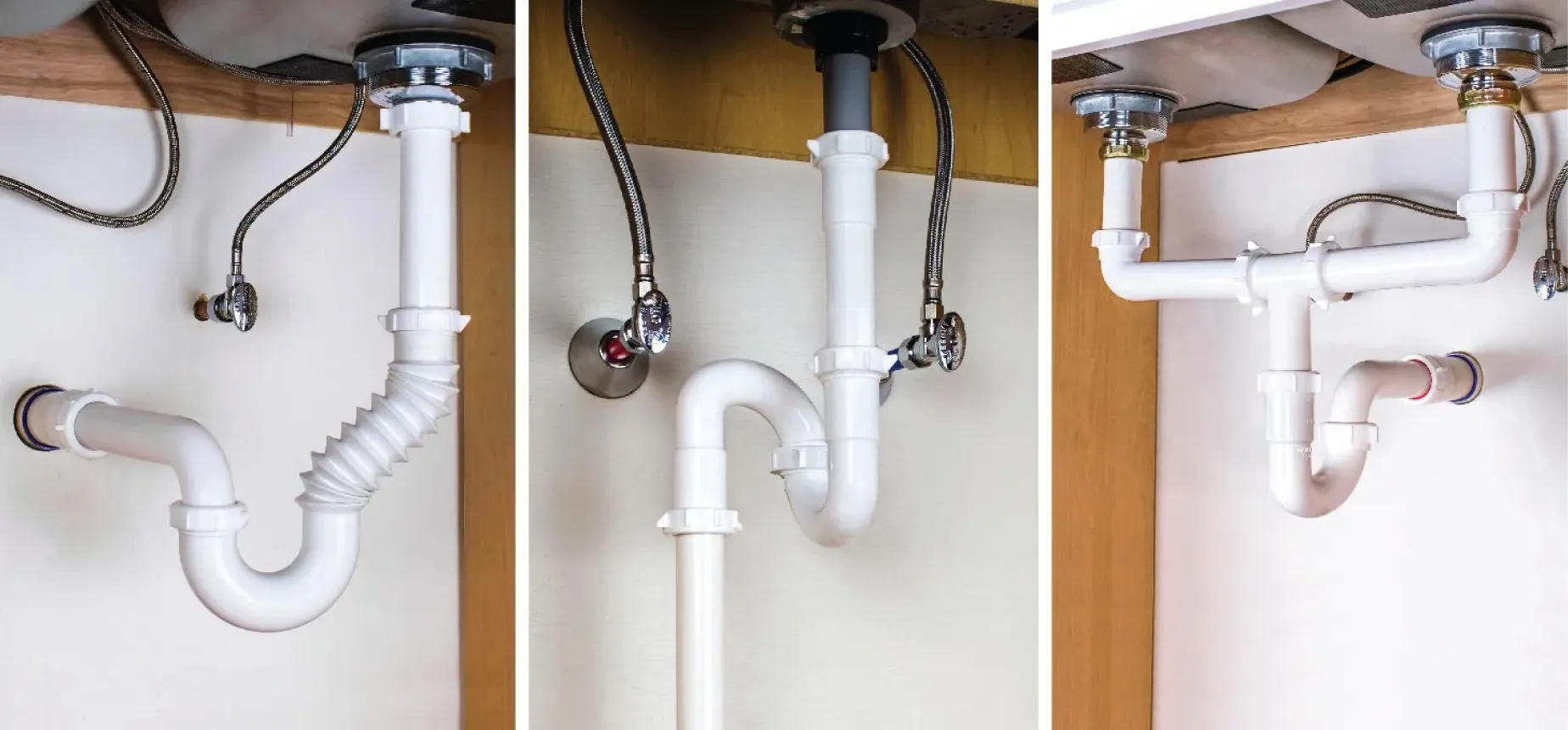
Sink Drainage: The primary role of drain pipes in the kitchen is to carry wastewater away from the sink. After culinary tasks like washing dishes, rinsing food, or cleaning, the used water flows down the sink drain into these pipes.
Dishwasher Drainage: Modern kitchens typically include dishwashers, which are also connected to the drain system. After each wash cycle, the used water drains out of the dishwasher through a separate line that merges with the main kitchen drain pipe.
Garbage Disposal Drainage: Drain pipes play an additional role in kitchens equipped with garbage disposal. They transport the waste processed by the disposal unit away from the sink, helping prevent clogs and maintain a clean kitchen environment.
Materials Used in Drain Pipes
The choice of material for drain pipes is critical, impacting the system’s durability, functionality, and maintenance requirements.
PVC Pipes
Charlotte Pipe
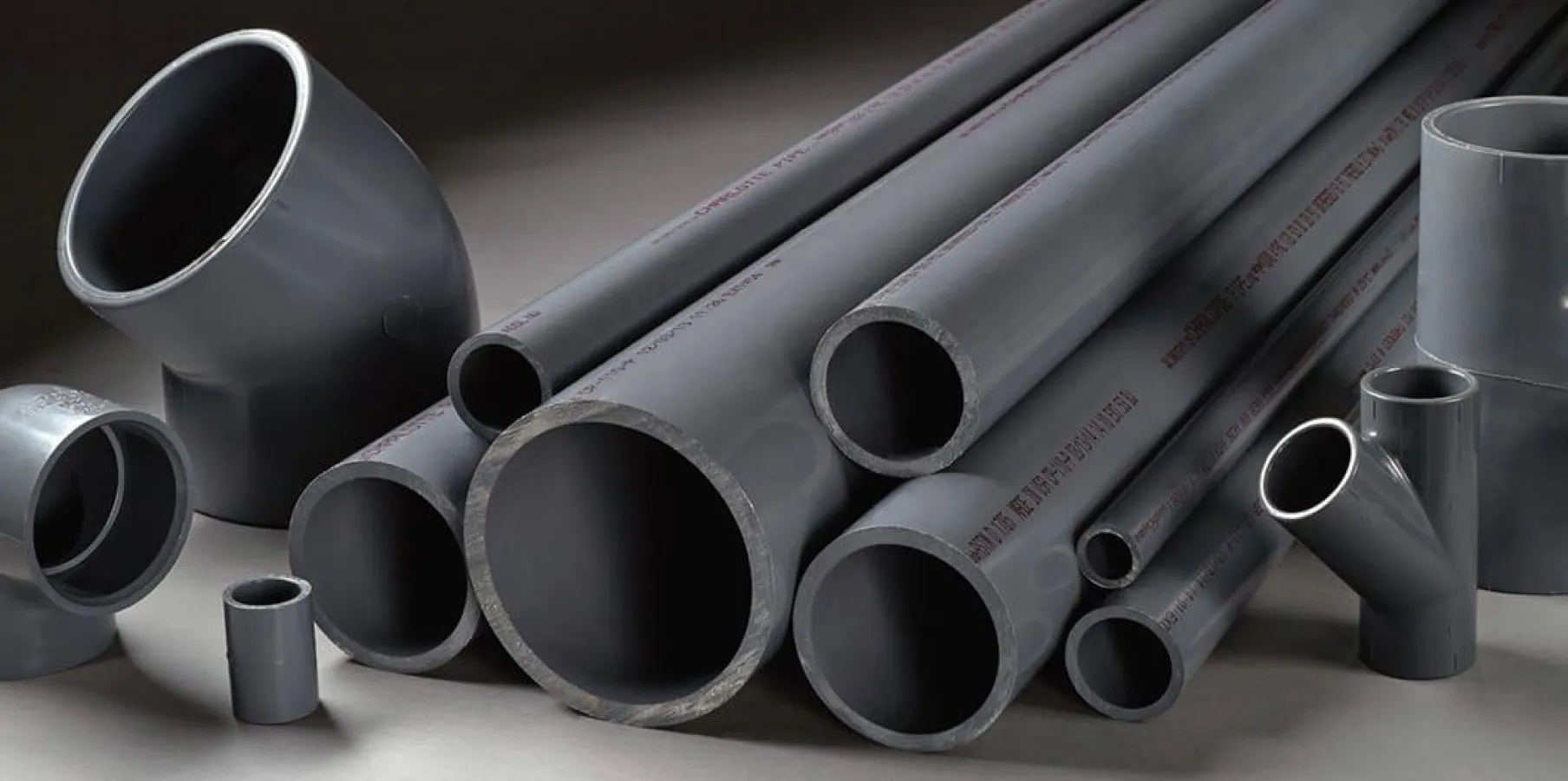
PVC (Polyvinyl Chloride) pipes have become a staple in modern kitchen drain systems, largely due to their numerous beneficial properties. These pipes are particularly favored for their corrosion resistance, which is a critical factor in the longevity and reliability of kitchen plumbing. Unlike metal pipes, PVC does not rust or corrode over time, even when exposed to the harsh chemicals often found in wastewater and cleaning agents. This resistance ensures a longer lifespan for the plumbing system and reduces the likelihood of leaks or failures that could lead to water damage.
The ease of installation is another significant advantage of PVC pipes. They are lightweight and can be easily cut to size and joined, making them a practical choice for new installations and renovations. The joints in PVC piping systems are usually sealed with solvent cement or push-fit fittings, simplifying the installation process compared to the soldering required for metal pipes. This accessibility makes PVC an appealing option for DIY enthusiasts and professional plumbers.
Affordability is a key factor in the widespread use of PVC pipes in kitchen drainage systems. PVC is significantly more cost-effective compared to materials like copper or cast iron. This affordability makes it an attractive option for large-scale projects or homeowners working within a tight budget.
PVC pipes are known for their versatility and compatibility with various kitchen fixtures. They can be easily connected to sinks, dishwashers, and garbage disposals, offering a cohesive solution for kitchen drainage needs. This compatibility extends to different fittings and adapters, making PVC pipes a flexible choice for customized kitchen layouts.
The smooth interior surface of PVC pipes also offers good flow characteristics. reducing the risk of clogs by minimizing friction and allowing wastewater to flow freely. This is particularly beneficial in kitchen environments where grease and food particles are common in the drain water.
While PVC pipes offer many advantages, they are unsuitable for high-temperature applications. In kitchen settings where hot water is frequently disposed of, it's important to ensure that the temperature does not exceed the recommended limits for PVC, as this could cause the pipes to soften and deform.
ABS Pipes
United Pipe & Steel
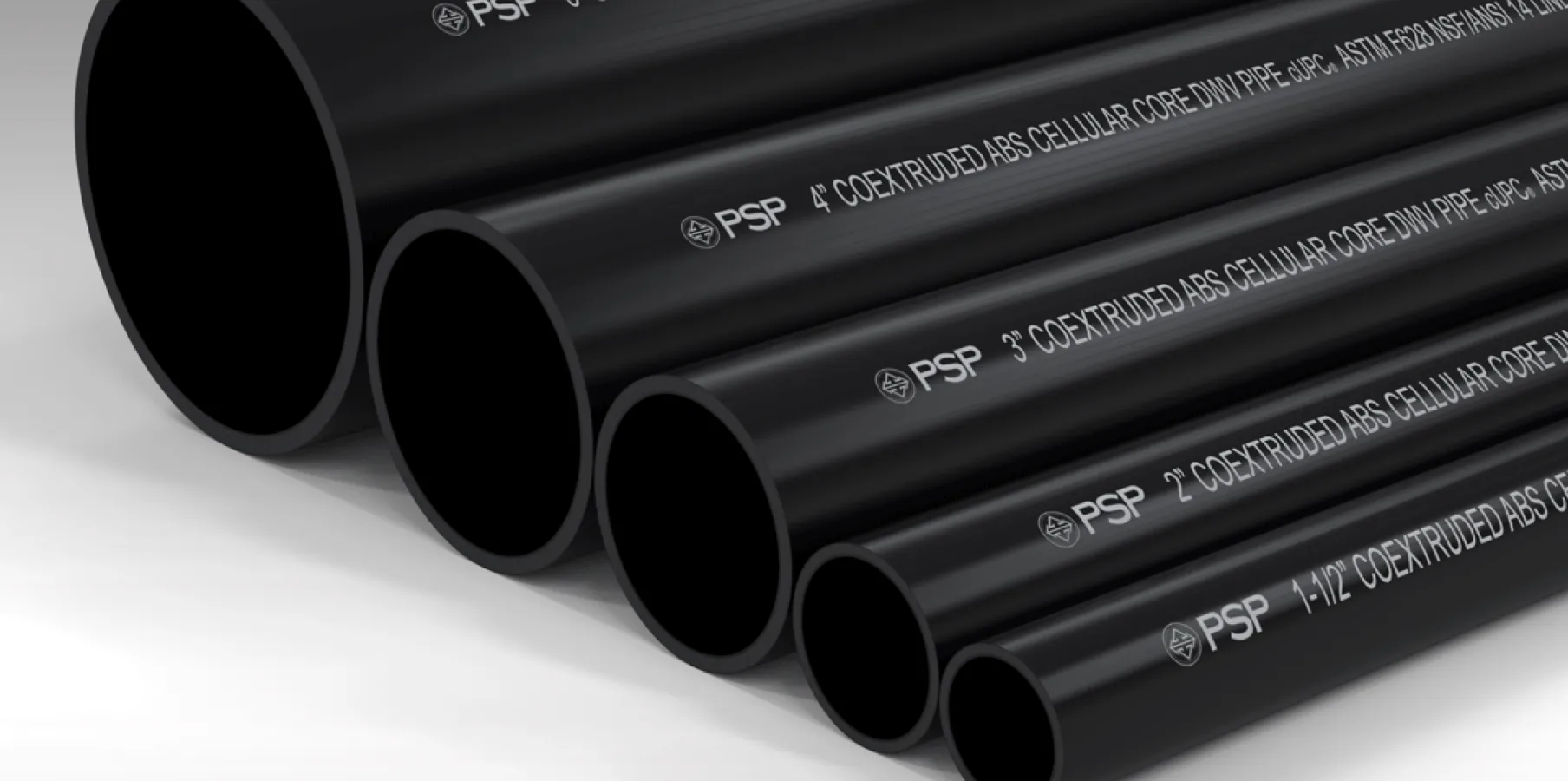
ABS (Acrylonitrile Butadiene Styrene) pipes are a highly regarded option in kitchen plumbing, particularly for drain systems. These pipes share several advantageous traits with PVC pipes but also possess unique characteristics that make them stand out as a preferred choice in certain situations.
One of the key attributes of ABS pipes is their robustness. Resistant to both physical impacts and the corrosive nature of kitchen wastewater, these pipes are designed to last for many years. This durability is essential in a kitchen setting, where the plumbing system is an integral part of daily activities and needs to remain reliable and functional over the long term.
ABS pipes are known for their ease of installation. They are lightweight, easy to handle, and can be cut and joined relatively easily, simplifying the installation process. This feature is particularly beneficial during kitchen renovations or repairs, where quick and efficient work is often required. The joints in ABS piping systems are usually welded with solvent, creating a strong and leak-proof bond.
The typical black color of ABS pipes offers a distinct aesthetic that can be advantageous in certain kitchen designs. When plumbing is partially exposed, its darker color can blend more seamlessly with the kitchen's overall design, providing a more cohesive and polished look.
ABS pipes share the corrosion-resistant quality of PVC, making them an excellent choice for draining various types of wastewater without the risk of rust or degradation. This corrosion resistance contributes to the longevity of the plumbing system and minimizes the need for frequent maintenance or replacement.
While ABS piping is not designed for extremely high temperatures, it generally can handle a slightly higher temperature range than PVC, making it more versatile for kitchen applications.
Cast Iron Pipes
Charlotte Pipe
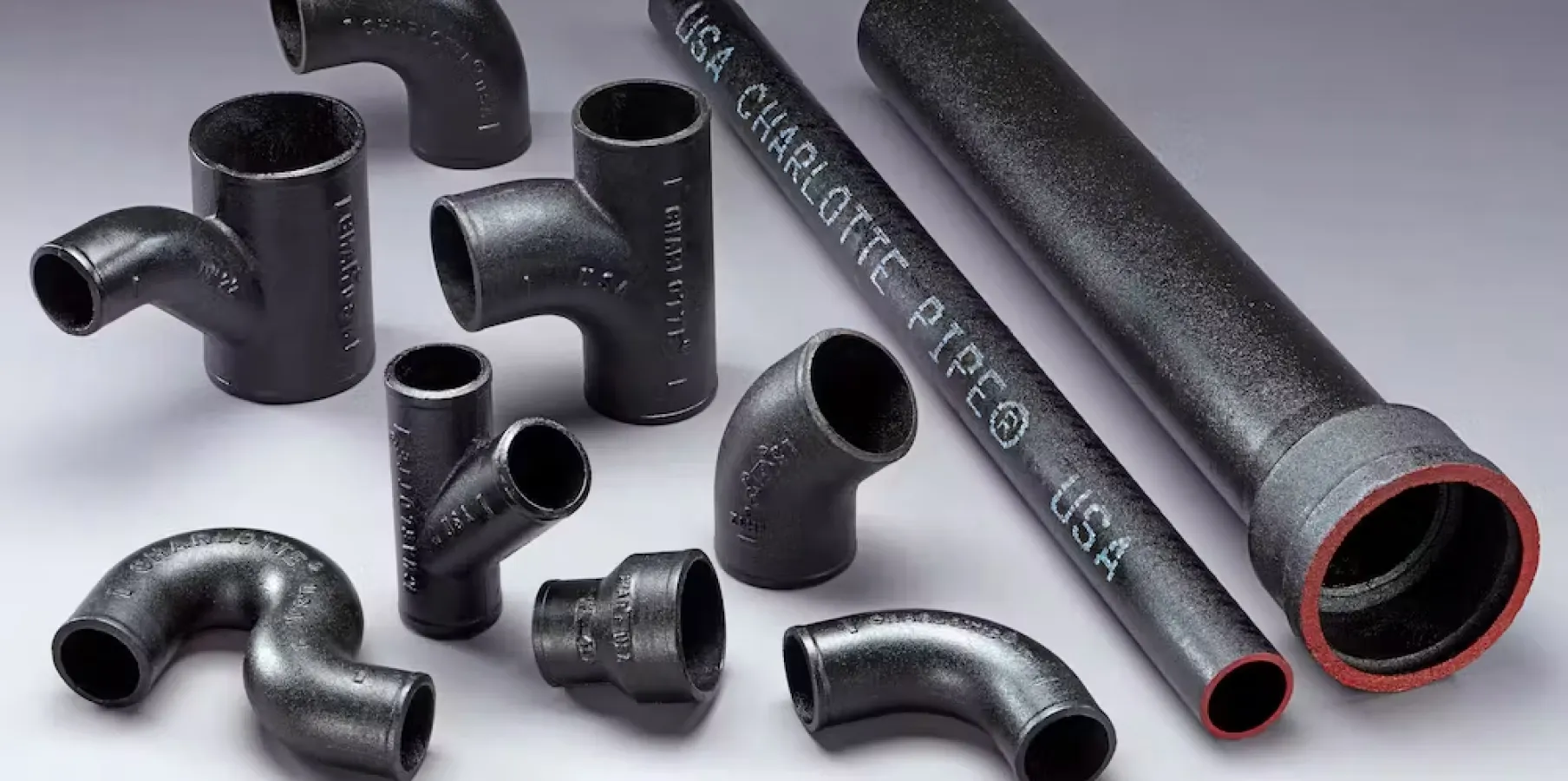
Cast iron pipes have a long history in plumbing and are still found in many older homes. Known for their durability and robust construction, these pipes have specific characteristics that have sustained their use over time, particularly in kitchen drainage systems.
One of the most notable features of cast iron pipes is their sound-deadening properties. Unlike lighter materials like PVC or ABS, cast iron significantly reduces the water flow noise. This quality is especially beneficial in kitchen environments where the constant flow of water from sinks and dishwashers can be a noise source. The dense material of cast iron absorbs sound vibrations, leading to a quieter and more serene kitchen space.
Despite these advantages, cast iron pipes come with certain drawbacks. While they are built to last and can endure many years without losing structural integrity, over time, they are susceptible to corrosion, especially from the inside, due to constant exposure to water and waste. This corrosion can lead to scaling, rust, and, eventually, the deterioration of the pipe's interior. As the pipes corrode, they may become more prone to blockages and leaks, which can be challenging to repair.
The weight and rigidity of cast iron also make installation and replacement more challenging. These pipes require significant manpower to handle and install, and cutting or joining them necessitates specialized tools and skills. This can make any repair or replacement work significantly more labor-intensive and costly than working with lighter materials like PVC or ABS.
While cast iron pipes are less susceptible to temperature fluctuations and have a lower rate of expansion and contraction, their heavy weight and susceptibility to corrosion make them less ideal for modern kitchen renovations or new installations.
Chrome Plated Brass and Copper Pipes
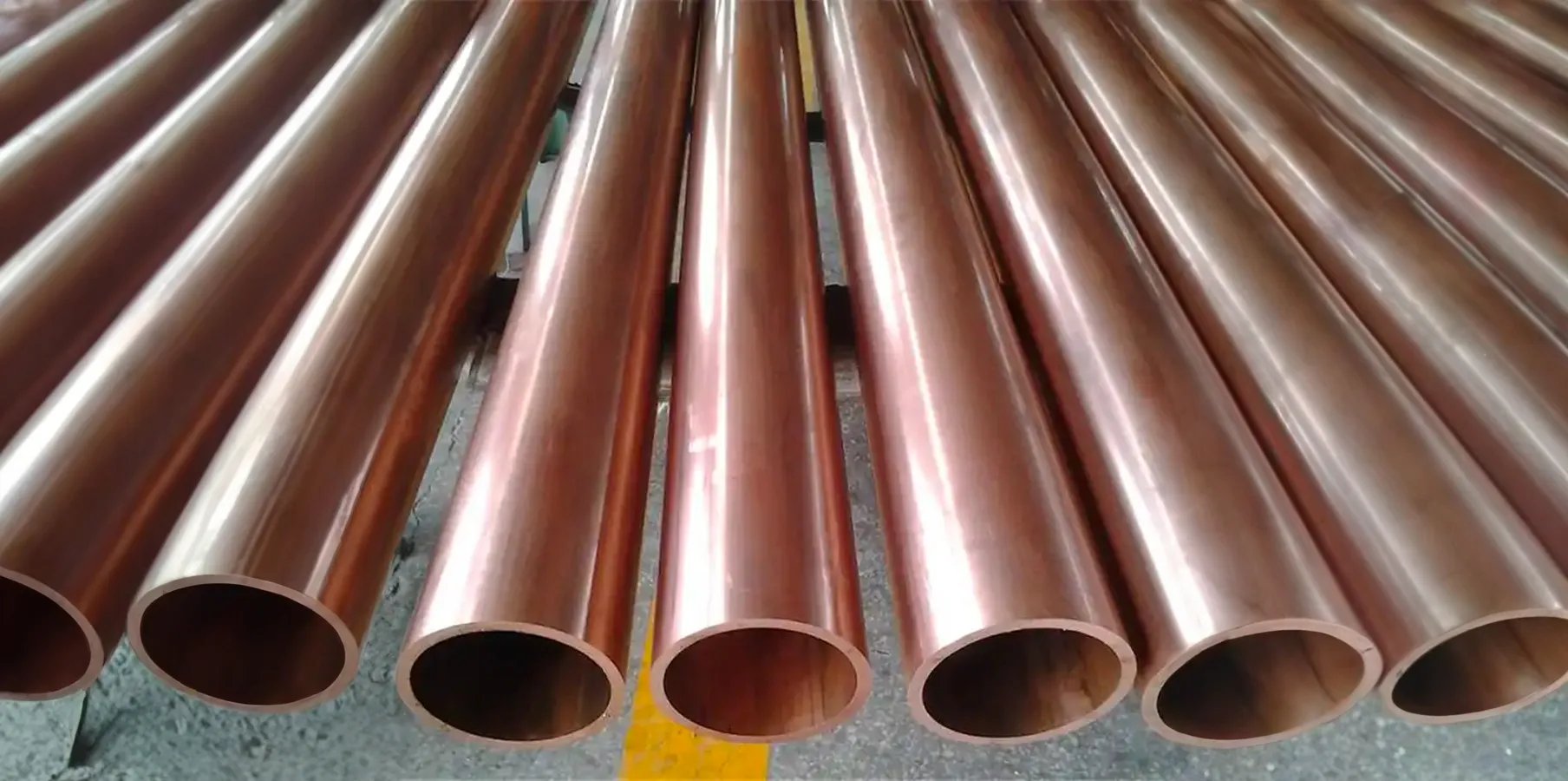
While chrome-plated brass or copper is a less conventional choice for drain pipes in kitchen plumbing, it does find its place in certain applications, primarily due to its durability and natural resistance to bacteria and corrosion. This resistance makes them a hygienic option, reducing the likelihood of bacterial growth within the pipes. Additionally, both options are known for longevity, capable of withstanding years of use without significant wear.
However, cost is one of the main considerations when opting for copper or chrome-plated brass in drain lines. They are more expensive than commonly used materials like ABS or PVC. This higher cost often relegates its use to high-end kitchen designs, where the aesthetic appeal complements the overall decor. In these scenarios, exposed drain lines can add a touch of elegance and sophistication to the kitchen's visual appeal, making it a choice driven more by design considerations than functionality.
Installation and Maintenance Considerations
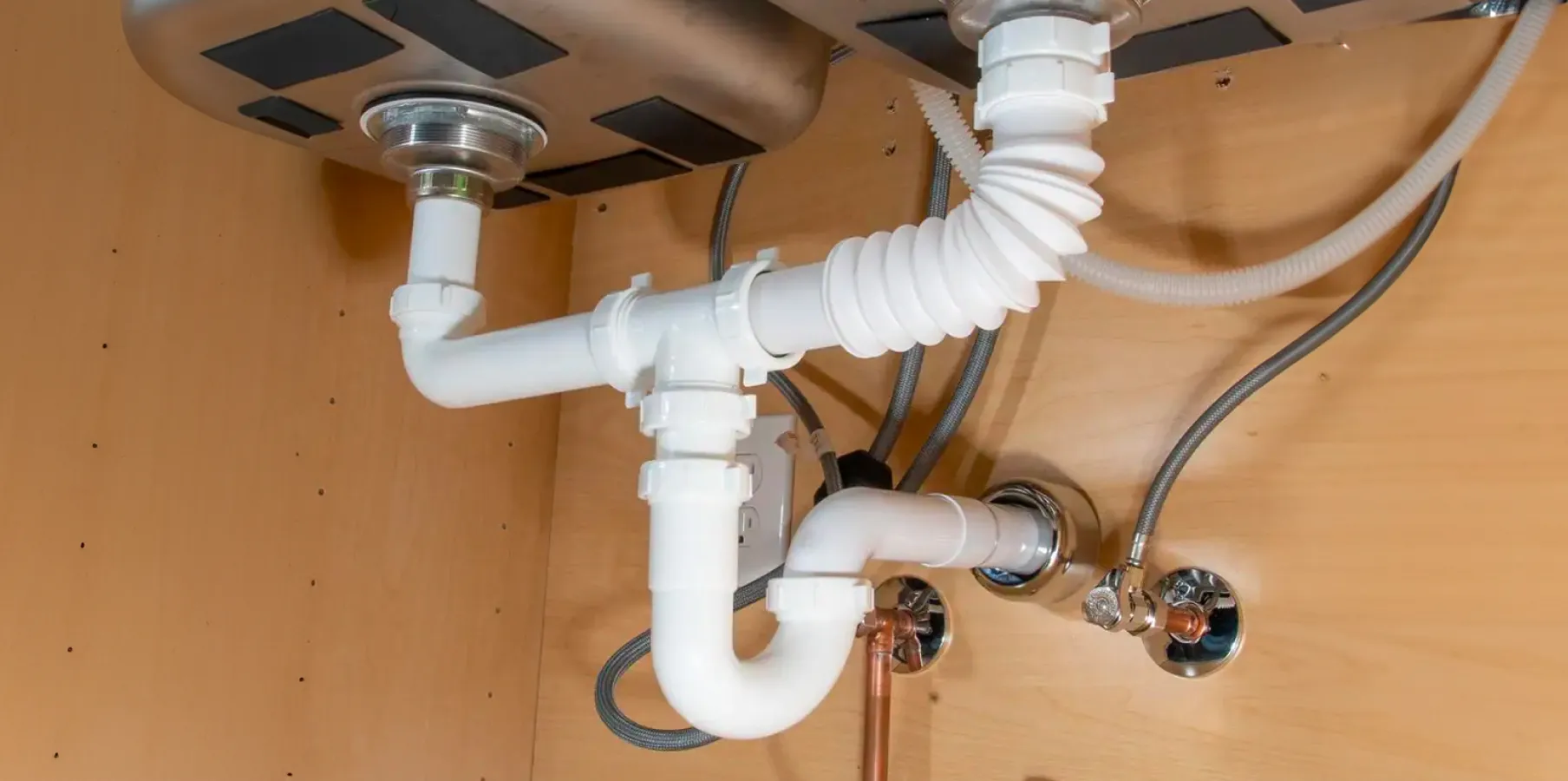
Professional Installation: Proper installation of drain pipes is key to the efficiency and functionality of any kitchen plumbing system. This process requires a thorough understanding of the appropriate slope for drainage, as well as the correct methods for connecting different sections of the pipe. Professional plumbers have the knowledge and tools to install drain pipes with the right gradient to facilitate efficient water flow and prevent backups. This ensures that the installation adheres to local building codes, which is crucial for safety and compliance. Utilizing the services of a professional not only guarantees a job well done but ensures that all plumbing work is up to the standards set by local regulations.
Regular Maintenance: Maintaining the kitchen’s drain pipes is critical to avoid common issues like clogs and leaks. Regular maintenance should include routine cleaning to remove build-up and prevent blockages. This is particularly important in kitchens with garbage disposals, where it’s advisable to avoid disposing of hard or fibrous materials that can strain or damage the system. Periodic checks for leaks or signs of wear can help catch problems early, preventing more extensive damage and the need for repairs.
Upgrades and Replacements: As with any aspect of a home, kitchen plumbing systems age and may eventually require upgrades or replacements. This is especially true for older systems that may include materials prone to corrosion or wear, such as cast iron. Upgrading to more modern and durable materials like PVC or ABS can significantly improve the drain system's performance and longevity. Modern materials offer benefits like corrosion resistance and ease of installation, making them a wise choice for long-term functionality.
Oatey
Conclusion
Drain pipes are vital kitchen plumbing components that efficiently manage wastewater disposal and maintain kitchen hygiene. Understanding the different types of materials used for drain pipes and the importance of professional installation and regular maintenance is key to a well-functioning kitchen. As kitchen designs and appliances evolve, keeping the drain system updated and in good condition is crucial for a clean and efficient kitchen.
Keep reading
More on Kitchen Fixture


