Water Supply Lines Explained: Copper, PEX, PVC & CPVC Guide
Home Depot
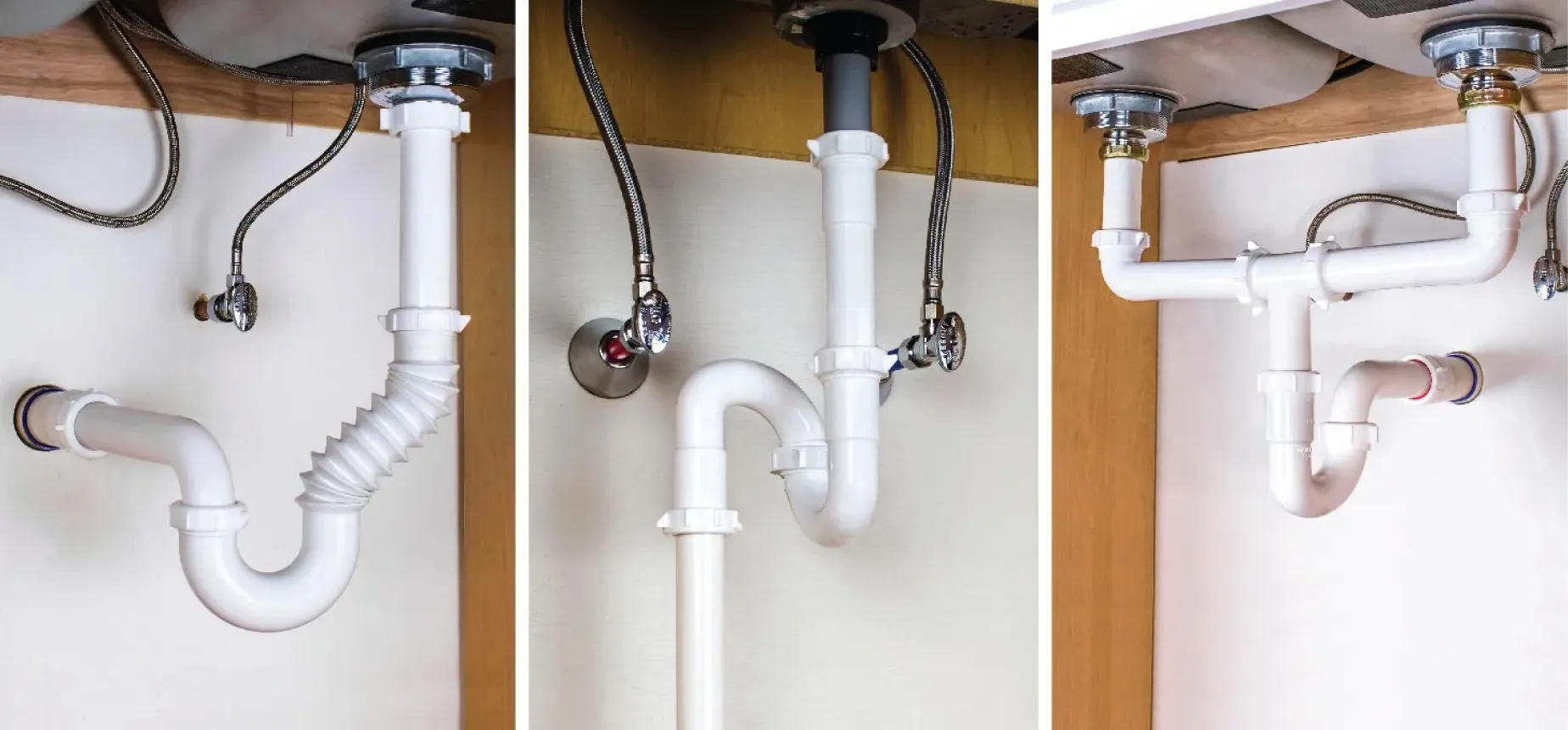
Water supply lines are fundamental to the functionality and convenience of modern kitchens. These vital components ensure a steady and reliable water flow for various tasks, from cooking and cleaning to providing drinking water. Understanding the intricacies of water supply lines enriches one’s knowledge of home plumbing systems and aids in effective maintenance and troubleshooting.
The Dual Nature of Water Supply Lines
Cold Water Lines: The cold water line is a critical component of kitchen plumbing. It directly feeds into the kitchen sink, providing water for rinsing food, washing hands, and other daily tasks. In many homes, this line also extends to supply water to the refrigerator, particularly to the water dispenser and ice maker. This integration is a modern convenience, allowing easy access to cold, filtered water and ice.
Hot Water Lines: The hot water line is equally important in the kitchen. Connected to the home's water heater, it provides hot water necessary for various kitchen tasks. Hot water is essential for effectively cleaning greasy dishes, sanitizing cookware, and aiding in certain cooking processes like boiling water. The availability of hot water on demand is a hallmark of modern kitchens, significantly enhancing convenience and hygiene.
Materials Used in Water Supply Lines
The choice of materials for water supply lines is crucial, as it affects the plumbing system's durability, safety, and ease of maintenance.
Copper Pipe
Everbilt
Copper pipes have been a cornerstone in plumbing for many years, prized for their durability and reliability. This material's natural properties make it an excellent choice for hot and cold water lines in kitchen plumbing. One of the primary advantages of copper is its corrosion resistance. Unlike some metals, copper does not rust or degrade easily when exposed to water, making it a long-lasting option for plumbing systems. They do not promote bacterial growth, thus maintaining good water quality. Copper pipes are also relatively quiet, reducing water flow noise, and have minimal environmental impact compared to other materials.
Another significant benefit of copper piping is its ability to withstand high temperatures. This quality is particularly important for hot water lines, where the pipes must handle the thermal expansion and stress caused by hot water passing through them. Copper's thermal tolerance ensures that the pipes maintain their integrity and don't warp or burst under high-temperature conditions, thus providing a reliable hot water supply in the kitchen.
Despite these advantages, there are some considerations to consider with copper pipes. One of the primary drawbacks is the cost. Copper is generally more expensive than alternatives like PVC or PEX piping. In addition, installing copper piping requires soldering, a process that involves using a torch to heat and melt solder (a metal alloy) to join the pipes and fittings together. This installation method demands specific skills and equipment, often necessitating hiring a professional plumber. Soldering adds to the installation cost and requires careful workmanship to ensure leak-free joints and a well-functioning plumbing system.
Despite these considerations, the use of copper pipes remains widespread due to their proven track record of durability and reliability. In many cases, the initial higher investment in copper can be offset by its long lifespan and low maintenance requirements, making it a cost-effective choice for kitchen plumbing systems in the long term.
PVC Pipe
Charlotte Pipe
Due to several advantageous properties, PVC (Polyvinyl Chloride) pipes have become popular in modern plumbing, particularly for water supply lines. Their affordability is a primary factor that makes PVC an attractive option for many homeowners and builders. Compared to materials like copper, PVC pipes are significantly less expensive, making them a cost-effective choice for large-scale installations and renovations.
Ease of installation is another key benefit of PVC pipes. They are lightweight, making them easier to handle and transport than heavier materials like metal. This lightness, combined with their straightforward joining process, allows for quicker and less labor-intensive installation. PVC pipes are typically joined using solvent cement or push-fit fittings. This simple method doesn’t require the specialized tools or skills associated with soldering, making PVC a preferred choice for DIY projects.
The material's resistance to corrosion is another important advantage. PVC pipes are not prone to rust or corrosion, a common problem with metal pipes, especially in areas with hard or acidic water. This characteristic contributes to the longevity of PVC plumbing systems and reduces the likelihood of leaks and other water damage issues over time.
However, PVC pipes have certain limitations, particularly concerning temperature tolerance. While excellent for cold water lines, PVC may not be the best choice for hot water applications as it can only withstand temperatures up to 140 degrees Fahrenheit. Exposure to higher temperatures can cause PVC pipes to soften, warp, or even break down over time. This limitation makes them less suitable for carrying hot water, a crucial aspect of plumbing systems.
CVPC Pipe
Charlotte Pipe
CPVC (Chlorinated Polyvinyl Chloride) pipes are a versatile and durable option in plumbing, especially for hot and cold water distribution systems in residential and commercial buildings. A notable feature of CPVC pipes is their ability to withstand higher temperatures than their PVC counterparts. They can handle temperatures up to 200 degrees Fahrenheit, making them suitable for hot and cold water applications. This characteristic is particularly important in plumbing systems where temperature variation is common.
The resistance of CPVC pipes to chemical corrosion is another significant advantage. They are less reactive with substances like chlorine and other disinfectants commonly found in water supply systems. This resistance extends the lifespan of the pipes and maintains water quality by preventing leaching of chemicals.
CPVC pipes share many of the benefits of PVC pipes. They are lightweight and easy to cut, requiring minimal tools for installation. The joining process is also straightforward, typically involving solvent cement or push-fit fittings, eliminating the need for welding or soldering. This ease of installation makes CPVC pipes a practical choice for professional plumbers and DIY enthusiasts.
CPVC pipes also exhibit excellent insulation properties, reducing heat loss in hot water lines and minimizing condensation in cold water lines. This thermal efficiency can contribute to reduced energy costs in buildings.
It's important to consider the cost difference between CPVC and PVC pipes. CPVC tends to be more expensive than PVC due to its enhanced properties, particularly its temperature tolerance. This cost factor should be weighed against the specific requirements of a plumbing project.
PEX Piping
SharkBite
PEX (Cross-Linked Polyethylene) tubing is a relatively recent addition to the range of materials used in plumbing, yet it has quickly gained popularity, especially in residential applications. This type of tubing is known for its flexibility, which sets it apart from more rigid options like copper or PVC. The flexibility of PEX piping allows for easier routing through walls and floors, making it particularly suitable for remodeling projects or installations in tight spaces.
One of the key advantages of PEX is its versatility. It is suitable for hot and cold water lines, simplifying the plumbing system and reducing the need for multiple types of piping materials in a single project. This capability makes PEX an all-in-one solution for various plumbing needs, streamlining the installation process and reducing overall material costs.
The ease of installation is another significant benefit of PEX piping. Unlike copper piping, which requires soldering, or PVC, which often needs glue, PEX connections are typically made using push-fit or crimp fittings. These methods are simpler and faster and reduce the potential for leaks due to joint failures. This user-friendly installation process is a substantial advantage, particularly for DIY enthusiasts or when quick repairs are needed.
PEX piping is also known for its resistance to scale and chlorine, which can be particularly beneficial in areas with hard water. This resistance helps to maintain the integrity and efficiency of the plumbing system over time, reducing the likelihood of clogs or reduced water flow due to mineral buildup, which contributes positively to maintaining water quality.
One of the most valuable attributes of PEX is its ability to expand and contract. This feature makes it more resistant to damage from freezing temperatures compared to rigid pipe materials. In cold climates, water lines can be susceptible to bursting when water freezes and expands inside the pipes. PEX piping can absorb some of this expansion, significantly reducing the risk of burst pipes, a common and costly problem in colder regions.
However, it's important to note that while PEX is highly durable, it should be protected from prolonged direct sunlight before installation, as UV rays can degrade the material over time.
Installation and Maintenance Considerations
Mueller Streamline
Proper installation and maintenance of water supply lines are key to ensuring a smoothly functioning kitchen plumbing system.
Professional Installation: While some homeowners may undertake DIY plumbing projects, professional installation is often recommended for water supply lines. This ensures the lines are correctly connected and properly sealed.
Code Compliance: Plumbing installations must adhere to specific standards and regulations set by local building codes. These codes are designed to ensure the safety and efficiency of plumbing systems. Professional plumbers are familiar with these codes and can ensure the installation meets the required standards. This compliance is important for safety and legal reasons, especially if you plan to sell your home.
Regular Maintenance: Regular inspection of water supply lines can help identify potential issues like leaks or corrosion before they become major problems. Homeowners should be aware of signs like reduced water pressure, discoloration of water, or visible leaks, which could indicate a need for repair or replacement.
Upgrades and Replacements: Over time, older plumbing systems may require upgrades or replacements, especially in homes with outdated materials like galvanized steel. Upgrading to modern materials like PEX can improve the efficiency and safety of the kitchen’s plumbing system.
Conclusion
Water supply lines are the unsung heroes of kitchen functionality, quietly and efficiently delivering the water necessary for daily tasks. Understanding the dual nature of these lines, the materials used in their construction, and the importance of proper installation and maintenance can help homeowners ensure a well-functioning kitchen plumbing system. As technology and materials evolve, staying informed about these critical components is key to maintaining an efficient and modern kitchen.