Hyperion Tiles
Mirror Installation Types: Which Style Suits Your Space?
Hyperion Tiles
When considering a mirrored wall installation, the chosen technique is as important as the mirror itself. It influences the final appearance and impacts the mirror's functionality, maintenance, and longevity. Different installation methods can change how light is reflected and how the space is perceived, making the choice of technique crucial for achieving specific design goals and practical needs. Here are the most common types of mirror installations:
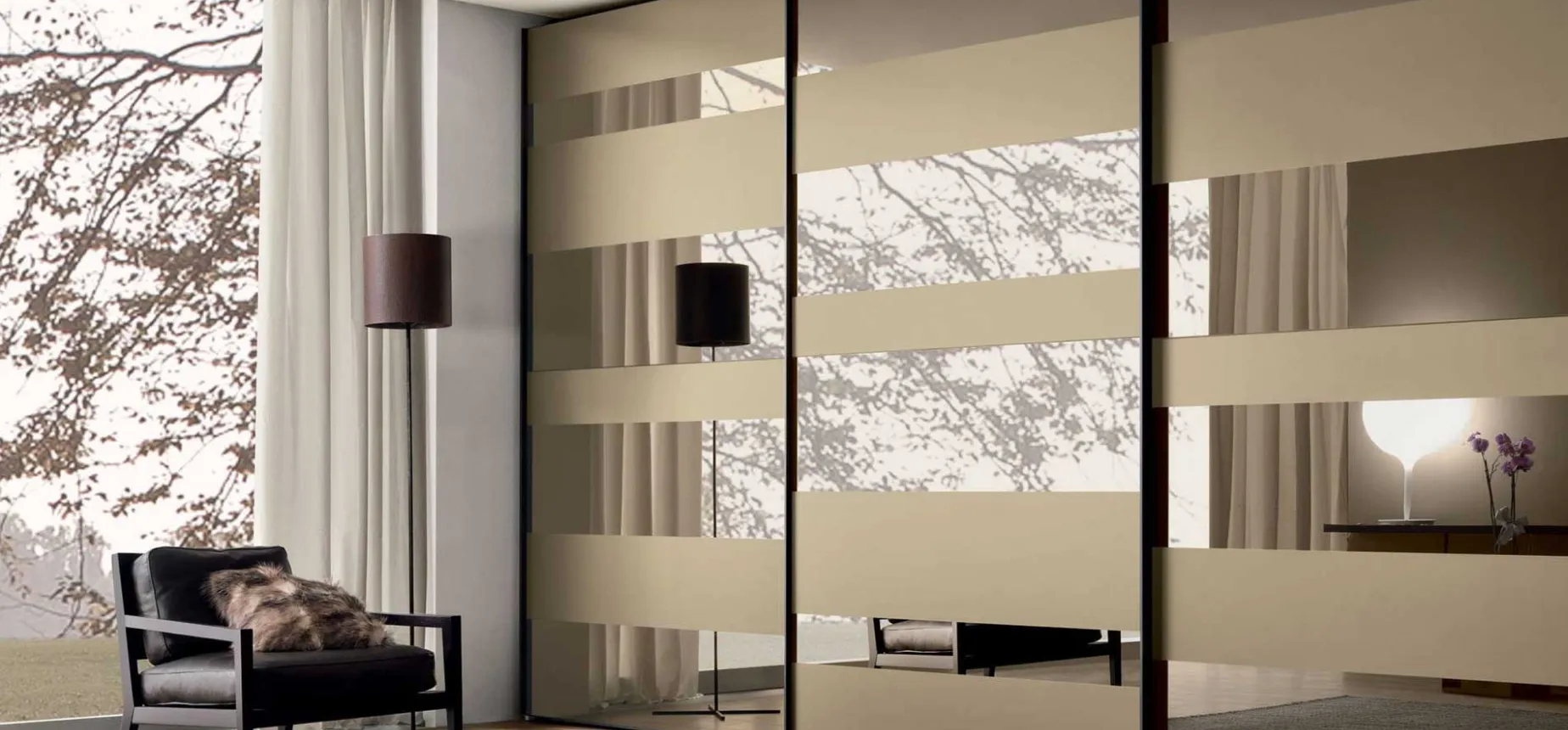
Multi-Panel

Antique Mirror Glass
The multi-panel installation is ideal for larger spaces, dividing the reflection into segments with several panels. This creates an expansive and captivating visual effect, suitable for vast walls where a single large mirror is impractical.
Multi-panel mirrors pose challenges in ensuring structural stability, especially in high-traffic areas. Regular inspection of panel joints is recommended for safety and durability. While offering a unique design element, this technique requires careful cleaning between panels.
End-to-End

Glass Shoppe
End-to-end mirrors create a seamless illusion of space, perfect for amplifying smaller rooms. This method requires meticulous alignment during installation to avoid visible seams. The challenge lies in ensuring each panel is perfectly aligned for a continuous reflection, which can be more demanding in terms of installation precision and maintenance. End-to-end mirrors are generally durable but should be installed securely to prevent accidents, especially in areas with frequent movement.
Decorative Mirrors

Tile Bar
Decorative mirrors serve as functional art pieces, with designs ranging from intricate to minimalist, and add a distinctive charm to any room. While enhancing aesthetics, decorative mirrors can be complex to install, impacting the cost. Their intricate designs may require delicate handling and specific mounting hardware for safety. Regular maintenance and specific cleaning techniques are also needed to preserve their artistic details, especially for mirrors with intricate designs or textures.
Beveled Mirrors

Capitol
Beveled mirrors, with their angled edges, add a sophisticated touch. These edges create a play of light, enhancing the aesthetic appeal. However, the bevels can collect dust, requiring regular cleaning to keep the mirror pristine. Their installation needs to be handled with care to preserve the delicate edges. These mirrors are generally durable but require regular dusting to maintain their refined look.
Mirrored Tiles

TileBar
Mirrored tiles are incredibly versatile, allowing for creative patterns and designs. They're great for customizing smaller areas or creating accent walls. They are a safe option if installed correctly, but each tile needs individual cleaning, and the grout lines may require maintenance to keep the overall look cohesive and clean.
Conclusion

Mirror Works
Choosing the right mirror installation type is an important decision, affecting not just the look but the feel and functionality of a space. Whether it’s the expansive feel of end-to-end mirrors, the segmented elegance of multi-panel installations, the artistic statement of decorative mirrors, the refined touch of beveled edges, or the creative versatility of mirrored tiles, each type brings its unique contribution to a space. Considering aesthetic impact and practical maintenance will ensure a successful and lasting mirror installation.
Keep reading
More on Mirror