Camilla Bellini
Mirrored Walls: Glass vs Acrylic, Cost & Care Tips
Camilla Bellini
Mirror walls offer many design opportunities, catering to a wide range of aesthetic sensibilities. From the timeless allure of full-length panel mirrors to the modern twist of fragmented mirror tiles, there's a look to suit every style. Mirrored walls serve as a striking design element and have the unique ability to transform spaces—making rooms appear larger, enhancing natural light, and adding dynamic visual interest.
At their core, mirrored walls can be crafted from two primary materials: glass or acrylic, each offering distinct advantages and considerations.
Glass Mirrors
South Coast Glass Inc.
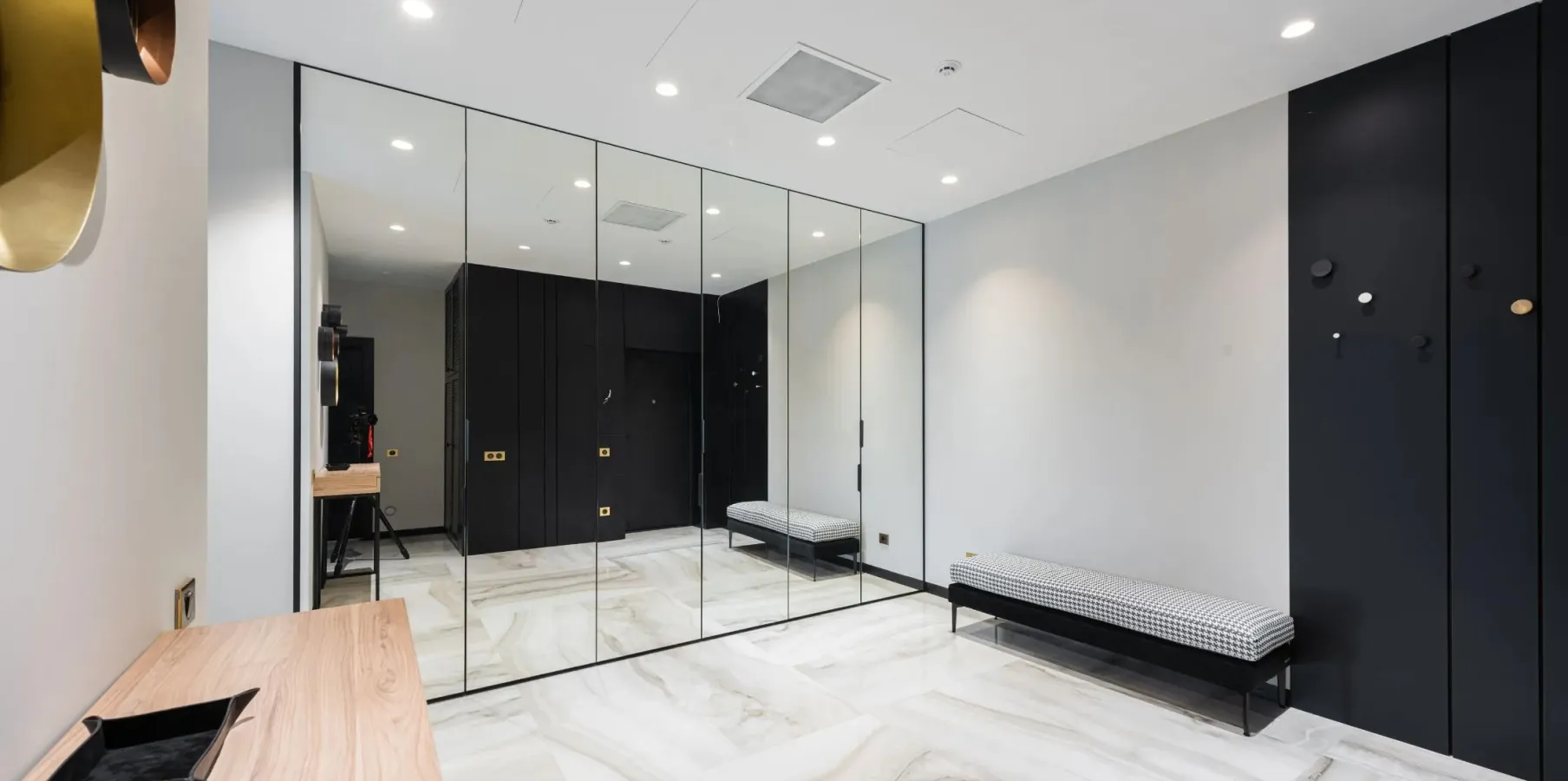
Glass mirrors are the traditional choice when it comes to mirrored walls. Revered for their clear and high-quality reflection, they've been the cornerstone of interior design for many years. However, this quality comes with a trade-off; they're heavier and require more meticulous handling during the installation process. Despite these challenges, many opt for glass due to its unparalleled clarity and classic appearance.
Acrylic Mirrors
Nofran
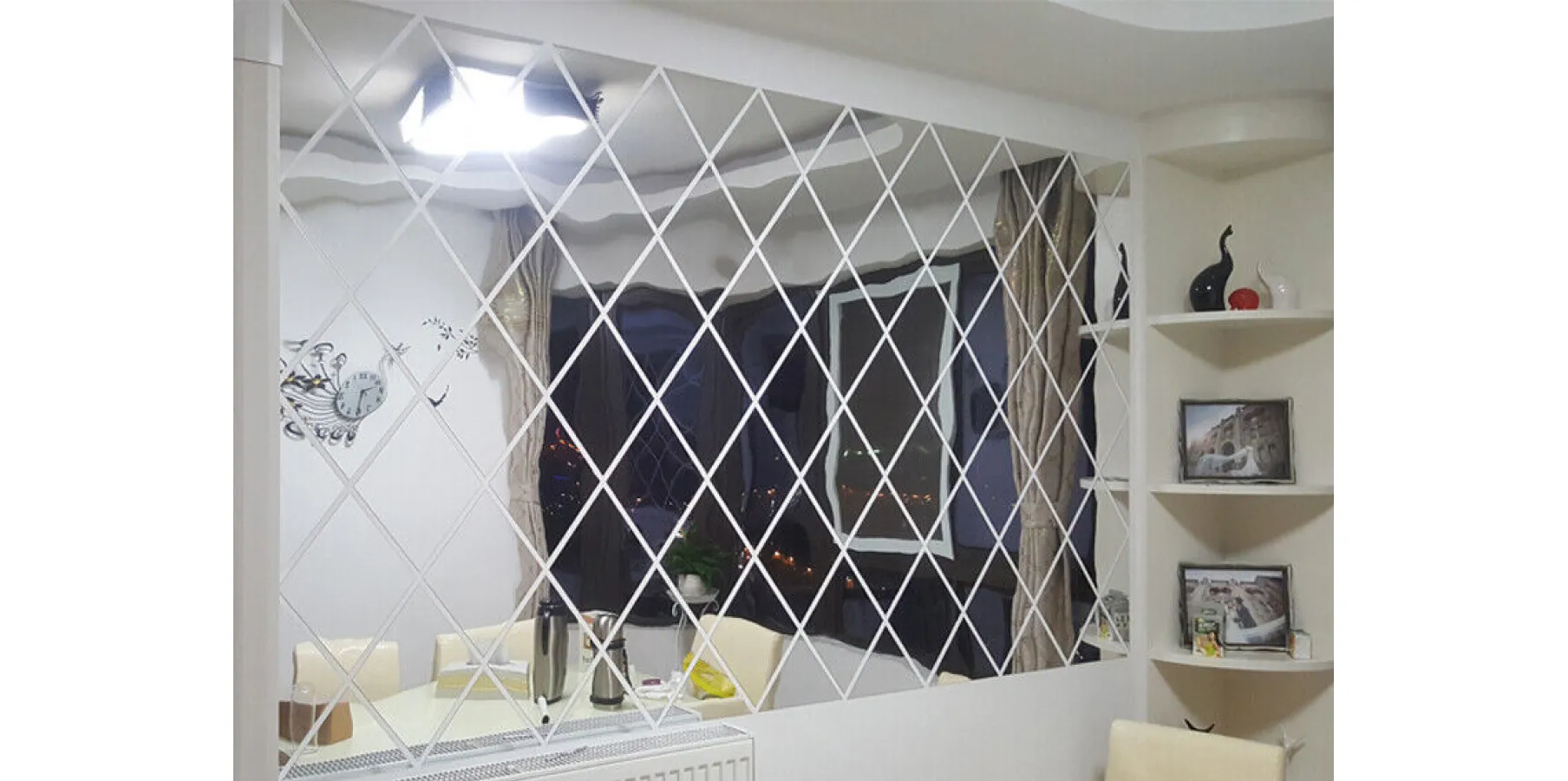
Lightweight, versatile acrylic mirrors have carved a niche in modern interior design. Their primary advantage lies in their shatter-resistant nature, making them more durable in certain scenarios. Furthermore, their light-weight simplifies the installation process. However, acrylic mirrors might not offer the exact clarity and pristine reflection of their glass counterparts, which is a consideration for those seeking perfect mirror images.
The Advantages of Mirror Walls
Alderfer Glass
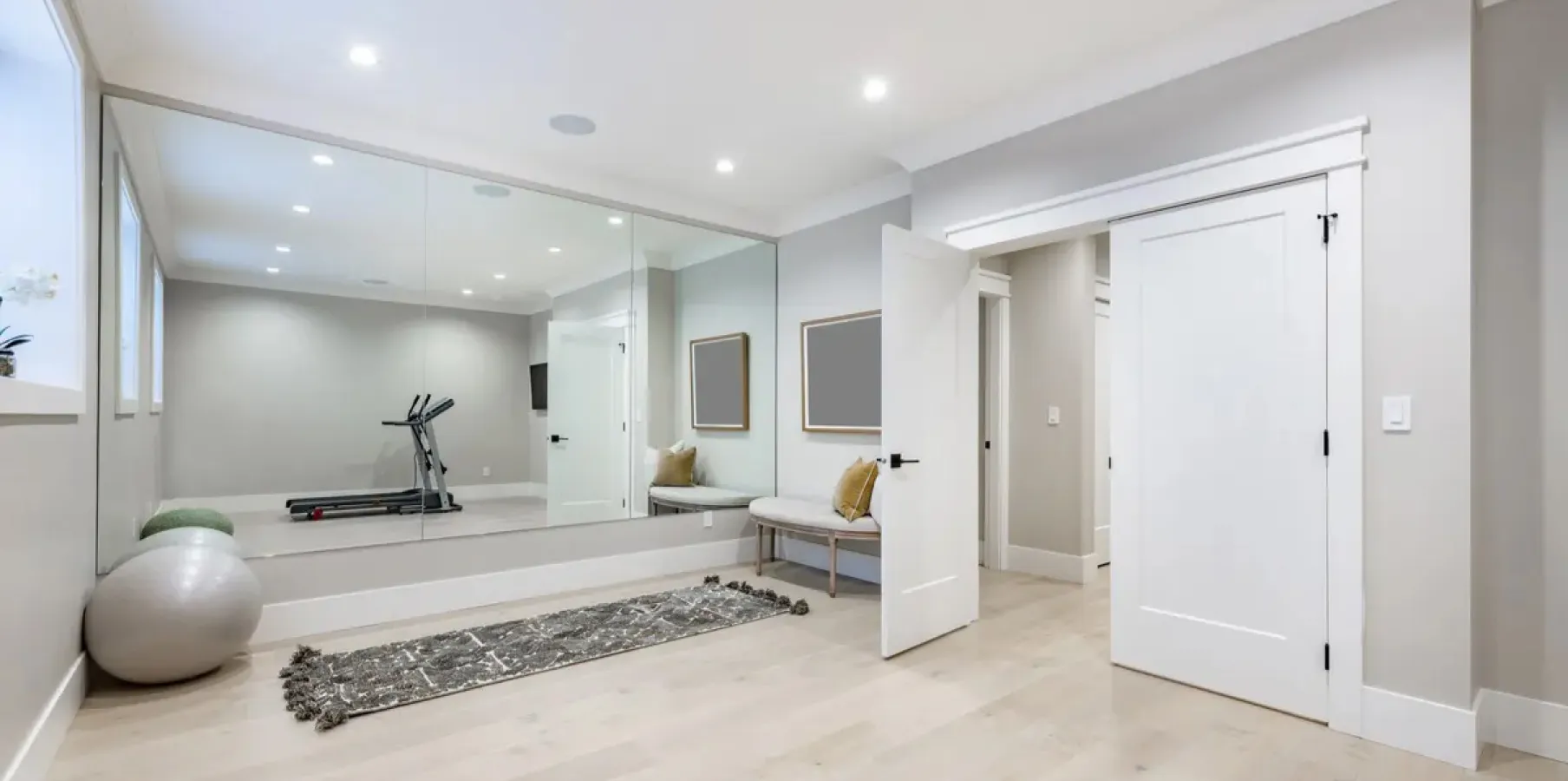
One of the most significant advantages of mirror walls is the illusion of space they create. By reflecting light and the surrounding area, they can make a room appear larger and more open. This effect is especially beneficial for smaller spaces, where a mirror wall can eliminate feelings of confinement.
Maintenance for mirrors is relatively simple. Regular wiping with a glass cleaner can keep the surface spotless and gleaming. Moreover, mirrors have the innate ability to brighten a space by reflecting natural and artificial light, thus contributing to improved illumination, especially in dimly lit areas.
Beyond the functional aspects, mirror walls play a pivotal role in enhancing the aesthetic quotient of a room. They can serve as art pieces, capturing and refracting beauty from every angle. Their reflective surfaces add depth and intrigue, creating dynamic visuals that change with the viewer's perspective.
The Drawbacks of Mirror Walls
Builders Glass of Bonita, Inc.
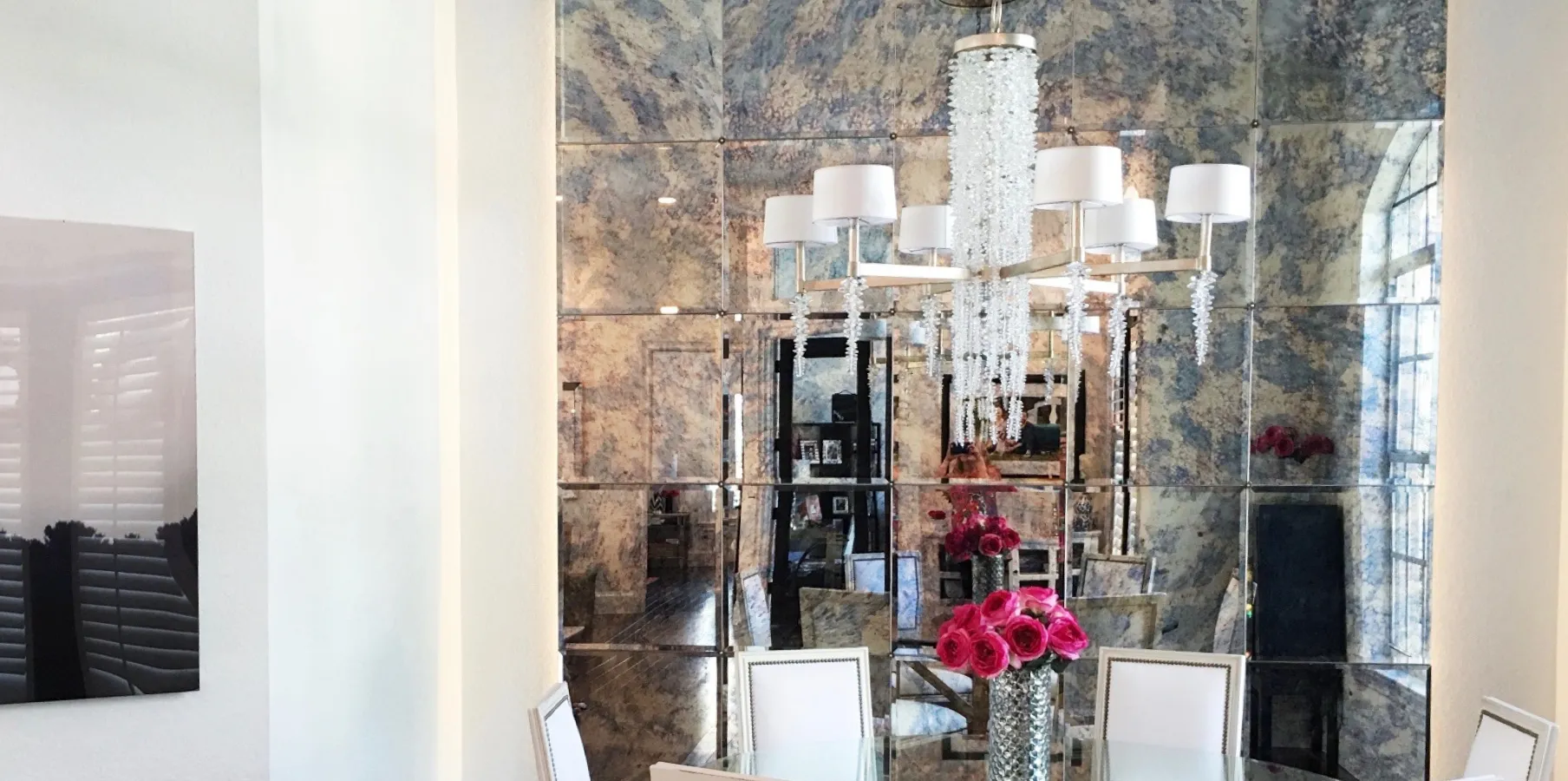
However, like any other design feature, mirror walls are not without their issues. They can inadvertently magnify imperfections or clutter in a room, requiring the surrounding space to be tidy and well-maintained. Fingerprints, smudges, and scratches can be more visible, necessitating regular cleaning.
Installation can also be a challenge. Perfect alignment requires expertise, especially when dealing with multiple panels or tiles. Additionally, while mirrors can withstand typical wear and tear, they remain fragile and can break upon solid impact. Such damages might not only require replacement but can also pose safety concerns.
Environmental Aspects
Mirror Works
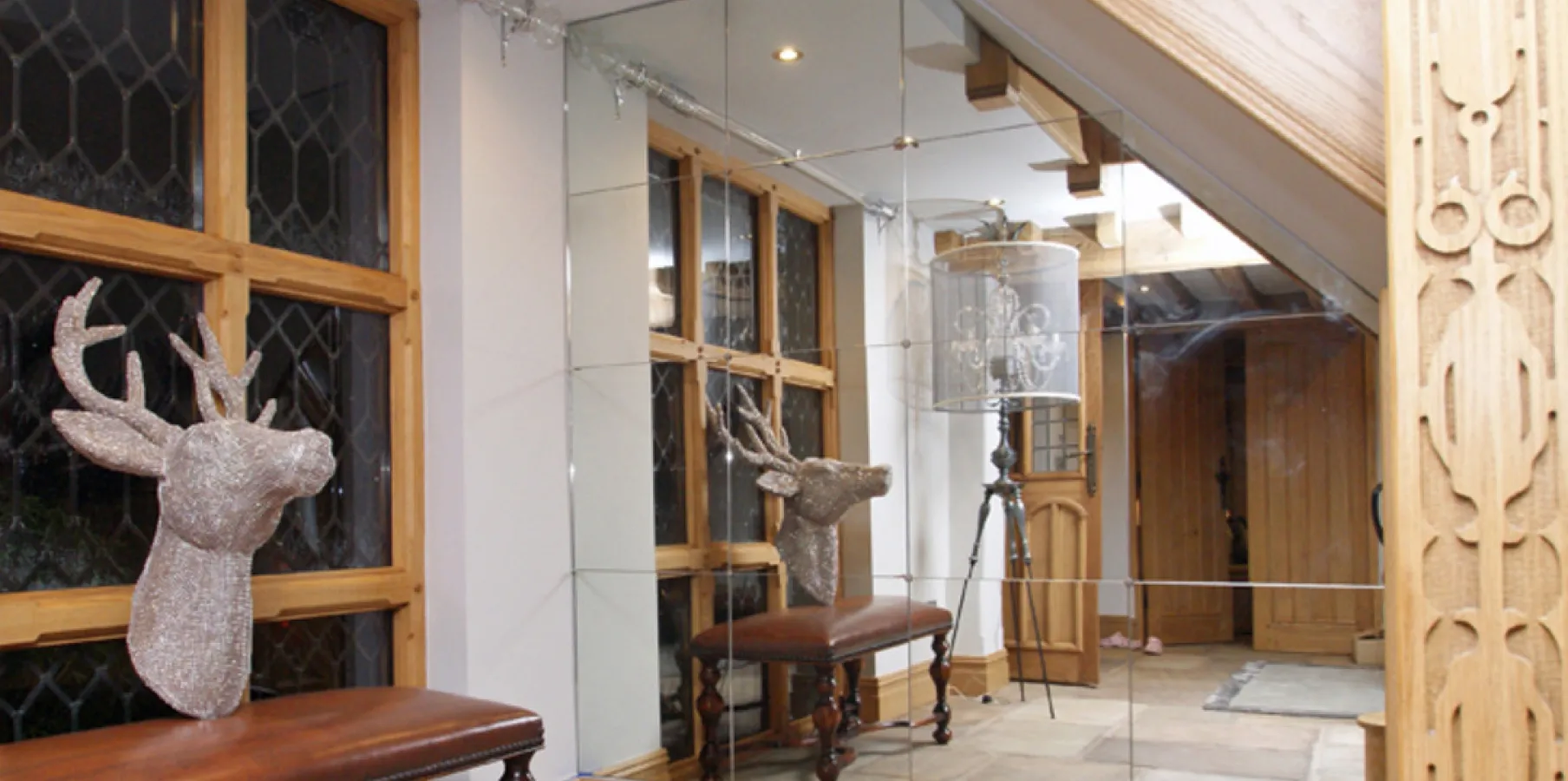
From an environmental perspective, the production and disposal of mirror walls need consideration. While the glass component is recyclable, the reflective coating, usually silver or aluminum, complicates recycling. However, if maintained well, mirror walls' longevity means less frequent replacements, somewhat mitigating their initial environmental impact.
Cost Considerations
TileBar
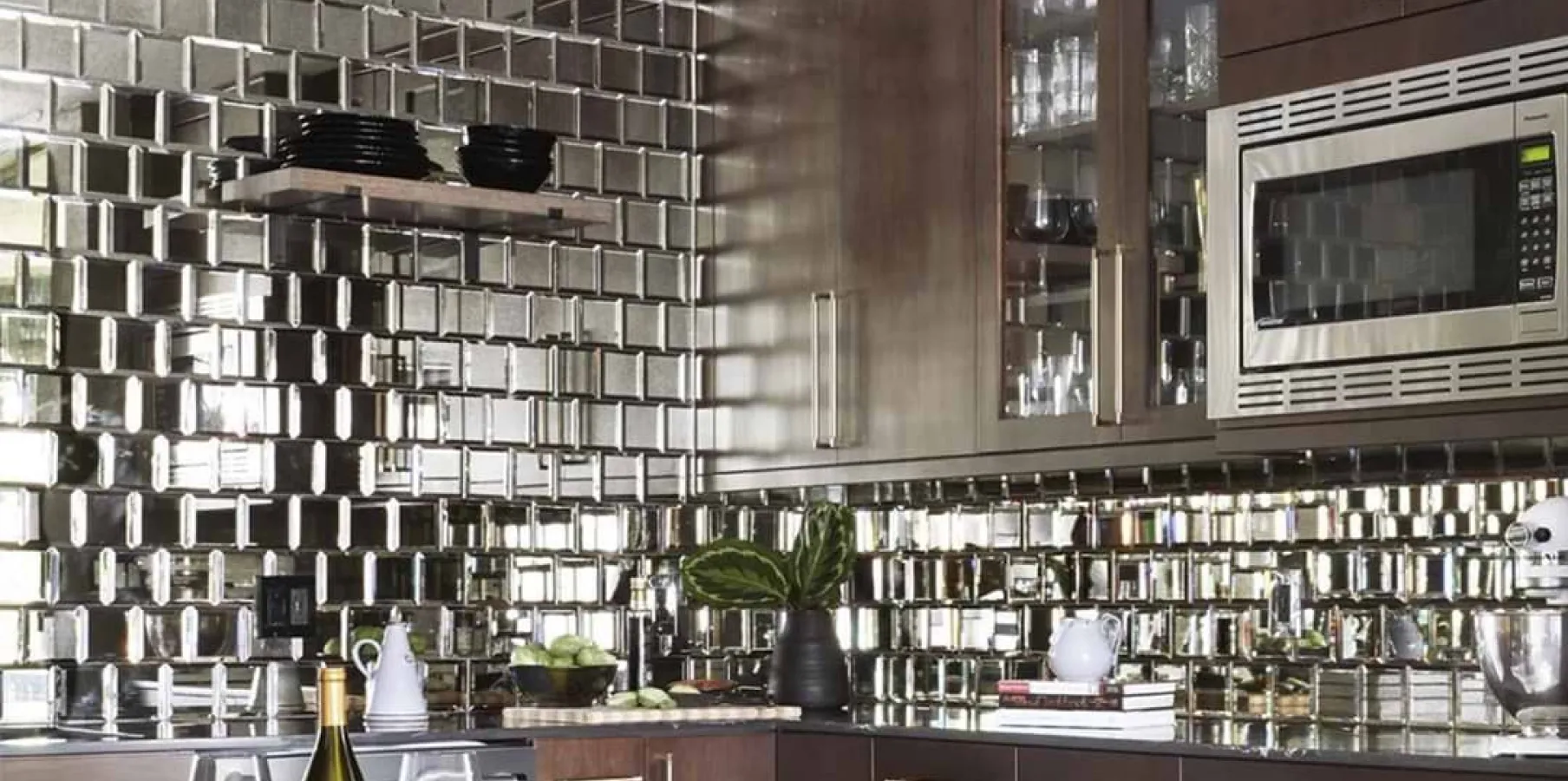
When considering the cost of mirror walls, several factors come into play that can significantly influence the final price. The quality and type of the mirror are primary determinants; for instance, custom-cut mirrors or those with specialty finishes such as beveling or tinting tend to be pricier than standard mirrors. Similarly, antiqued or designer mirrors will also carry a heftier price tag. The size and scale of the project also matter. Naturally, larger mirror panels or more expansive walls will increase costs, accounting for the material and installation.
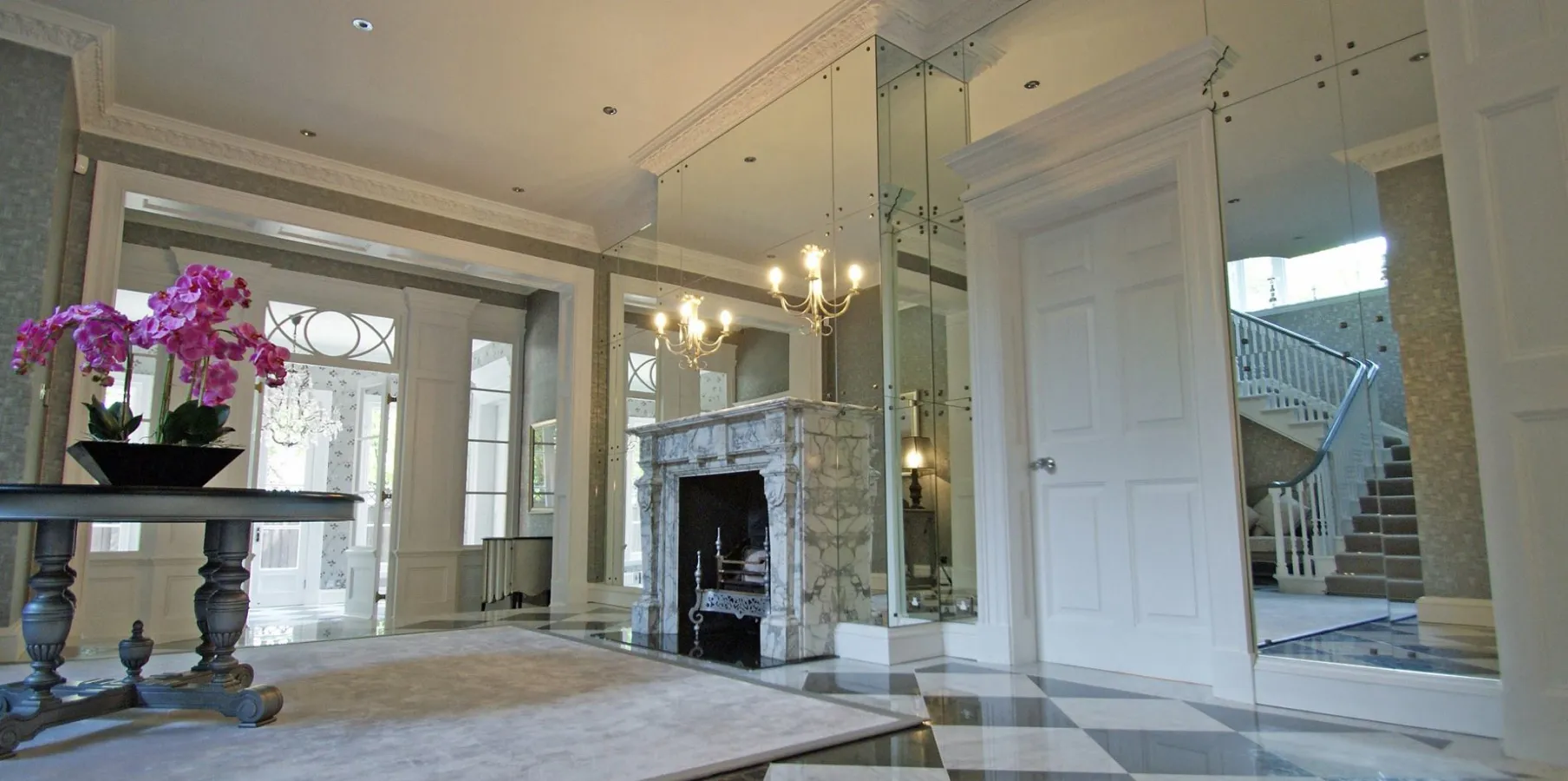
While DIY might be tempting, professional installation is often recommended, especially for intricate designs or large panels. Though it might increase the overall cost, it guarantees precision and safety. Additionally, while the general upkeep of mirror walls is relatively inexpensive, one should factor in potential repair or replacement costs.
Mirror Works
Conclusion
In conclusion, mirror walls can dramatically transform a space, introducing depth, luxury, and elegance. They provide design versatility, catering to both contemporary and classic tastes. However, their effective integration demands understanding their characteristics and care requirements, ensuring they remain pristine and captivating for a long time.
Keep reading
More on Mirror


