Outlet Box Sizing Guide: Single, Double, 220V and More
Whether you're building a new home, renovating an existing space, or adding more outlets to meet your electrical needs, choosing the right size for an outlet box is a key decision. Outlet boxes, commonly known as junction boxes, house electrical connections and ensure they are safely enclosed within your walls. Here’s what you need to know about selecting the appropriate box sizes for various applications, including single and double outlets, weatherproof solutions, and boxes suitable for 220/240V circuits.
Single Outlet Boxes

For most individual outlet installations, a standard single-gang box is sufficient. These boxes are typically about 2 inches wide, 3 inches high, and 2.5 to 3.5 inches deep. They provide enough room for essential wiring connections and a single device, like a switch or receptacle. When choosing a single-gang box, consider the depth of the box—deeper boxes can accommodate more wires and are a good choice if you’re working with multiple wire connections or thicker gauge wires that require more space.
Double Outlet Boxes

Double outlet boxes, or two-gang boxes, are used when you want two devices side-by-side, like two switches, two outlets, or a combination. To accommodate the extra set of wiring, these boxes are roughly double the width of a single-gang box. Standard dimensions are about 4 inches wide, but the height and depth can be similar to single-gang boxes. If you're not working with open framing, it's important to ensure enough space between studs in the wall to fit a double box.
Weatherproof Boxes

Leviton
Weatherproof or weather-resistant outlet boxes are essential for outdoor applications or areas subject to moisture, like bathrooms and kitchens. These boxes come with gaskets and seals that prevent moisture from entering and potentially causing a short circuit. They are typically made of heavy-duty materials like cast aluminum or plastic that can withstand environmental exposure. The sizes can vary depending on the application, but they should comply with the National Electrical Code (NEC) requirements for outdoor installations.
220/240V Outlet Boxes

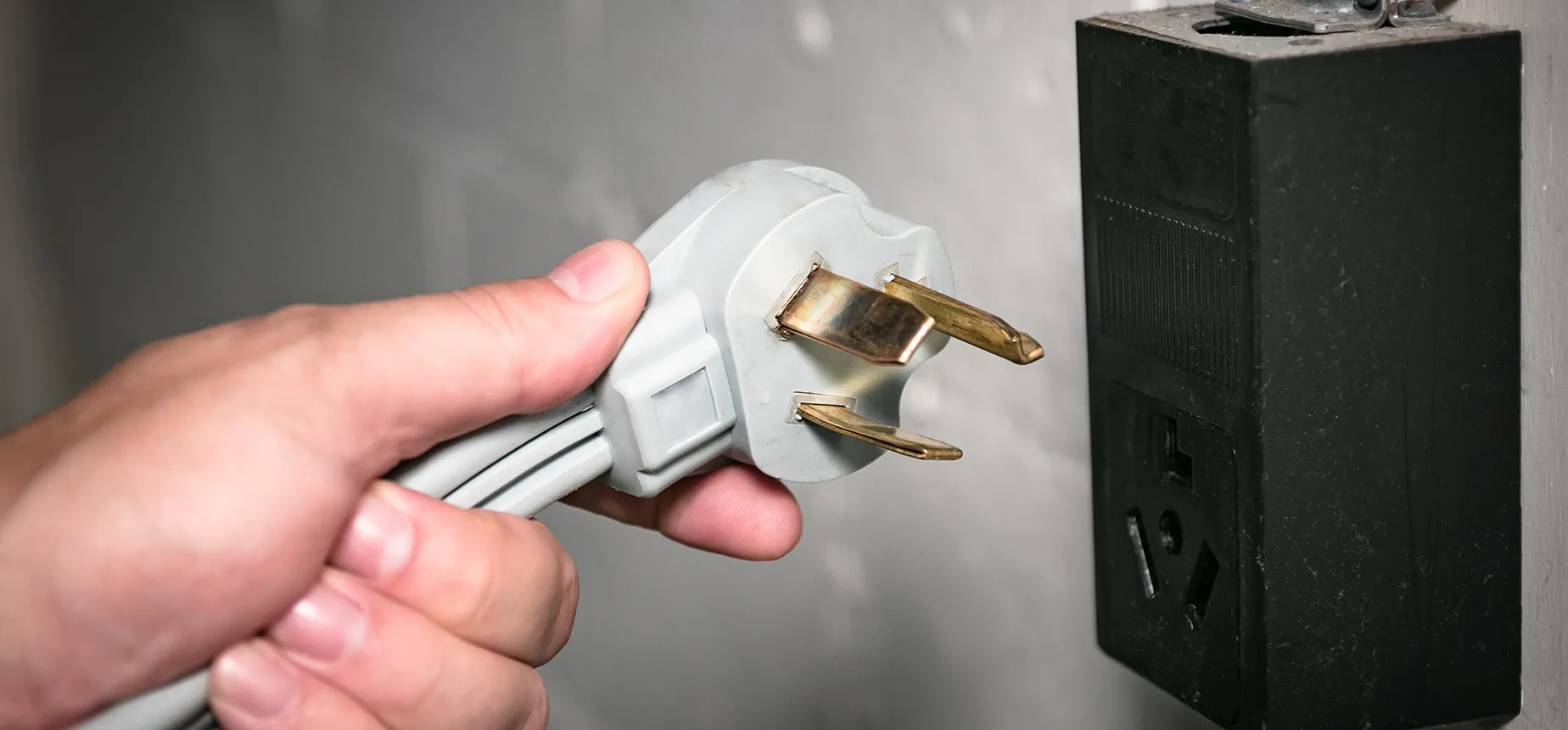
For appliances and equipment that require a higher voltage, such as dryers, ovens, and HVAC systems, you'll need a box that can handle 220/240V circuits. These boxes are usually larger to accommodate the heavier gauge wiring and the larger receptacles required for these connections. You’ll often find that these are deeper and sometimes square, measuring approximately 4 inches by 4 inches, with depths ranging from 2.25 to 3.5 inches. Having ample space in these boxes is crucial to prevent overheating and ensure easy access for future maintenance or inspections.
Conclusion

When choosing the right outlet box size for your behind-the-wall installations, there are a few general guidelines to keep in mind:
- Always adhere to the NEC and local building codes.
- Consider the number of wires and connections housed in the box to avoid overcrowding, which can lead to overheating.
- Ensure the box is durable and suited to the environment where it will be installed, especially for outdoor or moist areas.
- Factor in ease of access for future maintenance or upgrades when selecting the box depth and placement.
The correct outlet box is essential for a safe and functional electrical system. With a variety of sizes and types available, it's necessary to match the box to the specific needs of the installation. By understanding the requirements of single and double outlets, weatherproofing needs, and the demands of 220/240V circuits, you can ensure that your electrical installations are safe and up to code.
Keep reading
More on Outlet