The S-Box
Power to the Kitchen: Outlets, Circuits and Wiring Guide
The S-Box
The core of kitchen electricity is deeply anchored in outlets and circuits. Modern U.S. kitchens must adhere to the National Electrical Code (NEC), which mandates at least two 20-amp circuits for countertop receptacles. This isn't a design afterthought but a safety essential, ensuring that power-intensive appliances like blenders and toasters can operate concurrently without taxing the electrical system.
For instance, on a 10-foot countertop, at least four outlets are recommended. The guiding principle is placement: no point on the counter should be over 24 inches from an outlet. This ensures flexible positioning and use of appliances. Planning an outlet close to specific appliance locations, like a coffee machine or a stand mixer, prevents the excessive stretching of cords and potential hazards.

Legrand
Water sources in the kitchen introduce another layer of complexity. Outlets close to sinks or backsplashes need Ground-Fault Circuit Interrupters (GFCIs). These are not ordinary outlets; they're designed to instantly stop the electrical flow, drastically reducing the risk of shocks when water meets electricity.
A kitchen remodel or layout shift demands careful electrical planning, especially considering appliance placement. Every appliance brings its electrical requirements. A microwave might function seamlessly on a 15-amp circuit, while a robust induction cooktop may call for its dedicated 40-amp circuit.
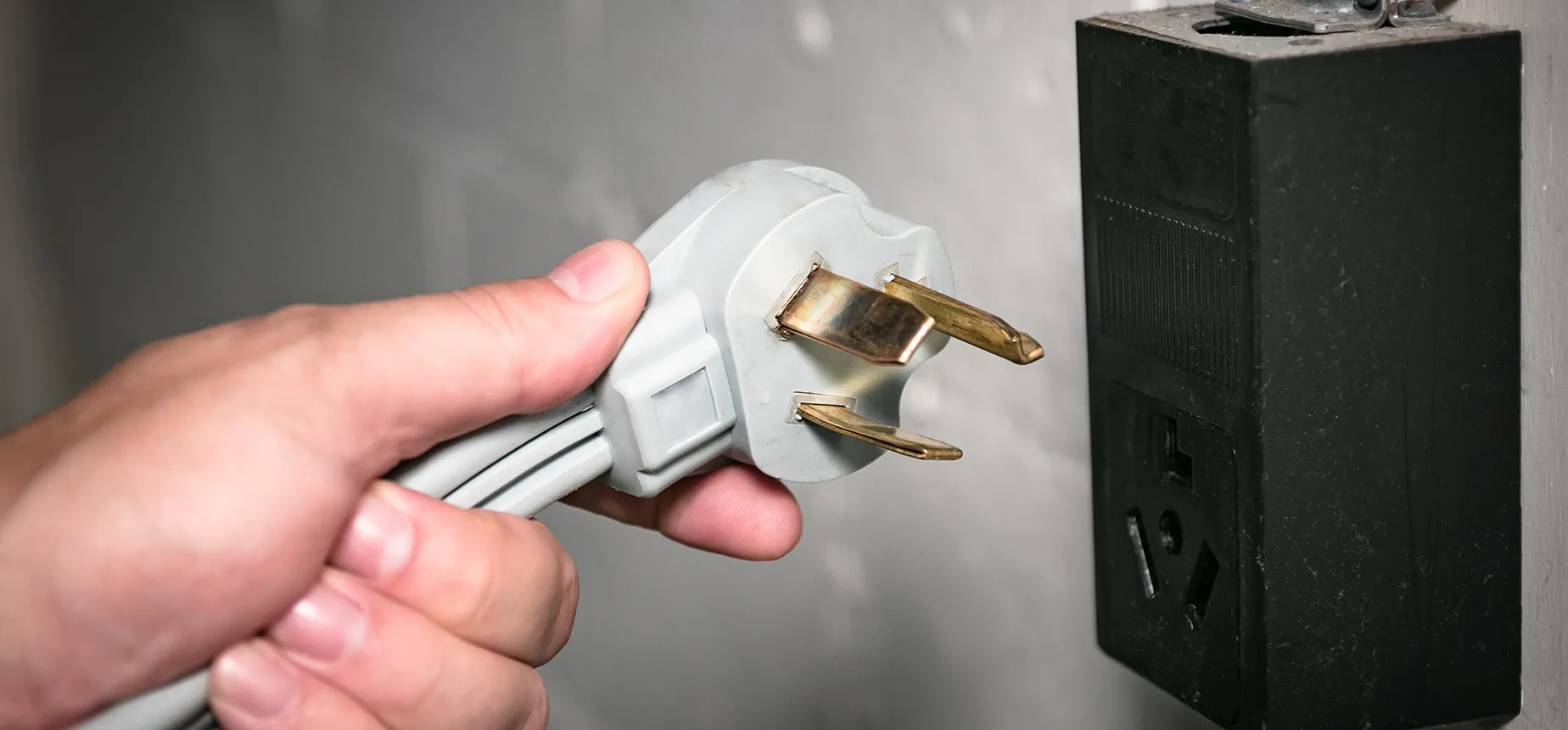
Appliances like refrigerators, ovens, and dishwashers bear the brunt of kitchen operations, necessitating considerable electrical power. Consequently, they often warrant dedicated circuits. This serves a dual purpose: ensuring uninterrupted power and preventing circuit overloads. It's necessary to match each appliance's power needs, in terms of voltage (commonly 110V or 220V in the U.S.) and current, with the home's electrical infrastructure. Consider the difference between gas and electric ranges. While gas ranges lean on electricity for ignition, lights, and controls and might be content with a 15-amp circuit, electric ranges, entirely reliant on electricity, can demand circuits as robust as 40-amps and specific professional models even more.
Conclusion
Designing your kitchen electrical system is intricate, balancing safety, functionality, and forward planning. By syncing with appliance specs, anticipating future requirements, and following safety protocols, you can create a harmonious, efficient, and safe kitchen environment.
Keep reading
More on Outlet