Rejuventaon
Replacing Lighting And Controls During a Kitchen Renovation
Rejuventaon
When considering a kitchen renovation, one critical element is whether to replace the lighting fixtures and controls. The decision to update kitchen lighting and controls should consider several factors, including aesthetics, functionality, energy efficiency, budget, and the overall impact on the renovation project.
Harmonizing with the New Kitchen Design

Kichler
When redesigning your kitchen, you're likely considering various elements like style, color scheme, or theme, and your lighting fixtures should harmonize with these changes. This harmonization becomes especially important if the layout of your kitchen is undergoing a significant transformation.
If you're changing the layout of your kitchen, the original lighting placement and style may no longer be appropriate. For example, a shift in the location of the kitchen island or the introduction of new cabinetry can necessitate a reevaluation of where and how lights are placed. Task lighting needs may shift, and the ambient lighting may need to be reconfigured to complement the new layout effectively.
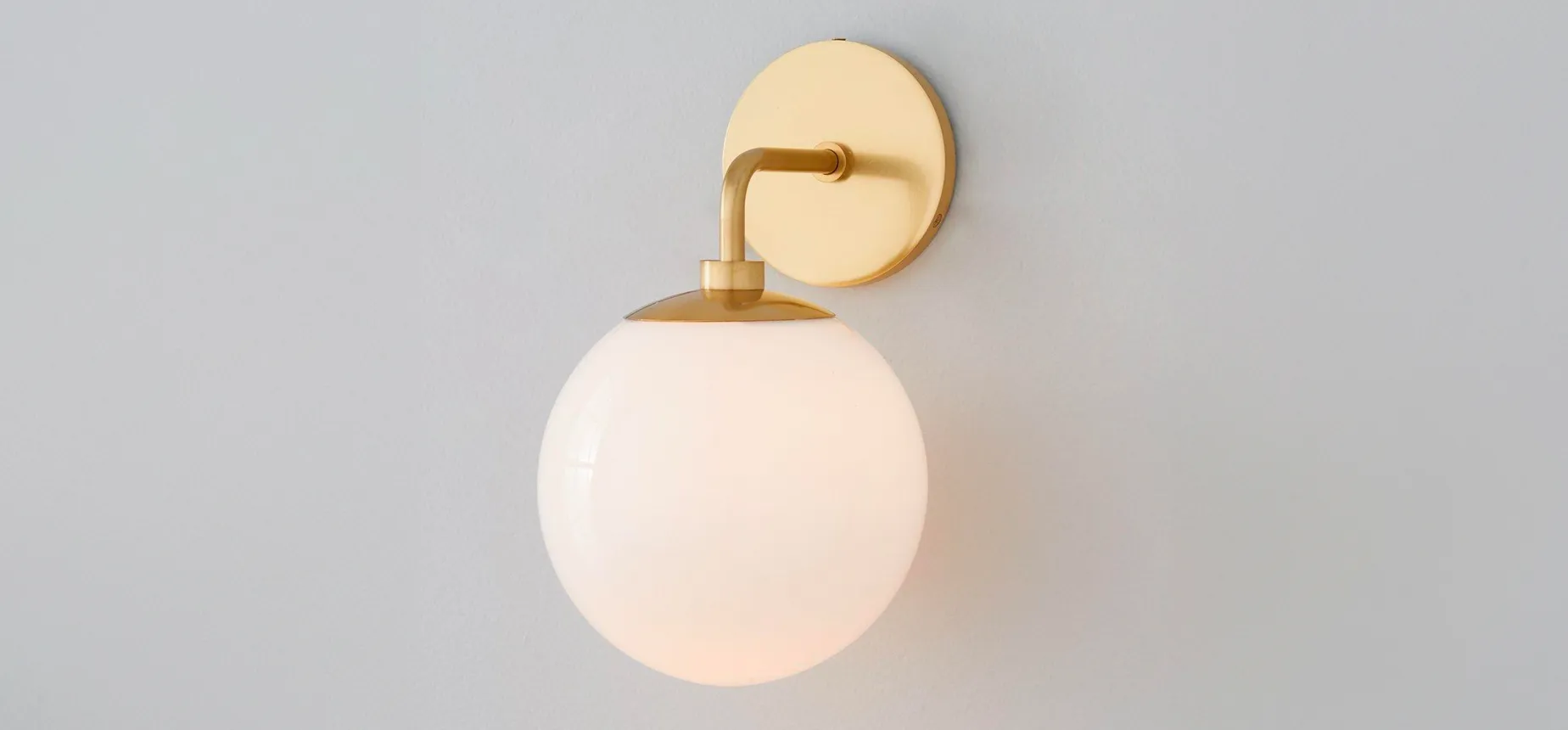
Whether modern, minimalist, traditional, or rustic, your new kitchen design requires lighting that complements and enhances the overall aesthetic. Sleek, contemporary lighting fixtures accentuate a modern kitchen's clean lines, while traditional fixtures better suit a rustic or classic kitchen. This consideration ensures that the lighting serves its functional purpose and contributes to the cohesive visual appeal of the space.
Energy Efficiency

Legrand
One of the reasons you may want to upgrade your lighting during a kitchen renovation is the multitude of benefits LED technology offers. Replacing older fixtures with LED options can be more energy-efficient and cost-effective in the long run. LEDs consume less power and have a longer lifespan than traditional bulbs, translating into tangible savings on energy bills over time. This efficiency is especially beneficial in the kitchen, where lights are frequently used for tasks and ambiance.
One of the most notable advantages of LED lighting is its longevity. LEDs can last many times longer than traditional incandescent or fluorescent bulbs. This extended lifespan means you won't need to replace your kitchen lights as often, leading to long-term savings and convenience. These factors create a more functional, comfortable, and sustainable kitchen environment.
Impact on the Renovation Project

Rejuventaon
One of the compelling reasons to consider upgrading your lighting fixtures during a kitchen renovation is the convenience and feasibility of doing it when your kitchen is already in a state of transformation. Installing new lighting, regardless of type, often involves complex electrical work.
This task becomes more straightforward when your kitchen is already disassembled for renovations. Walls may be open, and the electrical infrastructure more accessible, reducing the disruption and potential additional costs if you upgrade lighting later. This renovation period presents a prime opportunity to rethink your lighting needs and choices, ensuring that they align with your new kitchen design, both functionally and aesthetically.l
Conclusion
Replacing lighting fixtures during a kitchen renovation is a decision that hinges on multiple factors. It's not just about the immediate aesthetic appeal but also functionality, energy efficiency, cost, and the overall integration with the new kitchen design. Consulting with a professional designer or electrician can provide further insights tailored to your specific situation, ensuring that your renovated kitchen looks stunning and is a well-lit, energy-efficient, and functional space.
Keep reading
More on Lighting Fixture