Electrical Outlets: Voltage, Amps and Safety Guide
Electrical outlets are everyday fixtures that we rarely pause to think about. Yet, they play a crucial role in powering our daily lives. At first glance, an outlet might seem like a simple rectangle on a wall, often blending seamlessly with its surroundings through outlet covers made of plastic, metal, wood, or painted to match the wall. However, the real power source lies behind this cover: the receptacle.
The receptacle is the gateway to the electrical current in your home. Here, the prongs of your appliances' cords connect to three (or sometimes two) slots, tapping into the electrical system. Commonly referred to as outlets, receptacles, or plug-ins, these devices serve as the intermediary, transmitting electrical power to various loads within a household. A "load" in this context refers to anything that consumes electricity, from your blender and TV to the lights illuminating your rooms.
So why is there a variation between two and three prongs in outlets? The difference boils down to the presence or absence of grounding. Older homes, particularly those constructed before 1974 without subsequent updates, often feature two-pronged outlets. These provide an ungrounded connection, making them less secure against potential electrical hazards than their three-pronged counterparts. This shift towards safer, grounded outlets was spurred by the NEC in 1974, which mandated the installation of three-pronged, grounded receptacles in all new homes. So, if you're renovating a house from the pre-1974 era, replacing those older two-prong receptacles with the safer, grounded variety is typically required.
Today, three-pronged outlets are the norm in modern homes, especially post-1974 constructions. To put this in perspective, consider that the median age of a house in the U.S. is around 39 years, based on data from the National Association of Home Builders. This age varies from state to state, with homes in New York averaging around 60 years old and those in Nevada being the newest at an average age of 23.
These three-prong outlets offer a grounded connection and have an additional prong and slot. This design ensures protection against electric shocks and safeguards equipment from potential electrical damage. While the design has evolved, the specifications remain consistent, with most three-prong receptacles rated at 15 amps and 125 volts, including the third grounding prong.
Voltage Variation in Residential Outlets
The voltage an outlet provides determines the power capacity it can handle. Historically, the voltage specifications for residential outlets have evolved. Presently, most U.S. homes have outlets rated at 110, 115, 120, or 125 volts. The difference in voltage specifications has roots in the historical development of electricity distribution and the technical aspects of power transmission. The early days of electrical power saw a plethora of standards and systems. As technology and the electric power industry evolved, so did standards for voltage. Specific criteria became more prevalent due to efficiency, safety, and equipment compatibility.
In the early 20th century, 110 volts became a standard for household electricity in the U.S. As the electricity distribution system evolved, voltage gradually increased to account for more power-hungry appliances and reduce power loss during transmission. This is why the voltage slowly crept up to the 120 volts we commonly see today. However, the old terminologies like 110 and 115 volts persisted in some contexts, leading to our current range of terms.
Higher voltages can transmit more power with less loss. As household demands increased with the proliferation of electrical appliances, bumping up the voltage slightly made sense. This allowed for efficient power transmission without the need for entirely new infrastructure.
Even though we might refer to an outlet as being "120 volts," there's a tolerance to this rating. Due to factors like electrical resistance, voltage drops, and manufacturing variability, the exact voltage might fluctuate slightly. This is why you might hear variations like 115 or 125 volts—they account for these tolerances. It's always essential to know the specific voltage requirements and ensure compatibility, especially when dealing with older homes or equipment.
Amperage
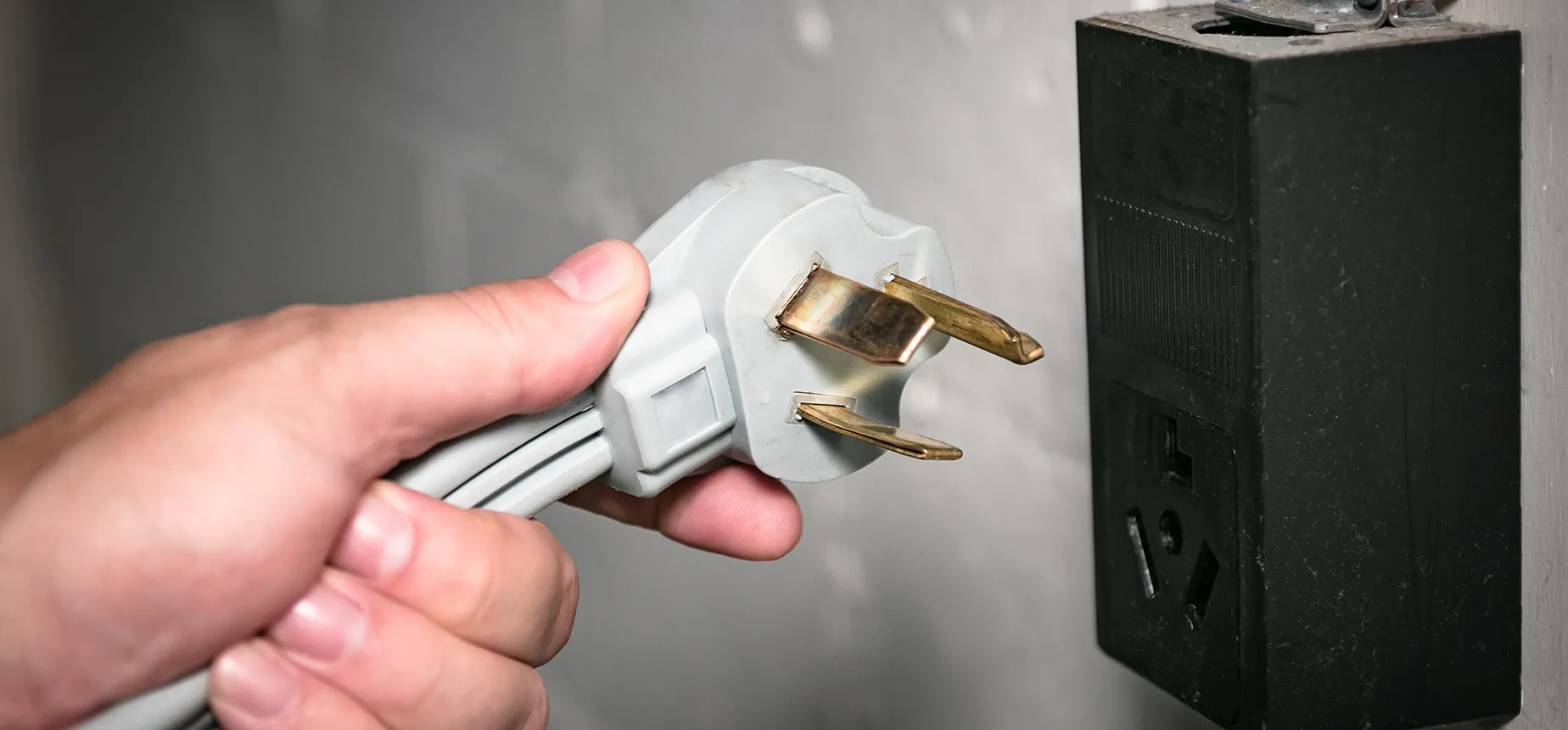
Another essential specification to understand is amperage. In simple terms, amperage measures the flow rate of electricity. A home's outlets can have an amperage ranging between 15 and 50 amps, determining the kind of devices and appliances they can safely power.
The total amperage available in a home depends on the service size that feeds the residence. In the United States, standard residential electrical service sizes are:
100 amps: This is often found in older homes or homes with fewer electrical demands. A 100-amp service may suit homes less than 1,000 square feet without central air conditioning or electric heating.
200 amps: This is the most common service size for an average-sized modern home. It provides ample power for most typical households, including those with central air conditioning, electric heating systems, and other high-demand appliances.
400 amps: Larger homes, typically those over 3,500 square feet with multiple major electrical appliances, might have a 400-amp service. This is often split into two 200-amp panels.
It's important to note that these are the ratings for the entire home's electrical service, not individual circuits. Individual circuit breakers typically range from 15 to 50 amps inside the house. A 15-amp circuit might feed lighting and general-use outlets, while a 50-amp circuit might power major appliances like an electric stove.
The total amperage available to a home ensures it can handle the combined demand of all devices and appliances that might be used simultaneously. If you are unsure about your home's service size or may need an upgrade, especially if adding major electrical appliances or an electric vehicle charger, it's wise to consult a licensed electrician.
Here are typical household devices and the amperage they commonly require for reference:
15-Amp Circuits
Light Fixtures: Most standard light fixtures and light bulbs.
Electronics: Devices such as televisions, computers, and phone chargers.
Small Appliances: Devices like coffee makers, toasters, and blenders often work on 15-amp circuits, provided they are used individually.
20-Amp Circuits
Kitchen Countertop Appliances: Microwaves, food processors, and powerful blenders often need this higher amperage to function efficiently.
Bathroom Outlets: Hair dryers, curling irons, and space heaters often run on 20-amp circuits due to their higher power demand.
Garage Tools: Some power tools, such as drills or saws, may require 20-amp circuits, especially if they are more powerful models.
30-Amp Circuits
HVAC Units: Some smaller air conditioning units or standalone heaters might require this amperage.
Clothes Dryers: Some models, especially those that are less energy-efficient.
Water Heaters: Some medium-sized water heaters may run on 30-amp circuits.
40 to 50-Amp Circuits
Electric Ranges: Due to their significant power consumption, most electric stoves or ovens require higher amperage.
Central Air Conditioning Units: Larger units that cool entire homes often require this power.
Electric Furnaces: These can demand a lot of power, especially during start-up.
Large Water Heaters: These are especially units designed for larger homes or multiple users.
Always refer to the specific device or appliance's manufacturer specifications and ensure compatibility with your home's electrical system. Overloading a circuit can result in issues or potential hazards. It's also vital to be aware that while the circuit's rating might be 15, 20, 30, or 50 amps, devices should not continuously draw the circuit's maximum amperage to prevent overheating and potential electrical issues.
Special Considerations
Legrand
The National Electrical Code (NEC) outlines specific requirements regarding outlet types for different home parts.
Bathrooms: The NEC mandates that bathroom outlets be on 20-amp circuits. These circuits should be wired using 12 AWG (American wire gauge) cable and protected by 20-amp breakers to ensure safety, especially given the bathrooms' moisture-prone environment.
Kitchens: The NEC recommends a minimum of two separate 20-amp circuits for small-appliance receptacles on countertops. This specification ensures that powerful kitchen appliances like blenders or toaster ovens can operate without overloading the system.
Specialized Areas: For spaces like laundry areas, garages, and workshops, where tools and machinery might demand higher power, 20-amp circuits are essential. These circuits ensure that appliances and devices in these areas have the power to operate efficiently and safely.
While the various voltage terms may seem confusing, they result from historical evolution, technological progress, and the intricacies of power distribution. It's always important to know the specific voltage requirements and ensure compatibility, especially when dealing with older homes or equipment.
Conclusion
It quickly becomes apparent that outlets are more than just points where power meets our devices; they are crucial components that drive the functionality and safety of our homes. From understanding the significance of grounding in three-prong outlets to navigating the variations in voltage and amperage, each detail contributes to a well-designed electrical system. Upgrading old two-prong outlets, recognizing the capacity of your home's service size, and ensuring that particular areas of your home meet National Electrical Code requirements are all steps towards optimizing your electrical infrastructure. Whether accommodating the power needs of a gourmet kitchen or ensuring the bathroom outlets can safely power high-demand appliances, the proper knowledge and preparation can transform how electricity serves our daily lives, marrying convenience with safety.