Levantina
Granite Interior Walls: Cost, Pros, and Design Options
Levantina
With its profound geological roots, Granite has been a symbol of durability and elegance throughout human history. Formed from the slow crystallization of magma deep within the Earth's crust, this coarse-grained, igneous rock has a legacy that traces back to ancient civilizations. Renowned structures, from the majestic Egyptian pyramids to the enduring Roman monuments, utilized granite for its resilience and as a symbol of permanence and authority. In early societies, granite was often used in sacred or royal edifices, underscoring its esteemed status.
Varieties of Granite for an Interior Wall Material
Color and Patterns

Levantina
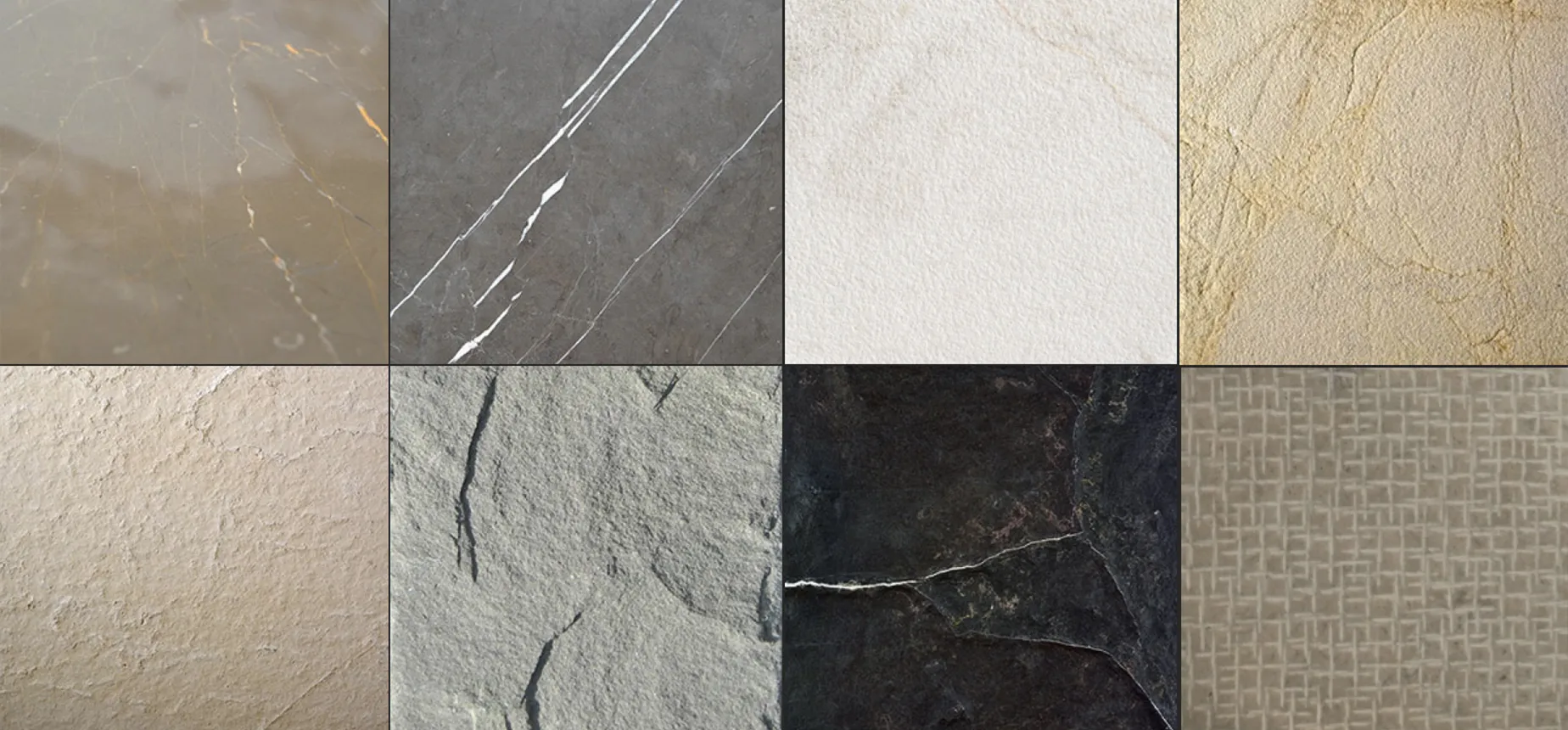
Granite boasts a wide array of colors and patterns, each contributing its unique charm. The spectrum ranges from subtle, neutral tones like greys and beiges to striking colors like deep blues, greens, and classic blacks. These colors often come with distinctive veining and speckled patterns inherent to granite's natural formation, adding depth and visual interest to walls.
Shapes and Sizes

Levantina
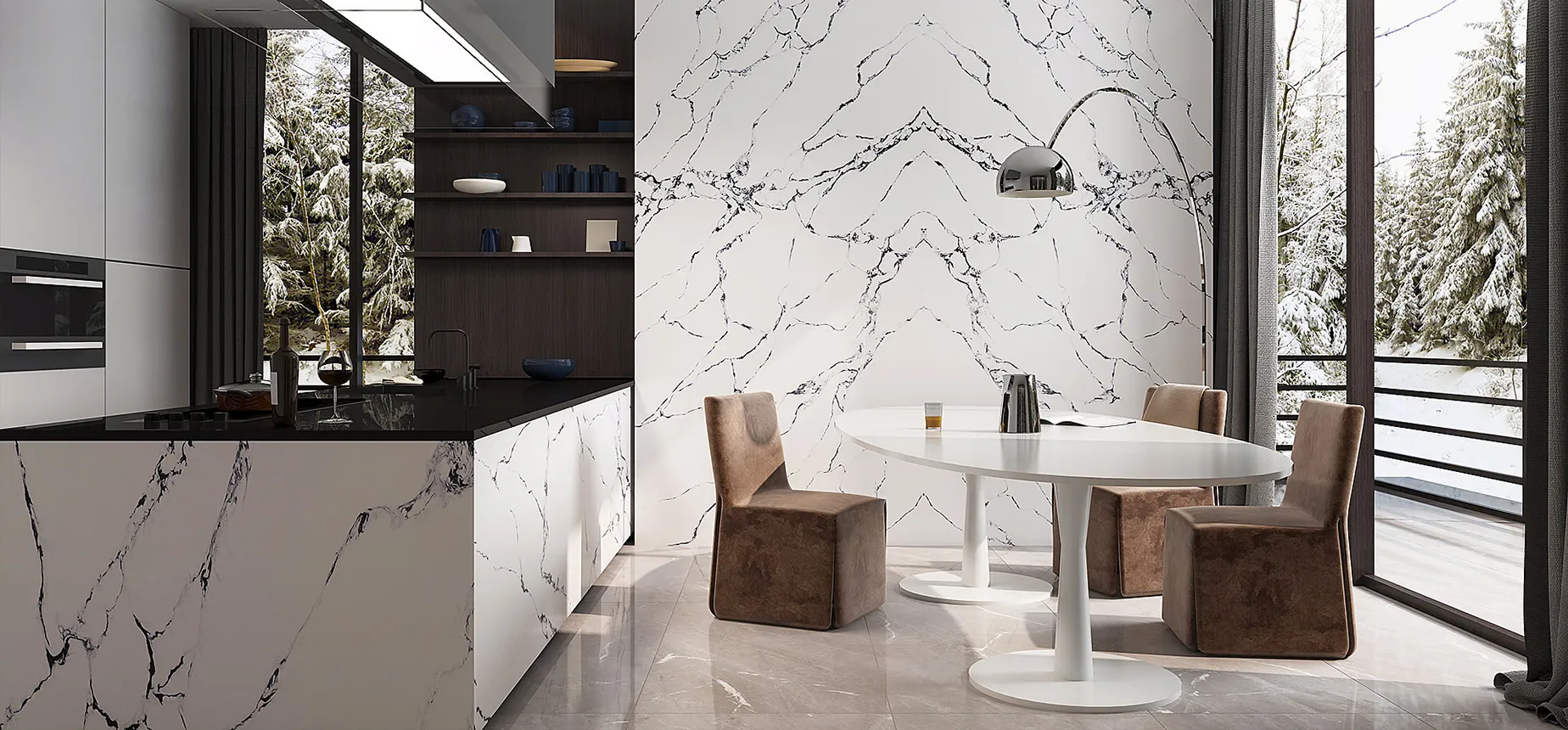
Granite's versatility is evident in its availability in various shapes and sizes, catering to different design needs. Large granite panels are particularly effective for creating a bold and seamless look. These expansive pieces allow the stone’s natural beauty and intricate patterns to make a grand statement, enhancing the room's overall ambiance.
On the other hand, granite tiles offer a different kind of aesthetic flexibility. They come in a range of sizes, from small mosaic tiles perfect for detailed and intricate designs to larger, standard tiles suitable for more uniform and expansive cladding projects. The choice between large panels and smaller tiles typically depends on the specific design goals, the area of application, and budget considerations.
Textures and Finishes

Levantina
The granite texture varies, contributing to its appeal as a wall material. Polished granite provides a sleek, glossy finish that highlights the stone’s rich colors and patterns, lending a luxurious feel to the space. With its matte finish, Honed granite offers a more understated and contemporary appearance.
In addition, granite can undergo different finishing processes like flamed, leathered, or brushed finishes, each imparting a unique texture and feel to the stone. These finishes can influence the granite's look and feel, from smooth and sophisticated to rough and rustic, adding character and aligning with various interior design themes.
Edge Treatments
The edges of granite tiles or slabs can be customized to suit different design preferences. Clean, straight edges give a modern and minimalist look, while beveled or rounded edges offer a more classic and elegant appeal. Choosing different edge treatments enhances granite’s versatility as a wall cladding material, making it adaptable to various interior design styles.
The Advantages of Granite as an Interior Wall Material

Levantina
Granite adds a distinctive, elegant touch to interior spaces with its diverse texture and color palette. Available in a range of hues from subtle greys and classic blacks to more vibrant reds and blues, granite offers a versatile aesthetic that can enhance various design themes. Each piece of granite is unique, featuring individual patterns and shades that bring a custom, upscale quality to any design.
Known for its robustness and durability, granite is an ideal choice for areas that experience heavy use, making it perfect for high-traffic spaces or busy households. Its resistance to moisture, heat, and scratches means that granite maintains its appearance over time, minimizing the need for constant repair or replacement.
Granite is relatively low-effort compared to other materials. A properly sealed granite wall is resistant to stains and smudges and relatively easy to maintain, requiring only mild detergent for cleaning. This ease of maintenance makes granite a practical and appealing option for residential environments. Sealed granite is also non-porous, making it an excellent choice for hygienic environments.
Furthermore, granite possesses natural thermal properties. It can absorb and release heat slowly, helping regulate indoor temperatures. This can contribute to energy efficiency, keeping spaces cooler in the summer and warmer in the winter.
The Drawbacks of Granite as an Interior Wall Material

Cosmos Surfaces
High-quality granite, especially high-quality variants, can be costly and more expensive than many other wall materials.
Granite is a very heavy material, posing significant challenges during installation. Its weight demands sturdy support structures, particularly for larger slabs. The wall surface must be properly prepared, cleaned, and leveled before installation to avoid issues like misalignment or unevenness, which can add to the overall cost and complexity of the project.
Although granite offers a range of colors, its palette is naturally limited compared to options like painted or treated materials. This can restrict design choices for those seeking a broader color spectrum or specific hues.
As a hard material, granite does not absorb sound well, which can affect the acoustics in a room. This might be a consideration in spaces where sound dampening is desired.
Environmental Impact

Daltile
Granite extraction, as with most mining activities, has environmental implications. Large-scale quarrying can lead to habitat destruction and can also consume considerable energy. Moreover, the transportation of granite, especially if imported from far-off locales, contributes to its carbon footprint. However, its longevity can be viewed as an environmental advantage. Unlike some flooring options that need replacement every few years, granite's enduring nature means less frequent turnover, reducing consumption over time.
Cost Considerations

MS International, Inc
The cost of granite for wall cladding varies based on type, color, rarity, origin, and transportation. Exotic and rare varieties tend to be more expensive. Local granite can often be more cost-effective than imported varieties, primarily due to reduced transportation expenses. However, it's important to note that the final cost can still vary based on the local granite's specific type, color, and rarity. Installation costs vary, influenced by the project's complexity and local labor rates.
Conclusion
Granite wall cladding merges nature’s strength and beauty, offering a luxurious, durable, and timeless option for modern construction. While considering granite for wall cladding, it's important to balance its aesthetic appeal with cost and environmental considerations, ensuring it aligns with individual preferences and practical requirements.
Keep reading
More on Stone