Linnstone
Quartz Interior Walls: Durability, Style, Costs & More
Linnstone
Quartz, renowned for its durability and aesthetic versatility, is a popular choice for interior wall applications in modern and classic settings. This engineered stone is made by combining quartz crystals with resin and pigments, creating a material that is both durable and beautifully diverse in appearance. Quartz is known for its wide range of colors, from subtle neutrals to bold hues, and its consistent texture and tone, lending a sleek and contemporary look to any space.
Varieties of Quartz for Walls
Linnstone
Colors
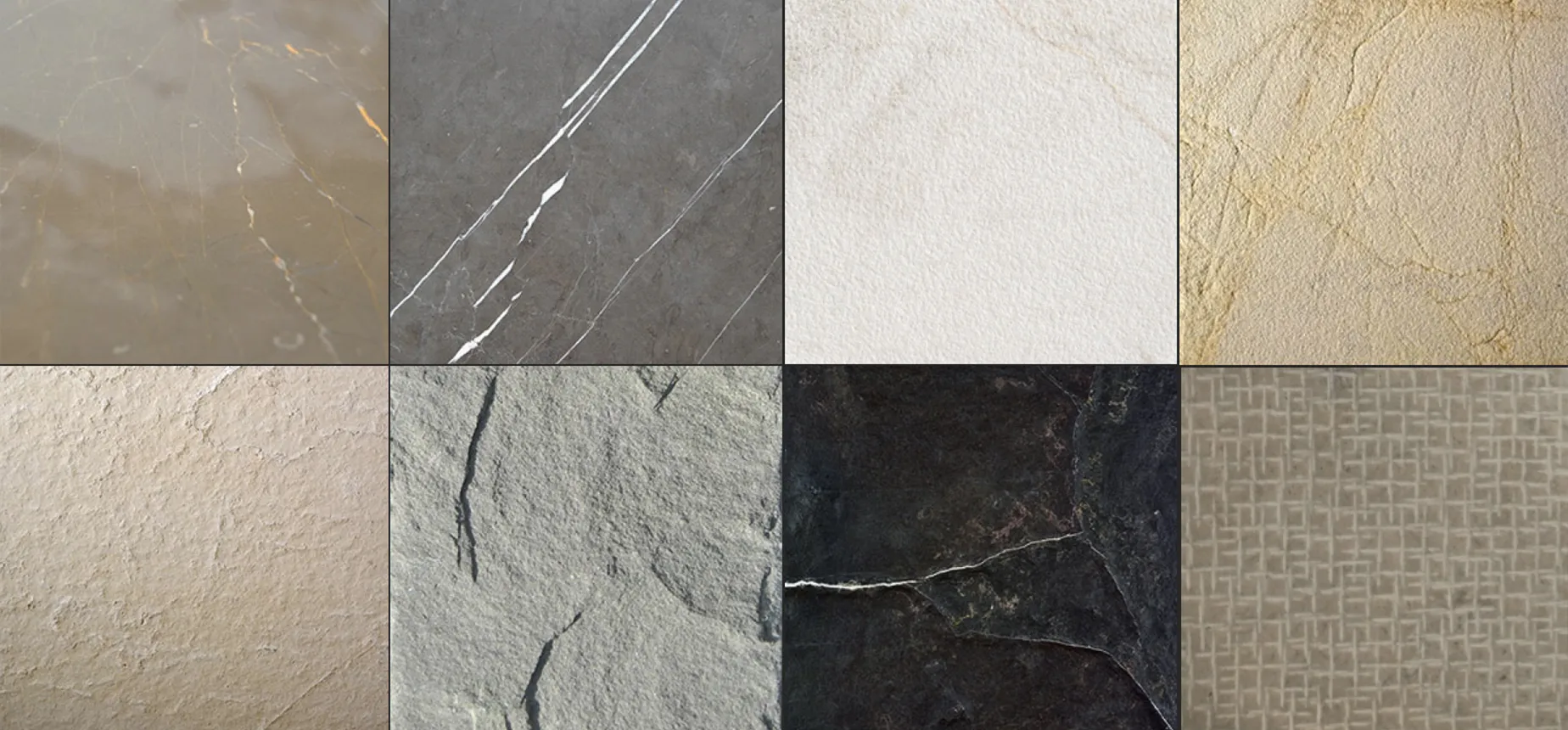
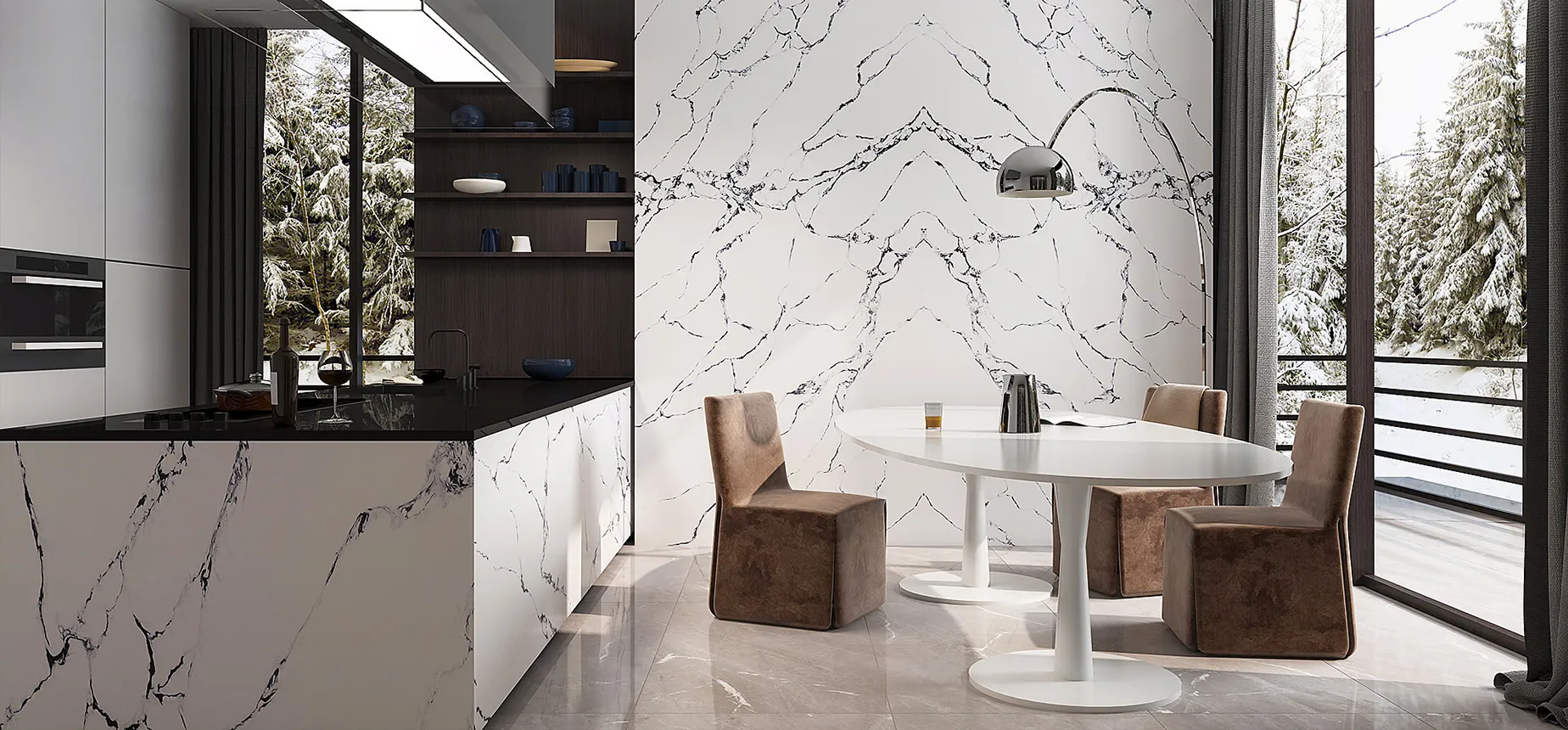
Quartz offers many colors and patterns, each contributing a distinct character to interior spaces. Thanks to its engineered nature, quartz can be crafted in many colors, from natural stone-like tones to more vibrant and uniform shades. This control over color and pattern is a key attribute that distinguishes quartz as a material, allowing for a high degree of customization in design.
Shapes and Sizes
Quartz is available in various formats for wall applications. Large quartz slabs create an expansive, seamless look, perfect for achieving a striking, continuous surface in spacious areas. Alternatively, quartz tiles are available in various sizes, from small and detailed to larger, standard wall tile sizes. This variety allows for diverse design layouts, catering to different aesthetic preferences and functional requirements.
Textures and Finishes
The texture of quartz ranges from smooth and polished surfaces that fit seamlessly into contemporary designs to more textured finishes that add depth and interest to a space. The engineered nature of quartz allows for a variety of finishing techniques. Polished quartz offers a glossy, reflective finish, highlighting the stone’s color and pattern, while honed quartz provides a more matte, understated look.
Edge Treatments
Quartz tiles or slabs can be finished with various edge treatments to suit different design needs. Clean, straight edges offer a modern, precise appearance, while beveled or rounded edges impart a softer, more traditional look. The versatility in edge finishing enhances quartz’s adaptability, making it suitable for a range of interior design styles, from sleek and modern to warm and traditional.
Advantages of Quartz for Walls
Caesarstone US
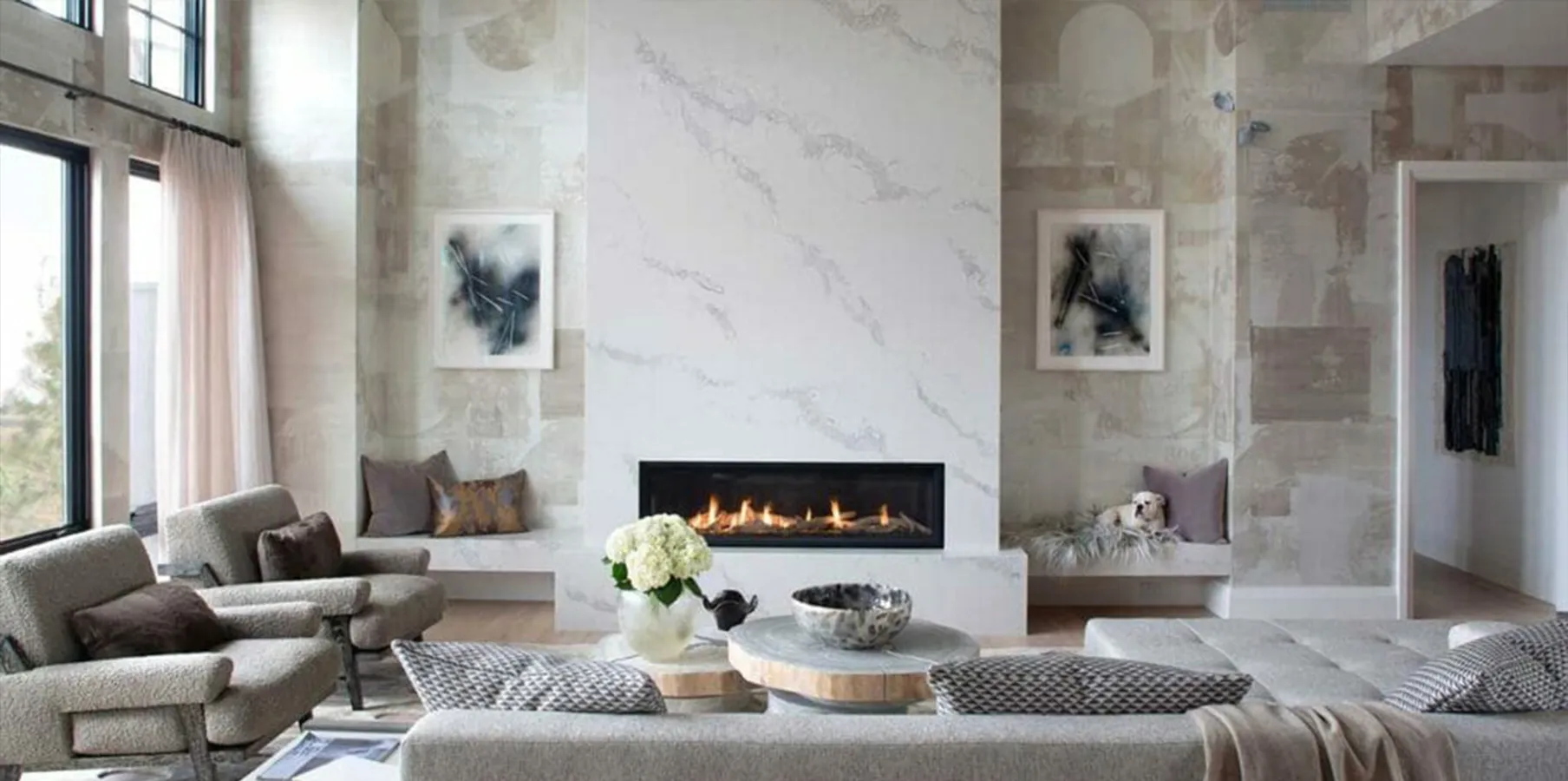
The primary advantage of quartz as a wall material is its exceptional durability. Highly resistant to scratches, chips, and stains, quartz is suitable for high-traffic areas in both residential and commercial settings. This resilience ensures that quartz walls maintain their appearance for many years with minimal maintenance required.
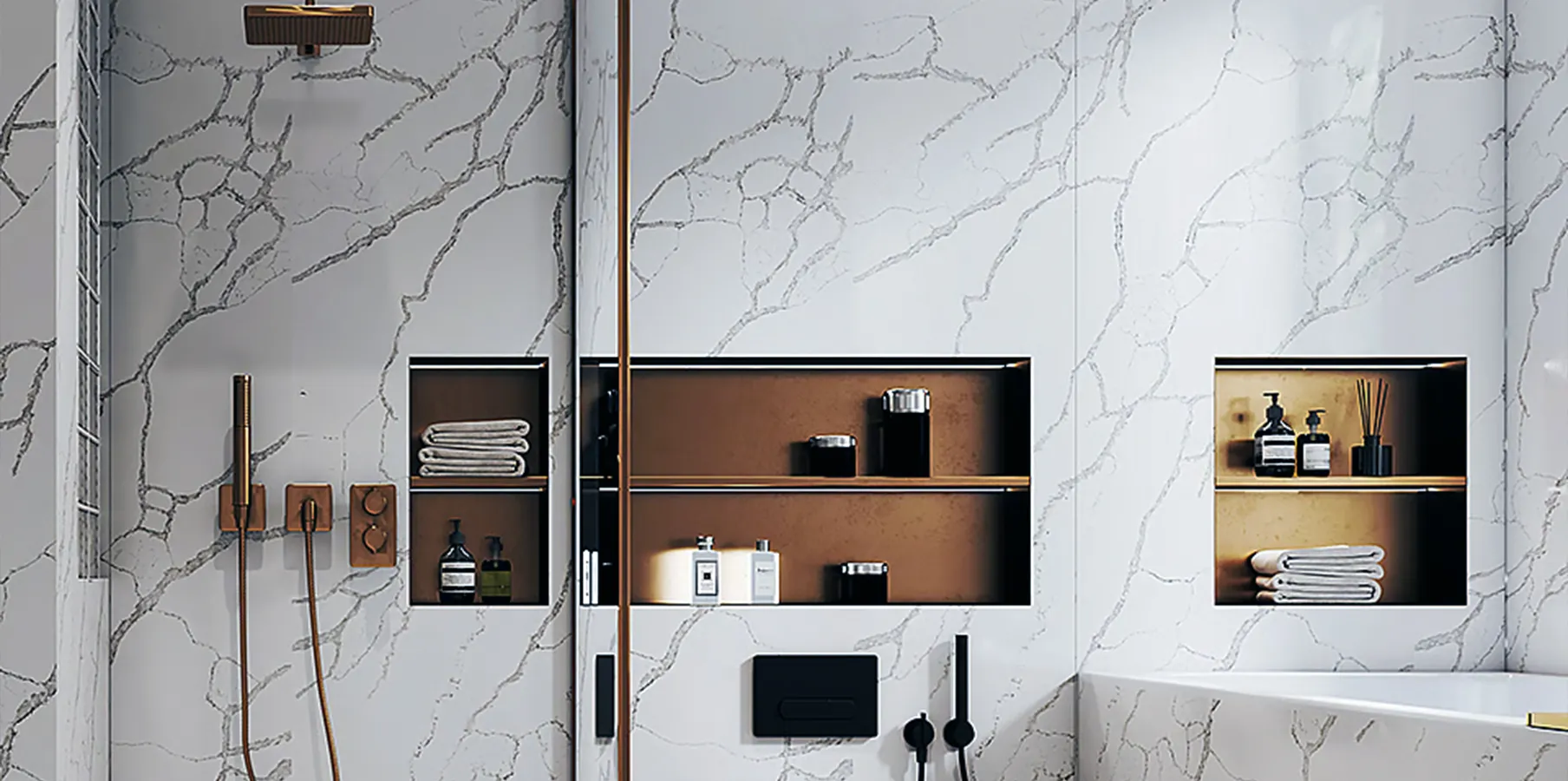
Being non-porous, quartz does not absorb liquids and resists staining, making it easy to clean and an excellent option for spaces where hygiene is essential, such as kitchens and bathrooms.
Another significant benefit is quartz’s uniform appearance. Unlike natural stone, which can vary greatly, quartz provides the consistency often sought in design schemes where uniformity is essential.
Drawbacks of Quartz for Walls
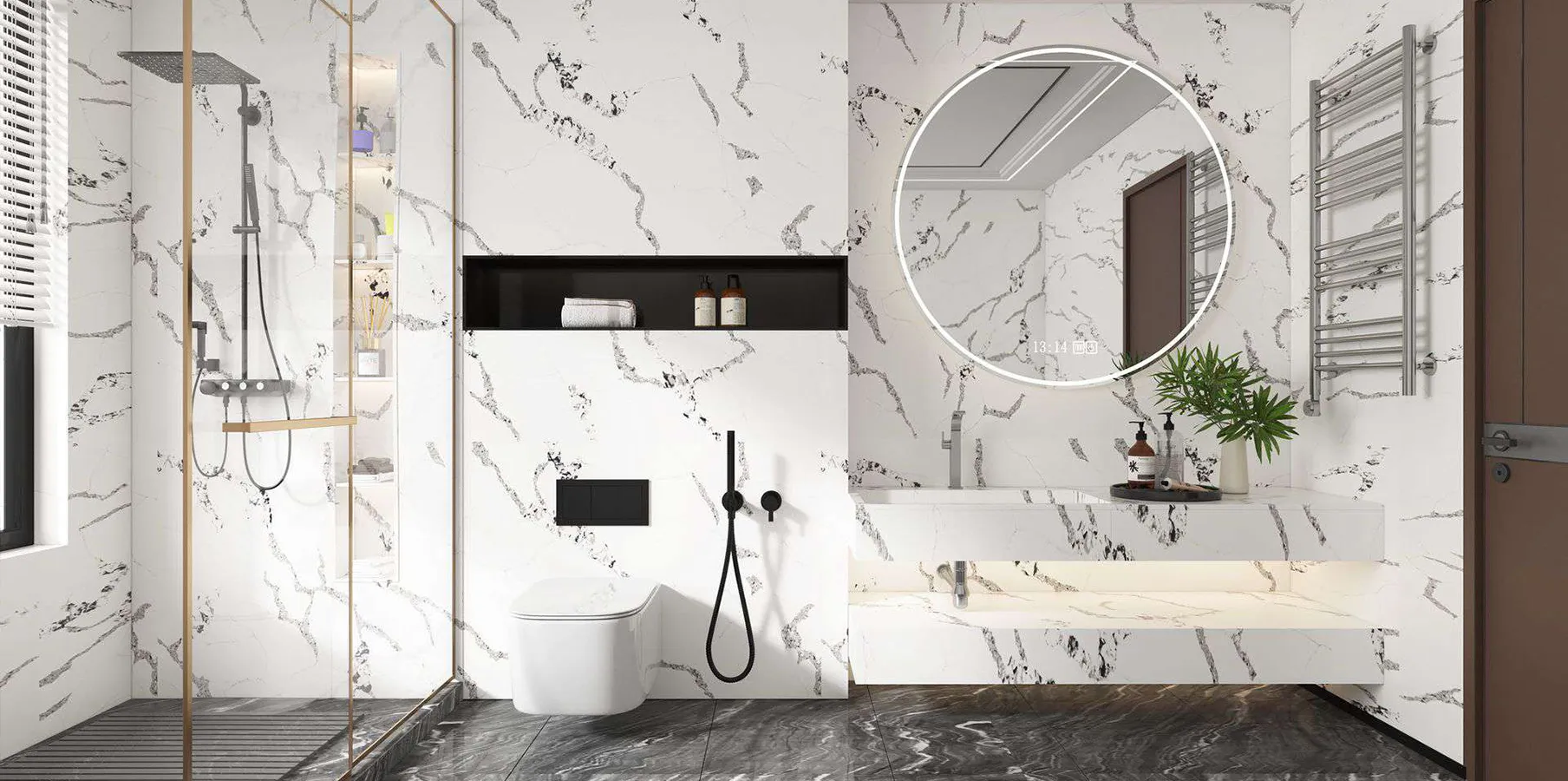
Linnstone
When considering quartz as a wall material, it's essential to recognize its drawbacks alongside its advantages. A key consideration is its aesthetic limitations. While quartz offers a variety of colors and patterns, it lacks the natural variance and organic character of materials like natural stone or wood, which may be preferable for those desiring a more unique or rustic look.
Regarding thermal properties, quartz is less efficient as an insulator than other materials, potentially impacting energy efficiency in environments where temperature regulation is important.
Acoustically, quartz walls do not provide the same level of sound insulation as softer or more porous materials, which could lead to a more echo-prone environment in large or open spaces.
The weight of quartz also necessitates additional structural support, especially for larger installations, complicating construction and potentially limiting its use in certain types of homes.
Finally, quartz's chemical sensitivity requires careful selection of cleaning agents to avoid surface damage, an essential factor for long-term maintenance.
Environmental Considerations
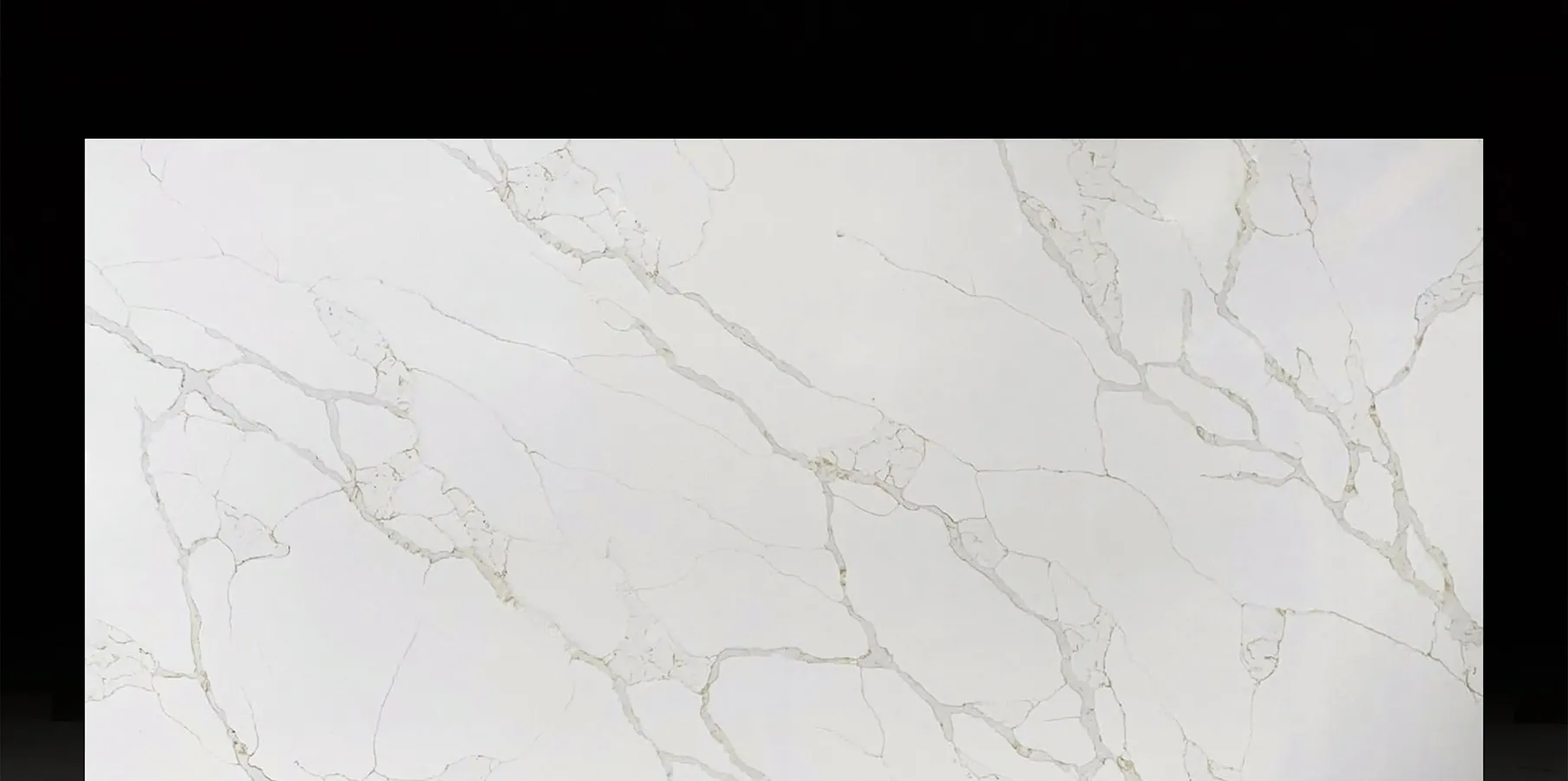
Granite Factory Direct
Quartz production involves mixing natural quartz with synthetic resins and pigments, which can be energy-intensive and include various chemicals. However, the process is less environmentally invasive than quarrying natural stone. Many manufacturers are now incorporating recycled materials, enhancing sustainability. Quartz's durability also means less frequent replacement, reducing long-term waste. However, the environmental impact of transporting quartz, particularly from distant sources, is a factor to consider.
Cost Considerations
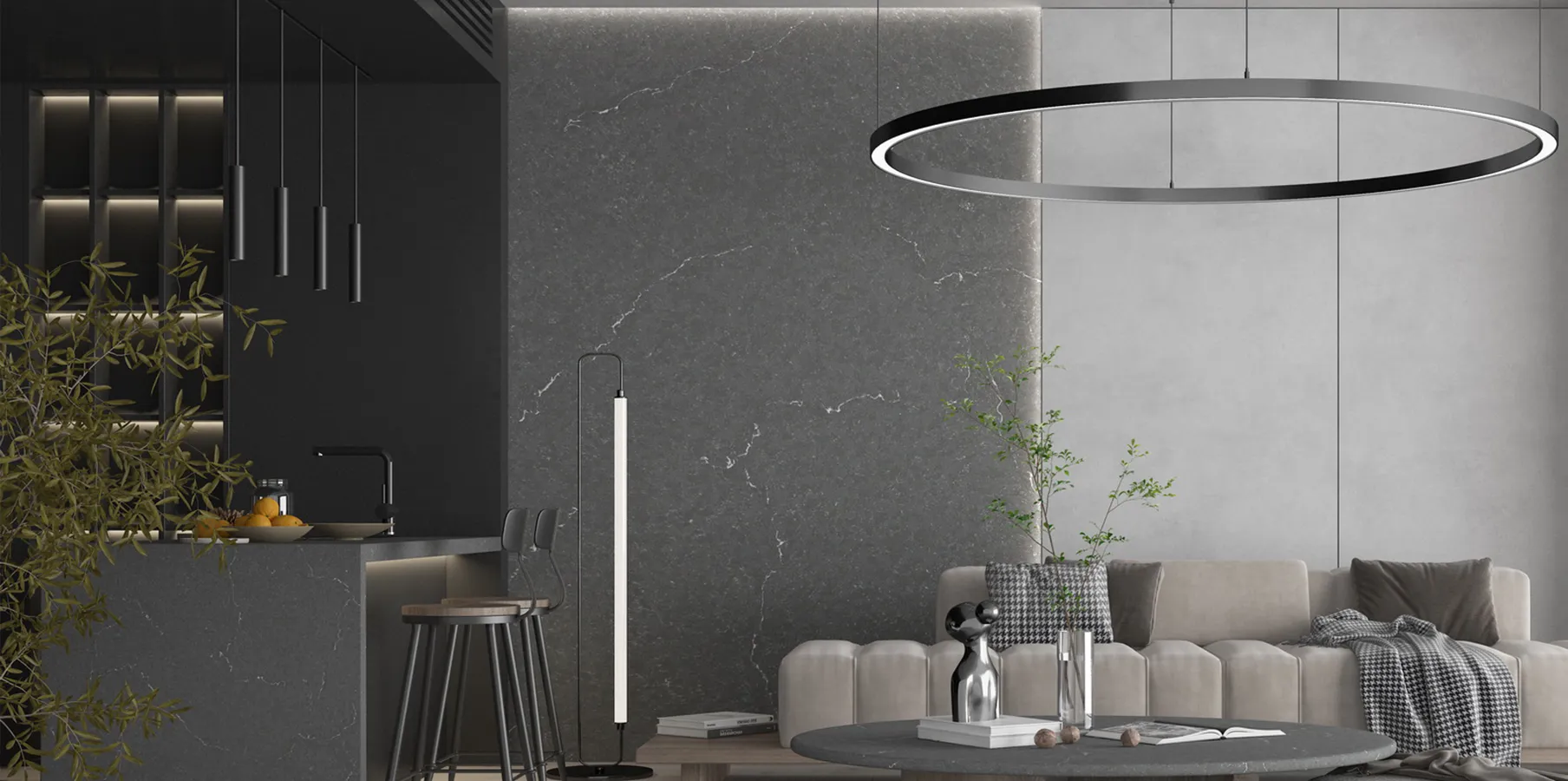
Linnstone
The cost of quartz varies based on quality, customization, and thickness. Higher quality and custom designs typically command a higher price. While the initial investment in quartz is often higher than other materials, its durability and low maintenance can make it more economical.
Installation costs are an additional factor, as quartz requires professional fitting due to its weight and handling needs. Despite the upfront cost, quartz's longevity and ease of care offer long-term savings.
Summary
Quartz wall coverings are a mixture of durability, aesthetic versatility, and practicality, making them a compelling choice for various interiors. With its extensive selection of colors and patterns and its resistance to wear and damage, quartz is a practical yet stylish option.
When considering quartz for walls, it's important to weigh its long-lasting durability and design flexibility against considerations of cost, comfort, and installation requirements to ensure it aligns with your specific needs and preferences.
Keep reading
More on Stone