Tino Stone
Textures for Stone Wall Materials: Finishes Compared
Tino Stone
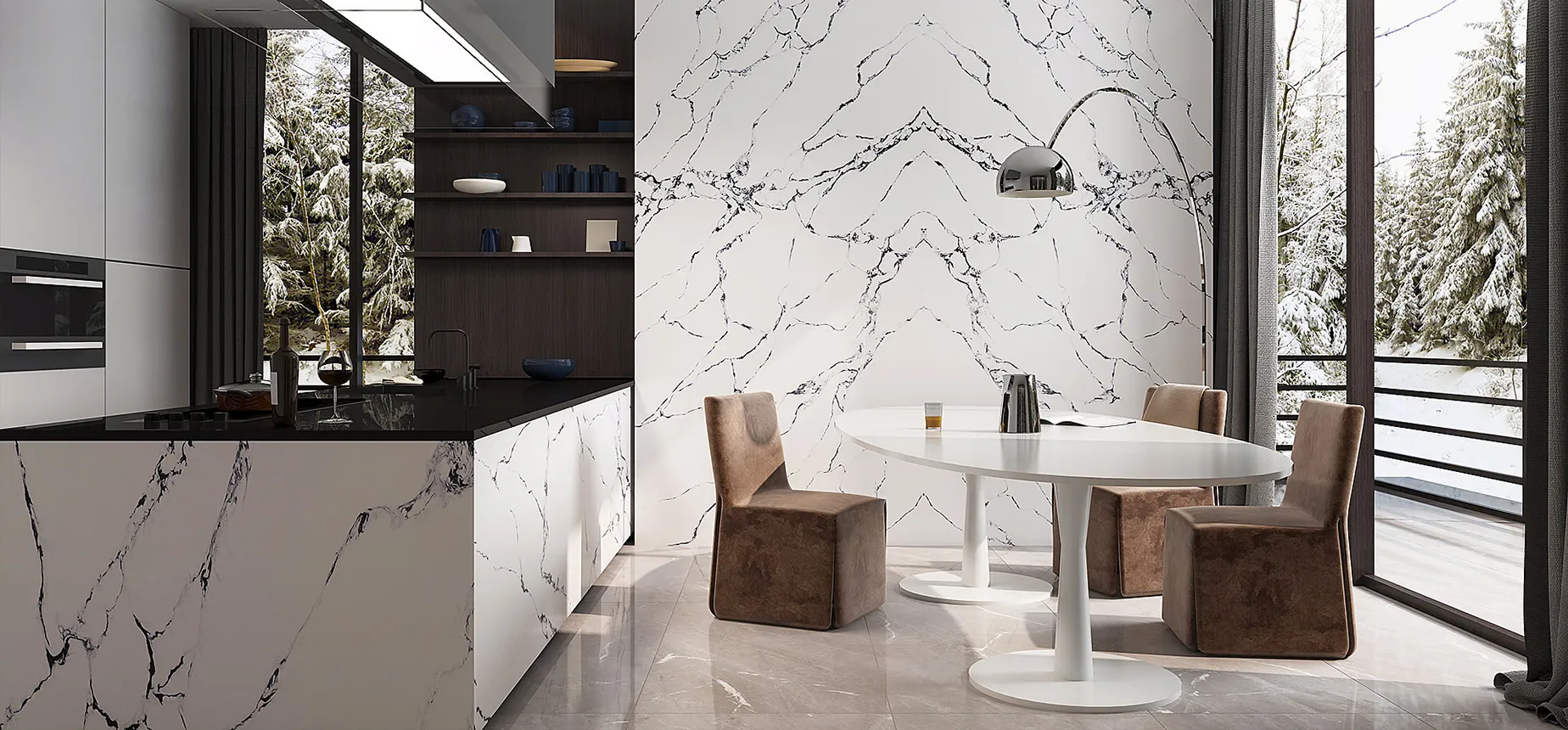
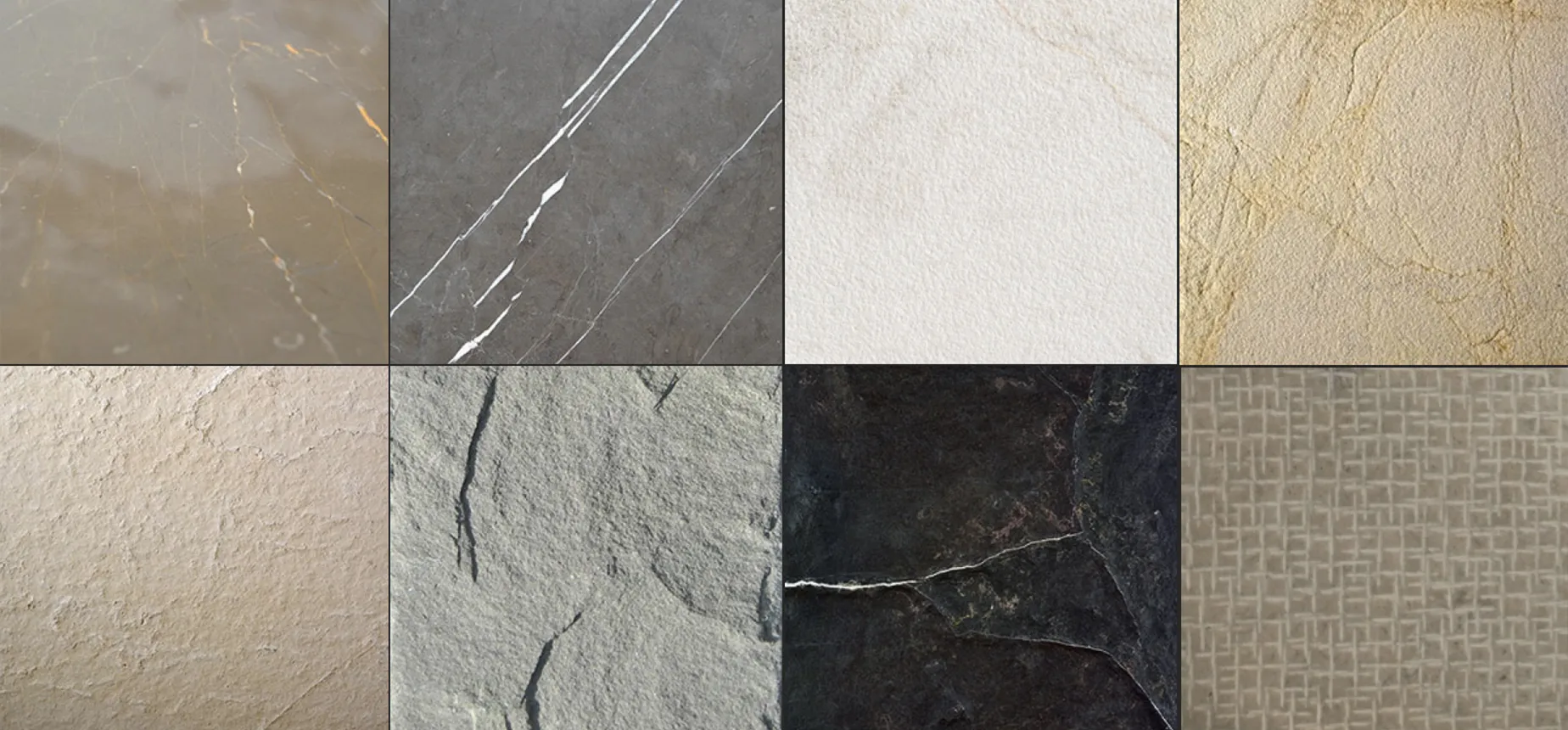
Stone textures are vital for their visual impact and functionality when used as a wall material. This guide highlights various textures and finishes available for stone and their suitability for different wall applications. From polished stone's smooth, reflective surfaces to the natural ruggedness of rough textures, each offers unique characteristics affecting its use and upkeep. Understanding their advantages and limitations is essential in selecting the ideal stone texture for your walls.
Polished Stone
Tino Stone
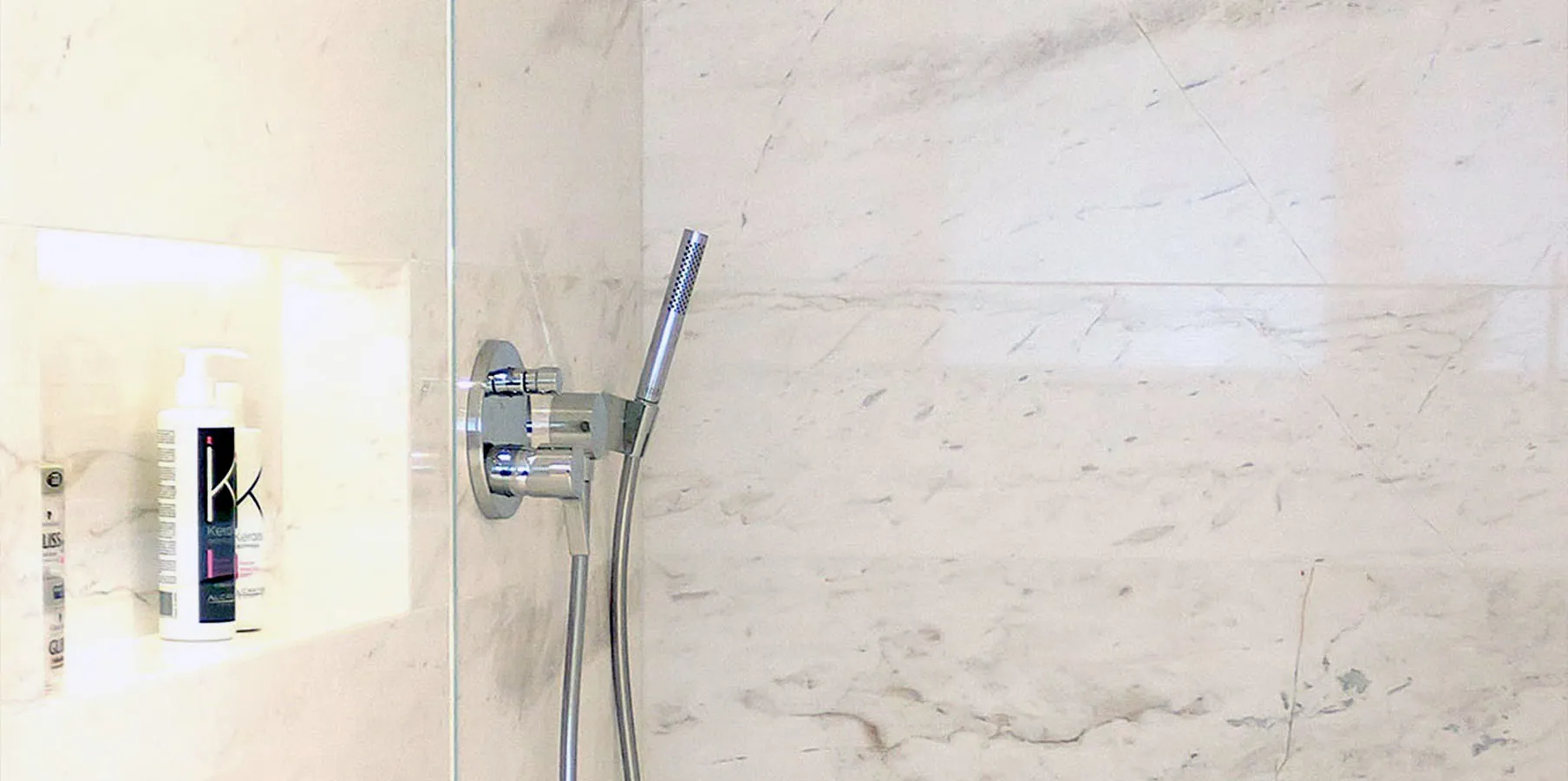
Polished finishes in natural stone are celebrated for their sophisticated and elegant look. They bring out natural patterns and colors, creating a reflective surface that enhances space perception.
The polishing of stone is achieved through a multi-step process that involves grinding and buffing the stone surface to a smooth and shiny finish. The entire process requires skill and experience, as different types of stone (like granite, marble, or limestone) have different characteristics and may require adjustments in the polishing process. The goal is to achieve a smooth, reflective surface highlighting the stone's natural colors and patterns.
Ideal for modern and minimalist interiors, polished stone is a popular choice for feature walls in living rooms and reception areas. It amplifies both natural and artificial light, lending luxury and sophistication. However, it may show scratches and marks, requiring consistent maintenance.
Sandblasted Stone
Tino Stone
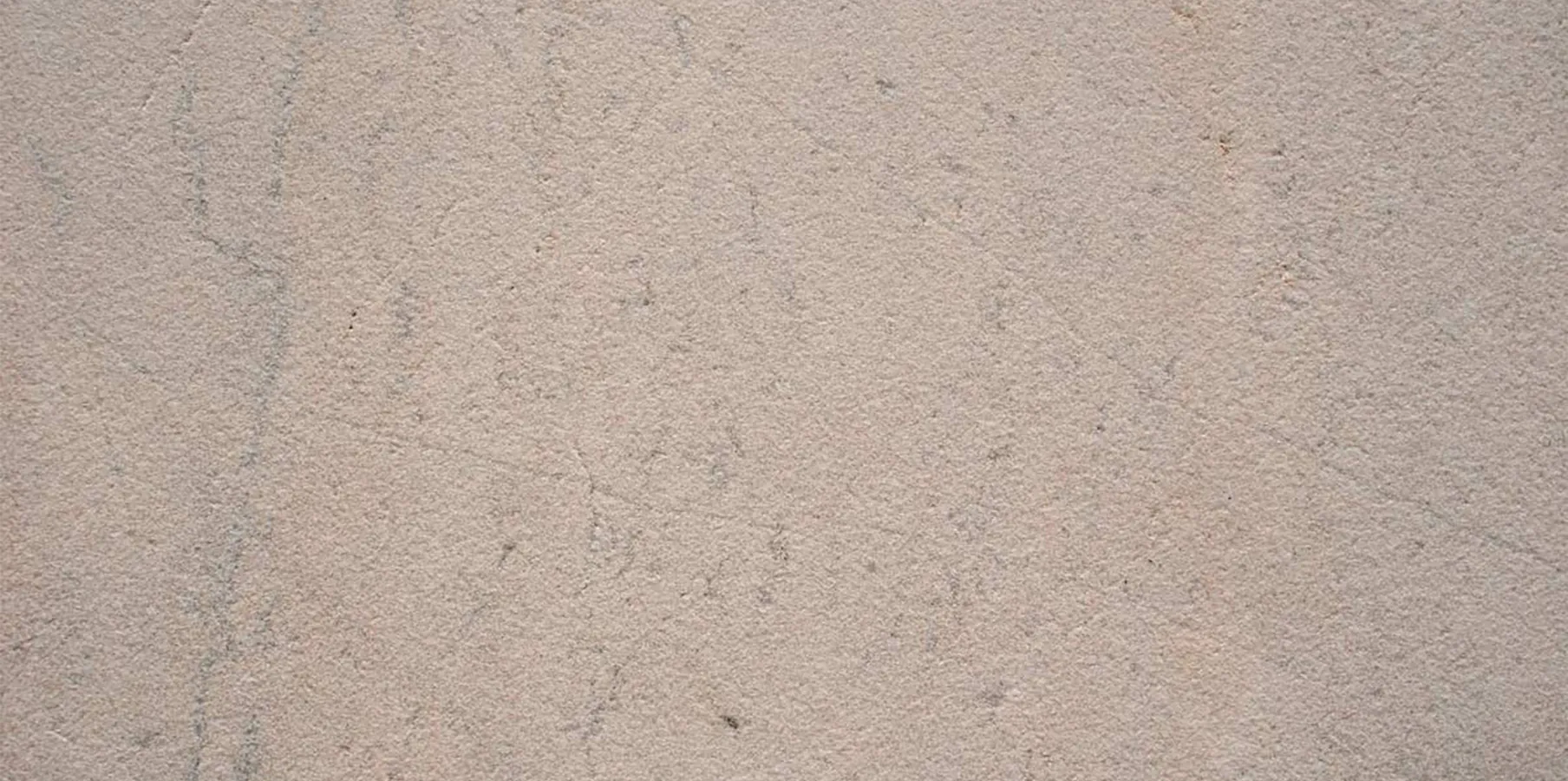
Sandblasted stone, typically found in materials like sandstone and limestone, offers a matte finish with a textured surface. This texture is achieved through high-pressure blasting, enhancing the stone's natural colors and patterns while providing a visually appealing and functional surface.
The sandblasting gives the stone a distinctive look and enhances its slip-resistant properties, making it a safer choice for moisture-prone areas. Its subtle elegance and matte texture, effective in concealing wear, make sandblasted stone suitable for various applications in rustic-themed rooms and contemporary spaces seeking understated charm. It can be used in rustic settings for features like fireplace surrounds or as a focal point on accent walls. In contemporary designs, sandblasted stone works well as a unique backdrop for modern art or as a textural contrast in minimalistic spaces.
Its ability to balance beauty with durability makes it a practical and attractive option for interior and exterior applications. Sandblasted stone can enhance a space's aesthetic appeal and functionality as a statement piece or a subtle background element.
Irregular Surface Stone
Surface Shop
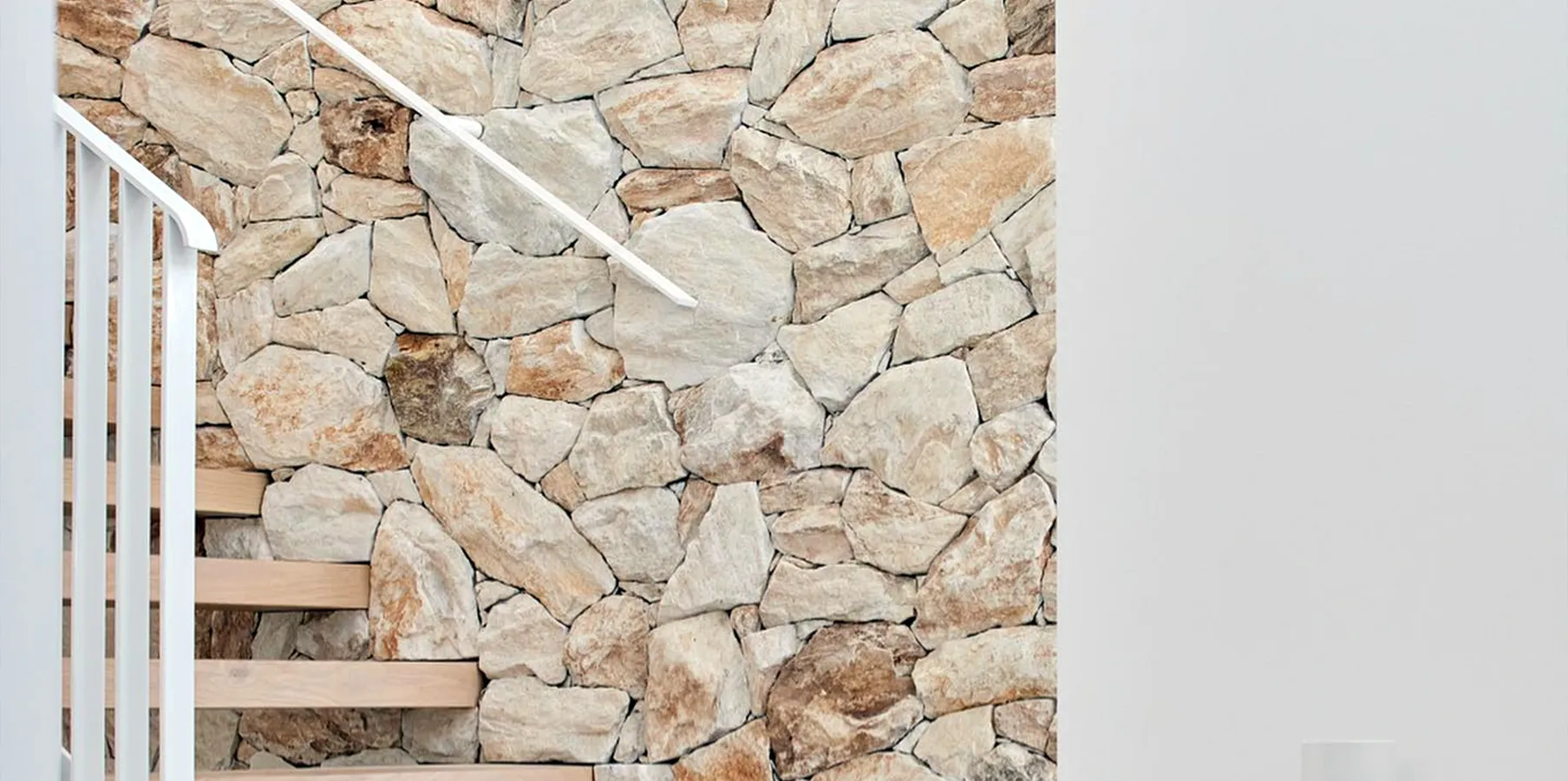
Stone with irregular surfaces, like certain quartzite and slate types, offers an organic and unique aesthetic. These textures are perfect for foyers and accent walls, bringing a distinctive, natural element indoors that creates an engaging, stylish, and eye-catching focal point.
Stones with irregular surfaces on walls may require more attentive care regarding maintenance and cleaning, The uneven and textured nature means that dust and debris can settle in their nooks and crannies, so regular cleaning is necessary to maintain their appearance.
While these stones provide a unique aesthetic, it's important to consider their long-term durability on walls. They are generally robust but might be more susceptible to chipping or wear over time, especially in areas with frequent contact or environmental exposure. Additionally, for wall applications, the tactile aspect should be considered. The irregular texture adds a unique tactile element to a space but might not be suitable for areas where a smooth surface is preferable for safety or comfort.
Naturally Rough Stone
Stone Curators
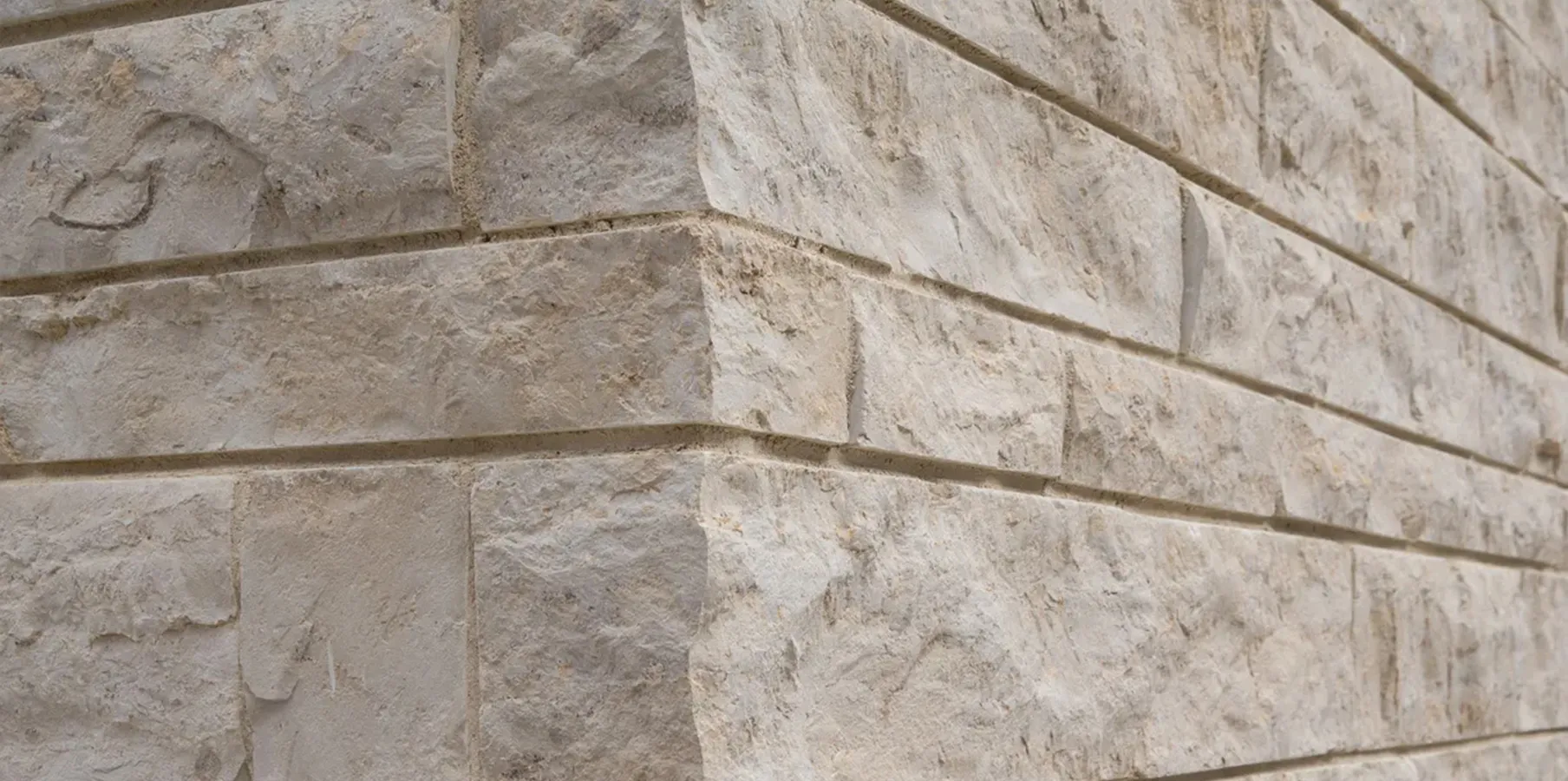
Incorporating naturally rough stones like flamed granite or textured slate into wall designs can imbue spaces with a raw, earthy charm. This type of stone is particularly suitable for nature-inspired designs and rustic settings, offering an authentic and rugged appeal.
Its unevenness, while providing slip resistance for flooring applications, can add a unique tactile and visual dimension when used on walls, enhancing the sensory experience of a room.
Ideal for creating a sense of retreat and connection with the natural world, these textures fit well in various design contexts, from spa-inspired bathrooms and garden walls to outdoor kitchens.
They are especially effective in traditional and contemporary rustic designs, where their natural ruggedness complements the overall aesthetic.
Considering the installation process when employing naturally rough stone in-wall applications is important. The irregularities and textures of these stones may require specialized installation techniques to ensure they are securely and attractively fitted. Maintenance is also a key consideration; the textured surfaces might accumulate dust and require specific cleaning methods to maintain their natural beauty. Overall, using naturally rough stone on walls can provide a striking and authentic natural element that is visually appealing and rich in texture.
Conclusion
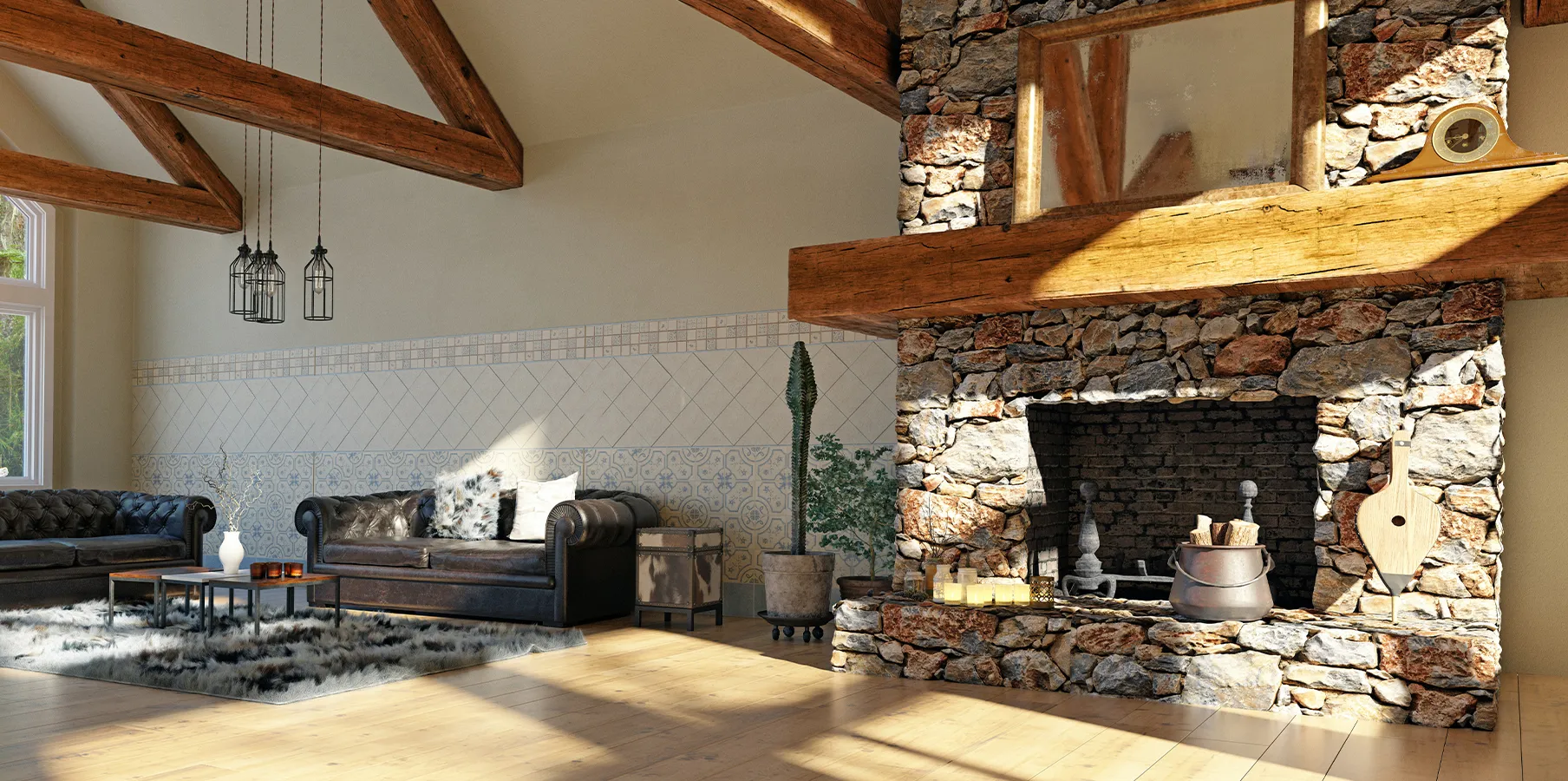
Selecting stone textures for interiors balances aesthetics and functionality. Polished stone exudes elegance, sandblasted stone offers subtle charm, irregular surfaces bring organic aesthetics, and naturally rough stone adds earthy character. While visual appeal is crucial, factors like maintenance, installation, durability, and safety are equally important.
Each texture influences the overall design theme, from modern to rustic. The right choice depends on a blend of personal style, practical needs, and the intended ambiance, ensuring beautiful interiors that fit your lifestyle and design vision.
Keep reading
More on Stone