Valla Construction
Natural Stone Interior Walls: Types, Pros, and Cons
Valla Construction
Natural stone has been a staple in architectural design for centuries, bringing a sense of history and unparalleled beauty to interior spaces. The variety of stone types, from the majestic veins of marble to the earthy feel of sandstone, offers homeowners a wide range of options. However, using natural stone on interior walls has its benefits and challenges.
The durability and timeless appeal of stone make it an ideal choice for wall cladding. Stone walls are resistant to the wear and tear that might affect other wall materials. With proper maintenance, these walls can become a lasting element of a home's design, each piece unique due to the natural variations in patterns and colors.
Variety of Natural Stone for Walls

Stoneyard, Inc.
The allure of natural stone walls lies in the distinct character each stone type provides. Here are some popular stone choices for interior wall cladding:
Granite

Norstone USA
Using granite as an interior wall material offers a blend of aesthetic appeal and practical benefits, making it a unique choice for home or commercial interiors. Granite, a natural stone known for its strength and durability, brings a touch of luxury and timelessness to any space.
Aesthetically, granite walls provide a striking visual element. The natural patterns and color variations in granite slabs make each installation unique, adding character and depth to interior designs. Granite's rich textures and colors can complement various decor styles, from elegant and sophisticated to rustic and earthy.
Practically, granite is an excellent choice for interior walls due to its durability. It's resistant to scratches, chips, and heat, making it suitable for high-traffic areas or spaces like kitchens where walls might be exposed to more wear and tear. Granite's easy-to-clean surface also makes it a hygienic option, resistant to bacteria and allergens.
Marble

Just Tile & Marble
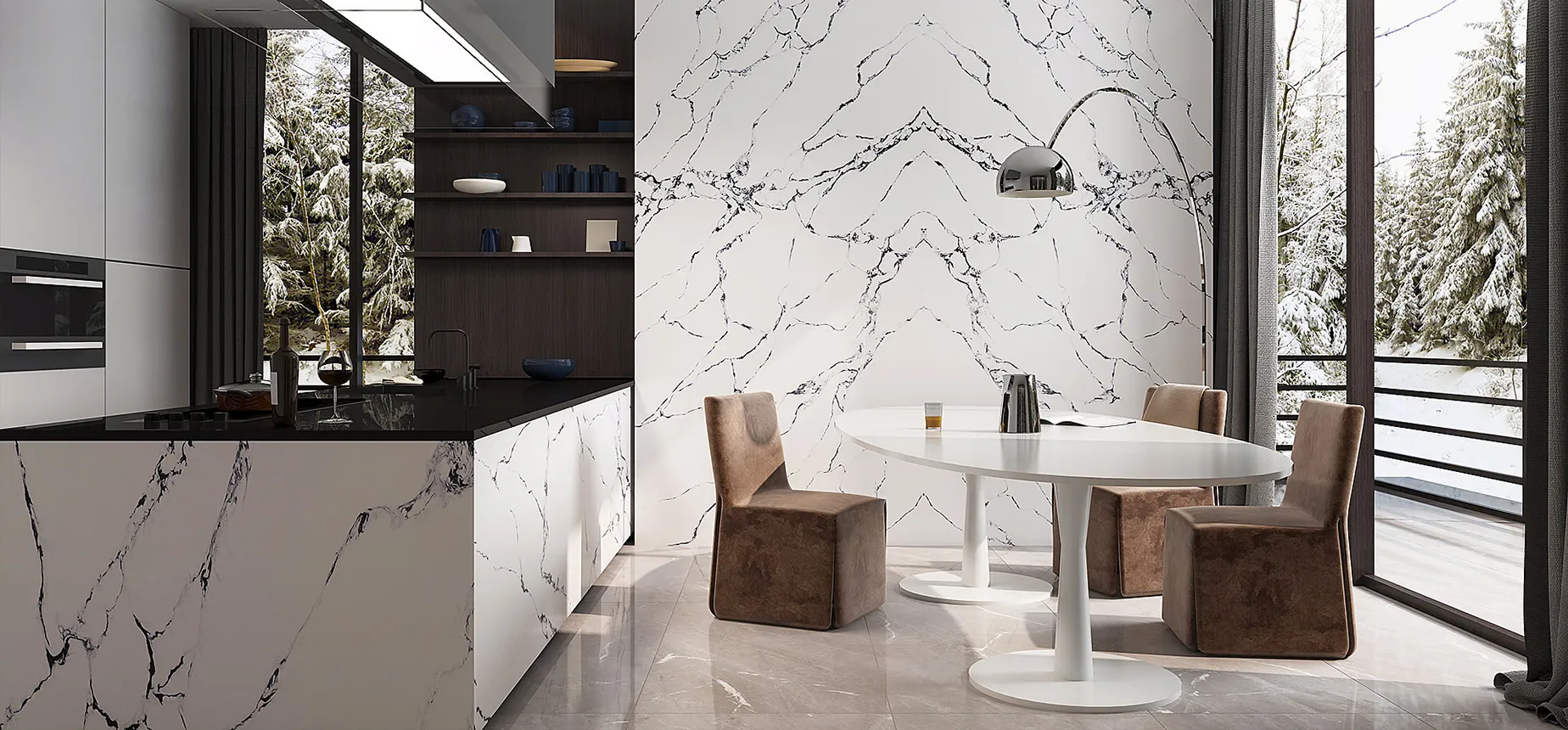
Using marble as an interior wall material brings unparalleled elegance and sophistication to any space. Marble, a natural stone renowned for its luxurious appearance, has symbolized refinement and wealth for centuries. It's popular in high-end residential interiors, including kitchens, bathrooms, and living areas.
The aesthetic appeal of marble lies in its distinctive veining and wide range of colors, from classic whites and creams to rich greens, blues, and blacks. Each marble slab is unique, ensuring no two marble walls are identical. This individuality adds an exclusive and bespoke element to interior design. Marble's smooth, polished surface reflects light, helping to brighten and visually enlarge a room. Its ability to stay cool to the touch is also appreciated in warmer climates or spaces like kitchens and fireplaces.
Quartzite

Marble Systems
Using quartzite as a wall material in interior spaces offers aesthetic beauty and practical durability. Quartzite, a naturally occurring metamorphic rock, is known for its hardness and resistance to abrasion, making it a reliable choice for wall installations.
Aesthetically, quartzite stands out with its unique patterns and range of colors, including striking whites, grays, pinks, and reds. The crystalline texture and subtle sheen of quartzite add depth and elegance to walls, making them focal points in any room. This natural stone's distinctive appearance often features streaks and waves, lending interiors a dynamic and upscale look.
From a practical standpoint, quartzite is an excellent choice for walls due to its strength and durability. It's highly resistant to scratches and etching, maintaining its beauty under everyday wear and tear. This resilience makes it suitable for high-traffic areas or spaces that require a hard-wearing surface.
Soapstone

Soapstone Werks
Using soapstone on walls is viable, though it's less common than other natural stones like marble or granite. Soapstone is known for its soft feel, non-porous nature, and heat-resistant properties. It typically comes in shades of gray and has a subtle, veined appearance.
One of the main advantages of soapstone is its resistance to staining and bacteria, thanks to its non-porous nature. This makes it a hygienic choice for wall surfaces, especially in kitchens and bathrooms. Additionally, its heat resistance can be beneficial around fireplaces or stoves.
Aesthetically, soapstone has a distinct, matte look that can add a sophisticated, understated charm to a room. Its soft texture and natural color palette lend themselves well to modern and traditional designs.
Slate

Tile Club
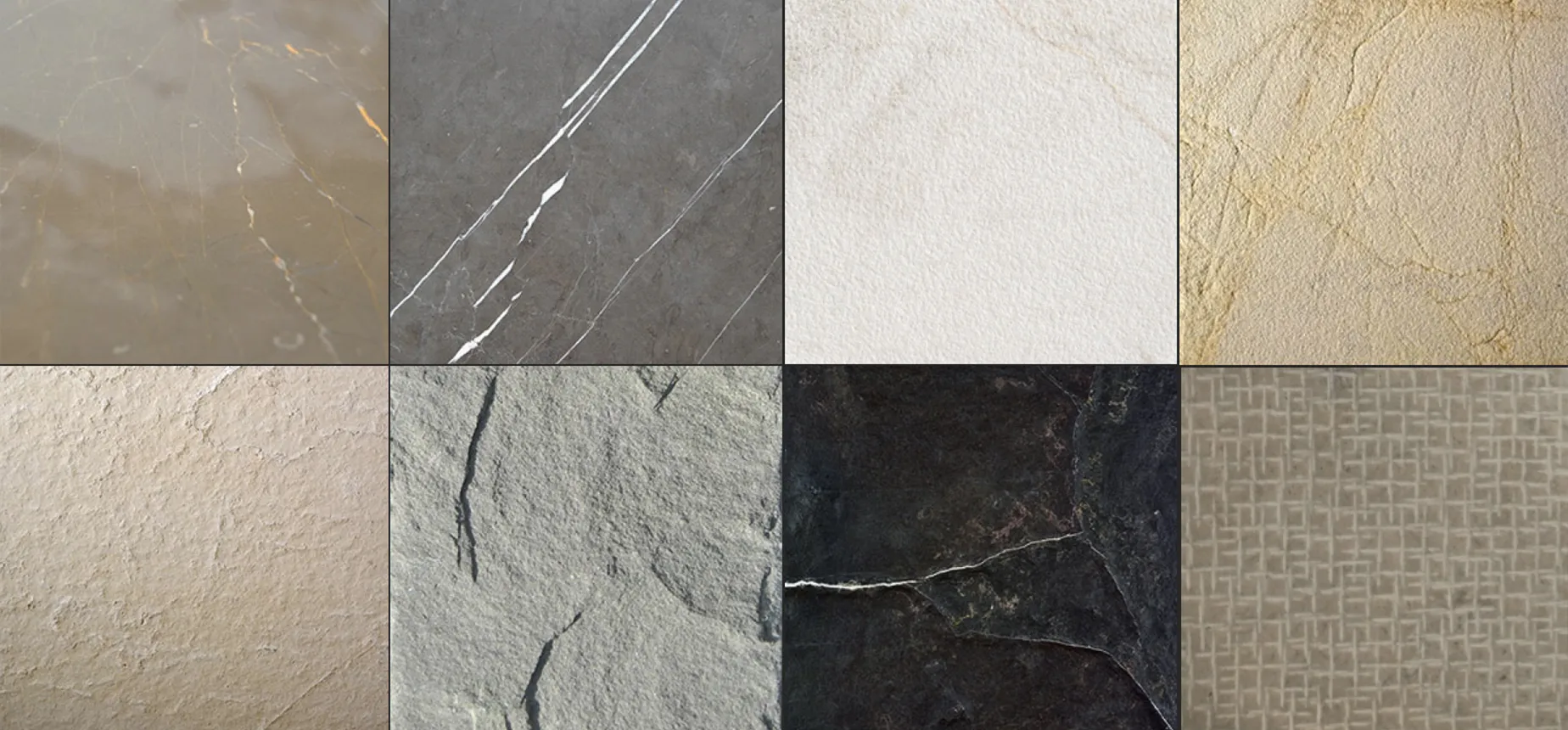
Slate as a wall material uniquely blends rustic charm and contemporary elegance. This natural stone is known for its rich texture, durability, and array of color options, ranging from dark greys and blacks to greens and purples. The layered composition of slate adds a distinctive look and feel to walls, making them stand out in any interior space.
Slate's robust nature makes it a practical choice for wall cladding. It is resistant to moisture, heat, and cold, which ensures its longevity and maintains its appearance over time. This makes it suitable for various settings, including feature walls, fireplace surrounds, bathrooms, and kitchens.
The natural variations in slate tiles mean that no two installations are exactly alike, offering a unique and bespoke aesthetic. Despite its rugged appearance, slate can be used in traditional and modern design schemes, adding depth and character.
Limestone

Marble Systems
Limestone as an interior wall material offers a classic and elegant appeal, favored for its soft, natural tones and subtle textural details. This sedimentary rock, typically found in shades of white, beige, and gray, brings a warm and inviting ambiance to any space.
The aesthetic appeal of limestone lies in its understated and earthy look, which can complement a variety of design styles, from rustic country homes to modern urban spaces. It's natural patterns, and occasional fossils add character and uniqueness to each installation, ensuring no two limestone walls are identical.
Using limestone on walls can create a sense of timelessness and elegance. Its versatility in terms of finish – honed, polished, or brushed – allows for different looks, from a more rustic matte to a sleek, refined sheen. This adaptability and the natural beauty of limestone make it a popular choice for interior walls, adding a touch of sophistication and warmth to any setting.
Travertine

Marble Systems
Travertine is a choice that combines rustic charm with timeless elegance. This form of limestone, known for its distinctive pitted surface and earthy tones, can range from creamy beiges to rich browns, bringing a warm and inviting quality to interiors.
The appeal of travertine lies in its textured, natural appearance. The characteristic small holes and troughs in its surface, which can be filled or left unfilled, add depth and character to walls. This makes travertine a popular choice for feature walls, fireplace surrounds, or areas like bathrooms and kitchens where its natural stone aesthetic can be fully appreciated.
Travertine is durable, but it requires some maintenance as a porous stone. Sealing travertine walls is advisable to protect them against moisture and staining. This is particularly important in damp environments or areas prone to splashes and spills.
Advantages of Natural Stone Walls
Apart from their long-lasting quality, natural stone walls offer an undeniable aesthetic charm. They bring a sense of luxury and sophistication to interiors, adaptable to various styles, from modern to traditional. The uniqueness of each stone piece can significantly enhance a property's visual appeal and increase its value.
In terms of functionality, stone walls are beneficial in regulating indoor temperatures, especially in warmer climates, due to their natural heat resistance. Depending on the stone type, maintenance can be straightforward, with some stones, like granite, requiring minimal upkeep.
Drawbacks of Natural Stone Walls
The installation and maintenance of natural stone walls come with certain challenges. The cost can be a significant factor, as natural stone and the expertise required for its installation tend to be more expensive than other materials. The cold surface of the stone can be a drawback in colder climates, and its hardness might not suit all residential settings. Different stone types have specific considerations; for instance, marble requires careful handling to avoid scratches, while limestone and sandstone might need frequent sealing to prevent staining.
Natural Stone Slabs vs. Tiles vs. Cladding for Walls

Txtr-Lite
Natural stone for walls is available in large slabs, smaller tiles, and stone cladding, each offering unique design opportunities. Slabs provide a continuous, unbroken surface that showcases the stone's natural beauty, tiles offer the flexibility to create intricate patterns and designs, and cladding offers a more rugged, three-dimensional look, with each stone piece often having significant variation in size, shape, and depth. Choosing slabs, tiles, or cladding largely depends on the desired aesthetic and budget considerations.
Conclusion
In conclusion, natural stone walls are an excellent way to incorporate natural beauty and durability into interior spaces. They require a thoughtful approach, considering their aesthetic appeal and functional benefits against potential challenges. For those who value natural elegance and are committed to its upkeep, natural stone walls can be a striking and enduring feature in any home.
Keep reading
More on Stone