Levantina
Limestone Interior Walls: Costs, Care and Design Options
Levantina
Limestone, an ancient sedimentary rock, has been a preferred choice for flooring across various civilizations. Its birthplace lies in ancient seabeds, composed predominantly of skeletal fragments of marine organisms. It is formed primarily from shells, corals, and other aquatic organisms and offers a textured look that captures Earth's history. It has been utilized extensively throughout time, from the structures of ancient civilizations to modern-day establishments. Its unique appearance and versatility make it a favorite among homeowners and architects.
Varieties of Limestone for an Interior Wall Material

The Tile Shop
Colors
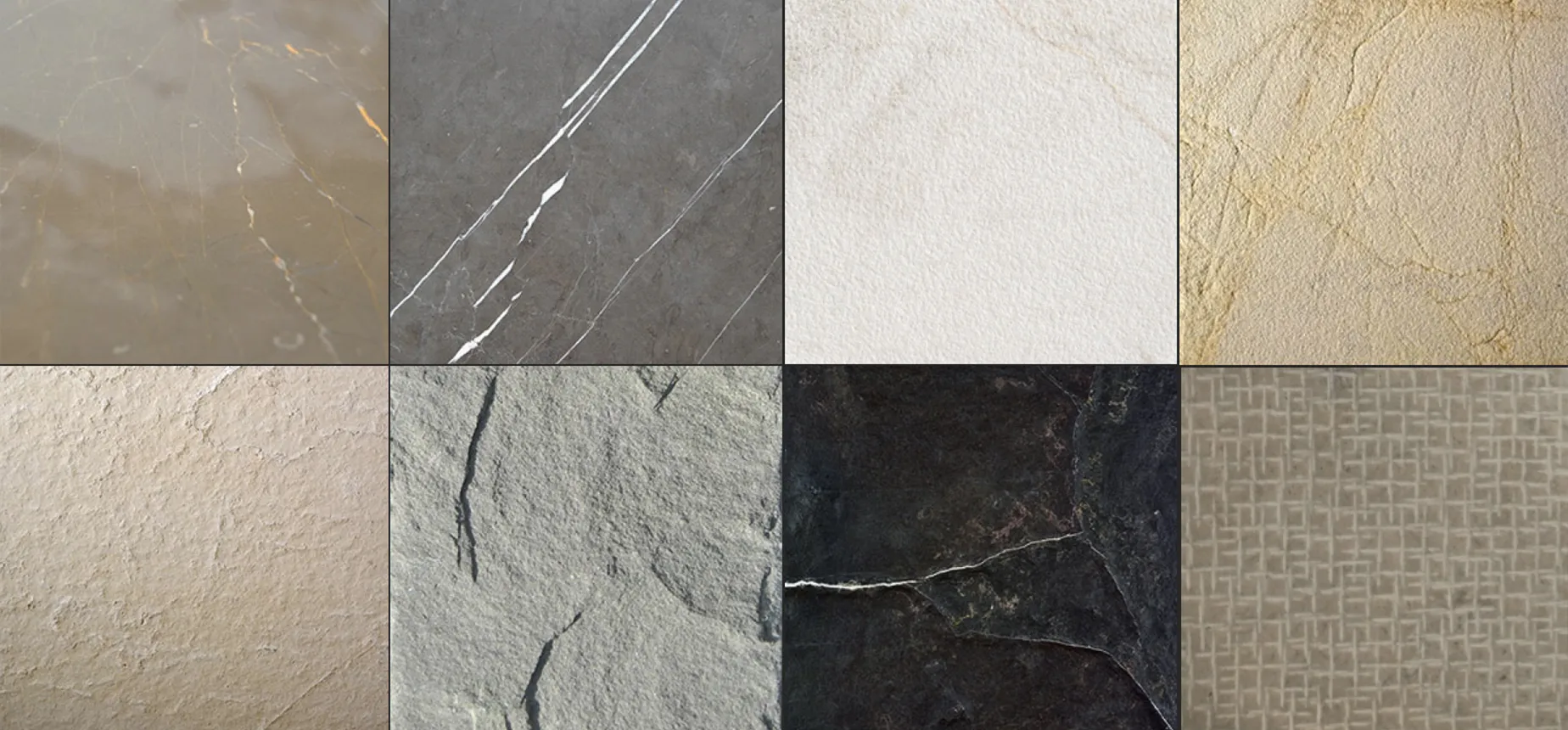
Limestone offers a range of textures and colors, each bringing its unique touch to design projects. The color palette of limestone varies from soft, neutral tones like beiges and creams, ideal for creating a light and airy atmosphere, to warmer hues such as golds, light browns, and even pale pinks. These colors often feature natural fossil patterns and subtle variations, a testament to limestone's sedimentary origins, adding an element of timeless elegance and depth to designs.
Shapes and Sizes
Limestone is available in diverse formats, suitable for various architectural styles and design preferences. Large limestone slabs are an option for those seeking a majestic, seamless look, particularly effective in spacious areas to minimize seams and highlight the stone’s natural beauty. For more intricate designs, limestone tiles are available in various sizes, from small, detailed pieces to larger, standard sizes, offering flexibility in layout and pattern choices.
Textures and Finishes
The textures of limestone vary from smooth and polished surfaces, which are sleek and easy to maintain, to more rugged and natural textures that bring a traditional or rustic charm to settings. This variety in texture significantly contributes to the visual appeal of a space and can shape its overall ambiance.
Limestone can be finished in several ways to enhance its appearance and feel. A polished finish gives limestone a glossy, refined look that accentuates its natural colors and details. Honed limestone provides a more matte, understated finish. Textured finishes like brushed or tumbled limestone offer an aged or weathered look, adding character and historical allure to the material.
Edge Treatments
The edges of limestone tiles or slabs can be tailored to different styles. Straight, clean-cut edges lend a modern, precise appearance, while beveled or rounded edges offer a softer, more traditional aesthetic. This versatility in edge treatments makes limestone adaptable to a broad range of design preferences, enhancing its appeal as a versatile and attractive wall cladding material.
The Advantages of Limestone as an Interior Wall Material

The Tile Shop
Limestone brings a distinctive, natural elegance to interior and exterior spaces. Its various colors, including neutral and warm tones, provide a versatile aesthetic that suits many design themes. Each limestone piece is unique, with patterns and tones that add character and bespoke quality to a home.
Limestone is known for its durability, making it a solid choice for areas subject to wear. Its resistance to the elements ensures that limestone maintains its appearance over time, minimizing the need for repairs or replacements.
Limestone is relatively low maintenance compared to other wall materials. It’s easy to clean and doesn’t readily show dirt or smudges, making it a practical option for residential and commercial applications.
Additionally, limestone has natural insulating properties. The stone feels comfortable and stays cool, making it a suitable choice for areas with warmer climates, potentially helping regulate indoor temperatures and contributing to energy efficiency in a home. Limestone can last decades with proper care and maintenance, retaining its original charm. It also adds an element of value and character to the property.
The Drawbacks of Limestone as an Interior Wall Material

BT Architectural Stone
Limestone has its limitations as a wall cladding material. While it offers a range of natural hues, its color palette is more limited than other materials, which could restrict design options for those seeking a wider range of colors.
The composition of limestone has natural insulating properties. The stone feels comfortable and stays cool, making it a suitable choice for areas with warmer climates, potentially helping regulate indoor temperatures and contributing to energy efficiency in a home. Limestone can last decades with proper care and maintenance, retaining its original charm. It also adds an element of value and character to the property.
Limestone requires some care to maintain its appearance. It can be prone to scratching, and lighter colors might show stains more readily. Periodic sealing is often necessary to protect the surface, especially in areas with moisture exposure.
The quality of limestone can vary, with lower-grade limestone potentially being less durable or less aesthetically pleasing. Sourcing high-quality limestone is important for the best results, adding to the cost and effort involved in selection.
Environmental Impact

Extracting limestone impacts the environment, given the quarrying activities involved. The process can result in changes to the landscape and ecosystem. Transporting the stone, particularly from remote locations, also adds to its carbon footprint. On the positive side, the long lifespan of limestone flooring means less frequent replacements, potentially reducing resource consumption in the long run.
Cost Considerations

The Tile Shop
Installing limestone as an interior wall material involves several cost considerations that can influence your project's overall budget.
The price of limestone itself varies depending on factors such as its quality, rarity, and origin. Premium limestone, especially from renowned quarries, can be more expensive. The unique patterns, colors, and overall aesthetic of the limestone also play a role in determining its cost.
Limestone has different surface finishes, such as polished, honed, or brushed. The choice of finish can affect the cost, with more intricate finishes typically being more expensive than basic ones. Limestone installation is a skilled task, especially for large slabs that require precise handling and fitting. The cost of professional installation can be significant and will vary depending on the complexity of the job, the design pattern, and the local labor rates.
While limestone is relatively low maintenance, it may require periodic sealing and specific cleaning agents to maintain its appearance. The cost of these maintenance materials and any professional upkeep services should also be considered.
Conclusion
In conclusion, limestone wall cladding offers a blend of historical significance, functionality, and aesthetic appeal. It's a durable and elegant option for natural wall finishes, but understanding its maintenance and environmental impact is crucial for long-term preservation and sustainability.
Keep reading
More on Stone