Levantina
Marble Interior Walls: Costs, Pros, and Cons Explained
Levantina
Marble, a stone synonymous with luxury and sophistication, has adorned the structures of human civilization for thousands of years. From legendary quarries like Italy's Carrara or Belgium's Black Marble, marble has symbolized affluence and prestige since ancient times. Its use in iconic structures like the Taj Mahal and the Pantheon attests to its enduring beauty and elegance.
Variety of Marble as an Interior Wall Material
Colors

Levantina
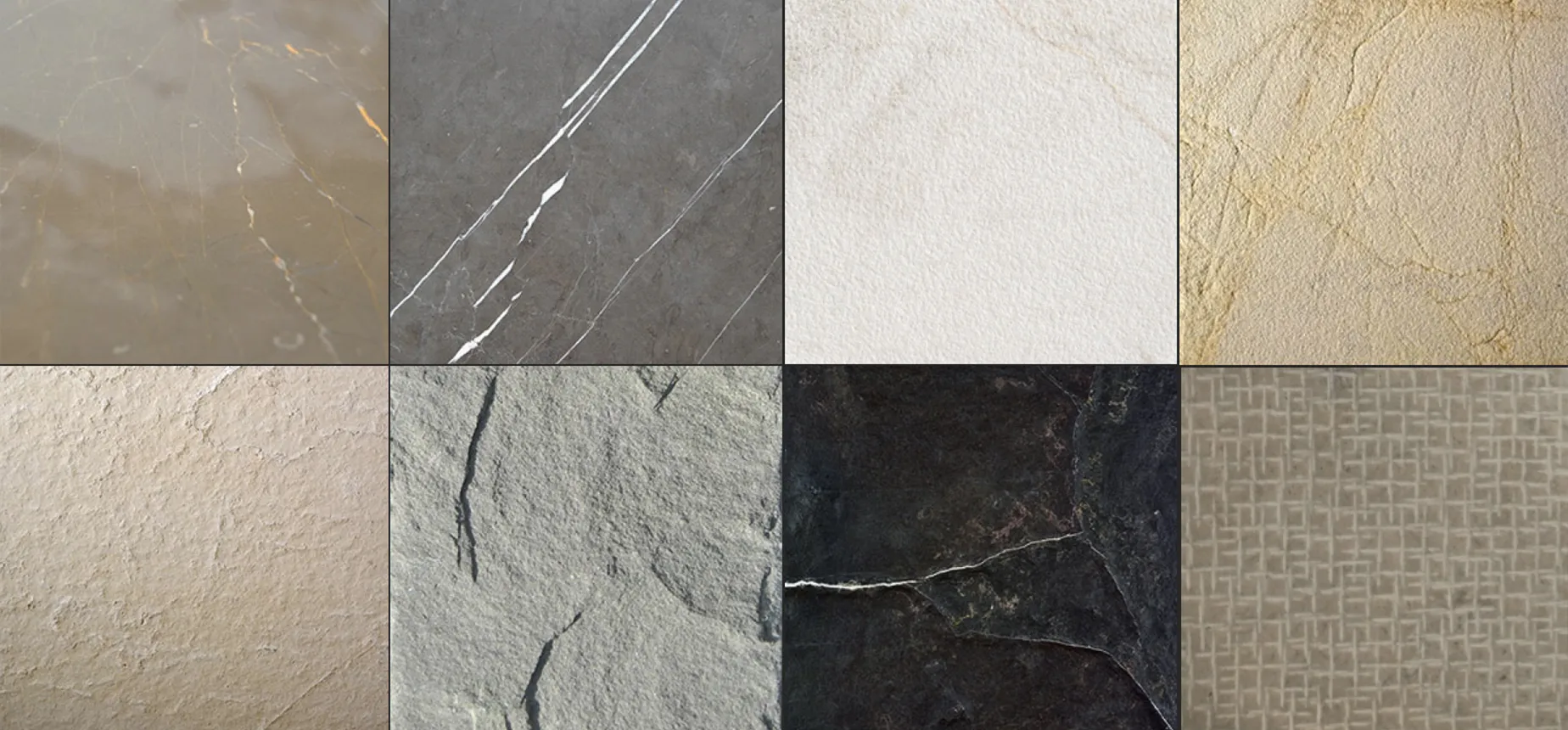
Renowned for its elegance and beauty, marble offers a wide range of textures and colors, each adding a distinct flair to interior designs. The color palette of marble spans from classic whites and soft greys, perfect for creating a sophisticated and luxurious atmosphere, to more dramatic shades like rich blacks, deep blues, and striking greens. These colors often showcase unique veining and swirl patterns, a hallmark of marble's metamorphic origins, which lend an air of opulence and depth to any design.
Shapes and Sizes

Levantina
Marble is available in various shapes and sizes, catering to different architectural styles and design needs.
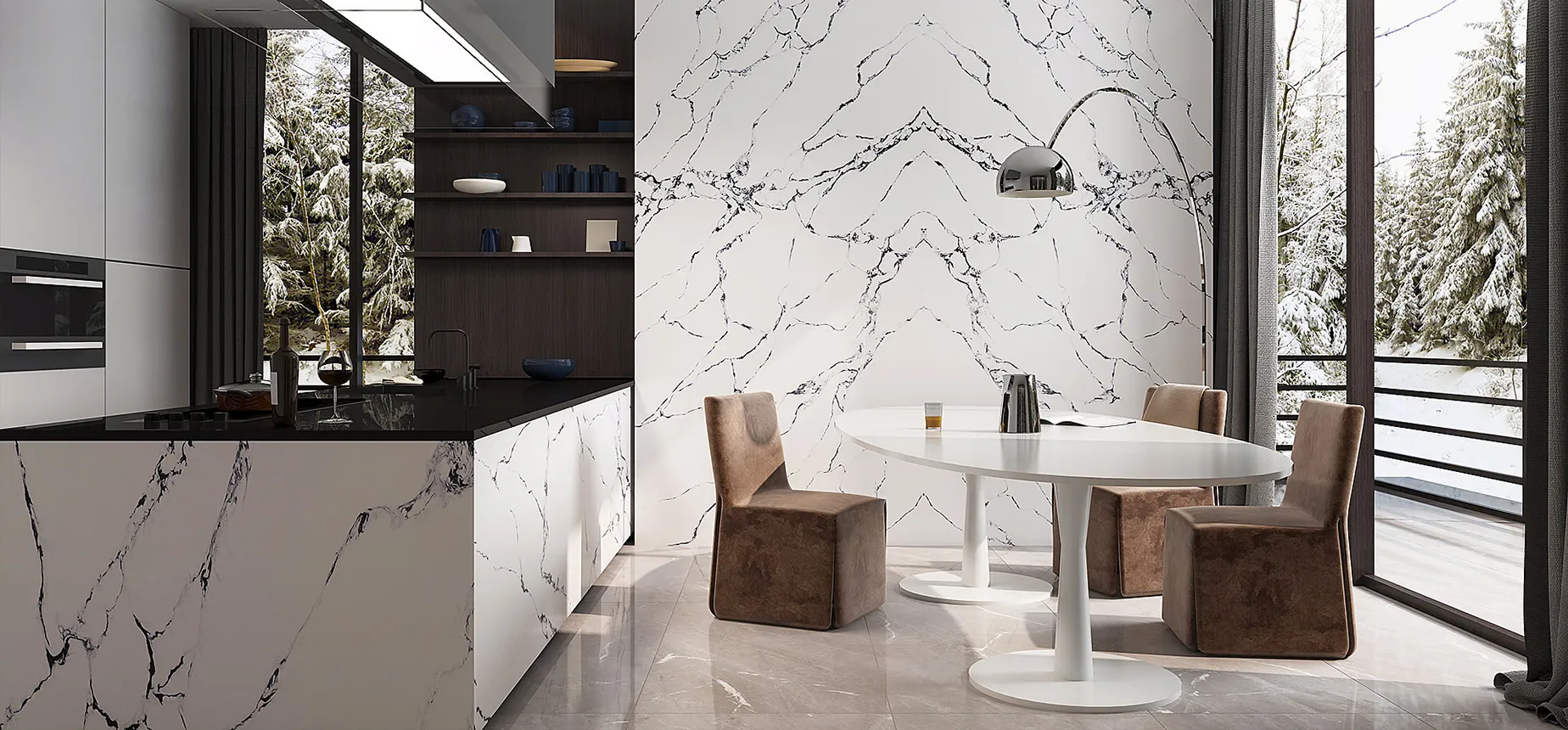
Large marble panels epitomize opulence, providing expansive, uninterrupted displays of the stone’s natural veining and color variations. Ideal for creating a focal point in spacious areas, these panels lend a sense of continuity and grandeur, allowing the stone’s intricate patterns to unfold gracefully.
Marble tiles, versatile in their application, cater to various spaces and design tastes. Available in smaller, intricate pieces to larger, standard tiles, they allow for creative freedom in layout and design. Each marble tile, whether large or small, is unique, showcasing nature’s artistry in every pattern and hue.
Textures and Finishes

Levantina
The textures of marble range widely. Polished marble surfaces are smooth and glossy, reflecting light to enhance the stone’s innate colors and patterns, making them a popular choice for contemporary and luxury designs.
Honed marble offers a matte finish for a softer, more subtle appearance. For a unique and tactile experience, textured finishes like brushed or leathered marble create a more nuanced and aged look, adding character and a sense of history to the material.
Edge Treatments
The edges of marble tiles or slabs can be tailored to different styles. Straight, clean-cut edges lend a modern, precise appearance, while beveled or rounded edges offer a softer, more traditional aesthetic. This versatility in edge treatments makes marble adaptable to a broad range of design preferences, enhancing its appeal as a versatile and attractive wall cladding material.
The Advantages of Marble as a Wall Material

Levantina
Marble is incredibly versatile in terms of design applications. It can be used in various interior styles, from classic, traditional, modern, and minimalist. Its variety in veining and coloring means that each marble-clad wall is one-of-a-kind.
Despite its luxurious appearance, marble is a durable material. When properly installed and maintained, marble cladding can withstand the test of time, retaining its beauty for decades. It’s resistant to cracking and breaking, making it a long-lasting choice for wall cladding.
Marble has natural sound absorption qualities, which can contribute to a quieter and more serene indoor environment. This makes it a beneficial choice for spaces where reducing echo or noise is desired.
Incorporating marble into a property’s design can significantly enhance its value. Marble is often associated with luxury and sophistication, making it desirable for potential buyers or tenants.
The Drawbacks of Marble as a Wall Material

Levantina
Despite its allure, marble cladding presents certain challenges. It is a porous material, prone to staining from liquids and acidic substances. Regular sealing is necessary to protect the surface from damage. Additionally, marble is a premium material, demanding higher costs for both purchase and installation.
Marble is a heavy material that can pose structural challenges, especially in older buildings or areas where the wall framing may not support the additional weight. This might necessitate structural reinforcements, adding complexity and cost to the installation.
If marble cladding gets damaged, repairing it can be complex and costly. Matching the unique veining and color of the existing marble may be difficult, making seamless repairs challenging.
The installation of marble cladding requires skilled craftsmanship. Like many natural stones, any installation errors can lead to uneven surfaces, misaligned patterns, or even damage to the surface, necessitating costly corrections.
Marble’s natural coolness, while advantageous in warm climates, can make it feel cold to the touch in cooler environments. This may be less comfortable in certain settings, such as bathrooms or other areas where physical contact with the walls is common.
Environmental Impact

Artistic Tile
Marble extraction can have significant environmental impacts, including landscape changes and habitat disruption. While marble's longevity means less frequent replacement, the energy used in extraction and transportation, particularly of exotic varieties, adds to its environmental footprint.
Cost Considerations
Foremost among its costs is the quality of the marble. Premium marble with consistent coloration, minimal veining, and fewer imperfections tends to be more expensive. On the contrary, marble with more pronounced veins or other natural inclusions might be slightly more affordable, though they still offer a distinct aesthetic charm.
The marble's geographical origin also plays a pivotal role in its pricing structure. For instance, coveted varieties, like Carrara or Calacatta, often command higher prices due to their high demand and esteemed reputation.
For those who are more budget-conscious, more economical marble options are available. These might present subtle differences in pattern clarity and color uniformity but still offer the intrinsic elegance of marble. Ultimately, the decision rests on balancing budget constraints with desired aesthetics and quality expectations. As with other natural stones, local sourcing can sometimes mitigate costs.
Beyond material costs, the intricacies of installation and finishing also influence the overall expenditure. Highly polished marble or those with specialized finishes like brushed or tumbled typically have a higher price tag than standard finishes.
While the initial outlay for high-grade marble can exceed that of other wall material options, it's seen by many as a worthy investment. Its timeless beauty and the upscale ambiance to spaces can elevate property values.
Conclusion
Marble wall cladding is not just a decorative choice but an investment in a material steeped in art, history, and luxury. While it offers timeless beauty, understanding its maintenance and care is essential for those who wish to incorporate its elegance into their spaces. Marble’s allure brings responsibilities, ensuring its legacy endures for future generations.
Keep reading
More on Stone