Cultured Stone
The Advantages and Drawbacks of Engineered Stone Walls
Cultured Stone
Engineered stone walls represent a modern and versatile approach to building materials, combining elements like rock particles, glass, porcelain, and resins. This composite material is an attractive alternative to natural stone, offering affordability and a reduced environmental impact by avoiding extensive quarrying.
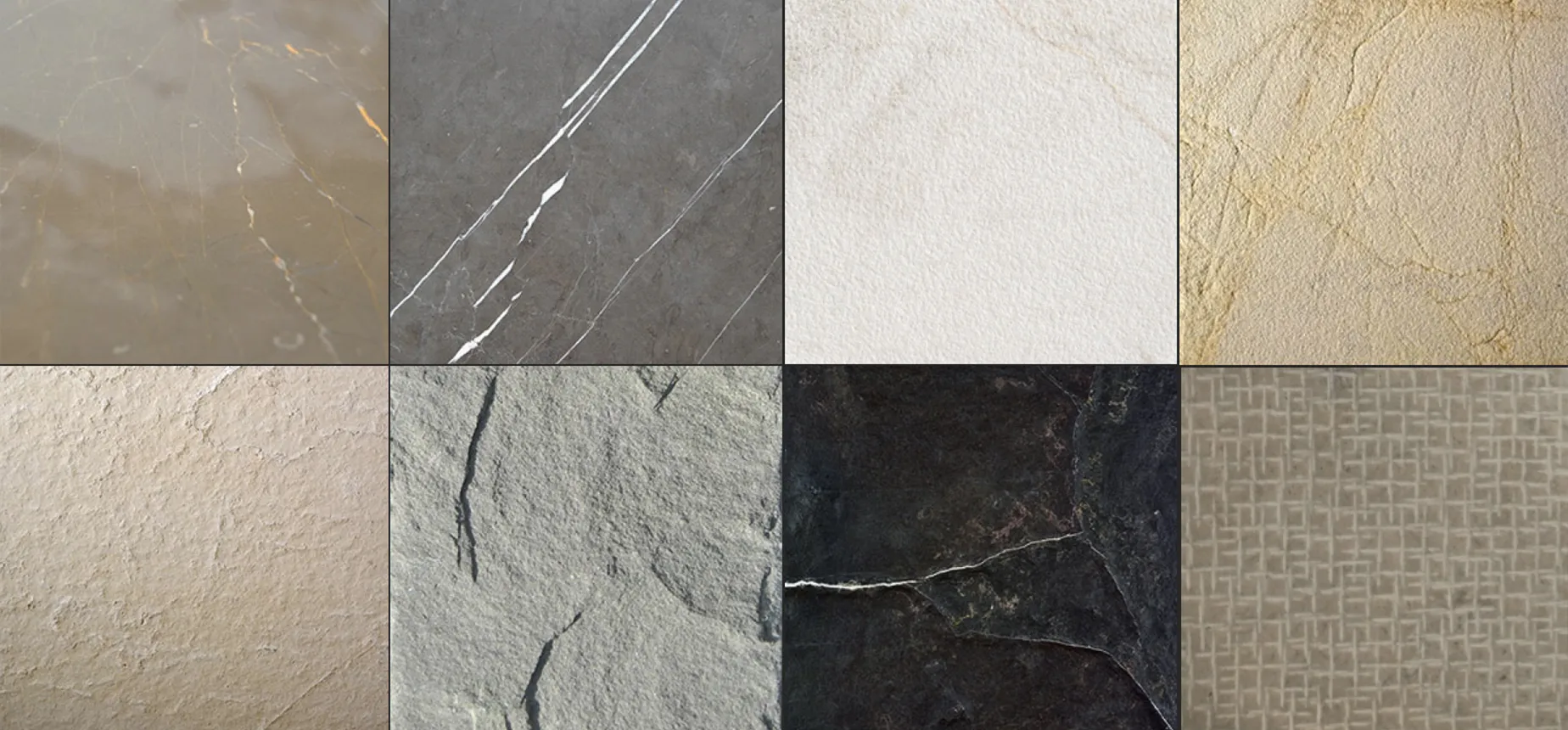
The composition of engineered stone for walls varies, but it typically includes a blend of natural stone particles, glass, and other durable materials combined with strong binding resins. This diverse makeup allows engineered stone to be highly adaptable in appearance and physical properties, catering to various design and functional requirements.
Variety of Engineered Stone

Cultured Stone
Engineered stone walls are appreciated for their versatility and affordability, making them a preferred choice for various home and commercial projects. Different types of engineered stone walls offer unique features:
Ultra Compact
Known for their outstanding durability and resistance to heat, scratches, and UV light, Ultra Compact engineered stone walls offer various finishes and colors, resembling natural stone or custom designs.
Solid Surface
These walls are created from acrylic, polyester, or a combination, creating a non-porous and seamless surface. Highly customizable, they can replicate the look of natural stone, wood, or concrete with a wide range of color and pattern choices.
Quartz
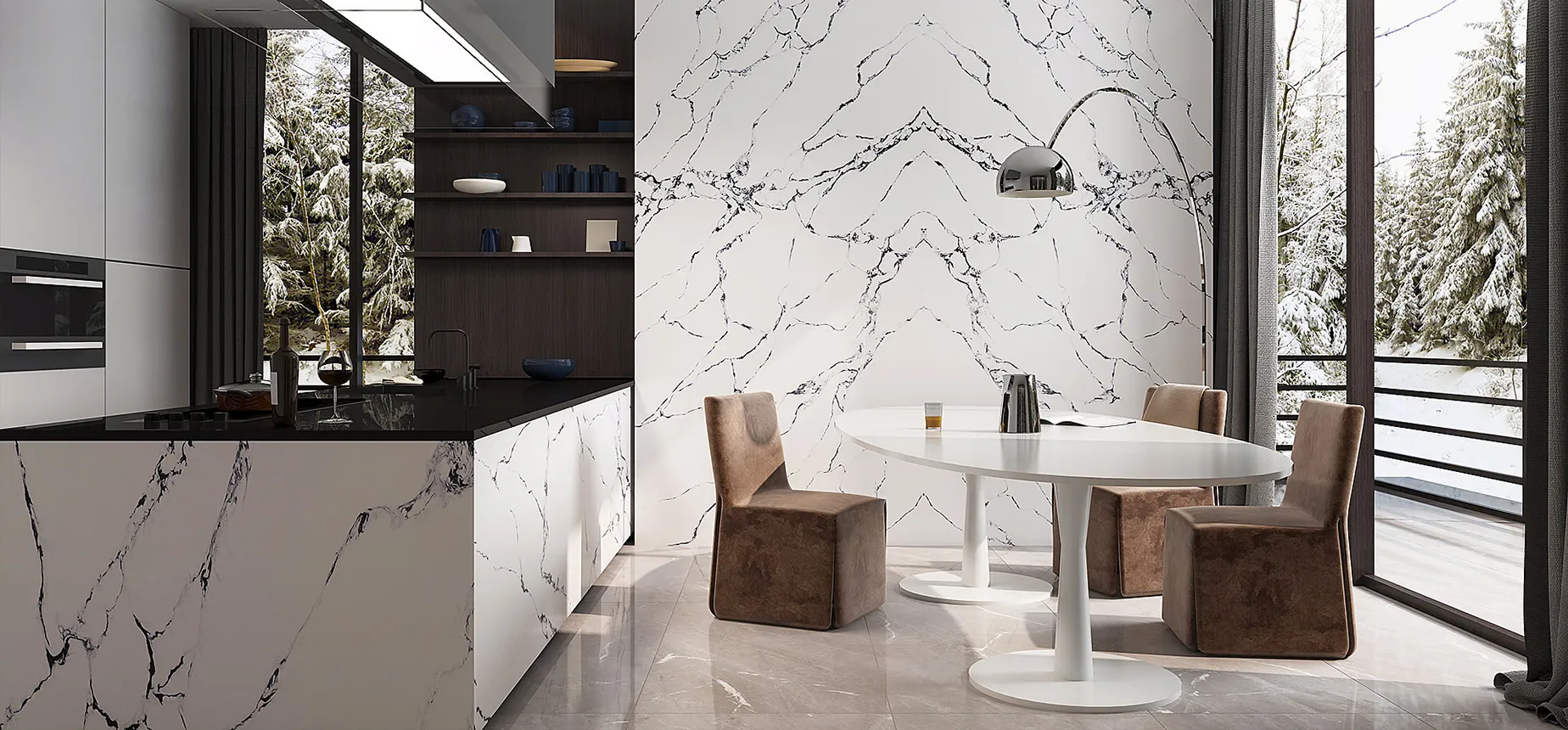
A popular choice, Quartz-engineered stone walls consist of crushed quartz mixed with resin, creating a non-porous surface that resists stains and bacterial growth. They are available in many colors and patterns, emulating marble or granite.
Terrazzo
A traditional material reimagined for modern applications, Terrazzo-engineered stone walls are known for their durability and unique look. They can be customized with various colors and patterns, producing a distinctive, speckled appearance.
Advantages of Engineered Stone Walls

Cultured Stone
Engineered stone walls are highly valued for their unique durability, aesthetic flexibility, and low maintenance requirements. These walls are renowned for resisting scratches, stains, and general wear, ensuring a robust and stable surface that maintains its appearance over time.
Unlike natural stone, engineered stone offers consistency in color and texture, providing a uniform look ideal for projects requiring coherence across large areas. Customization is another significant advantage; engineered stone can be tailored in shape and size to fit unique design requirements, offering greater scope for creativity and bespoke architectural features.
Certain compositions of engineered stone boast beneficial thermal properties, contributing to a building’s energy efficiency, and can provide effective sound insulation, which is crucial in multi-story buildings or areas where noise control is essential. The material’s inherent strength and durability further underscore its suitability for various applications, standing as a testament to its longevity and reliability in various settings.
Drawbacks of Engineered Stone Walls

Brick America
Engineered stone walls offer numerous benefits, but they are not without their limitations. A significant consideration is their weight; engineered stone is notably heavy like all stone materials, often requiring reinforced structural support when used in wall construction. This can lead to complexities in the building process, potentially increasing both the construction time and costs.
Aesthetically, while engineered stone can imitate natural stone, it may not capture natural materials' full character and variation. This could be a downside for those who prefer natural stone's unique and authentic appearance.
Installing engineered stone walls typically demands high precision and thus requires professional expertise. This need for specialized installation can contribute to higher overall costs and longer project timelines.
Additionally, some types of engineered stone are sensitive to certain chemicals, making it necessary to use specific, gentle cleaning products to avoid damaging the surface. This consideration is important for maintaining the appearance and integrity of the walls over time.
Environmental Considerations

Cultured Stone
The production of engineered stone involves both natural and synthetic materials. The industry is moving towards more sustainable practices, such as using recycled materials and reducing waste. Selecting engineered stone walls that align with eco-friendly practices can be important for environmentally conscious individuals.
Cost Considerations

Cultured Stone
The cost of engineered stone walls varies depending on type, quality, and brand. While typically more affordable than natural stone, premium options can be a considerable investment. Professional expertise is usually required for installation, adding to the overall cost.
Engineered stone walls offer homeowners a practical, stylish, and enduring choice. They combine the elegance of stone with modern technology, suitable for various interior styles. Considering both the benefits and potential limitations is important to ensure they meet the specific requirements and lifestyle of the intended space.
Keep reading
More on Stone