Tino Stone
Quartzite as an Interior Wall Material
Tino Stone
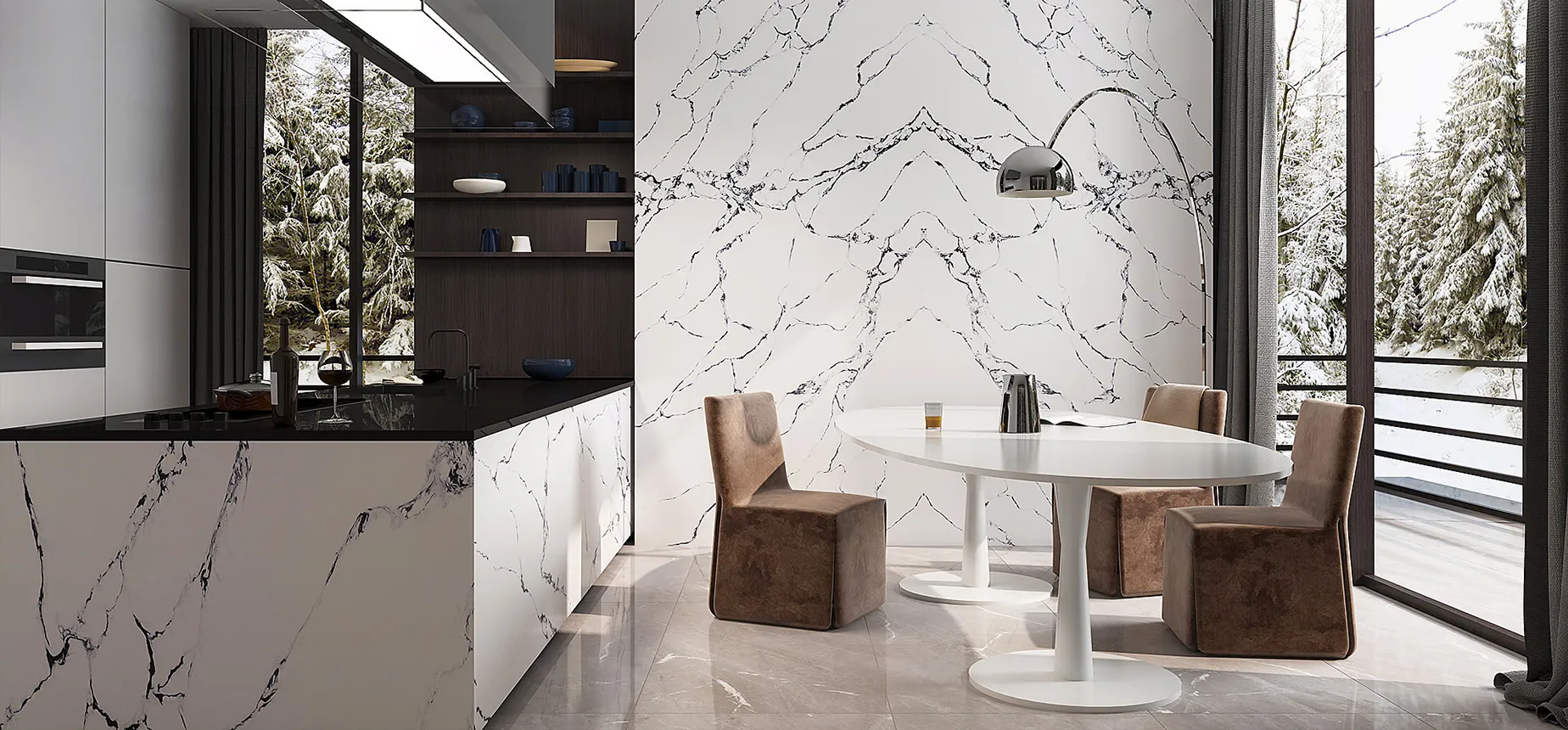
Quartzite is not just a premier choice for countertops and flooring; it also stands out as an exceptional option for wall cladding in interior design. This metamorphic rock, originally sandstone and transformed under high heat and pressure, is known for its marble-like appearance and surpasses many materials in durability, making it a stylish and long-lasting choice for wall surfaces.
Varieties of Quartzite for Walls

Tino Stone
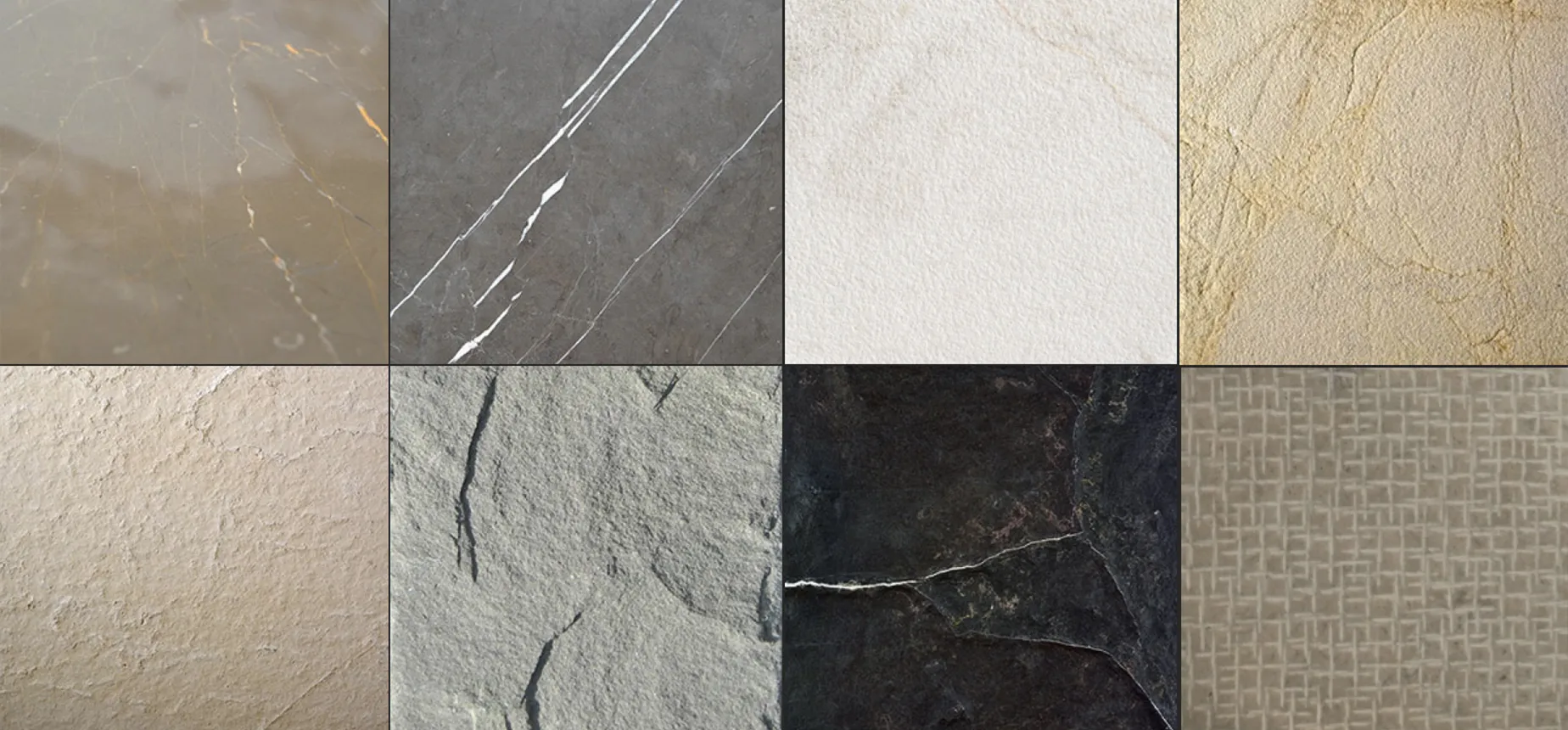
Quartzite is well-regarded for its versatility in design and aesthetics. This diversity is largely due to its range of colors, sizes, and patterns. Quartzite's color palette spans from subtle, neutral tones to vibrant, eye-catching hues.
Whites and Creams: These colors are often sought for their clean and airy feel. They can brighten up spaces and offer a sense of spaciousness.
Grays and Silvers: These shades bring a modern and sleek look. They are ideal for contemporary designs, often used in minimalistic or industrial-themed spaces.
Blacks and Charcoals: Offering a bold and dramatic effect, these colors are perfect for creating focal points or accent walls.
Browns and Tans: These earthy tones bring the environment warmth and a natural feel. They are often used in rustic or traditional designs.
Blues and Greens: Blues and green hues can create a unique and striking visual impact. They are often used to add a pop of color or to create a calming atmosphere.
Pinks and Reds: These are rare and can add a unique, warm touch to any space.
Each slab of quartzite can vary in color, sometimes significantly. This variation adds character and uniqueness to each piece, ensuring no two quartzite surfaces are identical. The colors in quartzite are often intermingled with veins or patterns, ranging from subtle, fine lines to bold, sweeping strokes. These patterns add depth and texture to the stone, enhancing its visual appeal.
Shapes and Sizes
Quartzite can be cut and shaped into various sizes and forms, allowing for custom design solutions. From large, seamless panels that make a bold statement to smaller, modular tiles ideal for intricate patterns and detailed designs, quartzite's adaptability in size and shape makes it versatile for different design requirements.
Textures and Finishes
The texture of quartzite can range from polished and sleek, which enhances the stone’s natural colors and patterns, to honed and matte, offering a more understated and contemporary look. Textured finishes like leathered or brushed provide a tactile experience and can add depth and dimension to the walls. These textures influence the visual appeal and the feel and ambiance of the space.
Edge Treatments
The edges of quartzite tiles or slabs can be finished in various ways to complement the overall design. Clean, straight edges give a more modern and structured look, while beveled or rounded edges can create a softer and more traditional aesthetic.
Advantages of Quartzite as an Interior Wall Material

Tino Stone
Quartzite wall cladding stands out for its unique veining and natural patterns, offering interiors an exclusive and luxurious touch. This individuality ensures no two quartzite-clad walls are the same, offering a distinct design element. Its robustness guarantees longevity, making it a cost-effective and sustainable choice.
Quartzite also enhances a property's value due to its mix of durability and aesthetic appeal. Its design versatility, available in different colors and finishes, allows for various styles in interior décor. The material's excellent color retention keeps its appearance vibrant and consistent. Additionally, quartzite's ability to work well with radiant heating systems makes it a comfortable option in colder climates.
Drawbacks of Quartzite as an Interior Wall Material

Tino Stone
‘
While beneficial for durability, quartzite's extreme hardness can make installation complex and costly, requiring professional handling. Regular sealing is needed to maintain its stain resistance and visual appeal. The cost of high-quality quartzite can be substantial, and its natural coldness might require additional insulation in cooler environments.
Additionally, the quality of quartzite varies, so careful selection is essential to ensure optimal durability and aesthetics.
Environmental Concerns

Tino Stone
Quartzite quarrying significantly impacts the environment by altering landscapes and disrupting ecosystems. This process can lead to habitat destruction and biodiversity loss. Moreover, transporting quartzite contributes to carbon emissions, a factor that is increasingly relevant in the context of global climate change.
However, the long lifespan of quartzite serves as a counterbalance to these environmental concerns. Its durability means it doesn't need to be replaced as frequently, potentially reducing the continuous need for resource extraction.
Cost Considerations

Tino Stone
Several elements play a key role in the cost factors for using quartzite as a wall cladding. The quality and rarity of the material are paramount, as unique colorations or vein patterns can significantly increase its value. The origin of the quartzite also influences the cost, with transportation from distant quarries adding to the overall expense.
Whether the stone is polished, honed, or brushed, the finishing process also impacts the cost due to varying labor and material requirements. Installation complexity is another factor; intricate designs or challenging installation sites can escalate labor time and costs. Additionally, any custom cuts or specific thicknesses required will increase the price due to the extra labor and material handling involved.
Finally, regular maintenance, including periodic sealing, is necessary to maintain the stone's appearance and durability, adding to the long-term upkeep costs.
Summary
Quartzite wall cladding is a combination of natural elegance and functional robustness. Its unique origin and enduring qualities make it an excellent choice for adding a touch of nature's resilience and allure to any space, suitable for various architectural and design styles.
Keep reading
More on Stone